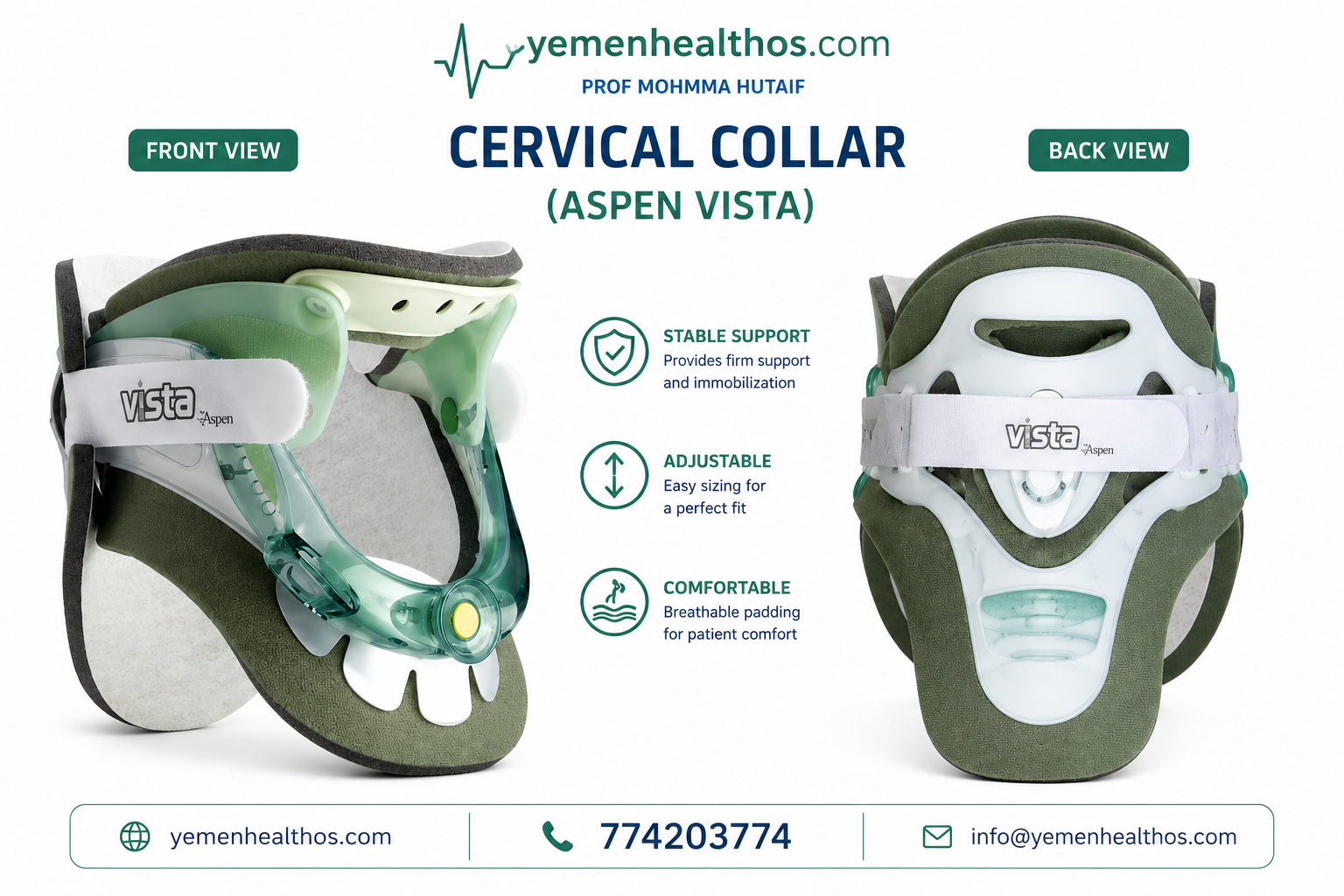

Comprehensive Introduction to the Aspen Vista Cervical Collar
The Aspen Vista Cervical Collar is widely regarded as the gold standard in cervical spine stabilization within clinical, pre-hospital, and post-operative environments. Unlike traditional, rigid foam collars that offer limited adjustability and inferior skin protection, the Aspen Vista represents a paradigm shift in orthopedic bracing. It is engineered to provide reliable motion restriction while prioritizing patient comfort and skin integrity.
For healthcare providers and patients alike, understanding the nuances of the Aspen Vista is critical for ensuring spinal stability, preventing secondary neurological injury, and facilitating optimal healing. This guide serves as an exhaustive reference for the clinical application, biomechanical function, and maintenance of this essential orthopedic device.
Technical Specifications and Biomechanical Mechanisms
The Aspen Vista is not a static piece of plastic; it is a sophisticated orthotic device designed to address the complex anatomy of the cervical spine.
Design and Material Composition
The device is constructed from high-grade, hypoallergenic materials designed for long-term wear. Key components include:
* Cotton-Lined Pads: The pads are breathable and moisture-wicking, significantly reducing the risk of contact dermatitis and pressure ulcers.
* Rigid Polyethylene Frame: Provides the necessary structural integrity to limit cervical flexion, extension, and lateral bending.
* Adjustable Height Mechanism: The hallmark of the Vista design is its "one-size-fits-all" adjustability, allowing for precise titration of the collar height to match the patient’s cervical anatomy.
Biomechanical Function
The primary goal of the Aspen Vista is to minimize the range of motion (ROM) in the cervical spine. By distributing the pressure across the sternum and the mandible, the collar effectively offloads the weight of the cranium from the cervical vertebrae.
| Biomechanical Feature | Clinical Benefit |
|---|---|
| Height Adjustability | Ensures a custom fit for varying neck lengths |
| Mandibular Support | Prevents excessive flexion of the cervical spine |
| Occipital Contour | Stabilizes the head to prevent rotation and extension |
| Sternal Offloading | Transfers cranial weight to the thoracic cage |
Extensive Clinical Indications and Usage
The Aspen Vista is indicated for a wide range of cervical spine pathologies where stabilization is required to prevent neurological compromise or to promote bony fusion.
Primary Clinical Indications
- Post-Surgical Stabilization: Frequently used following anterior cervical discectomy and fusion (ACDF), posterior decompression, or cervical laminectomy.
- Cervical Fractures: Used in the management of stable fractures (e.g., Jefferson fractures, Hangman’s fractures) where surgical intervention is not required or as a secondary support post-ORIF.
- Cervical Spondylosis: Provides relief for patients suffering from severe radiculopathy or myelopathy by limiting micro-motion of the vertebrae.
- Trauma/Emergency Care: Standard equipment in EMS protocols for immobilizing patients with suspected spinal cord injury during transport.
- Whiplash/Soft Tissue Injury: Used to manage acute cervical sprains and strains by allowing the musculature to rest.
Fitting and Usage Protocol
Proper fitting is non-negotiable. An improperly fitted collar can cause pressure sores, airway obstruction, or fail to provide adequate stabilization.
- Preparation: Ensure the patient is in a neutral, supine position if spinal injury is suspected.
- Height Selection: Use the height adjustment dial to match the distance between the patient's sternal notch and chin.
- Application: Place the chin piece first, then wrap the posterior panel around the back of the neck, securing the Velcro straps symmetrically.
- Verification: Ensure the chin is centered in the mandibular rest and that the patient can breathe comfortably. The collar should feel snug but not restrictive to the carotid arteries or trachea.
Maintenance and Sterilization Protocols
To prevent skin breakdown and ensure the longevity of the device, strict maintenance protocols must be followed.
- Daily Inspection: Check the skin under the chin and along the occiput for signs of redness or breakdown.
- Cleaning: The cotton-lined pads should be removed and hand-washed with mild soap and water. Ensure they are completely dry before re-application.
- Sterilization: In a clinical setting, if the collar becomes soiled with bodily fluids, it should be cleaned with hospital-grade disinfectant wipes, ensuring the material is compatible with the chemical agent.
- Replacement: If the plastic frame becomes cracked or the Velcro loses its adhesive strength, the unit must be replaced immediately.
Risks, Side Effects, and Contraindications
While the Aspen Vista is a life-saving device, it is not without risks.
Potential Risks
- Pressure Ulcers: Prolonged pressure on the chin or occiput can lead to skin breakdown. Frequent repositioning or padding adjustments are required.
- Muscle Atrophy: Extended use of a cervical collar can lead to the weakening of the deep neck flexors. Physical therapy is often required upon weaning.
- Dysphagia: A collar that is too tight may make swallowing difficult.
Contraindications
- Unstable Cervical Fractures requiring Halo Vest: In cases of high-instability, the Vista may not provide enough rigidity.
- Severe Respiratory Distress: If the collar interferes with the airway, its use must be reconsidered in favor of other stabilization methods.
Massive FAQ Section: Frequently Asked Questions
1. How long should I wear the Aspen Vista collar?
The duration is determined by your orthopedic surgeon. For post-surgical patients, it is typically 6 to 12 weeks. For trauma, it may be shorter. Never discontinue use without medical authorization.
2. Can I sleep while wearing the Aspen Vista?
Yes, it is often recommended to wear the collar while sleeping to prevent accidental neck movement during the night.
3. How do I know if the collar is the right size?
The Vista is adjustable. It is the right size when the chin sits comfortably in the chin cup and the sternal pad rests firmly against the upper chest without digging into the skin.
4. Is the collar waterproof?
The plastic frame is water-resistant, but the foam pads are not. You should remove the collar for showering (if cleared by your doctor) or use a spare set of pads if they get wet.
5. Can I drive while wearing the collar?
Generally, no. The collar significantly restricts your peripheral vision and ability to rotate your head, making driving unsafe.
6. What should I do if the collar causes skin irritation?
Clean the pads immediately and ensure your skin is dry. If redness persists, contact your doctor; you may need to adjust the fit or use a thin, breathable fabric barrier between the skin and the foam.
7. Does the collar eliminate all neck movement?
The Aspen Vista significantly restricts motion but does not provide 100% immobilization. It is designed to limit range of motion to a safe threshold for healing.
8. Can I adjust the height settings myself?
While the design is user-friendly, it is highly recommended to have a professional (orthotist or nurse) assist you with the first adjustment to ensure the cervical spine remains in the correct alignment.
9. Why does my jaw hurt while wearing the collar?
This is a common complaint. It often occurs if the chin piece is too tight or if the height is set too high, forcing the jaw upward. Adjusting the height dial can usually resolve this.
10. Will wearing this cause my neck muscles to get "lazy"?
Yes, prolonged immobilization can lead to muscle atrophy. Your physician will likely prescribe a post-collar physical therapy program to gradually strengthen your neck muscles after the device is removed.
Patient Outcome Improvements
The integration of the Aspen Vista into clinical practice has led to measurable improvements in patient outcomes. By providing a standardized, adjustable, and comfortable method of immobilization, the device reduces the incidence of "collar-related" complications such as pressure ulcers and neurological regression.
Furthermore, the comfort of the Vista encourages better patient compliance. When patients are comfortable, they are significantly more likely to adhere to the prescribed wear-time, which is the single most important factor in achieving successful bony fusion and long-term spinal health.
Summary Table: Compliance and Outcome Factors
| Factor | Impact on Healing |
|---|---|
| High Compliance | Faster bony union and reduced pain |
| Proper Fitting | Reduced neurological complications |
| Skin Hygiene | Prevents infection and secondary morbidity |
| Early Mobilization | Reduces risk of secondary muscular atrophy |
In conclusion, the Aspen Vista Cervical Collar is an essential tool in modern orthopedics. By understanding its biomechanics, adhering to strict fitting protocols, and prioritizing skin care, healthcare providers can ensure that patients receive the highest standard of cervical spine support during their recovery journey. Always consult with your orthopedic specialist to tailor the usage of this device to your specific clinical needs.