Clinical Assessment & Protocol
Typical Presentation (HPI)
EN: Gradual development of darkened, thickened skin in axillae and neck area. AR: تطور تدريجي لجلد داكن وسميك في الإبطين ومنطقة الرقبة.
General Examination
EN: Hyperpigmented, velvety skin texture on neck, axillae, and groin. AR: ملمس جلدي مخملي مفرط التصبغ على الرقبة والإبطين ومنطقة الفخذ.
Treatment Protocol
EN: Weight reduction and management of underlying metabolic syndrome. AR: إنقاص الوزن وعلاج المتلازمة الأيضية الكامنة.
Patient Education
EN: Emphasize metabolic screening for Type 2 diabetes. AR: التأكيد على الفحص الأيضي للكشف عن السكري من النوع الثاني.
Systemic & Specialized Examinations
EN: S1, S2 present. No murmurs. AR: صوتا القلب الأول والثاني طبيعيان. لا توجد نفخات.
EN: Lungs clear to auscultation. AR: الرئتان صافيتان عند التسمع.
EN: Abdomen soft, non-tender. AR: البطن لين ولا يوجد ألم.
EN: Alert, oriented x3. No focal deficits. AR: المريض واعي ومدرك. لا يوجد عجز عصبي بؤري.
EN: Unremarkable or not routinely indicated. AR: طبيعي أو غير مطلوب روتينياً.
EN: Unremarkable or not routinely indicated. AR: طبيعي أو غير مطلوب روتينياً.
EN: Unremarkable or not routinely indicated. AR: طبيعي أو غير مطلوب روتينياً.
EN: Unremarkable or not routinely indicated. AR: طبيعي أو غير مطلوب روتينياً.
EN: Unremarkable or not routinely indicated. AR: طبيعي أو غير مطلوب روتينياً.
Comprehensive Medical Guide: Acanthosis Nigricans (AN)
Acanthosis Nigricans (AN) is a clinical sign characterized by hyperpigmented, velvety plaques appearing in intertriginous zones and flexural areas of the body. While frequently dismissed as a cosmetic concern or poor hygiene, it serves as a critical cutaneous marker for underlying metabolic dysfunction, endocrine disorders, or, in rare instances, paraneoplastic syndromes. As a diagnostic indicator, it necessitates a systematic clinical evaluation to determine the underlying systemic etiology.
1. Clinical Definition and Overview
Acanthosis Nigricans presents as symmetric, hyperpigmented, and hyperkeratotic patches. The term is derived from the Greek akantha (thorn) and the Latin nigricans (blackening). The texture is classically described as "velvety," and the lesions typically manifest in skin folds, most commonly the posterior neck, axillae, groin, and inframammary regions.
Epidemiological Significance
The prevalence of AN is highly variable and correlates strongly with ethnic background and metabolic health status. Studies indicate that while AN is present in less than 1% of the general Caucasian population, prevalence rises to over 50% in overweight or obese populations and can exceed 80% in individuals with Type 2 Diabetes Mellitus.
2. Pathophysiology and Technical Mechanisms
The development of AN is rooted in the hyperproliferation of keratinocytes and dermal fibroblasts. This process is primarily driven by the activation of insulin-like growth factor receptors (IGFR-1) and insulin receptors.
The Molecular Cascade
- Hyperinsulinemia: In states of systemic insulin resistance, insulin levels rise to compensate for cellular resistance.
- Receptor Overspill: Excess insulin binds to IGF-1 receptors on keratinocytes and fibroblasts.
- Signal Transduction: This binding triggers mitogenic pathways (MAP kinase pathway), leading to rapid cell division.
- Keratinization: The rapid proliferation of skin cells results in the characteristic thickening and darkening (hyperkeratosis and papillomatosis).
Table 1: Primary Mechanisms of AN Development
| Mechanism | Triggering Factor | Primary Result |
|---|---|---|
| Endocrine | Hyperinsulinemia | Keratinocyte proliferation |
| Paraneoplastic | TGF-alpha (Transforming Growth Factor) | Rapid, aggressive skin changes |
| Drug-Induced | Receptor sensitization | Localized epidermal thickening |
| Genetic | FGFR3 mutations | Familial benign AN |
3. Clinical Staging and Grading: The Burke Scale
While no universal consensus exists for staging, the Burke Scale is widely utilized in clinical research to quantify the severity of AN based on intensity and distribution.
- Grade 0: No AN.
- Grade 1: Visible AN in the neck region only.
- Grade 2: Visible AN in the neck and axillae.
- Grade 3: Visible AN in the neck, axillae, and other body sites (e.g., groin, antecubital fossa).
4. Differential Diagnosis
Distinguishing AN from other pigmentary disorders is essential for accurate clinical management. Clinicians must differentiate AN from:
- Pseudo-acanthosis nigricans: Often seen in darker-skinned individuals; hyperpigmentation is due to friction and moisture rather than metabolic disease.
- Confluent and Reticulated Papillomatosis (CARP): Usually presents on the chest and back with a "reticulated" (net-like) pattern.
- Erythrasma: A bacterial infection (Corynebacterium minutissimum) that mimics AN but presents with coral-red fluorescence under a Wood’s lamp.
- Addison’s Disease: Generalized hyperpigmentation, particularly of mucosal surfaces and palmar creases, which AN does not typically involve.
5. Diagnostic Workup and Clinical Evaluation
The diagnosis of AN is primarily clinical. However, determining the cause of the AN is the primary objective of the physician.
Recommended Laboratory Assessments
- Fasting Plasma Glucose & HbA1c: To screen for pre-diabetes and diabetes mellitus.
- Fasting Insulin Levels: To calculate HOMA-IR (Homeostatic Model Assessment for Insulin Resistance).
- Lipid Panel: To assess for dyslipidemia associated with metabolic syndrome.
- Endocrine Screen: Thyroid-stimulating hormone (TSH), and for females, a PCOS panel (LH/FSH ratio, testosterone, DHEAS).
- Cancer Screening (if indicated): If AN presents abruptly in a lean, older patient, search for malignancy (specifically gastric, liver, or ovarian adenocarcinoma).
6. Risks, Side Effects, and Contraindications
While AN itself is benign, the underlying conditions it represents carry significant morbidity.
Potential Risks
- Cardiovascular Disease: Due to the strong association with insulin resistance and obesity.
- Malignancy (Paraneoplastic): Malignant AN is often widespread, involves mucous membranes, and progresses rapidly. It is a dermatological emergency.
- Psychological Distress: Patients often report significant social anxiety and body image issues due to the appearance of the lesions.
Therapeutic Contraindications
- Over-the-counter bleaching agents: These can irritate the already sensitive, hyperkeratotic skin and potentially worsen the pigmentation through post-inflammatory hyperpigmentation (PIH).
- Aggressive mechanical scrubbing: Vigorous exfoliation does not cure the hormonal underlying cause and can lead to secondary bacterial infections or contact dermatitis.
7. Management Strategies
Treatment must focus on the primary etiology. There is no "topical cure" for AN if the systemic driver (insulin resistance) remains unaddressed.
- Lifestyle Modification: Weight loss, caloric restriction, and regular aerobic exercise are the most effective treatments for obesity-associated AN.
- Pharmacotherapy: Metformin or insulin-sensitizing agents are frequently utilized to reduce systemic insulin levels.
- Topical Keratolytics: Urea (10-20%), salicylic acid, or topical retinoids (tretinoin) can help thin the thickened plaques.
- Laser Therapy: Long-pulsed alexandrite or Q-switched lasers may assist in reducing plaque thickness and pigmentation for cosmetic concerns.
8. FAQ: Frequently Asked Questions
Q1: Is Acanthosis Nigricans a disease?
No, it is a clinical sign or symptom. It indicates that the body is experiencing a systemic issue, most commonly insulin resistance.
Q2: Can AN be cured by scrubbing the skin?
No. Because the cause is hormonal/metabolic, scrubbing will not remove the plaques and may cause irritation or secondary skin infections.
Q3: Is AN contagious?
Absolutely not. It is not caused by bacteria, fungi, or viruses; it is a physiological response to internal hormone signaling.
Q4: Does AN always mean I have Diabetes?
Not necessarily. It suggests insulin resistance, which is a precursor to diabetes, but it can also be caused by medications, hormonal disorders, or genetic syndromes.
Q5: Can children get Acanthosis Nigricans?
Yes, and it is increasingly common in pediatric populations due to the rising prevalence of childhood obesity and early-onset metabolic syndrome.
Q6: Does the skin return to normal after losing weight?
In many cases, yes. As insulin levels drop and insulin sensitivity improves, the skin plaques often fade significantly or resolve entirely.
Q7: What is "Malignant Acanthosis Nigricans"?
This is a rare, aggressive form of AN associated with internal cancer. It typically presents with sudden onset, involvement of mucous membranes, and significant weight loss.
Q8: What medications cause AN?
Common culprits include systemic corticosteroids, high-dose niacin, oral contraceptives, and protease inhibitors.
Q9: Should I see a dermatologist for AN?
A dermatologist can confirm the diagnosis and rule out other skin conditions. However, a primary care physician or endocrinologist is often needed to manage the underlying metabolic cause.
Q10: Are there any home remedies for AN?
While some advocate for apple cider vinegar or coconut oil, there is no clinical evidence to support these. The focus should always remain on weight management and blood sugar control.
9. Long-term Prognosis
The prognosis for the patient is determined by the underlying etiology. In the vast majority of cases (Type 2 Diabetes/Obesity), the prognosis is excellent if the patient adheres to lifestyle modifications. When AN serves as a marker for malignancy, the prognosis is guarded and depends entirely on the stage and type of the underlying carcinoma.
Clinical Summary Table
| Feature | Obesity-Associated AN | Malignant AN |
|---|---|---|
| Onset | Gradual | Sudden |
| Distribution | Neck, axillae, groin | Widespread, palms, mucosa |
| Weight | Overweight/Obese | Often normal or cachectic |
| Course | Persistent/Slowly progressive | Rapidly progressive |
10. Conclusion
Acanthosis Nigricans is a profound example of the skin acting as a "mirror" to internal systemic health. For the medical professional, it is a call to action—a visible prompt to screen for metabolic syndrome, endocrine imbalances, and, rarely, malignancy. By addressing the root metabolic dysfunction through evidence-based dietary, exercise, and pharmacological interventions, clinicians can not only improve the patient's dermatological presentation but fundamentally alter the trajectory of their long-term health outcomes.
Disclaimer: This guide is for educational purposes for healthcare professionals and students. It does not replace professional clinical judgment. Always consult current clinical practice guidelines when managing individual patient cases.
Related Clinical Integration
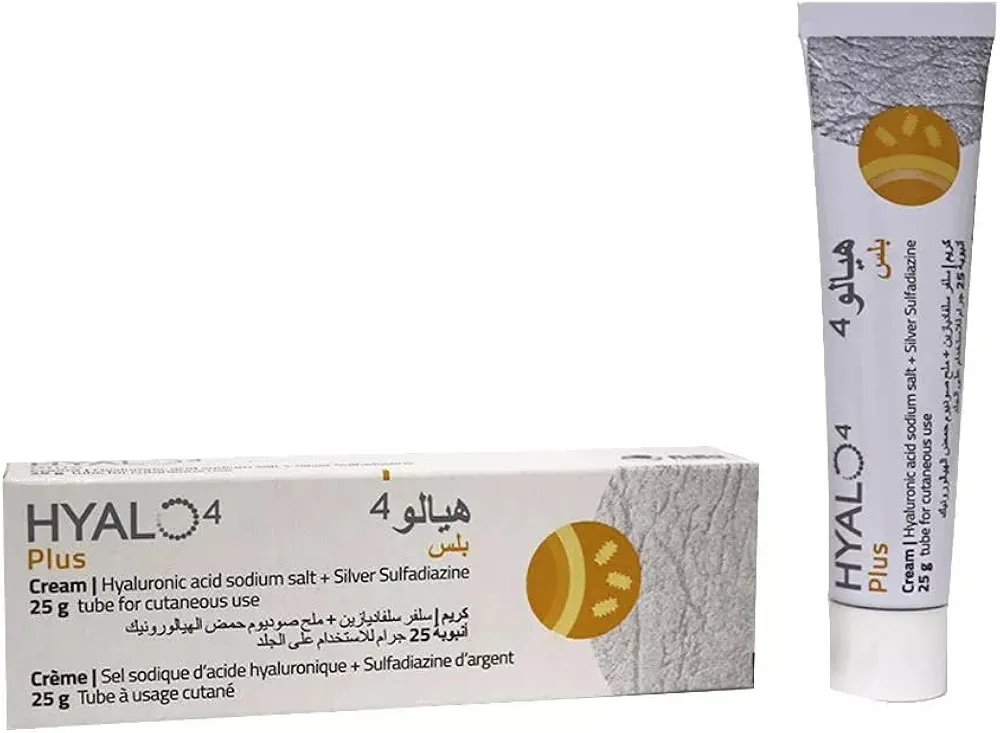
In the clinical management of Acanthosis Nigricans, therapeutic strategies primarily focus on addressing the underlying metabolic drivers, such as insulin resistance, while simultaneously managing the associated cutaneous hyperpigmentation and skin texture changes. While topical retinoids and keratolytics remain the standard of care for improving the appearance of affected plaques, clinicians may incorporate Hyalo4 plus cream / هيالو 4 بلس كريم 0.2% / 1% into the treatment regimen to support dermal repair and maintain skin barrier integrity, particularly in cases where friction or secondary irritation has compromised the integrity of the hyperkeratotic skin. By integrating Hyalo4 plus cream / هيالو 4 بلس كريم 0.2% / 1% alongside systemic metabolic interventions, our hospital system ensures a comprehensive approach that addresses both the pathological dermatological manifestations and the patient's overall skin health.