Clinical Assessment & Protocol
Typical Presentation (HPI)
EN: Patient with Stage IV pancreatic cancer reports 15% weight loss over 3 months, anorexia, and extreme fatigue. AR: مريض مصاب بسرطان البنكرياس في المرحلة الرابعة يبلغ عن فقدان 15% من وزنه خلال 3 أشهر، فقدان شهية، وتعب شديد.
General Examination
EN: Temporal muscle wasting, visible clavicular prominence, and generalized weakness. AR: ضمور العضلة الصدغية، بروز عظمة الترقوة، وضعف عام.
Treatment Protocol
EN: High-protein, calorie-dense oral nutritional supplements and anti-inflammatory support. AR: مكملات غذائية عالية البروتين وكثيفة السعرات الحرارية مع دعم مضاد للالتهابات.
Patient Education
EN: Frequent small meals and prioritizing protein intake to mitigate muscle wasting. AR: تناول وجبات صغيرة متكررة وإعطاء الأولوية لتناول البروتين لتقليل هزال العضلات.
Systemic & Specialized Examinations
EN: S1, S2 present. No murmurs. AR: صوتا القلب الأول والثاني طبيعيان. لا توجد نفخات.
EN: Lungs clear to auscultation. AR: الرئتان صافيتان عند التسمع.
EN: Abdomen soft, non-tender. AR: البطن لين ولا يوجد ألم.
EN: Alert, oriented x3. No focal deficits. AR: المريض واعي ومدرك. لا يوجد عجز عصبي بؤري.
EN: Unremarkable or not routinely indicated. AR: طبيعي أو غير مطلوب روتينياً.
EN: Unremarkable or not routinely indicated. AR: طبيعي أو غير مطلوب روتينياً.
EN: Unremarkable or not routinely indicated. AR: طبيعي أو غير مطلوب روتينياً.
EN: Unremarkable or not routinely indicated. AR: طبيعي أو غير مطلوب روتينياً.
EN: Unremarkable or not routinely indicated. AR: طبيعي أو غير مطلوب روتينياً.
Orthopedic & Trauma Assessments
EN: Unremarkable or not routinely indicated. AR: طبيعي أو غير مطلوب روتينياً.
EN: Unremarkable or not routinely indicated. AR: طبيعي أو غير مطلوب روتينياً.
Comprehensive Clinical Guide: Cachexia in Advanced Oncological Malignancy
1. Introduction and Overview
Cancer cachexia is a complex, multifactorial syndrome defined by an ongoing loss of skeletal muscle mass (with or without loss of fat mass) that cannot be fully reversed by conventional nutritional support and leads to progressive functional impairment. Unlike simple starvation, where the body adapts to preserve muscle mass, cachexia is characterized by an aberrant host response to the malignancy, involving systemic inflammation, negative protein and energy balance, and metabolic derangement.
It is estimated that up to 80% of patients with advanced gastrointestinal or lung malignancies will experience cachexia, contributing to approximately 20% to 30% of all cancer-related deaths. It is not merely a symptom of "wasting away"; it is a distinct clinical entity that compromises the patient’s tolerance to chemotherapy, surgical outcomes, and overall quality of life (QoL).
2. Pathophysiology and Mechanisms
The pathophysiology of cachexia is a symphony of systemic inflammation and metabolic dysregulation. It is driven by the interaction between tumor-derived factors and the host’s immune response.
The Role of Pro-inflammatory Cytokines
The hallmark of cachexia is a chronic systemic inflammatory state. Key mediators include:
* TNF-alpha: Inhibits muscle protein synthesis and promotes proteolysis via the ubiquitin-proteasome pathway.
* IL-6: A primary driver of the hepatic acute-phase response (e.g., C-reactive protein elevation) and muscle degradation.
* IL-1 and Interferon-gamma: Synergize with TNF-alpha to induce anorexia and metabolic shift.
Metabolic Alterations
| Metabolic Process | Cachectic State | Mechanism |
|---|---|---|
| Proteolysis | Significantly Increased | Activation of the Ubiquitin-Proteasome System (UPS) |
| Lipolysis | Significantly Increased | Increased hormone-sensitive lipase activity |
| Gluconeogenesis | Increased | Cori cycle acceleration/inefficient energy use |
| Protein Synthesis | Decreased | Inhibition of the mTOR pathway |
The Ubiquitin-Proteasome Pathway
The primary mechanism of muscle atrophy is the activation of the E3 ubiquitin ligases, specifically MuRF1 (Muscle RING-finger protein-1) and MAFbx/Atrogin-1. These enzymes tag myofibrillar proteins for degradation by the 26S proteasome, leading to the rapid loss of muscle mass that characterizes the syndrome.
3. Clinical Staging and Grading
The Fearon et al. classification system is the current gold standard for diagnosing and staging cachexia in clinical practice.
Stages of Cancer Cachexia
- Pre-cachexia: Weight loss ≤5%, anorexia, and metabolic changes (glucose intolerance, systemic inflammation).
- Cachexia: Weight loss >5% in the past 6 months, or BMI <20 and weight loss >2%, or sarcopenia and weight loss >2%.
- Refractory Cachexia: A stage of active catabolism where the malignancy is non-responsive to anti-cancer therapy, the patient has a low performance status (ECOG 3-4), and life expectancy is estimated at <3 months.
4. Clinical Presentation and Diagnostic Criteria
Standard Presentation
- Involuntary Weight Loss: Typically >5% over 6 months.
- Anorexia: Early satiety and loss of appetite, often refractory to nutritional counseling.
- Fatigue: Disproportionate to activity levels, often described as "debilitating."
- Muscle Wasting: Visible atrophy of the temporal, supraclavicular, and quadriceps muscles.
Diagnostic Workup
- Laboratory Assessment:
- CRP/Albumin Ratio: High CRP and low albumin are highly sensitive markers of the inflammatory state.
- Serum Ferritin/Transferrin: To rule out anemia of chronic disease.
- Hormonal Panel: Assessment of testosterone or IGF-1 levels if indicated.
- Imaging:
- CT/MRI (L3 Vertebra Level): The gold standard for measuring skeletal muscle index (SMI). A cross-sectional area at the L3 level is the most accurate surrogate for whole-body muscle mass.
- Functional Assessment:
- Handgrip Strength: A validated proxy for physical performance.
- ECOG/Karnofsky Performance Status: To determine the patient’s ability to tolerate intervention.
5. Differential Diagnosis
It is imperative to distinguish cachexia from other causes of weight loss:
* Simple Starvation: Characterized by adaptive metabolic slowing. In cachexia, the metabolic rate often remains high or normal despite caloric restriction.
* Malabsorption: Due to tumor obstruction or pancreatic insufficiency.
* Depression/Anxiety: Often presents with poor oral intake but lacks the systemic inflammatory markers of cachexia.
* Hyperthyroidism: Can mimic the catabolic state; thyroid function tests should be routine.
6. Clinical Management and Therapeutic Strategies
While no "magic bullet" exists, a multimodal approach is required.
Nutritional Support
- Counseling: Small, frequent, high-protein meals.
- Oral Nutritional Supplements (ONS): Specifically those enriched with Omega-3 fatty acids (EPA), which have been shown to modulate the inflammatory response.
Pharmacological Interventions
| Class | Agent | Mechanism |
|---|---|---|
| Progestogens | Megestrol Acetate | Appetite stimulation (Off-label/Palliative) |
| Corticosteroids | Dexamethasone | Short-term improvement in appetite/well-being |
| Anabolic Agents | Oxandrolone | Muscle protein synthesis support (Careful monitoring required) |
| Anti-inflammatories | NSAIDs/Omega-3 | Inhibition of cytokine-mediated pathways |
7. Risks, Side Effects, and Contraindications
- Megestrol Acetate: Increased risk of thromboembolic events and adrenal suppression.
- Corticosteroids: Long-term use leads to myopathy, hyperglycemia, and immunosuppression.
- Anabolic Steroids: Contraindicated in prostate cancer or patients with significant hepatic impairment.
- Nutritional Overfeeding: In late-stage refractory cachexia, aggressive parenteral nutrition can lead to fluid overload and metabolic distress without reversing muscle loss.
8. Prognosis
The prognosis for patients with clinical cachexia is generally poor. Cachexia is an independent predictor of mortality, even when controlling for tumor stage. The transition from "Cachexia" to "Refractory Cachexia" signifies a shift in clinical focus from aggressive intervention to symptom management and palliative care.
9. Frequently Asked Questions (FAQ)
1. Is cancer cachexia the same as starvation?
No. Starvation is an adaptive response to low caloric intake. Cachexia is a pathological response where the body refuses to utilize nutrients correctly due to systemic inflammation.
2. Can I reverse cachexia with a high-protein diet alone?
Unfortunately, no. While protein is necessary, the underlying inflammatory drivers (cytokines) prevent the body from effectively utilizing these nutrients for muscle repair.
3. What is the significance of the L3 vertebra scan?
The L3 level on a standard CT scan provides a reliable estimate of skeletal muscle mass. It is used in clinical trials and advanced practice to quantify sarcopenia accurately.
4. Are there any FDA-approved drugs for cachexia?
Currently, there is no single FDA-approved drug specifically labeled for the treatment of cancer cachexia, though many agents are used off-label.
5. Why do patients with cachexia have high CRP levels?
CRP is a marker of the systemic inflammatory response driven by cytokines like IL-6, which are elevated in response to the tumor’s presence.
6. Is exercise recommended for cachectic patients?
Yes, low-intensity, supervised resistance training is often encouraged to preserve functional capacity, provided the patient is stable.
7. Should I stop chemotherapy if a patient develops cachexia?
This is a clinical decision based on the stage of cachexia. In the "refractory" stage, the risks of chemotherapy often outweigh the benefits.
8. What is the role of Omega-3 fatty acids?
Omega-3 fatty acids (specifically EPA) may help reduce the systemic inflammatory response and stabilize weight, though evidence is still being refined.
9. Can cachexia cause edema?
Yes. As albumin levels drop and inflammatory processes increase, patients often develop peripheral edema, which can mask the true extent of weight loss.
10. How does cachexia impact surgical outcomes?
Cachectic patients have significantly higher rates of post-operative complications, including wound dehiscence, infection, and delayed recovery.
10. Conclusion
Cachexia in advanced oncological malignancy remains one of the most challenging aspects of supportive oncology. It requires a multidisciplinary team—including oncologists, dietitians, and palliative care specialists—to manage the patient’s metabolic, nutritional, and psychological needs. Early identification via standardized staging is critical to improving the patient’s functional trajectory and dignity throughout their oncological journey.
Related Clinical Integration
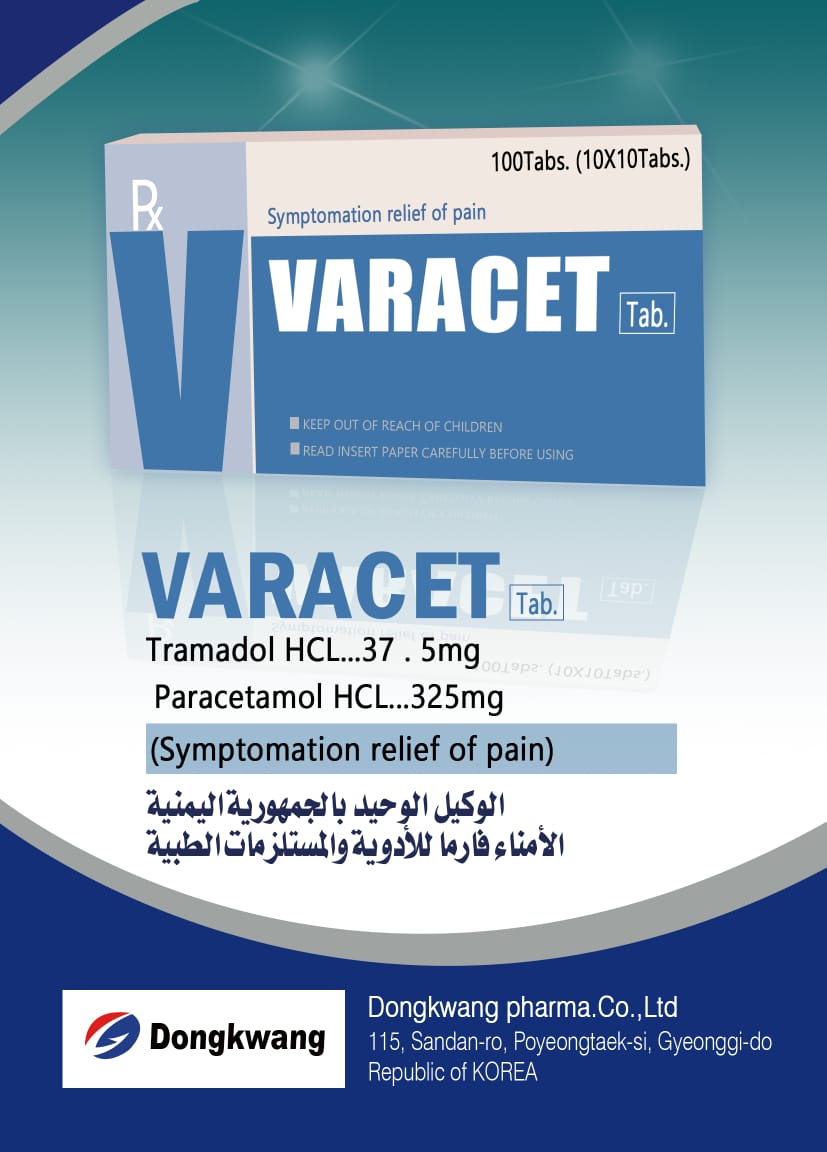
In the management of cachexia associated with advanced oncological malignancy, a multidisciplinary approach is essential to address both the underlying metabolic derangements and the associated symptom burden. Clinical care often necessitates the use of Corticosteroids, such as Dexamethasone, to stimulate appetite and improve overall well-being, while Enteral feeding formulas (e.g., polymeric, elemental, disease-specific) are utilized to provide necessary nutritional support when oral intake is insufficient. To manage the complex pain profiles frequently observed in these patients, clinicians may integrate Analgesics (e.g., Opioids, NSAIDs)—such as Tapentadol ER (Nucynta ER) / تابينتادول ممتد المفعول (نيوسينتا إي آر) 100mg or Buprenorphine Transdermal Patch (Butrans) / لصقة بوبرينورفين عبر الجلد (بوترانس) 10mcg/hr—alongside Anti-emetics (e.g., Ondansetron) like Ondansetron / أوندانسيترون 8mg to mitigate nausea. Furthermore, because cachectic patients are at higher risk for complications, supportive care may involve [Proton pump inhibitors (for stress ulcer prophylaxis)](https://yemenhealthos.com/ar/clinic/medications/proton-pump-inhibitors-for-stress-ulcer-prophylaxis-standard-9aaf3
Treatment & Management Options
Recommended Medications