Clinical Assessment & Protocol
Typical Presentation (HPI)
EN: Child with oculocutaneous albinism and recurrent pyogenic infections. AR: طفل يعاني من مهق عيني جلدي والتهابات قيحية متكررة.
General Examination
EN: Giant granules in leukocytes; nystagmus. AR: حبيبات عملاقة في الكريات البيض؛ رأرأة العين.
Treatment Protocol
EN: Stem cell transplant; high-dose Vitamin C. AR: زرع الخلايا الجذعية؛ جرعات عالية من فيتامين سي.
Patient Education
EN: Strict sun protection due to albinism. AR: الحماية الصارمة من الشمس بسبب المهق.
Systemic & Specialized Examinations
EN: S1, S2 present. No murmurs. AR: صوتا القلب الأول والثاني طبيعيان. لا توجد نفخات.
EN: Lungs clear to auscultation. AR: الرئتان صافيتان عند التسمع.
EN: Abdomen soft, non-tender. AR: البطن لين ولا يوجد ألم.
EN: Alert, oriented x3. No focal deficits. AR: المريض واعي ومدرك. لا يوجد عجز عصبي بؤري.
EN: Unremarkable or not routinely indicated. AR: طبيعي أو غير مطلوب روتينياً.
EN: Unremarkable or not routinely indicated. AR: طبيعي أو غير مطلوب روتينياً.
EN: Unremarkable or not routinely indicated. AR: طبيعي أو غير مطلوب روتينياً.
EN: Unremarkable or not routinely indicated. AR: طبيعي أو غير مطلوب روتينياً.
EN: Unremarkable or not routinely indicated. AR: طبيعي أو غير مطلوب روتينياً.
Clinical Comprehensive Guide: Chédiak-Higashi Syndrome (CHS)
1. Comprehensive Introduction & Overview
Chédiak-Higashi Syndrome (CHS) is an exceedingly rare, autosomal recessive multisystem disorder characterized by partial oculocutaneous albinism, recurrent pyogenic infections, and progressive neurological dysfunction. First described in the early 1940s, this condition is primarily a disorder of lysosomal trafficking.
The clinical hallmark of CHS is the presence of giant, peroxidase-positive cytoplasmic granules in leukocytes and other cells. These granules represent defective lysosomes and melanosomes that fail to undergo proper fission or fusion, leading to significant cellular dysfunction. Patients typically present in early childhood with a "triad" of symptoms: hypopigmentation, susceptibility to infections, and hematologic abnormalities. Left untreated, the condition almost invariably progresses to an "accelerated phase" (hemophagocytic lymphohistiocytosis), which is frequently fatal.
2. Deep-Dive: Technical Specifications & Pathophysiology
Etiology and Genetics
CHS is caused by mutations in the LYST gene (Lysosomal Trafficking Regulator), located on chromosome 1q42.2. The protein product, LYST (or CHS1), is a 429-kDa protein involved in the regulation of intracellular vesicle trafficking.
Cellular Mechanism
The pathophysiology hinges on the failure of lysosomal and melanosomal maturation. Because the LYST protein is essential for the fission of lysosomes, cells become burdened with giant, non-functional organelles.
| Cell Type | Impact of LYST Mutation |
|---|---|
| Melanocytes | Failure to transfer melanosomes to keratinocytes; results in hypopigmentation. |
| Neutrophils | Giant granules impair chemotaxis and bactericidal activity (phagolysosome fusion issues). |
| Natural Killer (NK) Cells | Defective degranulation prevents the release of perforin/granzyme. |
| Neurons | Accumulation of ceroid-lipofuscin in the central and peripheral nervous system. |
The Accelerated Phase
The most critical mechanism in CHS is the "Accelerated Phase," characterized by a cytokine storm triggered by a latent viral infection (often Epstein-Barr Virus). This leads to uncontrolled activation of T-lymphocytes and macrophages, resulting in hemophagocytic lymphohistiocytosis (HLH).
3. Extensive Clinical Indications & Presentation
The clinical presentation of Chédiak-Higashi Syndrome is heterogeneous, but generally follows a predictable progression.
Standard Clinical Presentation
- Oculocutaneous Albinism: Patients typically exhibit "silvery" hair, fair skin, and photophobia/nystagmus due to ocular pigmentary deficiency.
- Recurrent Infections: Patients suffer from frequent infections involving Staphylococcus aureus, Streptococcus pyogenes, and various fungi. These infections are often severe and involve the skin, respiratory tract, and mucous membranes.
- Neurological Involvement: Progressive peripheral neuropathy, ataxia, tremors, and cognitive decline.
- Hematological Abnormalities: Neutropenia is common, as are thrombocytopenia and anemia.
Clinical Staging
While not formally "staged" like cancer, CHS is categorized by its clinical status:
- Chronic/Stable Phase: Characterized by the baseline immunodeficiency and pigmentary findings. Patients may remain in this phase for varying periods if infections are managed aggressively.
- Accelerated Phase (HLH): A medical emergency. Clinical criteria include:
- Fever of unknown origin.
- Hepatosplenomegaly.
- Lymphadenopathy.
- Pancytopenia.
- Hyperferritinemia and elevated soluble CD25.
4. Diagnostic Protocols & Differential Diagnosis
Key Diagnostic Tests
Diagnosis is confirmed through a combination of clinical observation and laboratory verification.
- Peripheral Blood Smear: The gold standard screening tool. Presence of giant, peroxidase-positive azurophilic granules in neutrophils, monocytes, and lymphocytes.
- Genetic Testing: Molecular analysis of the LYST gene confirms the biallelic mutation.
- Bone Marrow Examination: Necessary to rule out or diagnose the accelerated phase (demonstrating hemophagocytosis).
- Hair Shaft Microscopy: Under polarized light, hair shafts show large, regular clumps of pigment.
Differential Diagnosis
Clinicians must distinguish CHS from other primary immunodeficiencies:
1. Griscelli Syndrome (Types 1, 2, and 3): Similar pigmentary changes, but lack the giant granules in leukocytes.
2. Hermansky-Pudlak Syndrome: Albinism and bleeding diathesis, but lacks the immune deficiency and giant granules.
3. Elejalde Syndrome: Similar to Griscelli, often associated with severe neurological involvement.
5. Risks, Side Effects, and Management Constraints
Standard Management
- Prophylactic Antibiotics: Essential for preventing pyogenic infections.
- Hematopoietic Stem Cell Transplantation (HSCT): The only curative treatment. It is highly recommended to perform HSCT as early as possible, preferably before the onset of the accelerated phase.
- Supportive Care: IVIG for immune support, aggressive treatment of viral infections, and physical therapy for neurological symptoms.
Contraindications and Risks
- Live Vaccines: Generally contraindicated in patients with known or suspected immunodeficiency.
- Delayed Transplantation: The primary risk factor for mortality is the delay of HSCT. Once the accelerated phase begins, the prognosis worsens significantly even with aggressive chemotherapy (etoposide/dexamethasone).
- Neurotoxicity: Some patients may show worsening neurological symptoms despite successful HSCT, as the CNS damage may be irreversible.
6. FAQ Section (Frequently Asked Questions)
Q1: Is Chédiak-Higashi Syndrome curable?
A: Yes, hematopoietic stem cell transplantation (HSCT) is considered a curative intervention, especially if performed before the onset of the accelerated phase.
Q2: What is the primary cause of death in CHS patients?
A: The most common cause of death is the accelerated phase (HLH), leading to multi-organ failure and overwhelming infection.
Q3: Can I identify CHS through routine blood work?
A: Yes, a peripheral blood smear will almost always reveal the diagnostic giant granules within leukocytes, which is a hallmark of the disease.
Q4: How does the LYST gene mutation affect the immune system?
A: The LYST mutation disrupts the movement of lysosomes, preventing immune cells like NK cells and cytotoxic T-cells from releasing their killing granules (perforin/granzyme), effectively "disarming" the immune system.
Q5: Is skin pigmentation always absent in CHS?
A: No, it is usually partial (oculocutaneous albinism). Patients often have fair skin and light-colored eyes, but they are not always completely devoid of pigment.
Q6: What is the role of the "Accelerated Phase"?
A: It is a hyper-inflammatory state triggered by immune activation. It mimics malignancy and requires rapid immunosuppression and subsequent transplant.
Q7: Are there neurological treatments for CHS?
A: Currently, there is no specific treatment to reverse the neurological damage caused by the accumulation of ceroid-lipofuscin; management is largely supportive.
Q8: Is CHS inherited?
A: Yes, it is an autosomal recessive disorder. Both parents must be carriers for a child to be at risk (25% risk per pregnancy).
Q9: What is the significance of the hair shaft exam?
A: It provides a rapid, non-invasive way to visualize the abnormal melanin distribution, which acts as a strong clinical indicator before genetic results are available.
Q10: Why are these patients prone to viral infections?
A: Because their NK cells and cytotoxic T-cells are defective in their ability to destroy virally infected cells, allowing viruses (like EBV) to replicate unchecked and trigger the HLH cytokine storm.
7. Prognosis and Long-Term Outlook
The prognosis for CHS has improved significantly with the advent of standardized HSCT protocols. Historically, most children did not survive past the age of 10. Today, patients who receive a successful transplant before the onset of the accelerated phase can achieve long-term survival.
However, patients must remain under the lifelong care of an immunologist and hematologist. Long-term monitoring for neurological progression is mandatory, as some patients may exhibit a slow, progressive decline in cognitive or motor function despite immune reconstitution. Future research is currently focusing on gene therapy, which may eventually provide a less invasive alternative to bone marrow transplantation.
Disclaimer: This guide is intended for informational and educational purposes for healthcare professionals. It does not replace the necessity for clinical judgment or the consultation of current institutional protocols and peer-reviewed literature. Medical decisions should always be based on the individual patient's status.
Related Clinical Integration
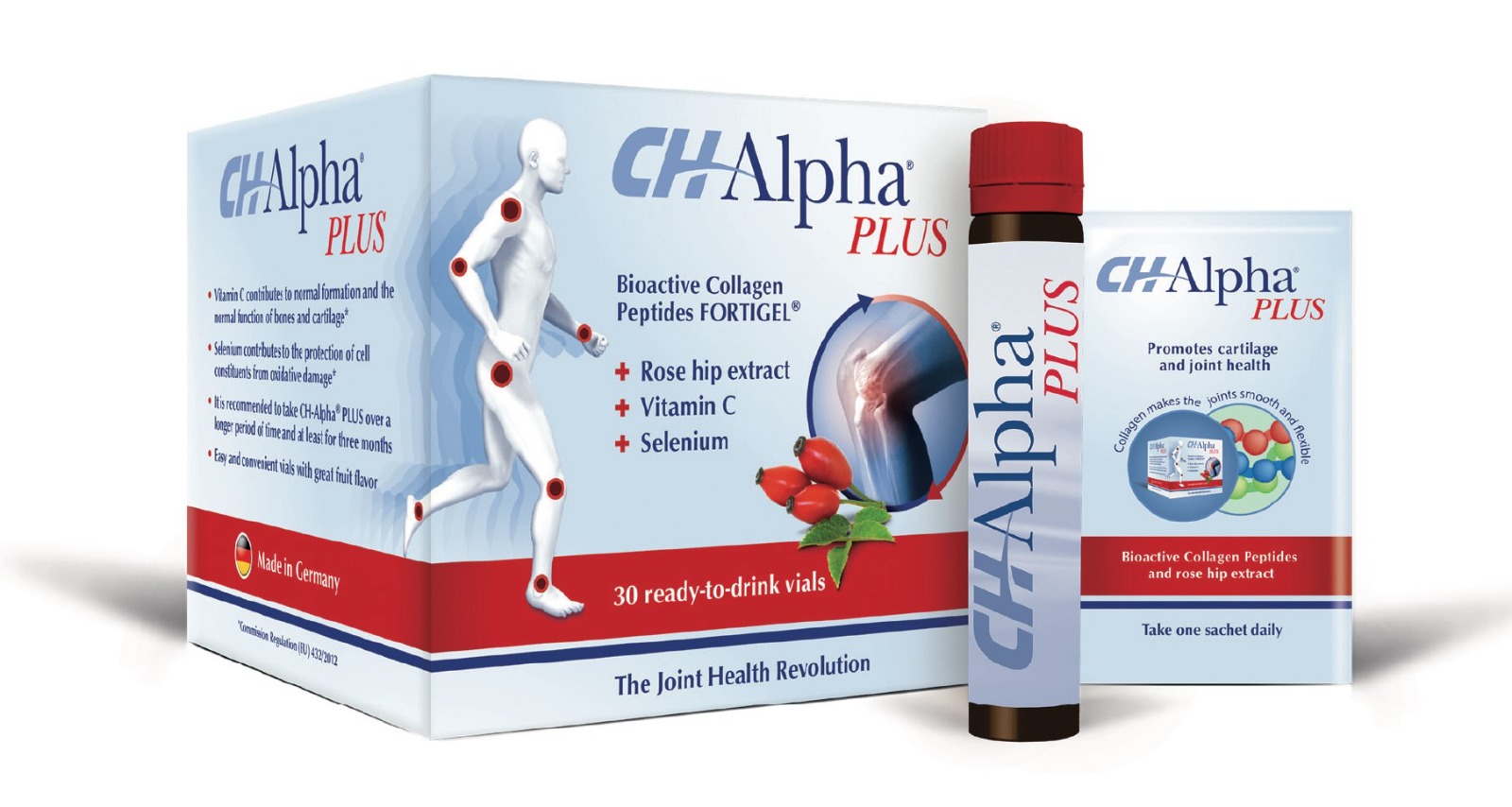
In the comprehensive management of Chédiak-Higashi Syndrome, clinical intervention must address both the underlying immunodeficiency and the associated ocular or neurological manifestations. Patients frequently require aggressive prophylactic and therapeutic regimens involving Antibiotics / المضادات الحيوية Standard to mitigate the high risk of recurrent pyogenic infections resulting from neutrophil dysfunction. Furthermore, given the syndrome's association with progressive neurological impairment and potential connective tissue involvement, supportive therapies such as CH Alpha plus / سي إتش ألفا بلس Hydrolysed Collagen FORTIGEL® 5g may be integrated into a multidisciplinary care plan to support structural health. In cases where patients present with severe ocular complications or require complex diagnostic evaluations of the retinal pigment epithelium, the use of a Surgical Operating Microscope / مجهر جراحي is essential for precise visualization and specialized surgical intervention.