Clinical Assessment & Protocol
Typical Presentation (HPI)
EN: Patient presents with loose, pendulous skin, particularly on the face and neck. AR: يعاني المريض من جلد مرتخٍ ومتدلٍ، خاصة في الوجه والرقبة.
General Examination
EN: Unremarkable or not routinely indicated. AR: طبيعي أو غير مطلوب روتينياً.
Treatment Protocol
EN: Symptomatic and surgical correction; monitoring for vascular complications. AR: علاج أعراض وتصحيح جراحي؛ مراقبة المضاعفات الوعائية.
Patient Education
EN: Genetic screening and regular cardiovascular monitoring are crucial. AR: الفحص الوراثي والمراقبة القلبية الوعائية المنتظمة ضروريان.
Systemic & Specialized Examinations
EN: S1, S2 present. No murmurs. AR: صوتا القلب الأول والثاني طبيعيان. لا توجد نفخات.
EN: Lungs clear to auscultation. AR: الرئتان صافيتان عند التسمع.
EN: Abdomen soft, non-tender. AR: البطن لين ولا يوجد ألم.
EN: Alert, oriented x3. No focal deficits. AR: المريض واعي ومدرك. لا يوجد عجز عصبي بؤري.
EN: Premature aging appearance, loose skin folds, and potential systemic involvement (emphysema, aneurysms). AR: مظهر شيخوخة مبكرة، طيات جلدية مرتخية، وتورط جهازي محتمل (انتفاخ الرئة، تمدد الأوعية الدموية).
EN: Unremarkable or not routinely indicated. AR: طبيعي أو غير مطلوب روتينياً.
EN: Unremarkable or not routinely indicated. AR: طبيعي أو غير مطلوب روتينياً.
EN: Unremarkable or not routinely indicated. AR: طبيعي أو غير مطلوب روتينياً.
EN: Unremarkable or not routinely indicated. AR: طبيعي أو غير مطلوب روتينياً.
Clinical Comprehensive Guide: Cutis Laxa (CL)
1. Comprehensive Introduction & Overview
Cutis Laxa (CL) represents a rare, heterogeneous group of connective tissue disorders characterized primarily by loose, pendulous, and inelastic skin. Unlike other elastopathies—such as Ehlers-Danlos syndrome, where skin hyperelasticity is a hallmark—the skin in Cutis Laxa lacks the "snap-back" recoil mechanism, causing it to hang in redundant, aged-appearing folds.
While the cutaneous manifestations are the most recognizable clinical feature, Cutis Laxa is fundamentally a systemic disorder. The underlying pathology involves the degradation or abnormal synthesis of elastic fibers, which are essential components of the extracellular matrix (ECM) in the skin, lungs, blood vessels, and gastrointestinal tract. Consequently, patients often present with multi-organ involvement, including pulmonary emphysema, diverticulosis, and life-threatening cardiovascular anomalies such as aortic aneurysms.
The Spectrum of Cutis Laxa
Cutis Laxa is classified based on the mode of inheritance:
* Autosomal Dominant Cutis Laxa (ADCL): Generally milder, often presenting with skin laxity and variable systemic involvement.
* Autosomal Recessive Cutis Laxa (ARCL): Subdivided into types I and II. Type I is the most severe, often involving pulmonary emphysema and severe vascular complications.
* X-linked Cutis Laxa (Occipital Horn Syndrome): A specific variant associated with copper metabolism defects.
2. Deep-Dive: Technical Specifications & Pathophysiology
The pathophysiology of Cutis Laxa centers on the disruption of elastic fiber homeostasis. Elastic fibers consist of an amorphous elastin core surrounded by a mantle of microfibrils (primarily fibrillin-1).
Molecular Mechanisms
The integrity of the ECM relies on a complex interplay of proteins. Mutations in the following genes have been identified as primary drivers:
* ELN (Elastin): Mutations lead to abnormal production or assembly of tropoelastin.
* FBLN5 (Fibulin-5): Essential for the anchoring of elastic fibers to the basement membrane.
* ATP7A: Associated with Menkes disease and Occipital Horn Syndrome; involves copper transport, which is a cofactor for lysyl oxidase (the enzyme required for cross-linking elastin).
* LTBP4 (Latent TGF-β Binding Protein 4): Dysregulation leads to aberrant TGF-β signaling, which is critical in tissue remodeling.
Histopathological Findings
A skin biopsy remains the gold standard for clinical confirmation. Key histological indicators include:
* Dermal Elastolysis: A profound reduction in the number and size of elastic fibers in the mid-to-lower dermis.
* Fragmentation: Remaining fibers often appear fragmented, granular, or "clumped."
* Orcein/Verhoeff-Van Gieson Staining: These stains reveal the paucity of elastic tissue, providing visual confirmation of the elastolytic process.
3. Clinical Indications & Standard Presentation
Clinical Presentation
The presentation varies significantly by age of onset and genetic subtype.
| Feature | Description |
|---|---|
| Skin Appearance | Redundant, inelastic, "bloodhound" facies, hanging folds. |
| Pulmonary | Early-onset emphysema, bronchiectasis, recurrent respiratory infections. |
| Cardiovascular | Aortic root dilation, pulmonary artery stenosis, hypertension. |
| Gastrointestinal | Inguinal/umbilical hernias, gastrointestinal diverticulosis. |
| Skeletal | Joint hypermobility, delayed fontanelle closure, occipital horns (in X-linked). |
Diagnostic Staging
There is no formal "staging" system like cancer, but clinicians categorize patients by phenotypic severity:
- Mild (Type ADCL): Primarily cosmetic skin concerns, minimal systemic involvement, normal life expectancy.
- Moderate (Type ARCL II/III): Skin involvement combined with developmental delays, skeletal abnormalities, and mild joint laxity.
- Severe (Type ARCL I): Systemic failure; dominated by severe pulmonary emphysema and cardiovascular fragility. Prognosis is guarded.
4. Risks, Side Effects, & Clinical Management
Risks and Comorbidities
The primary risks in Cutis Laxa are not the skin findings, but the internal organ involvement.
* Pulmonary Hypertension: Secondary to emphysema; requires aggressive monitoring.
* Vascular Rupture: Aortic or arterial aneurysms can be silent until a catastrophic event occurs.
* Anesthetic Risk: Patients with Cutis Laxa may have difficult airways or cardiac fragility, making surgical intervention high-risk.
Management Strategies
Currently, there is no curative therapy for Cutis Laxa. Management is strictly multidisciplinary:
* Dermatological: Plastic surgery (rhytidectomy) for severe skin redundancy, though recurrence is common.
* Pulmonary: Smoking cessation is non-negotiable; management of COPD-like symptoms.
* Cardiovascular: Serial echocardiography and MRA/CTA to monitor for vessel dilation. Beta-blockers or ARBs may be used to modulate TGF-β signaling in some subtypes.
* Physical Therapy: To support joints and maintain muscle tone.
5. Differential Diagnosis
Distinguishing Cutis Laxa from other connective tissue disorders is critical for prognosis:
- Ehlers-Danlos Syndrome (EDS): EDS patients have hyperelastic, "stretchy" skin that snaps back. CL skin is loose and inelastic.
- Pseudoxanthoma Elasticum (PXE): Characterized by "plucked chicken skin" (yellow papules) and calcification of elastic fibers.
- Geroderma Osteodysplasticum: Similar skin appearance but associated with severe osteoporosis and specific facial features.
- Acquired Cutis Laxa: Often follows inflammatory skin conditions (e.g., Sweet syndrome) or drug reactions.
6. FAQ: Frequently Asked Questions
1. Is Cutis Laxa the same as Ehlers-Danlos syndrome?
No. While both are connective tissue disorders, EDS is characterized by skin hyperextensibility (the skin stretches and snaps back), whereas Cutis Laxa is defined by a lack of recoil (the skin hangs loosely).
2. Can Cutis Laxa be cured?
There is no cure. Treatment is symptomatic and focuses on managing systemic complications such as cardiovascular disease and pulmonary issues.
3. Is it hereditary?
Yes. It can be inherited in an autosomal dominant, autosomal recessive, or X-linked pattern depending on the specific gene mutation involved.
4. What is the most dangerous complication of Cutis Laxa?
The most life-threatening complications are cardiovascular (aortic aneurysms) and pulmonary (early-onset emphysema).
5. Does plastic surgery work for the skin?
Plastic surgery can improve the aesthetic appearance of redundant skin folds, but because the underlying elastic fiber defect persists, the skin may continue to sag over time.
6. Are there specific tests to confirm the diagnosis?
Clinical diagnosis is supported by skin biopsy (showing elastolysis) and confirmed via genetic panel testing for mutations in genes like ELN, FBLN5, and ATP7A.
7. How often should a patient have cardiac screenings?
Patients should undergo baseline echocardiography and regular follow-ups (at least annually, or as directed by a cardiologist) to monitor for vascular dilation.
8. Is Cutis Laxa painful?
The skin itself is usually not painful. However, joint pain may occur due to hypermobility, and systemic issues (like hernias or pulmonary distress) can cause significant morbidity.
9. What is "Acquired" Cutis Laxa?
Acquired Cutis Laxa occurs later in life, often following a severe inflammatory episode, systemic illness, or drug exposure, rather than being present at birth due to genetic inheritance.
10. Where can families find support?
Organizations like the Ehlers-Danlos Society and various NORD (National Organization for Rare Disorders) resources provide support groups and updated clinical literature for families navigating these rare elastopathies.
7. Prognosis and Long-Term Outlook
The prognosis for Cutis Laxa is highly variable. Individuals with Autosomal Dominant Cutis Laxa generally have a normal life expectancy, with the condition primarily affecting quality of life through skin aesthetics. In contrast, Autosomal Recessive Cutis Laxa Type I carries a significantly poorer prognosis, with many individuals succumbing to pulmonary or cardiovascular complications during childhood or early adulthood.
Regular, proactive screening is the cornerstone of long-term care. By identifying cardiovascular dilation or pulmonary decline early, clinicians can implement medical interventions that stabilize the patient and optimize their functional status.
Summary Table: Clinical Roadmap
| Phase | Focus Area | Action Plan |
|---|---|---|
| Initial | Diagnosis | Genetic testing, Biopsy, Family History. |
| Baseline | Systemic Survey | Echo, PFTs (Pulmonary Function Tests), GI screening. |
| Maintenance | Monitoring | Annual Cardiology/Pulmonology reviews. |
| Crisis | Emergency | Immediate vascular imaging if chest/abdominal pain occurs. |
Disclaimer: This guide is for educational purposes for healthcare professionals and patients. It does not replace professional clinical judgment. Always consult with a geneticist or a specialist in connective tissue disorders for individual patient management.
Related Clinical Integration
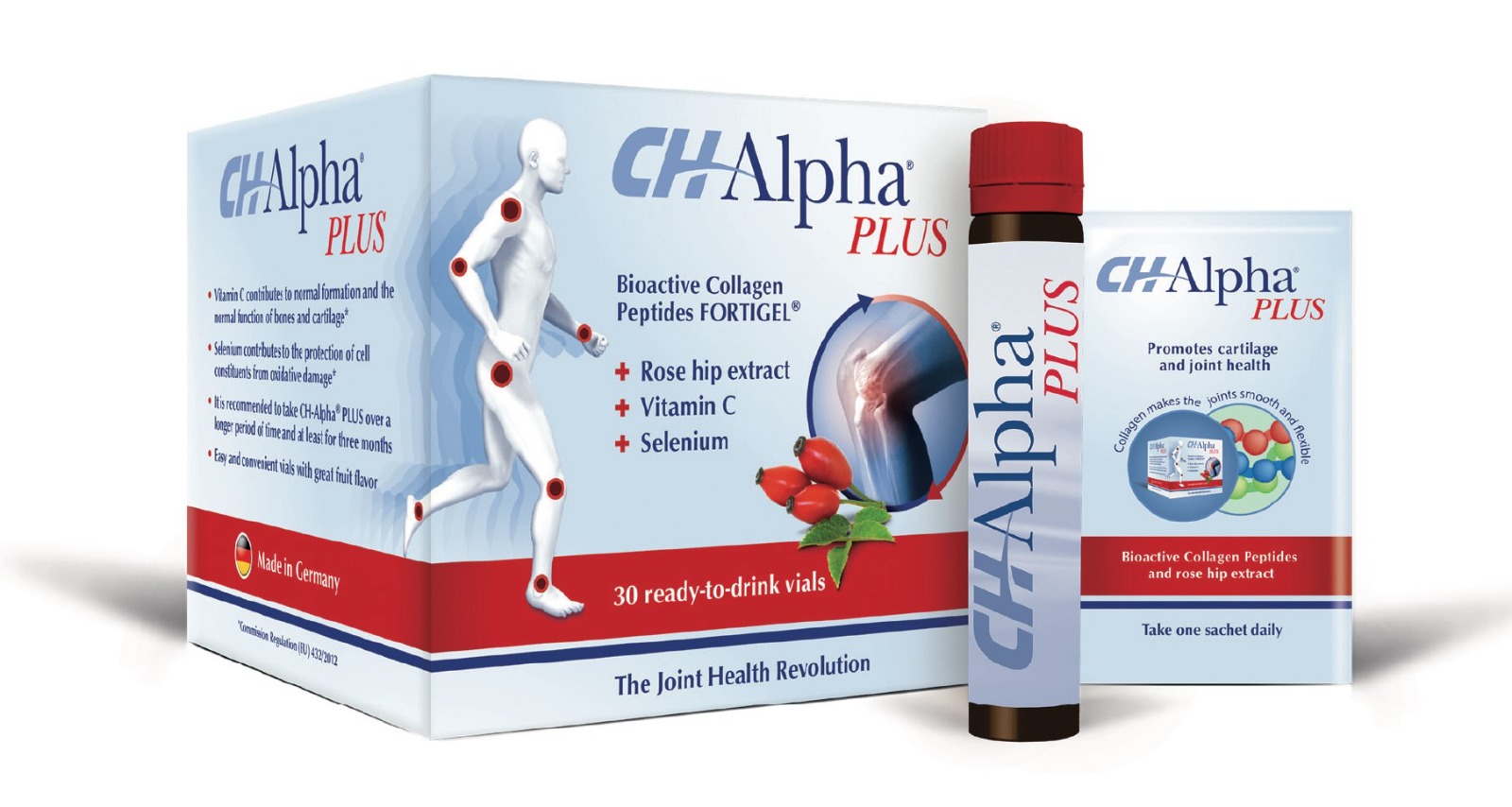
In the clinical management of Cutis Laxa, a multidisciplinary approach is essential for accurate diagnosis and supportive care. Diagnostic confirmation often necessitates Genetic Testing / الفحص الجيني (خدمات رعاية عامة) to identify underlying hereditary patterns, while a Skin Biopsy for Nerve Fiber Density / خزعة الجلد لتحديد كثافة الألياف العصبية (عملية صغرى في العيادة), performed using a Punch biopsy tool (various sizes) OR Scalpel (#15 blade) / أداة خزعة بالثقب (بأحجام مختلفة) أو مشرط (شفرة رقم 15), may be utilized to assess structural dermal integrity. For patients requiring surgical intervention, advanced instrumentation such as the Harmonic Scalpel / مشرط هارمونيك is preferred to minimize tissue trauma, and supportive nutritional therapy with CH Alpha plus / سي إتش ألفا بلس Hydrolysed Collagen FORTIGEL® 5g may be considered to assist in connective tissue maintenance. Clinicians are encouraged to review the broader context of connective tissue disorders and metabolic bone health within the Master ABOS Orthopedic Review: Metabolic Bone, Peds, Ehlers-Danlos, Psoriatic Arthritis | Part 27 to ensure comprehensive patient management.