Clinical Assessment & Protocol
Typical Presentation (HPI)
EN: Fluctuating muscle weakness that worsens with activity and improves with rest. AR: ضعف عضلي متذبذب يزداد سوءاً مع النشاط ويتحسن مع الراحة.
General Examination
EN: Unremarkable or not routinely indicated. AR: طبيعي أو غير مطلوب روتينياً.
Treatment Protocol
EN: Pyridostigmine, immunosuppressants, and thymectomy. AR: بيريدوستيجمين، مثبطات المناعة، واستئصال الغدة الزعترية.
Patient Education
EN: Avoidance of medications that exacerbate weakness (e.g., certain antibiotics). AR: تجنب الأدوية التي تزيد من ضعف العضلات (مثل بعض المضادات الحيوية).
Systemic & Specialized Examinations
EN: S1, S2 present. No murmurs. AR: صوتا القلب الأول والثاني طبيعيان. لا توجد نفخات.
EN: Lungs clear to auscultation. AR: الرئتان صافيتان عند التسمع.
EN: Abdomen soft, non-tender. AR: البطن لين ولا يوجد ألم.
EN: Ptosis, diplopia, and proximal muscle weakness. AR: تدلي الجفون، ازدواج الرؤية، وضعف العضلات القريبة.
EN: Unremarkable or not routinely indicated. AR: طبيعي أو غير مطلوب روتينياً.
EN: Unremarkable or not routinely indicated. AR: طبيعي أو غير مطلوب روتينياً.
EN: Unremarkable or not routinely indicated. AR: طبيعي أو غير مطلوب روتينياً.
EN: Unremarkable or not routinely indicated. AR: طبيعي أو غير مطلوب روتينياً.
EN: Unremarkable or not routinely indicated. AR: طبيعي أو غير مطلوب روتينياً.
Orthopedic & Trauma Assessments
EN: Unremarkable or not routinely indicated. AR: طبيعي أو غير مطلوب روتينياً.
EN: Unremarkable or not routinely indicated. AR: طبيعي أو غير مطلوب روتينياً.
Comprehensive Clinical Guide: Generalized Myasthenia Gravis (gMG)
1. Introduction and Clinical Overview
Generalized Myasthenia Gravis (gMG) is a chronic autoimmune neuromuscular junction disorder characterized by fluctuating weakness and pathological fatigability of skeletal muscles. Unlike Ocular Myasthenia Gravis (oMG), which is limited to the extraocular muscles, Generalized Myasthenia Gravis involves the bulbar, limb, and respiratory musculature, presenting a significant clinical challenge that requires multidisciplinary management.
The hallmark of the disease is the production of autoantibodies that target components of the postsynaptic membrane at the neuromuscular junction (NMJ). This disruption in synaptic transmission results in the characteristic "myasthenic fatigue"—weakness that worsens with sustained activity and improves with rest. With a prevalence of approximately 15–20 cases per 100,000 individuals, gMG remains a primary focus of neuroimmunology and clinical neurology.
2. Pathophysiology and Technical Mechanisms
The fundamental pathology of gMG lies in the humoral immune system's failure to recognize "self," leading to the destruction or blockage of receptors required for muscle contraction.
The Neuromuscular Junction (NMJ) Cascade
In a healthy state, an action potential reaches the presynaptic terminal, triggering the release of acetylcholine (ACh) into the synaptic cleft. ACh binds to acetylcholine receptors (AChR) on the postsynaptic membrane, inducing a conformational change that allows ion influx, leading to muscle depolarization.
In gMG, this process is interrupted by three primary mechanisms:
1. AChR Antibody-Mediated Destruction: The most common form (85% of cases), where IgG1 and IgG3 antibodies bind to AChRs, activating the complement cascade. This leads to the destruction of the postsynaptic folds, reducing the surface area available for binding.
2. MuSK (Muscle-Specific Kinase) Antibodies: Found in roughly 5–8% of patients. These antibodies interfere with the clustering of AChRs, preventing effective synaptic signaling.
3. LRP4 Antibodies: Low-density lipoprotein receptor-related protein 4 antibodies interfere with the agrin-LRP4-MuSK signaling pathway, further destabilizing the NMJ.
The Role of the Thymus
The thymus gland plays a central role in the pathogenesis of gMG. Approximately 75% of patients exhibit thymic abnormalities, including:
* Thymic Hyperplasia: Ectopic germinal centers mimicking peripheral lymphoid tissue.
* Thymoma: A neoplastic condition of the thymic epithelial cells, present in 10–15% of patients, which often correlates with more severe, high-titer AChR-antibody disease.
3. Clinical Presentation and Staging
Standard Clinical Presentation
Patients typically present with a constellation of symptoms that fluctuate in intensity throughout the day.
* Ocular: Ptosis (drooping eyelids) and diplopia (double vision).
* Bulbar: Dysarthria (slurred speech), dysphagia (difficulty swallowing), and fatiguing of the jaw muscles during mastication.
* Axial/Limb: Neck weakness (dropped head syndrome) and proximal weakness of the upper and lower extremities.
* Respiratory: Shortness of breath, particularly in the supine position or during physical exertion, which may progress to a Myasthenic Crisis.
The Myasthenia Gravis Foundation of America (MGFA) Clinical Classification
| Class | Description |
|---|---|
| Class I | Any ocular muscle weakness; may have weakness of eye closure. All other muscle strength is normal. |
| Class II | Mild weakness affecting other than ocular muscles; may also have ocular muscle weakness of any severity. |
| Class III | Moderate weakness affecting other than ocular muscles; may also have ocular muscle weakness of any severity. |
| Class IV | Severe weakness affecting other than ocular muscles; may also have ocular muscle weakness of any severity. |
| Class V | Defined by the need for intubation, with or without mechanical ventilation, except during routine postoperative management. |
4. Diagnostic Testing Protocols
Diagnosis of gMG requires a combination of clinical suspicion, serological verification, and electrophysiological testing.
Serological Testing
- AChR-Ab: High specificity. If positive, the diagnosis is confirmed.
- MuSK-Ab: Tested in AChR-negative patients.
- LRP4-Ab: Utilized in "double-seronegative" cases.
Electrophysiological Testing
- Repetitive Nerve Stimulation (RNS): A "decremental response" (a progressive decline in the amplitude of the compound muscle action potential) is the classic finding.
- Single-Fiber Electromyography (SFEMG): The most sensitive diagnostic test. It measures "jitter"—the variability in the time interval between two muscle fibers innervated by the same motor unit.
The Edrophonium (Tensilon) Test
Historically used, this test involves the administration of an acetylcholinesterase inhibitor to observe transient improvement in muscle strength. It is now largely replaced by serology and SFEMG due to the risk of cholinergic side effects (bradycardia, bronchospasm).
5. Risks, Contraindications, and Management
Myasthenic Crisis
A life-threatening complication where respiratory muscle weakness leads to the inability to maintain a patent airway or adequate ventilation. Precipitating factors include:
* Infections (pneumonia, URI).
* Surgery or physical trauma.
* Rapid tapering of immunosuppressive medications.
* Exposure to contraindicated medications.
Contraindicated Medications
Certain drugs can exacerbate myasthenic weakness by interfering with NMJ transmission:
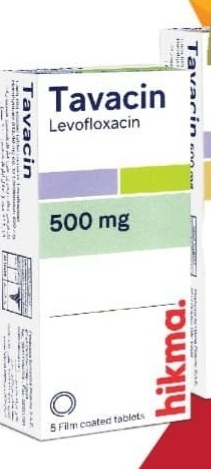
* Antibiotics: Aminoglycosides, fluoroquinolones, macrolides.
* Cardiovascular: Beta-blockers, calcium channel blockers, procainamide.
* Neurological: Magnesium sulfate, botulinum toxin, and certain neuromuscular blocking agents.
6. Long-Term Prognosis and Therapeutic Goals
The primary goal of gMG management is "Minimal Manifestation Status" (MMS)—a state where the patient has no symptoms or functional limitations while on or off medication.
Treatment Modalities
- Symptomatic: Acetylcholinesterase inhibitors (e.g., Pyridostigmine).
- Immunomodulatory: Corticosteroids (Prednisone) and steroid-sparing agents (Azathioprine, Mycophenolate Mofetil).
- Rapid Rescue: Plasmapheresis (PLEX) or Intravenous Immunoglobulin (IVIg) for crisis management.
- Surgical: Thymectomy, particularly for AChR-antibody positive patients under age 60.
- Biologics: Complement inhibitors (Eculizumab, Ravulizumab) and Neonatal Fc receptor (FcRn) blockers (Efgartigimod).
7. Extensive FAQ Section
1. Is Myasthenia Gravis hereditary?
No, gMG is not considered a hereditary genetic disease. However, there is a genetic predisposition, and patients often have a family history of other autoimmune disorders (e.g., thyroid disease, rheumatoid arthritis).
2. Can I live a normal life with gMG?
Yes. With modern therapeutic advancements, most patients achieve a high quality of life and reach a state of remission or minimal symptoms.
3. What is a "Myasthenic Crisis"?
It is a medical emergency requiring ICU admission, characterized by severe respiratory failure due to weakness of the diaphragm and intercostal muscles.
4. Why does my weakness fluctuate throughout the day?
Fluctuation is caused by the depletion of the limited pool of acetylcholine available at the NMJ during repeated muscle use. Rest allows for the replenishment of these vesicles.
5. Does thymectomy cure gMG?
It is not a guaranteed cure, but it is a standard of care for many patients. Data shows that thymectomy can lead to increased rates of drug-free remission, especially in younger patients with AChR-positive disease.
6. Are there specific diets for gMG patients?
There is no specific "MG diet," but patients with dysphagia should consume soft, moist foods and avoid large meals that cause fatigue during chewing.
7. Can stress trigger a flare-up?
Yes. Emotional and physical stress are well-documented triggers for exacerbations in gMG patients.
8. Is pregnancy safe for a woman with gMG?
Pregnancy is generally safe, but requires careful management. Some medications (like Mycophenolate) are teratogenic and must be discontinued prior to conception.
9. What is the difference between ocular and generalized MG?
Ocular MG is restricted to eye muscles. Generalized MG involves these plus bulbar (speech/swallow), limb, and respiratory muscles.
10. How long does it take for Pyridostigmine to work?
Pyridostigmine is a fast-acting medication; patients typically notice improvement in strength within 30 to 60 minutes after ingestion, with effects lasting 3 to 6 hours.
8. Clinical Summary Table: Differential Diagnosis
| Condition | Distinguishing Feature |
|---|---|
| Lambert-Eaton Syndrome | Strength improves with repeated activity; hyporeflexia. |
| Botulism | Descending paralysis, pupils often involved. |
| ALS | Upper and lower motor neuron signs; no fluctuation. |
| Thyroid Eye Disease | Proptosis; usually no fatiguing weakness. |
| Congenital Myasthenic Syndromes | Genetic, present in infancy, non-autoimmune. |
9. Conclusion
Generalized Myasthenia Gravis is a complex, multi-system autoimmune disorder that demands a nuanced approach to clinical care. By integrating rapid diagnostic testing, personalized immunosuppressive strategies, and vigilant monitoring for respiratory compromise, clinicians can effectively alter the trajectory of this disease. Advancements in complement-inhibition and targeted immunotherapy continue to improve the prognosis for patients, moving the standard of care from merely "managing symptoms" toward "achieving sustained remission."
Disclaimer: This guide is intended for educational and professional clinical reference purposes only. It does not replace professional medical advice, diagnosis, or treatment. Always consult with a board-certified neurologist for patient-specific management.
Related Clinical Integration
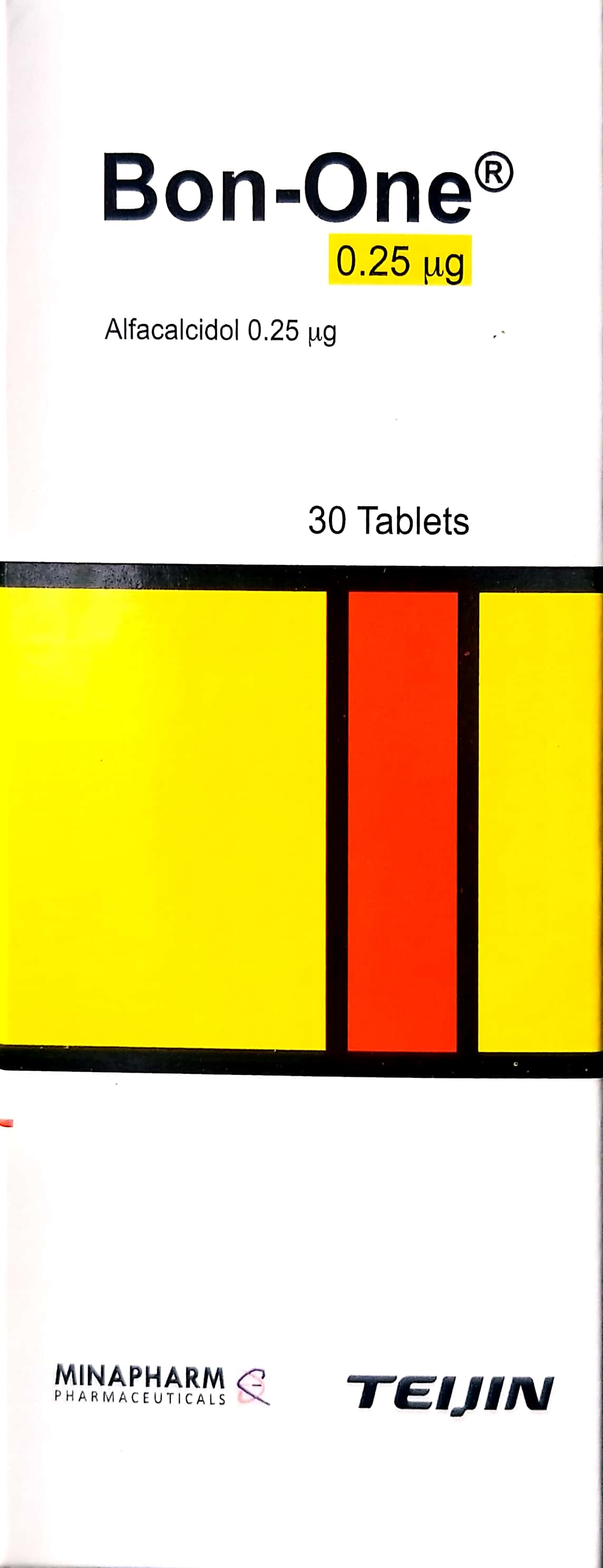
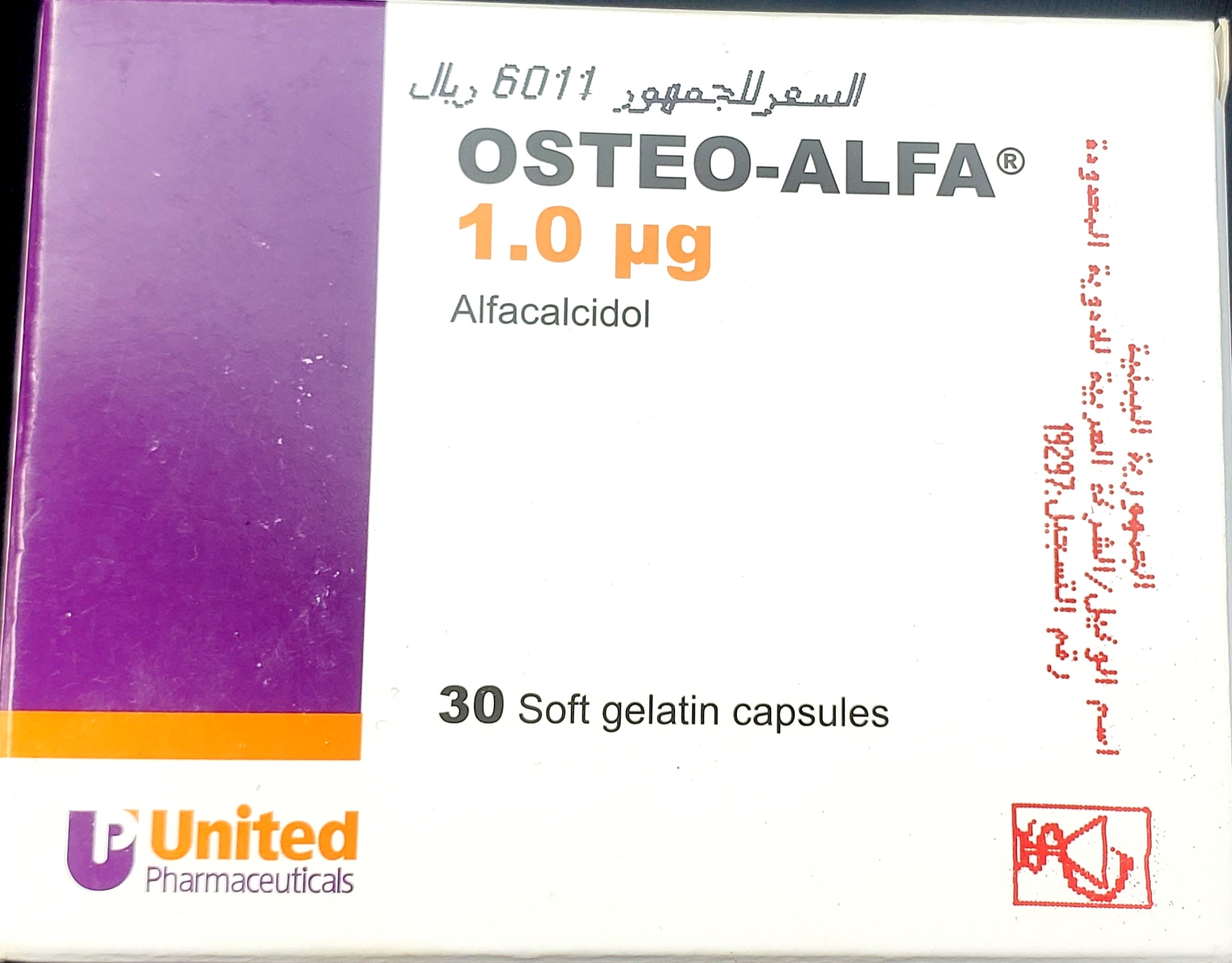
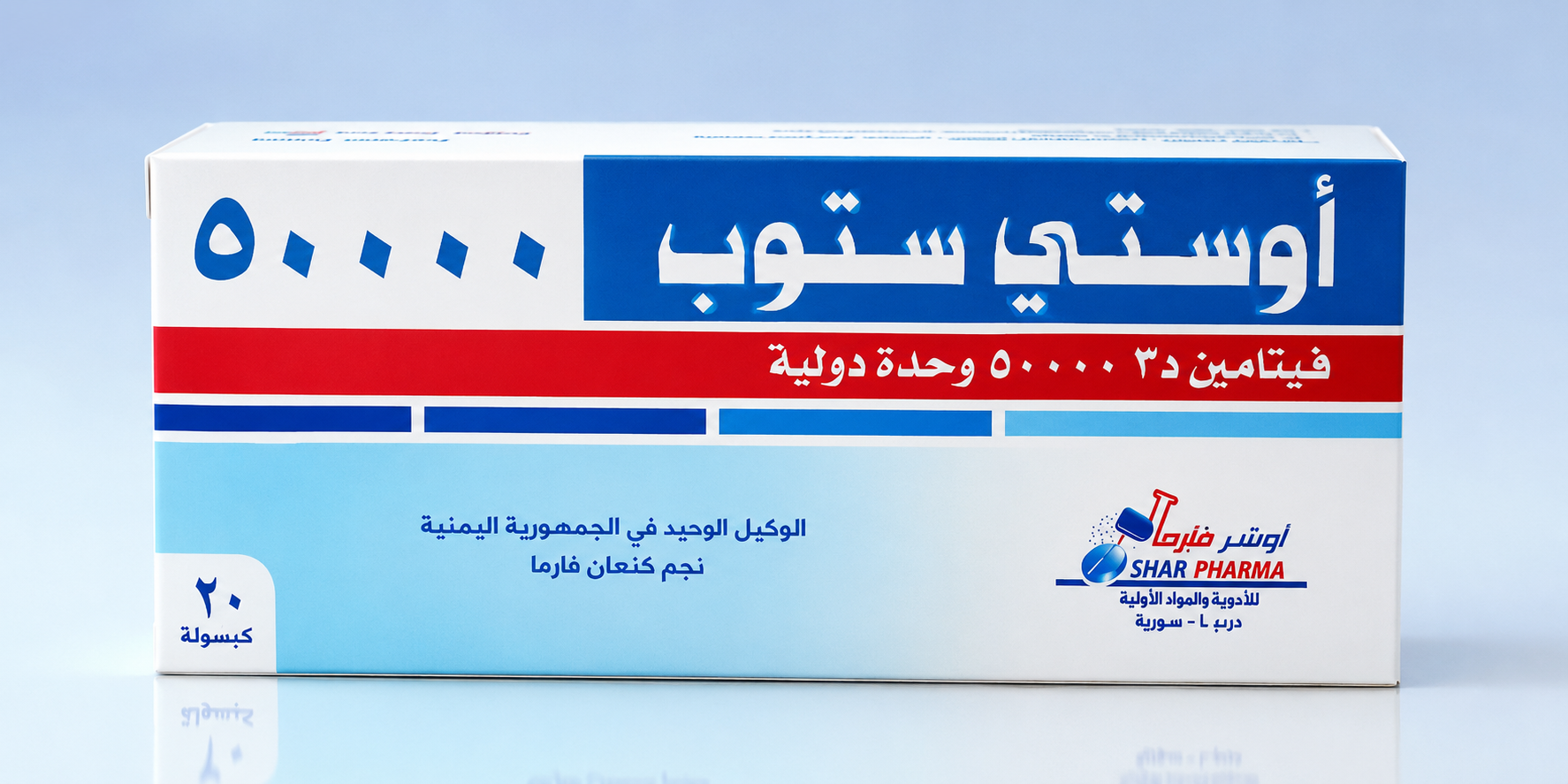
In the comprehensive management of Myasthenia Gravis (Generalized), clinical integration focuses on stabilizing neuromuscular transmission and mitigating the systemic effects of long-term immunosuppressive therapy. Patients often require Immunosuppressants (e.g., corticosteroids, azathioprine) / مثبطات المناعة (مثل، الكورتيكوستيرويدات، أزاثيوبرين) Standard or Corticosteroids / الكورتيكوستيرويدات Standard to modulate the autoimmune response, necessitating routine Renal function testing / اختبار وظائف الكلى (خدمات رعاية عامة) and Serum electrolyte monitoring / مراقبة كهارل المصل (خدمات رعاية عامة) to monitor for metabolic side effects. During acute exacerbations or myasthenic crises, hospital protocols prioritize respiratory support through Oxygen Administration / إعطاء الأكسجين (خدمات رعاية عامة) and rapid immunomodulation via Intravenous Immunoglobulin (IVIG) / الغلوبولين المناعي الوريدي (IVIG) Standard or Plasma exchange / تبادل البلازما Standard. Furthermore, because chronic steroid use impacts bone density, clinicians must proactively manage skeletal health using Calcium Carbonate + Cholecalciferol (Vitamin D3) Tablet / أقراص كربونات الكالسيوم + كولي كالسيفيرول (فيتامين د3) 500mg/400IU and [Alendronate / ألندرونات 70 mg](https://yemenhealthos.com/ar/clinic
Treatment & Management Options
Recommended Medications