Clinical Assessment & Protocol
Typical Presentation (HPI)
EN: Patient presents with blurred vision and 'floaters' in one eye. AR: المريض يشتكي من تشوش في الرؤية وظهور أجسام طافية في عين واحدة.
General Examination
EN: Unremarkable or not routinely indicated. AR: طبيعي أو غير مطلوب روتينياً.
Treatment Protocol
EN: Systemic pyrimethamine, sulfadiazine, and corticosteroids. AR: علاج جهازي يتضمن بيريميثامين، سلفاديازين، وكورتيكوستيرويدات.
Patient Education
EN: Explain that recurrences are common and follow-up is essential. AR: شرح أن حالات الانتكاس شائعة والمتابعة ضرورية جداً.
Systemic & Specialized Examinations
EN: S1, S2 present. No murmurs. AR: صوتا القلب الأول والثاني طبيعيان. لا توجد نفخات.
EN: Lungs clear to auscultation. AR: الرئتان صافيتان عند التسمع.
EN: Abdomen soft, non-tender. AR: البطن لين ولا يوجد ألم.
EN: Alert, oriented x3. No focal deficits. AR: المريض واعي ومدرك. لا يوجد عجز عصبي بؤري.
EN: Unremarkable or not routinely indicated. AR: طبيعي أو غير مطلوب روتينياً.
EN: Unremarkable or not routinely indicated. AR: طبيعي أو غير مطلوب روتينياً.
EN: Unremarkable or not routinely indicated. AR: طبيعي أو غير مطلوب روتينياً.
EN: Ophthalmoscopy shows a 'headlight in the fog' lesion: an active white retinochoroiditis lesion adjacent to an old scar. AR: فحص قاع العين يظهر آفة 'المصباح في الضباب': آفة التهاب شبكي مشيمي نشطة بجوار ندبة قديمة.
EN: Unremarkable or not routinely indicated. AR: طبيعي أو غير مطلوب روتينياً.
Comprehensive Clinical Guide: Ocular Toxoplasmosis
1. Introduction & Overview
Ocular toxoplasmosis represents the most frequent cause of infectious posterior uveitis globally. It is a sight-threatening inflammatory condition caused by the obligate intracellular protozoan parasite Toxoplasma gondii. While systemic toxoplasmosis is often asymptomatic or self-limiting in immunocompetent hosts, the ocular manifestation—specifically retinochoroiditis—can lead to permanent vision loss through chorioretinal scarring, macular involvement, or secondary complications like retinal detachment and glaucoma.
The parasite exhibits a unique tropism for the retina, where it forms tissue cysts that can remain dormant for years before reactivating. Clinical management requires a nuanced understanding of the parasite’s life cycle, the host’s immune response, and the delicate architecture of the posterior segment of the eye.
2. Etiology and Pathophysiology
The Parasite: Toxoplasma gondii
T. gondii is a coccidian parasite with a complex life cycle. The domestic cat serves as the definitive host, where sexual reproduction occurs in the intestinal epithelium. Humans become accidental intermediate hosts through:
* Ingestion of undercooked meat containing tissue cysts (bradyzoites).
* Ingestion of oocysts from contaminated water or soil (fecal-oral route).
* Vertical transmission (congenital toxoplasmosis).
Pathophysiological Mechanism
Upon ingestion, the parasite transforms into tachyzoites, which disseminate hematogenously. In the eye, tachyzoites invade retinal cells, leading to intracellular replication and subsequent cell lysis. This inflammatory cascade is characterized by:
1. Necrotizing Retinitis: The primary lesion, often described as a "headlight in the fog" due to overlying vitreous inflammation.
2. Choroiditis: As the parasite destroys the retina, the underlying choroid is involved via contiguous spread.
3. Cyst Formation: Surviving parasites transform into bradyzoites, forming dormant tissue cysts within the retina, which act as a reservoir for future recurrences.
| Phase | Pathological Event | Clinical Correlation |
|---|---|---|
| Acute | Tachyzoite replication/lysis | Active retinochoroiditis |
| Chronic | Bradyzoite encystment | Dormant phase/Scarring |
| Recurrence | Cyst rupture | Satellite lesion formation |
3. Clinical Staging and Presentation
Standard Presentation
Patients typically present with unilateral blurred vision, floaters, and photophobia. In the presence of macular involvement, central scotoma is a primary complaint.
Clinical Grading
The disease is often categorized by the morphology of the lesions:
* Active Lesions: White-yellow, fluffy, focal retinal infiltrates with indistinct borders.
* Inactve Lesions: Well-defined, hyperpigmented chorioretinal scars with atrophic centers.
* Satellite Lesions: New areas of active retinitis occurring at the border of an old, pigmented scar.
Diagnostic Classification
| Type | Presentation |
|---|---|
| Congenital | Often bilateral, large macular scars, frequently associated with microphthalmia. |
| Acquired | Typically unilateral, peripheral focal retinitis. |
4. Differential Diagnosis
Differentiating ocular toxoplasmosis from other causes of posterior uveitis is critical, as treatment modalities differ significantly.
- Viral Retinitis (CMV/ARN): Usually more progressive and necrotic; often associated with immunocompromise.
- Tuberculosis: Often presents with multifocal choroiditis; requires systemic workup.
- Sarcoidosis: Frequently presents with granulomatous anterior uveitis and "candle wax" exudates.
- Syphilitic Uveitis: The "great masquerader"; can mimic any form of uveitis.
- Bartonella henselae: Often associated with neuroretinitis (optic disc swelling + macular star).
5. Diagnostic Testing Protocols
Clinical Evaluation
- Slit-lamp Biomicroscopy: Assessing the severity of vitritis (the "headlight in the fog" phenomenon).
- Fundus Examination: Dilated examination to identify peripheral lesions.
Ancillary Testing
- Serology: IgG/IgM titers. A positive IgG confirms past exposure, but diagnosis is largely clinical.
- Optical Coherence Tomography (OCT): Essential for assessing macular edema and retinal thickness.
- Fundus Autofluorescence (FAF): Useful for delineating the extent of retinal pigment epithelium (RPE) damage.
- Aqueous Humor PCR: The gold standard for definitive diagnosis in atypical or severe cases. The Goldmann-Witmer coefficient (antibody production ratio) is also highly diagnostic.
6. Risks, Contraindications, and Management
Treatment Indications
Not all lesions require treatment. Therapy is indicated for:
* Lesions involving the macula or optic nerve.
* Lesions threatening the major vascular arcades.
* Severe vitritis obscuring the fundus view.
* Immunocompromised patients.
Standard Pharmacotherapy
- Triple Therapy: Pyrimethamine, Sulfadiazine, and Folinic acid.
- Alternative: Trimethoprim-Sulfamethoxazole (Bactrim) is frequently used due to better tolerability.
- Corticosteroids: Used only after initiation of anti-parasitic therapy to prevent unchecked parasite proliferation.
Contraindications
- Sulfonamide Allergy: Avoid Sulfadiazine/Bactrim.
- Bone Marrow Suppression: Pyrimethamine requires monitoring of CBC (thrombocytopenia/leukopenia).
- Pregnancy: Requires specialized infectious disease consultation (Spiramycin is often preferred).
7. Prognosis and Long-Term Outlook
The prognosis for vision is generally good in immunocompetent patients with peripheral lesions. However, recurrence is common, occurring in approximately 40-50% of patients within the first few years. Long-term monitoring is vital to detect secondary complications:
* Cystoid Macular Edema (CME).
* Retinal Detachment (due to vitreoretinal traction).
* Epiretinal Membrane (ERM) formation.
8. Frequently Asked Questions (FAQ)
1. Is ocular toxoplasmosis contagious?
No, it is not transmitted from person to person. It is acquired through environmental exposure or ingestion of cysts.
2. Why does the condition recur?
Recurrence is caused by the rupture of dormant bradyzoite cysts in the retina, which triggers a new inflammatory response.
3. Do I need to get rid of my cat?
Not necessarily. Good hygiene, keeping cats indoors, and avoiding contact with cat feces are sufficient to prevent primary infection.
4. Can ocular toxoplasmosis cause blindness?
Yes, if the lesion affects the macula (central vision) or if complications like retinal detachment occur.
5. How long does the active phase last?
Active inflammation typically persists for 6 to 12 weeks if left untreated.
6. Is surgery ever required?
Surgery is rarely indicated for the infection itself but may be necessary for complications like retinal detachment or dense vitreous opacities.
7. Can it happen in both eyes?
While often unilateral, it can be bilateral, especially in cases of congenital infection.
8. What is the role of steroids?
Steroids reduce inflammation but can cause the parasite to proliferate if used without anti-parasitic coverage.
9. Is a blood test enough for diagnosis?
No. Many people have positive IgG from past exposure. The diagnosis is clinical, supported by ocular imaging and, if necessary, aqueous humor analysis.
10. What is the most common symptom?
Patients most frequently report "floaters" and a decrease in visual acuity.
9. Conclusion
Ocular toxoplasmosis remains a cornerstone of posterior uveitis practice. While the parasite is widespread, the ophthalmic manifestation requires a vigilant approach to diagnosis and a disciplined strategy for treatment. By distinguishing active lesions from inactive scars and understanding the role of immune modulation, clinicians can effectively prevent the devastating consequences of this common parasitic infection.
Disclaimer: This guide is intended for educational and clinical reference purposes for healthcare professionals. It does not replace clinical judgment or institutional protocols. Always consult the latest Infectious Disease and Ophthalmology guidelines when managing individual patients.
Related Clinical Integration
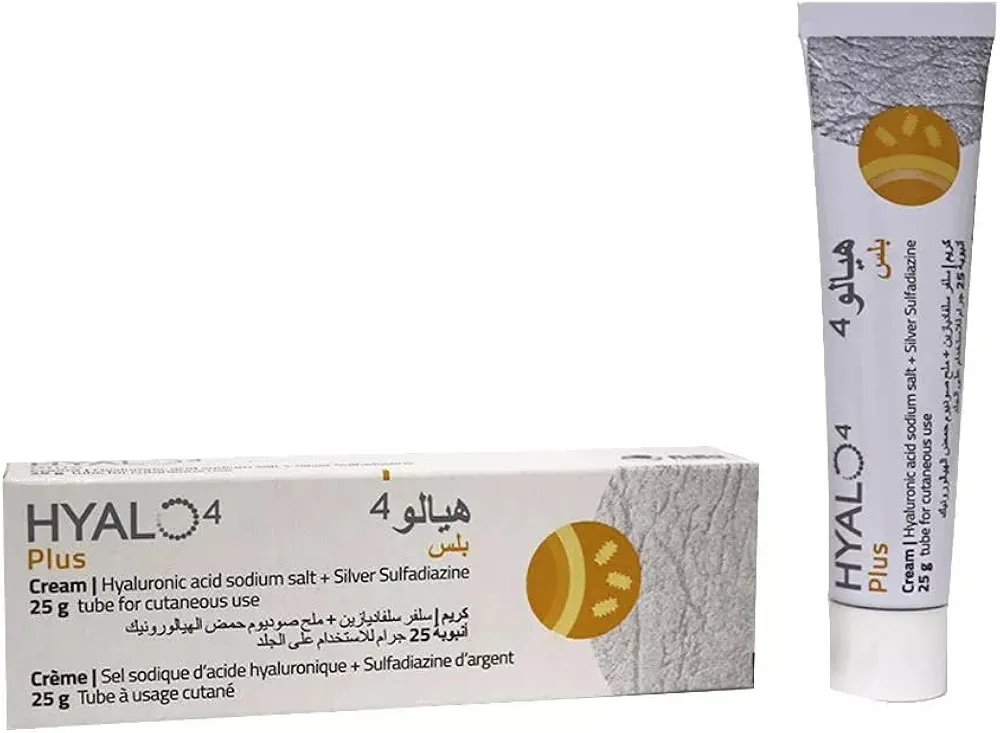
In the comprehensive management of ocular toxoplasmosis, clinical focus is primarily directed toward controlling the intraocular inflammatory response and addressing potential secondary complications; while systemic antiparasitic therapy remains the cornerstone of treatment, clinicians must also manage associated dermatological or ocular surface integrity issues that may arise during the patient's recovery phase. In instances where patients present with concurrent periorbital skin lesions or require adjunctive care for epithelial healing following ocular procedures, Hyalo4 plus cream / هيالو 4 بلس كريم 0.2% / 1% serves as a valuable therapeutic resource to support tissue repair and maintain skin barrier function. Integrating Hyalo4 plus cream / هيالو 4 بلس كريم 0.2% / 1% into the broader care plan ensures a holistic approach to patient recovery, bridging the gap between specialized ophthalmological intervention and essential supportive dermatological care within our hospital system.