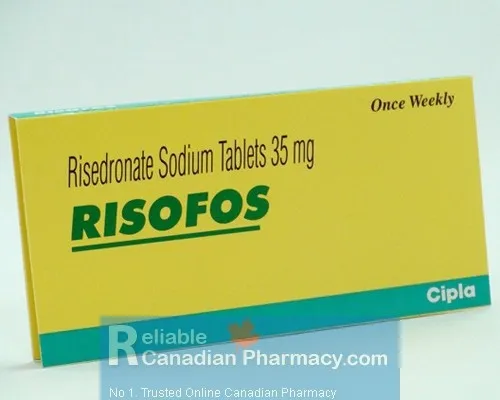
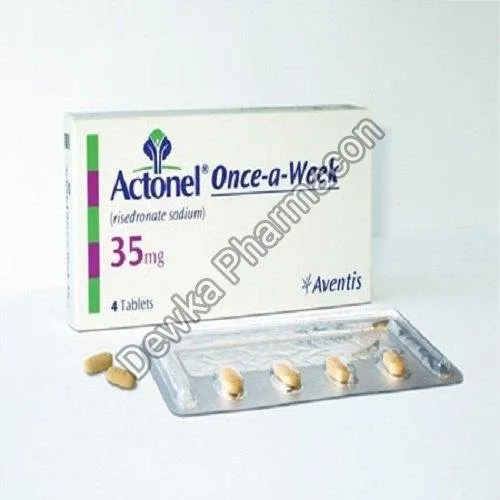
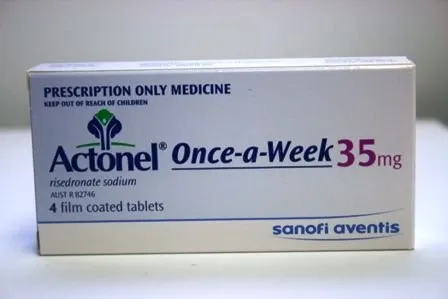

Comprehensive Guide to Actonel (Risedronate Sodium)
Actonel, known generically as risedronate sodium, is a potent third-generation bisphosphonate medication primarily utilized in the management and prevention of bone density loss. In the field of orthopedics and endocrinology, it serves as a cornerstone therapy for patients suffering from osteoporosis and Paget’s disease of bone. By inhibiting osteoclast-mediated bone resorption, Actonel helps restore the balance of bone remodeling, thereby reducing the risk of fragility fractures.
This guide provides a clinical deep-dive into the pharmacological profile, therapeutic applications, and safety considerations regarding risedronate therapy.
Technical Specifications and Mechanism of Action
Pharmacodynamics
Actonel belongs to the nitrogen-containing bisphosphonates. Unlike first-generation bisphosphonates, risedronate exerts its effects by inhibiting the mevalonate pathway. Specifically, it inhibits the enzyme farnesyl pyrophosphate synthase (FPPS) within osteoclasts.
- Mechanism: By inhibiting FPPS, Actonel prevents the prenylation of small GTPase signaling proteins (such as Ras, Rho, and Rac).
- Consequence: These proteins are essential for the formation of the ruffled border, cytoskeletal organization, and vesicle trafficking in osteoclasts. When these processes are disrupted, the osteoclast undergoes apoptosis (programmed cell death), leading to a cessation of bone resorption.
- Net Effect: A significant reduction in bone turnover markers (e.g., urinary N-telopeptide and serum bone-specific alkaline phosphatase), leading to a net gain in bone mineral density (BMD).
Pharmacokinetics
Understanding the absorption and distribution of risedronate is critical for patient counseling, particularly regarding administration instructions.
| Parameter | Clinical Characteristic |
|---|---|
| Bioavailability | Very low (approx. 0.6% under fasting conditions) |
| Protein Binding | Approximately 24% |
| Metabolism | Not metabolized systemically |
| Elimination | Renal excretion (approx. 50% of dose) |
| Half-life | Terminal half-life is estimated at 480 hours due to bone binding |
Clinical Indications and Usage
Actonel is indicated for a variety of conditions characterized by excessive bone resorption. It is essential that patients follow strict dosing protocols to ensure clinical efficacy and minimize gastrointestinal irritation.
Major Indications
- Postmenopausal Osteoporosis: Treatment and prevention of osteoporosis in women.
- Osteoporosis in Men: Treatment to increase bone mass in men with primary or hypogonadal osteoporosis.
- Glucocorticoid-Induced Osteoporosis (GIOP): Prevention and treatment in patients receiving long-term systemic glucocorticoids (prednisone equivalent ≥7.5 mg/day).
- Paget’s Disease of Bone: Treatment in patients who are at risk for complications or have elevated serum alkaline phosphatase levels.
Dosage Guidelines
The dosing schedule depends heavily on the specific indication.
- Daily: 5 mg tablet taken once daily.
- Weekly: 35 mg tablet taken once weekly.
- Monthly: 150 mg tablet taken once monthly.
Crucial Administration Rules:
* Timing: Take at least 30 minutes before the first food, beverage, or other medication of the day.
* Posture: Remain upright (sitting or standing) for at least 30 minutes after ingestion to prevent esophageal irritation.
* Liquid: Swallow whole with a full glass (6-8 oz) of plain water only.
Risks, Side Effects, and Contraindications
Contraindications
Patients should not be prescribed Actonel if they meet the following criteria:
* Hypocalcemia: Must be corrected before starting therapy.
* Esophageal Abnormalities: Strictures or achalasia that delay esophageal emptying.
* Inability to stand/sit upright: Patients unable to remain upright for 30 minutes post-dose.
* Hypersensitivity: Known allergy to risedronate or any component of the formulation.
* Severe Renal Impairment: Generally avoided if creatinine clearance is <30 mL/min.
Adverse Reactions
While generally well-tolerated, clinicians must monitor for:
* Gastrointestinal: Esophagitis, esophageal ulcers, or erosions.
* Musculoskeletal: Severe bone, joint, or muscle pain.
* Osteonecrosis of the Jaw (ONJ): Rare, but associated with long-term use and invasive dental procedures.
* Atypical Femur Fractures: Rare, low-energy fractures of the subtrochanteric or diaphyseal femur.
Pregnancy and Lactation
Actonel is classified as FDA Pregnancy Category C. There are no adequate studies in pregnant women. It should be used during pregnancy only if the potential benefit justifies the potential risk to the fetus. Bisphosphonates are incorporated into the bone matrix and are released gradually over periods of weeks to years; therefore, there is a theoretical risk of fetal harm if a woman becomes pregnant after a course of bisphosphonate therapy.
Overdose Management
In the event of an overdose, there is no specific antidote.
1. Management: Administer milk or antacids containing calcium, magnesium, or aluminum to bind the risedronate and reduce absorption.
2. Monitoring: Monitor for signs of hypocalcemia (e.g., tetany, paresthesia).
3. Supportive Care: Due to the risk of esophageal irritation, do not induce vomiting.
Frequently Asked Questions (FAQ)
1. What happens if I miss a dose of Actonel?
If you miss a 35 mg weekly dose, take it the morning after you remember and then return to your original schedule. Do not take two tablets on the same day.
2. Can I take Actonel with coffee or tea?
No. Actonel must be taken with plain water only. Coffee, tea, juice, or mineral water can significantly reduce absorption.
3. How long should I stay on Actonel?
The duration of therapy is determined by your physician. Recent data suggest that "drug holidays" may be appropriate after 3–5 years of treatment for low-risk patients.
4. Is there a link between Actonel and jaw problems?
There is a rare risk of Osteonecrosis of the Jaw (ONJ). It is recommended to have a dental exam before starting treatment and maintain good oral hygiene.
5. Does Actonel cause weight gain?
No, weight gain is not a recognized side effect of risedronate.
6. Can I take Actonel if I have kidney disease?
Actonel is not recommended for patients with severe renal impairment (creatinine clearance < 30 mL/min). Always consult your nephrologist.
7. Why must I stay upright after taking Actonel?
Because the medication is highly acidic and can cause severe irritation or ulceration of the esophagus if it refluxes back into the throat.
8. Is Actonel a hormone?
No, Actonel is a non-hormonal bisphosphonate. It does not provide the same benefits or carry the same risks as hormone replacement therapy (HRT).
9. Should I take calcium supplements while on Actonel?
Yes, if your dietary intake is insufficient. However, take calcium supplements at a different time of day (at least 2 hours apart) to ensure both are properly absorbed.
10. Can I break or crush the Actonel tablet?
No. Actonel tablets must be swallowed whole to prevent direct contact with the esophageal lining. Crushing the tablet releases the drug prematurely in the esophagus.
Disclaimer: This guide is for educational purposes only and does not constitute medical advice. Always seek the counsel of a licensed physician or orthopedic specialist regarding your specific health condition or medication regimen.