

Comprehensive Guide to Adol: Indications, Dosage, and Clinical Safety
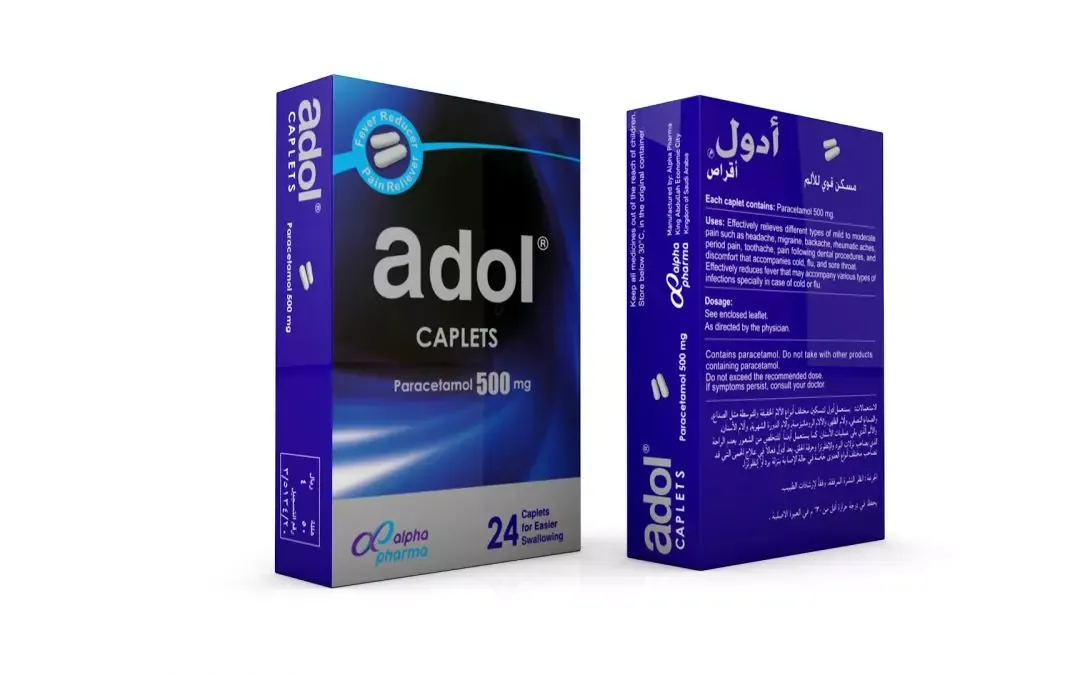
Adol is a widely recognized brand name for Paracetamol (Acetaminophen), one of the most essential medications in modern medicine. As an orthopedic specialist, I frequently encounter patients utilizing Adol for the management of mild to moderate musculoskeletal pain and febrile conditions. Due to its favorable safety profile when used correctly, it remains the first-line analgesic and antipyretic for patients of all ages.
This guide provides a clinical deep-dive into the pharmacodynamics, pharmacokinetics, and safety protocols associated with Adol.
1. Technical Specifications and Mechanism of Action
To understand why Adol is so effective, one must look at its pharmacological profile. Unlike Non-Steroidal Anti-Inflammatory Drugs (NSAIDs), Adol has minimal anti-inflammatory properties, making it a unique therapeutic agent.
The Mechanism of Action
The exact mechanism of action for Adol is still a subject of ongoing research; however, the prevailing theory involves the following:
- Central Nervous System (CNS) Inhibition: Adol is believed to inhibit the synthesis of prostaglandins in the CNS. By acting on the cyclooxygenase (COX) enzymes within the brain, it effectively raises the pain threshold.
- Antipyretic Action: It acts directly on the hypothalamic heat-regulating center, promoting peripheral vasodilation and sweating, which facilitates heat dissipation to lower body temperature.
- Weak Peripheral COX Inhibition: Unlike aspirin or ibuprofen, Adol has very little effect on peripheral cyclooxygenase, which explains its lack of significant anti-inflammatory effects and its relative safety regarding gastric mucosal integrity.
Pharmacokinetics
Understanding how Adol moves through the body is crucial for clinical dosing:
| Feature | Description |
|---|---|
| Absorption | Rapidly and almost completely absorbed from the gastrointestinal tract. |
| Bioavailability | High (70%–90%). |
| Distribution | Distributed throughout most body tissues; crosses the blood-brain barrier. |
| Metabolism | Primarily hepatic via glucuronidation and sulfation. |
| Half-life | Approximately 1.5 to 3 hours in adults with healthy liver function. |
| Excretion | Primarily renal as inactive metabolites. |
2. Clinical Indications and Usage
Adol is indicated for the temporary relief of pain and the reduction of fever. In orthopedic practice, it is often prescribed to manage chronic pain conditions where long-term NSAID use is contraindicated due to cardiovascular or gastrointestinal risks.
Primary Indications
- Musculoskeletal Pain: Relief of back pain, osteoarthritis, muscle aches, and minor sports injuries.
- Headaches: Tension headaches and migraines.
- Febrile States: Reducing fever associated with common colds, influenza, and post-vaccination reactions.
- Dental Pain: Relief of discomfort following dental procedures.
- Dysmenorrhea: Management of menstrual cramps.
3. Dosage Guidelines
Dosage is strictly weight and age-dependent. Exceeding the recommended daily dose is the most common cause of hepatotoxicity.
Adult Dosage
- Standard Dose: 500mg to 1,000mg every 4 to 6 hours.
- Maximum Daily Dose: Do not exceed 4,000mg (4 grams) in any 24-hour period.
- Important: Always allow at least 4 hours between doses.
Pediatric Dosage
- Dosing is determined by the child’s weight.
- General Guideline: 10mg to 15mg per kg of body weight per dose.
- Frequency: Every 4 to 6 hours, not exceeding 5 doses in 24 hours.
- Note: Always consult a pediatrician or pharmacist to confirm the exact concentration of the pediatric suspension, as concentrations vary.
4. Risks, Side Effects, and Contraindications
While Adol is remarkably safe when used according to label instructions, it carries specific risks, particularly regarding liver health.
Contraindications
- Hypersensitivity: Patients with a known allergy to Paracetamol.
- Severe Hepatic Impairment: Patients with active liver disease or severe hepatic failure.
- Chronic Alcoholism: Regular alcohol consumption increases the risk of paracetamol-induced hepatotoxicity.
Common Side Effects
While rare, side effects can include:
* Skin rashes or allergic reactions (urticaria).
* Nausea or vomiting.
* Hematological changes (very rare, such as neutropenia or thrombocytopenia).
Pregnancy and Lactation
- Pregnancy: Adol is generally considered the analgesic of choice during pregnancy when used at the lowest effective dose for the shortest duration.
- Lactation: It is excreted in breast milk in low concentrations and is considered compatible with breastfeeding.
5. Overdose Management
An overdose of Adol is a medical emergency. The primary risk is acute liver failure due to the accumulation of a toxic metabolite called NAPQI (N-acetyl-p-benzoquinone imine).
Signs of Overdose
- Early stages (0–24 hours): Nausea, vomiting, pallor, and sweating.
- Later stages (24–72 hours): Right upper quadrant abdominal pain (liver tenderness).
- Critical stage (72–96 hours): Jaundice, coagulopathy, and encephalopathy.
Immediate Action
If an overdose is suspected, seek emergency medical care immediately, even if the patient feels well. The antidote, N-acetylcysteine (NAC), is most effective when administered within 8 hours of ingestion.
6. Frequently Asked Questions (FAQ)
1. Can I take Adol with other medications?
Yes, but be careful. Many cold and flu medications also contain paracetamol. Taking them together can lead to an accidental overdose. Always check the active ingredients list.
2. Is Adol an anti-inflammatory drug?
No. Adol is an analgesic (pain reliever) and antipyretic (fever reducer). It does not significantly reduce inflammation, unlike Ibuprofen or Naproxen.
3. How long does it take for Adol to work?
Typically, you will feel relief within 30 to 60 minutes after oral ingestion.
4. Can I drink alcohol while taking Adol?
Occasional, light alcohol consumption is generally safe, but chronic heavy alcohol use significantly increases the risk of liver damage when taking Adol.
5. Is it safe to take Adol on an empty stomach?
Yes, Adol is generally gentle on the stomach and does not require food intake, unlike many NSAIDs.
6. What should I do if I miss a dose?
Take it as soon as you remember. However, if it is almost time for your next dose, skip the missed dose and resume your regular schedule. Never double the dose.
7. Why is there a maximum limit for Adol?
The liver processes Adol. Excessive amounts overwhelm the liver's ability to neutralize the drug, leading to the production of toxic metabolites that cause permanent liver tissue damage.
8. Can children take adult Adol tablets?
No. Adult tablets are often too concentrated for children. Always use pediatric-specific formulations (drops or syrups) and dose according to the child's weight.
9. Does Adol cause drowsiness?
No, Adol does not contain sedative properties. If you feel drowsy, it is likely due to the underlying condition (like the flu) rather than the medication.
10. How should I store Adol?
Store at room temperature, away from moisture, heat, and direct light. Keep it out of reach of children to prevent accidental ingestion.
Disclaimer: This guide is for educational purposes only and does not constitute medical advice. Always consult with a licensed healthcare professional or pharmacist before starting any new medication regimen.