


Comprehensive Guide to Advil (Ibuprofen): Clinical Overview
Advil, the brand name for ibuprofen, is one of the most widely utilized non-steroidal anti-inflammatory drugs (NSAIDs) globally. As an orthopedic specialist, I frequently encounter patients relying on Advil for the management of musculoskeletal pain, inflammation, and fever. While it is available over-the-counter (OTC), it is a potent pharmaceutical agent that requires a nuanced understanding of its pharmacodynamics and safety profile to ensure effective therapeutic outcomes while minimizing risk.
Mechanism of Action: The Science Behind the Relief
To understand how Advil works, one must look at the biochemical pathways of inflammation and pain. Ibuprofen acts primarily by inhibiting the cyclooxygenase (COX) enzymes.
The COX Pathway
There are two primary isoforms of the cyclooxygenase enzyme:
* COX-1: Constitutively expressed in most tissues, playing a vital role in maintaining gastric mucosal integrity, renal blood flow, and platelet aggregation.
* COX-2: Induced primarily at sites of inflammation by cytokines and other mediators.
Advil functions as a non-selective inhibitor of both COX-1 and COX-2. By inhibiting these enzymes, ibuprofen prevents the conversion of arachidonic acid into prostaglandins—lipid compounds that mediate pain, fever, and inflammation. The reduction of prostaglandin synthesis at the site of peripheral injury is what provides the potent analgesic and anti-inflammatory effects associated with Advil.
Pharmacokinetics
Understanding how the body processes Advil is essential for dosing intervals and therapeutic efficacy.
| Feature | Description |
|---|---|
| Absorption | Rapidly absorbed from the gastrointestinal tract; peak plasma concentrations occur in 1–2 hours. |
| Protein Binding | Highly bound to plasma proteins (approx. 99%). |
| Metabolism | Primarily hepatic via oxidation to inactive metabolites. |
| Half-life | Approximately 2 hours. |
| Excretion | Primarily renal (90% excreted in urine as metabolites). |
Detailed Clinical Indications
Advil is indicated for a variety of conditions, particularly those involving inflammation and acute pain. In orthopedic practice, it is a cornerstone of multimodal pain management.
Common Indications
- Musculoskeletal Pain: Relief of mild-to-moderate pain related to backaches, strains, sprains, and minor injuries.
- Inflammatory Conditions: Symptomatic management of rheumatoid arthritis, osteoarthritis, and ankylosing spondylitis.
- Dysmenorrhea: Reduction of primary dysmenorrhea symptoms by inhibiting uterine prostaglandin synthesis.
- Fever Reduction: Antipyretic action for the management of febrile states.
- Tension Headaches: Effective for the relief of minor aches associated with headaches.
Dosage Guidelines and Administration
Advil is available in various strengths, including 200mg (standard OTC) and prescription-strength formulations (400mg, 600mg, and 800mg).
General Dosage Recommendations
- Adults: The typical OTC dose is 200mg to 400mg every 4 to 6 hours as needed. Do not exceed 1,200mg in a 24-hour period unless directed by a physician.
- Pediatrics: Dosage is weight-based. Always consult a pediatrician before administering to children under 12.
- Administration: It is highly recommended to take Advil with food, milk, or an antacid to mitigate potential gastric irritation.
Risks, Side Effects, and Contraindications
While Advil is highly effective, it is not without risks. Chronic use or improper dosing can lead to significant systemic complications.
Common Side Effects
- Gastrointestinal: Nausea, dyspepsia, heartburn, constipation, or diarrhea.
- Central Nervous System: Mild dizziness or headache.
Serious Risks (Black Box Warnings)
- Cardiovascular Risk: Increased risk of serious cardiovascular thrombotic events, including myocardial infarction and stroke, particularly with long-term use.
- Gastrointestinal Risk: Increased risk of serious GI adverse events, including bleeding, ulceration, and perforation of the stomach or intestines.
Absolute Contraindications
- Patients with a history of asthma, urticaria, or allergic-type reactions after taking aspirin or other NSAIDs.
- Perioperative pain management in the setting of coronary artery bypass graft (CABG) surgery.
- Active peptic ulcer disease or gastrointestinal bleeding.
- Severe renal or hepatic impairment.
Pregnancy and Lactation Warnings
- Pregnancy: Advil should be avoided, especially during the third trimester, as it may cause premature closure of the ductus arteriosus in the fetus and potential renal dysfunction in the newborn.
- Lactation: Ibuprofen is excreted in breast milk in very low concentrations. While generally considered compatible with breastfeeding, consultation with a healthcare provider is advised.
Drug Interactions
Advil can interact with several common medications, altering their efficacy or increasing toxicity:
- Anticoagulants (e.g., Warfarin): Increases the risk of bleeding due to antiplatelet effects.
- ACE Inhibitors/Diuretics: May reduce the antihypertensive effect and increase the risk of renal impairment.
- Lithium: May increase serum lithium levels, leading to toxicity.
- Methotrexate: May increase the risk of methotrexate toxicity.
- Other NSAIDs (e.g., Aspirin): Increases the risk of GI side effects and blunts the cardioprotective effects of low-dose aspirin.
Overdose Management
An overdose of Advil can lead to severe toxicity. Symptoms include abdominal pain, nausea, vomiting, lethargy, and in severe cases, metabolic acidosis, hypotension, and renal failure.
Emergency Protocol:
* Immediate Action: Contact local emergency services or a Poison Control Center immediately.
* Treatment: There is no specific antidote. Treatment is supportive, focusing on gastric decontamination (if ingestion is recent), maintaining airway, and monitoring renal/cardiac function.
Frequently Asked Questions (FAQ)
1. Is it safe to take Advil every day?
Long-term daily use of Advil increases the risk of cardiovascular and gastrointestinal complications. It should only be used for the shortest duration necessary for symptom control. Consult your doctor for chronic pain management.
2. Can I take Advil and Tylenol (Acetaminophen) together?
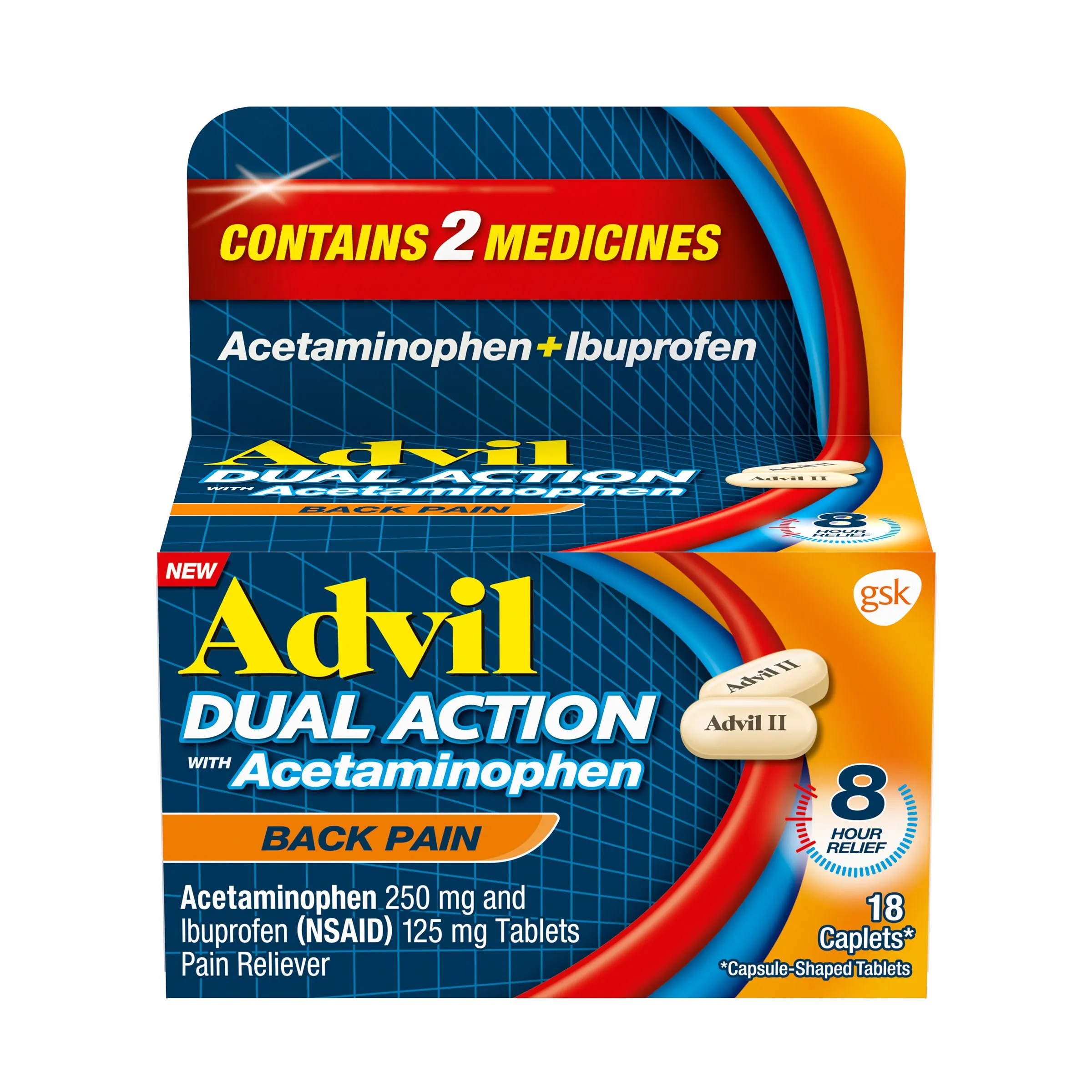
Yes, these medications have different mechanisms of action. Many clinicians use them in rotation or combination for synergistic pain relief. However, always confirm with your doctor to ensure it is appropriate for your specific health history.
3. Does Advil cause high blood pressure?
Yes, NSAIDs like Advil can lead to sodium and water retention, which may increase blood pressure and reduce the efficacy of antihypertensive medications.
4. Can I drink alcohol while taking Advil?
Combining alcohol with Advil significantly increases the risk of gastrointestinal bleeding and stomach ulcers. It is best to avoid alcohol while undergoing treatment.
5. Is Advil safe for patients with kidney disease?
No. Ibuprofen can decrease renal blood flow. Patients with pre-existing renal impairment should avoid NSAIDs unless explicitly directed by a nephrologist.
6. Why does Advil make my stomach hurt?
Advil inhibits prostaglandins that protect the lining of the stomach. Taking it with food or a glass of milk can help buffer this effect.
7. How long does it take for Advil to start working?
Most patients begin to feel the analgesic effects within 30 to 60 minutes after ingestion.
8. Does Advil expire?
Yes. Like all medications, Advil has an expiration date. Expired medication may lose its potency or, in rare cases, degrade into harmful compounds. Dispose of expired medication safely.
9. Can children take adult-strength Advil?
No. Adult-strength tablets are often too high a dose for children. Always use age-appropriate, weight-based pediatric formulations.
10. Is Advil an anti-inflammatory or just a pain reliever?
Advil is both. Unlike acetaminophen (Tylenol), which is primarily an analgesic and antipyretic, Advil is a potent anti-inflammatory agent, making it superior for conditions involving swelling, such as tendonitis or arthritis.
Disclaimer: This guide is for educational purposes only and does not constitute medical advice, diagnosis, or treatment. Always seek the advice of your physician or other qualified health provider with any questions you may have regarding a medical condition or medication.