


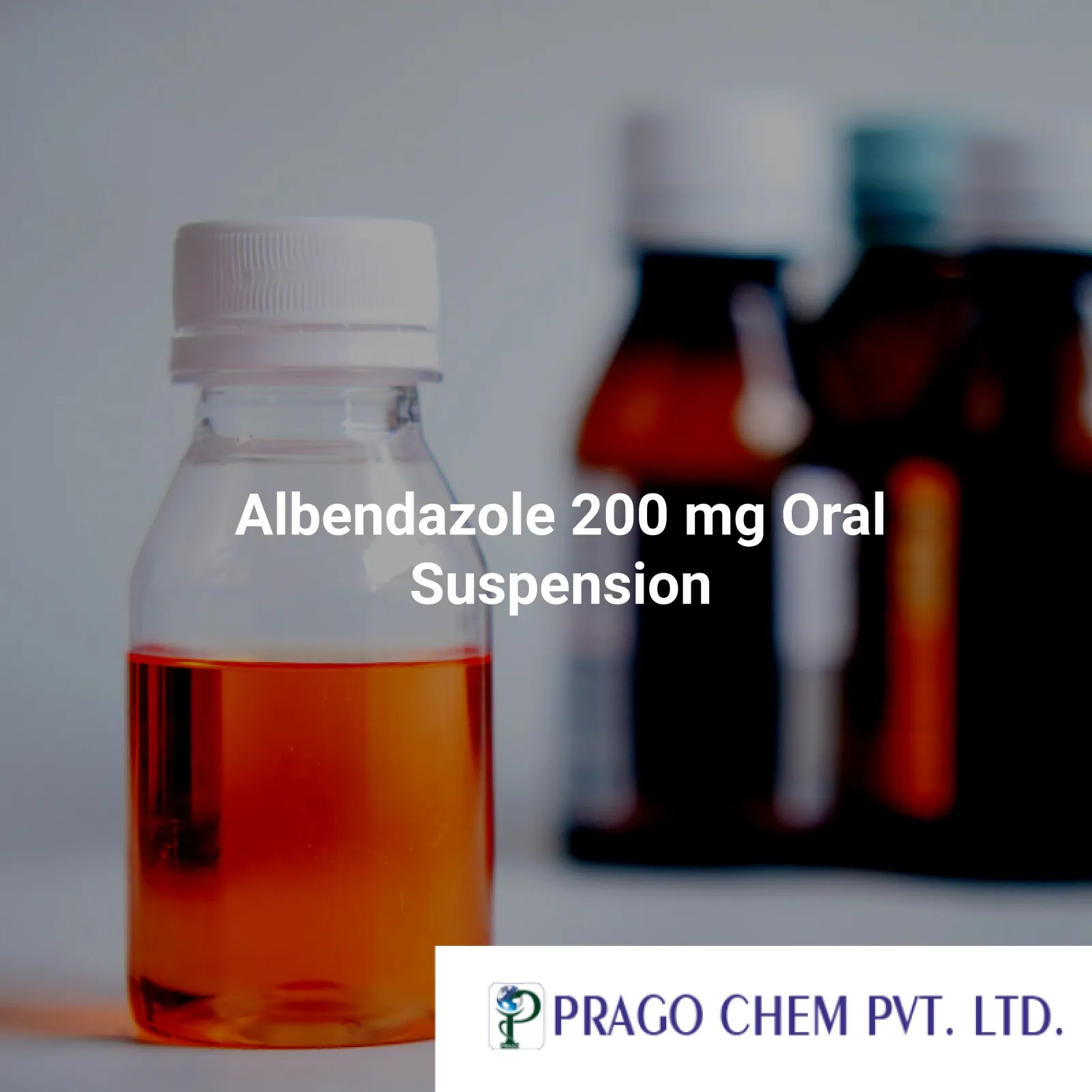

Comprehensive Guide to Albendazole: Clinical Overview
Albendazole is a broad-spectrum anthelmintic agent belonging to the benzimidazole class of compounds. Since its clinical introduction, it has become a cornerstone in the treatment of parasitic worm infestations, particularly those affecting the gastrointestinal tract and systemic tissues. By interfering with the physiological processes of parasites, Albendazole offers a highly effective therapeutic solution for conditions ranging from common pinworm infections to complex systemic hydatid disease.
This guide provides a clinical-grade deep dive into the pharmacological properties, therapeutic applications, and safety profiles of Albendazole.
Technical Specifications and Mechanism of Action
To understand the efficacy of Albendazole, one must examine its unique biochemical impact on parasitic organisms.
Pharmacodynamics
Albendazole functions primarily by inhibiting the synthesis of tubulin in the parasite. By binding to the beta-tubulin subunit of the parasite’s microtubules, it prevents the polymerization of these structures. This leads to:
* Depletion of glucose: The parasite loses its ability to uptake glucose, leading to the exhaustion of glycogen stores.
* Immobilization: The lack of microtubule function halts the movement and structural integrity of the parasite.
* Death of the organism: Without energy or structural support, the parasite dies and is eventually expelled or resorbed by the host.
Pharmacokinetics
The absorption and metabolism of Albendazole are highly influenced by the patient’s diet and internal environment.
| Parameter | Description |
|---|---|
| Absorption | Poorly absorbed from the gastrointestinal tract (less than 5%). Absorption increases significantly when taken with a fatty meal. |
| Metabolism | Rapidly metabolized in the liver to the active metabolite, Albendazole sulfoxide. |
| Distribution | Distributed throughout the body, including cerebrospinal fluid, bile, and hydatid cysts. |
| Excretion | Primarily excreted via urine and bile; the elimination half-life of the active metabolite is approximately 8–12 hours. |
Clinical Indications and Usage
Albendazole is indicated for a variety of helminthic infections. Its versatility makes it a first-line treatment for several WHO-essential medicine list conditions.
Primary Indications
- Neurocysticercosis: Treatment of parenchymal neurocysticercosis caused by Taenia solium.
- Hydatid Disease: Treatment of cystic echinococcosis caused by Echinococcus granulosus.
- Soil-Transmitted Helminths: Effective against Ascaris lumbricoides (roundworm), Trichuris trichiura (whipworm), and Ancylostoma duodenale (hookworm).
- Strongyloidiasis: Used in combination or as a secondary treatment for persistent threads.
- Enterobiasis: Treatment of Enterobius vermicularis (pinworm).
Dosage Guidelines
Dosage varies significantly based on the parasite and the patient's weight.
| Infection | Dosage | Duration |
|---|---|---|
| Pinworm | 400 mg single dose | Repeat in 2 weeks |
| Hookworm/Roundworm | 400 mg single dose | Once |
| Neurocysticercosis | 15 mg/kg/day (max 800mg) | 8–30 days |
| Hydatid Disease | 400 mg twice daily | 28 days (cycles) |
Note: Always consult a healthcare provider for pediatric dosages, which are strictly weight-dependent.
Risks, Side Effects, and Contraindications
While generally well-tolerated, Albendazole is a potent chemical agent and requires careful monitoring during prolonged courses of treatment.
Common Side Effects
- Gastrointestinal distress (nausea, vomiting, abdominal pain).
- Temporary hair loss (alopecia).
- Headache or dizziness.
- Elevated liver enzymes (transaminases).
Serious Risks
- Hepatotoxicity: Long-term use requires periodic monitoring of liver function tests (LFTs).
- Leukopenia/Pancytopenia: Rare but serious potential for bone marrow suppression.
- Teratogenicity: Albendazole has shown teratogenic effects in animal studies.
Contraindications
- Hypersensitivity: Known allergy to benzimidazoles.
- Pregnancy: Strictly contraindicated during the first trimester.
- Severe Hepatic Impairment: Requires dose adjustment or avoidance.
Pregnancy and Lactation Warnings
The use of Albendazole in pregnancy is a critical clinical concern.
* Pregnancy: Albendazole is Pregnancy Category C. It should not be used during pregnancy unless the potential benefit justifies the potential risk to the fetus. Women of childbearing age should initiate treatment only after a negative pregnancy test and use effective contraception during and for one month after treatment.
* Lactation: It is not known if Albendazole is excreted in human milk. Caution should be exercised when administering to nursing mothers.
Drug Interactions
Albendazole undergoes significant metabolism via the cytochrome P450 system.
- Cimetidine: Increases the plasma concentration of Albendazole sulfoxide, potentially increasing efficacy or toxicity.
- Dexamethasone: Can increase the steady-state plasma concentration of the active metabolite by up to 50%.
- Praziquantel: May increase plasma levels of Albendazole; often used together for neurocysticercosis, but requires close monitoring.
- Ritonavir/Phenytoin: May induce metabolic enzymes, potentially reducing the efficacy of Albendazole.
Massive FAQ Section: Frequently Asked Questions
1. Does Albendazole kill all types of worms?
No. Albendazole is a broad-spectrum anthelmintic, but it is not effective against all parasitic species. It is primarily used for helminths (worms) and is ineffective against protozoa like Giardia or Amoeba.
2. Should I take Albendazole on an empty stomach?
For gastrointestinal worms, it can be taken with or without food. However, for systemic infections (like hydatid disease), taking it with a fatty meal significantly increases absorption and therapeutic efficacy.
3. Why is my doctor monitoring my liver enzymes?
Albendazole is metabolized in the liver. In long-term treatment protocols, it can cause transient or, rarely, significant elevation of liver enzymes. Monitoring ensures the medication is not causing hepatic strain.
4. Is hair loss permanent?
No. Alopecia associated with Albendazole is typically mild and reversible upon cessation of the medication.
5. Can children take Albendazole?
Yes, but dosages must be calculated based on weight. It is generally not recommended for children under 1 year of age unless the clinical need is dire.
6. What should I do if I miss a dose?
Take the missed dose as soon as you remember. However, if it is almost time for your next dose, skip the missed one. Do not double the dose to make up for the missed one.
7. How long does it take for Albendazole to work?
For simple pinworm infections, symptoms may resolve within a few days. For complex systemic infections like neurocysticercosis, the treatment course lasts weeks, and follow-up imaging is required to assess parasite clearance.
8. Does Albendazole interact with alcohol?
While there is no direct contraindication, alcohol can place additional stress on the liver. Since Albendazole can also affect liver enzymes, it is prudent to minimize alcohol consumption during treatment.
9. Can I use Albendazole if I am breastfeeding?
The data is limited. You must consult your pediatrician and primary care physician to weigh the risks and benefits before starting treatment.
10. Why is a second dose often required for pinworms?
Albendazole kills adult worms but often does not kill the eggs (ova). A second dose, usually administered two weeks after the first, catches the newly hatched worms before they can mature and lay more eggs.
Overdose Management
In the event of an overdose, there is no specific antidote for Albendazole. Management is primarily supportive:
1. Gastric Lavage: If ingestion is recent, emptying the stomach through lavage may be considered.
2. Activated Charcoal: Administration can reduce systemic absorption.
3. Symptomatic Support: Monitor for signs of gastrointestinal distress, neurological symptoms, or hepatic elevation.
4. Supportive Care: Maintain hydration and provide electrolyte balance if vomiting or diarrhea occurs.
Disclaimer: This guide is for educational purposes only and does not constitute medical advice. Always seek the counsel of a licensed medical professional before beginning any medication regimen.