

Comprehensive Guide to Alendrotab: Clinical Overview
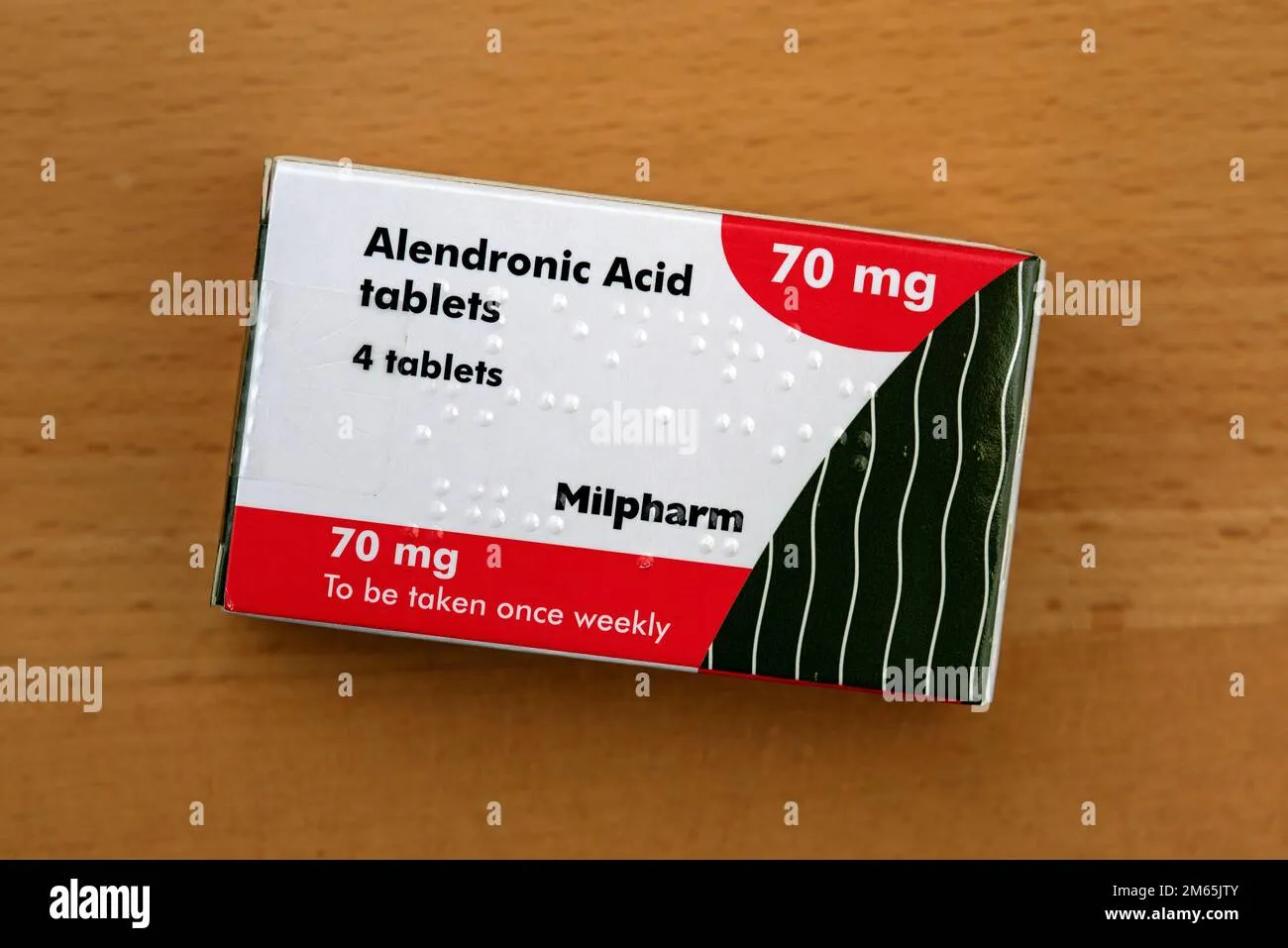
Alendrotab is a pharmaceutical formulation containing Alendronic Acid, a potent nitrogen-containing bisphosphonate. It serves as a cornerstone therapy in the management of metabolic bone diseases, most notably osteoporosis. By inhibiting osteoclast-mediated bone resorption, Alendrotab helps restore the balance between bone formation and bone destruction, effectively increasing bone mineral density (BMD) and reducing the incidence of fragility fractures.
This guide provides an exhaustive look at the clinical profile of Alendrotab, intended for healthcare professionals and patients seeking an in-depth understanding of this therapeutic agent.
Mechanism of Action: How Alendrotab Works
The primary therapeutic effect of Alendrotab is derived from its ability to target the bone resorption process at the cellular level.
Cellular Physiology
Bone remodeling is a continuous process involving the resorption of bone by osteoclasts and the subsequent formation of new bone by osteoblasts. In conditions like osteoporosis, this process becomes decoupled, leading to net bone loss.
The Nitrogen-Containing Bisphosphonate Pathway
Alendrotab functions as a potent inhibitor of the farnesyl pyrophosphate synthase (FPPS) enzyme within the osteoclast. The mechanism unfolds as follows:
1. Bone Binding: Alendrotab has a high affinity for hydroxyapatite crystals in the bone matrix.
2. Internalization: Osteoclasts ingest the drug during the process of bone resorption.
3. Enzyme Inhibition: Once inside the osteoclast, Alendrotab inhibits FPPS, a key enzyme in the mevalonate pathway.
4. Cellular Disruption: This inhibition prevents the prenylation of small GTPase proteins (such as Ras, Rho, and Rac), which are essential for the structural integrity and survival of the osteoclast.
5. Apoptosis: The loss of these signaling proteins triggers apoptosis (programmed cell death) in the osteoclasts, thereby terminating the resorption cycle.
Pharmacokinetics
Understanding how the body processes Alendrotab is critical for optimizing therapeutic outcomes and minimizing adverse effects.
| Parameter | Clinical Profile |
|---|---|
| Bioavailability | Very low (approx. 0.6% to 0.7% after oral administration). |
| Absorption | Significantly reduced by food, beverages (other than water), and calcium supplements. |
| Distribution | Rapidly distributes to bone; transiently in soft tissues. |
| Protein Binding | Approximately 78%. |
| Metabolism | Not metabolized in humans. |
| Excretion | Primarily via renal clearance; no known metabolites. |
Clinical Indications and Usage
Alendrotab is indicated for the prevention and treatment of various bone-related conditions characterized by low bone mass.
1. Treatment of Postmenopausal Osteoporosis
Alendrotab is the gold standard for increasing bone mass and reducing the risk of vertebral and hip fractures in postmenopausal women.
2. Treatment of Osteoporosis in Men
Used to increase bone mass in men with osteoporosis to reduce the risk of fractures.
3. Glucocorticoid-Induced Osteoporosis
Indicated for the prevention and treatment of osteoporosis in patients receiving long-term systemic glucocorticoid therapy (e.g., prednisone).
4. Paget’s Disease of Bone
Used for patients with Paget’s disease who have serum alkaline phosphatase levels at least two times the upper limit of normal, or who are at risk of complications.
Dosage and Administration Guidelines
To ensure maximum absorption and minimize the risk of esophageal irritation, strict adherence to administration protocols is mandatory.
Standard Dosage Table
| Indication | Recommended Dosage |
|---|---|
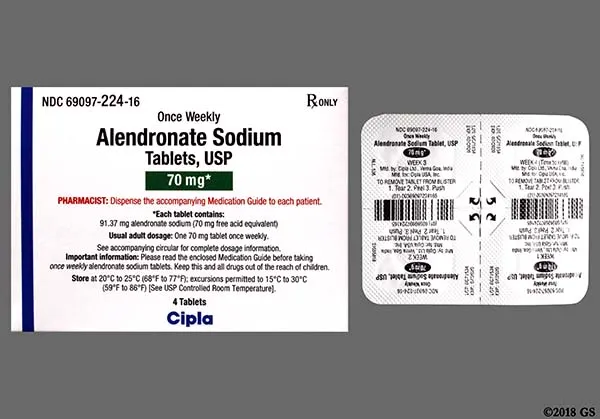
| Osteoporosis (Treatment) | 70 mg once weekly or 10 mg daily. |
| Osteoporosis (Prevention) | 5 mg daily or 35 mg once weekly. |
| Glucocorticoid-Induced | 5 mg daily (10 mg for postmenopausal women not on estrogen). |
| Paget’s Disease | 40 mg daily for 6 months. |
The "Golden Rules" of Administration
- Timing: Administer at least 30 minutes before the first food, beverage, or medication of the day.
- Liquid: Take only with a full glass (6-8 oz) of plain water. Do not use mineral water, coffee, tea, or juice.
- Posture: The patient must remain upright (sitting or standing) for at least 30 minutes following administration to prevent esophageal reflux or ulceration.
Contraindications and Risks
Absolute Contraindications
- Esophageal Abnormalities: Conditions such as strictures or achalasia that delay esophageal emptying.
- Inability to Stand/Sit: Patients who cannot remain upright for at least 30 minutes.
- Hypocalcemia: Must be corrected before initiating therapy.
- Hypersensitivity: Known allergy to Alendronic Acid or any component of the formulation.
- Renal Impairment: Not recommended for patients with creatinine clearance below 35 mL/min.
Potential Adverse Effects
- Gastrointestinal: Dysphagia, esophagitis, esophageal ulcers, and erosions.
- Musculoskeletal: Severe bone, joint, or muscle pain.
- Osteonecrosis of the Jaw (ONJ): Rare but serious, usually associated with invasive dental procedures.
- Atypical Femur Fractures: Rare, low-energy fractures of the femoral shaft.
Pregnancy and Lactation
Alendrotab is classified as FDA Pregnancy Category C. It should not be used during pregnancy as it may cause fetal harm due to its skeletal deposition. It is not known whether the drug is excreted in human milk; therefore, it is generally advised to avoid usage during breastfeeding.
Overdose Management
In the event of an overdose, signs may include hypocalcemia, hypophosphatemia, and upper GI adverse events (upset stomach, heartburn, esophagitis, or ulcer).
1. Neutralization: Administer milk or antacids to bind Alendrotab.
2. Avoid Emesis: Due to the risk of esophageal irritation, do not induce vomiting.
3. Medical Supervision: Keep the patient upright and seek immediate emergency care for electrolyte monitoring.
Frequently Asked Questions (FAQ)
1. How long does it take for Alendrotab to work?
While Alendrotab begins inhibiting bone resorption immediately, significant increases in bone density are typically observed after 6 to 12 months of consistent therapy.
2. Can I take Alendrotab with my morning coffee?
No. Coffee, tea, juice, and dairy products significantly reduce the absorption of Alendrotab. It must be taken with plain water only.
3. What should I do if I miss a dose?
If on a weekly regimen, take the missed dose the morning after you remember. Do not take two doses on the same day.
4. Is there a risk of jaw problems with Alendrotab?
Osteonecrosis of the jaw is a rare side effect. It is recommended to undergo a dental examination before starting therapy and maintain good oral hygiene.
5. Does Alendrotab cause weight gain?
No, weight gain is not a recognized side effect of Alendronic acid therapy.
6. Should I take calcium and Vitamin D while on Alendrotab?
Yes. It is standard clinical practice to ensure adequate calcium and Vitamin D intake, provided they are taken at a different time of day than the Alendrotab dose.
7. How long should I stay on this medication?
The duration of therapy is determined by your physician, usually based on bone density scans (DEXA) and fracture risk assessment. Some patients may take "drug holidays" after 3–5 years.
8. Is Alendrotab a hormone?
No, it is a bisphosphonate. It does not act like estrogen and does not carry the same risks associated with hormone replacement therapy.
9. Can I lie down after taking my pill?
Absolutely not. You must remain upright for at least 30 minutes to prevent the medication from causing irritation or ulcers in the esophagus.
10. Will I feel different when taking Alendrotab?
Most patients do not feel a "physical change." The benefit is internal, measured by improved bone strength and a lower likelihood of future bone fractures.
Disclaimer: This guide is for informational purposes only and does not constitute medical advice. Always consult with a qualified healthcare provider or orthopedic specialist before starting any new medication or treatment plan.