
Understanding Aleve (Naproxen Sodium): A Comprehensive Clinical Guide
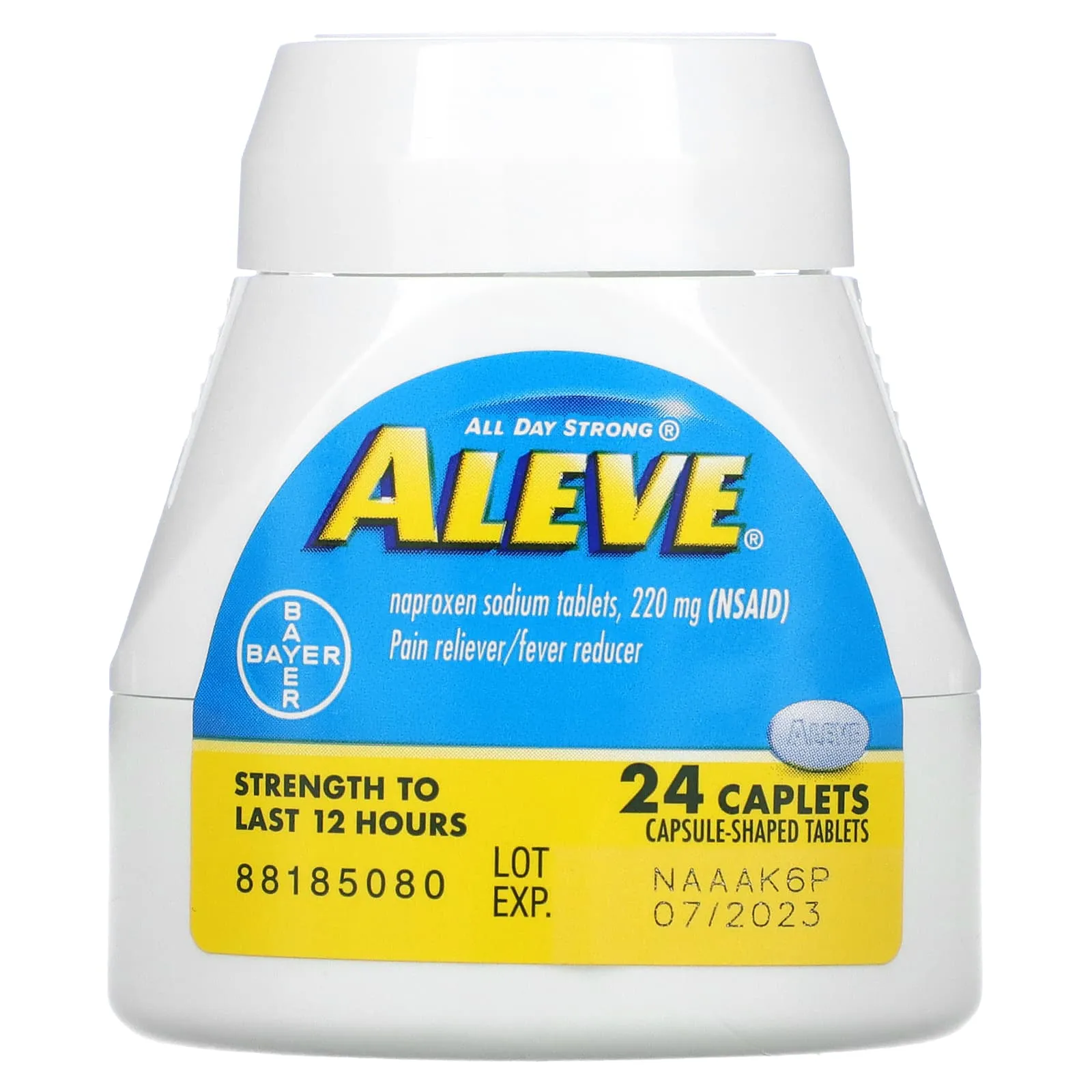
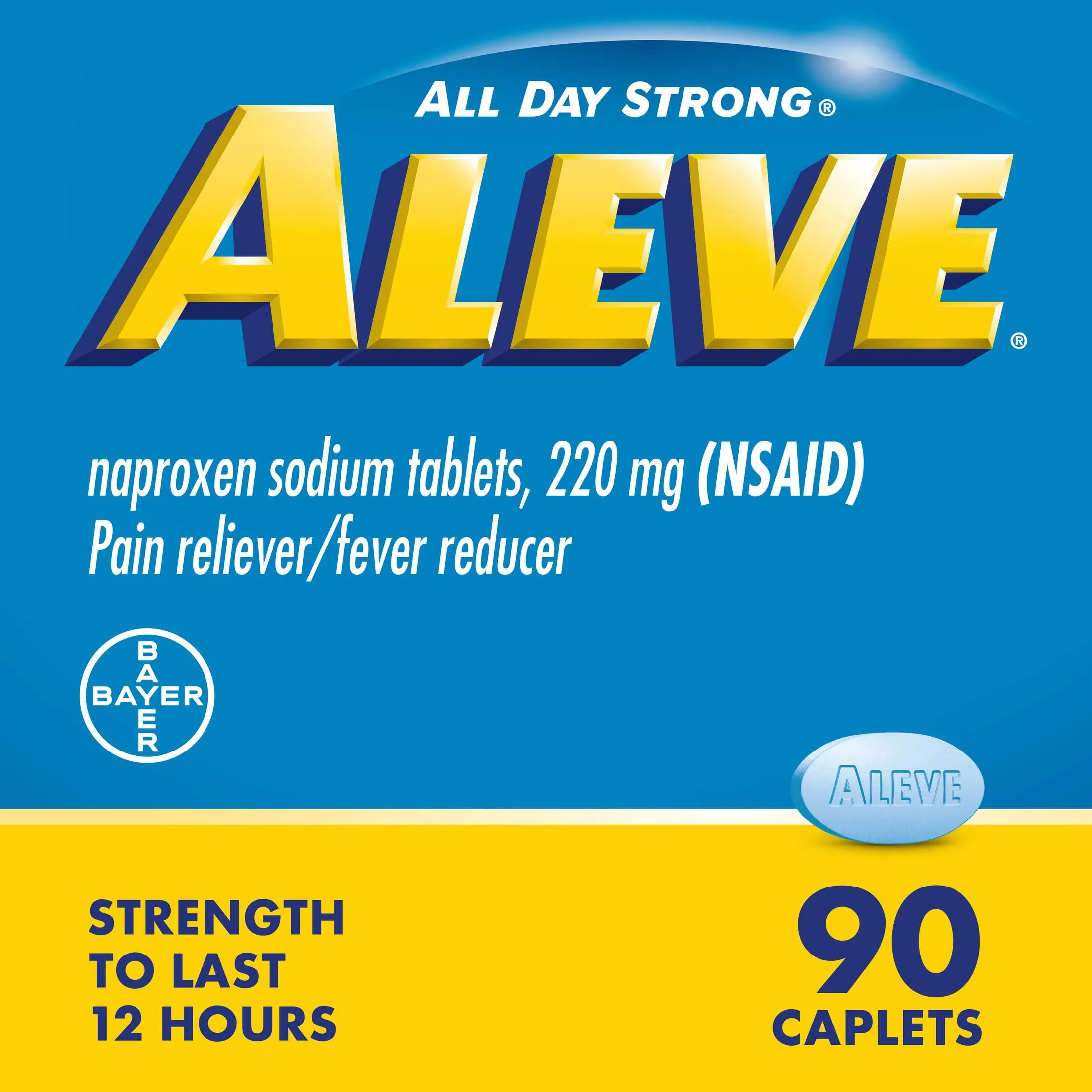
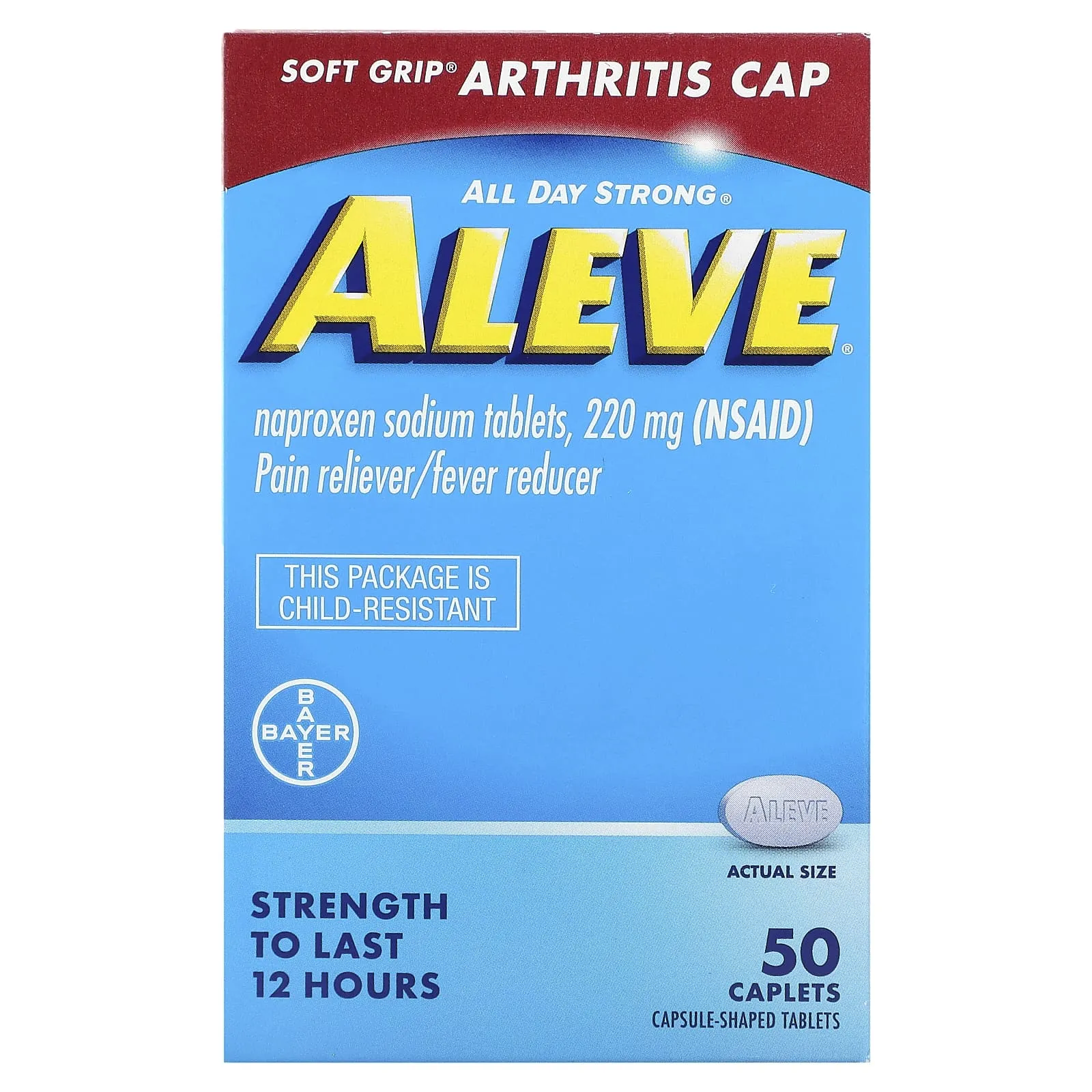
In the realm of orthopedic medicine and pain management, non-steroidal anti-inflammatory drugs (NSAIDs) remain a cornerstone of therapeutic intervention. Among these, Aleve, the brand name for naproxen sodium, stands out due to its extended half-life and potent anti-inflammatory properties. This guide provides an exhaustive clinical overview of Aleve, intended for educational purposes for patients and healthcare professionals alike.
1. Overview of Naproxen Sodium
Aleve is a non-selective NSAID used primarily for the management of mild-to-moderate pain, inflammation, and fever. Unlike short-acting analgesics that require frequent dosing, naproxen sodium is formulated to provide sustained relief, often lasting up to 12 hours. This makes it a preferred choice for chronic orthopedic conditions such as osteoarthritis, rheumatoid arthritis, and ankylosing spondylitis.
2. Mechanism of Action and Pharmacokinetics
Mechanism of Action
The efficacy of naproxen sodium is rooted in the inhibition of cyclooxygenase (COX) enzymes, specifically COX-1 and COX-2. By inhibiting these enzymes, Aleve effectively blocks the synthesis of prostaglandins—lipid compounds that serve as mediators of pain, fever, and inflammation.
- COX-1 Inhibition: Regulates prostaglandins involved in gastric mucosal protection and platelet aggregation.
- COX-2 Inhibition: Primarily regulates prostaglandins involved in the inflammatory cascade and pain signaling.
Pharmacokinetics
Understanding how the body processes naproxen is crucial for optimizing therapeutic outcomes:
| Feature | Description |
|---|---|
| Absorption | Rapidly and completely absorbed following oral administration. |
| Peak Plasma Concentration | Reached within 1 to 2 hours post-ingestion. |
| Protein Binding | Highly bound to plasma albumin (>99%). |
| Half-Life | Approximately 12 to 17 hours, allowing for twice-daily dosing. |
| Metabolism | Primarily hepatic (via cytochrome P450 system). |
| Excretion | Primarily renal (95% excreted in urine). |
3. Clinical Indications and Usage
Aleve is indicated for a wide spectrum of inflammatory and pain-related conditions. In orthopedic practice, it is frequently utilized for:
- Osteoarthritis: Reduction of joint pain, stiffness, and swelling.
- Rheumatoid Arthritis: Management of chronic autoimmune-driven inflammation.
- Ankylosing Spondylitis: Alleviation of spinal inflammation and mobility restriction.
- Acute Musculoskeletal Injury: Relief from muscle strains, ligament sprains, and tendonitis.
- Primary Dysmenorrhea: Treatment of menstrual cramps.
- Bursitis and Tendonitis: Reduction of localized soft tissue inflammation.
Dosage Guidelines
Dosage must be strictly individualized based on the condition being treated and the patient's medical history.
- Adults (General Pain/Inflammation): 220 mg (1 tablet) every 8 to 12 hours.
- Maximum Daily Dose: Do not exceed 660 mg in any 24-hour period unless directed by a physician.
- Administration: Should be taken with a full glass of water, preferably with food or milk to minimize gastrointestinal irritation.
4. Risks, Side Effects, and Contraindications
While effective, Aleve is not without significant risks. Patients must be monitored for adverse drug reactions (ADRs).
Common Side Effects
- Gastrointestinal distress (nausea, dyspepsia, abdominal pain).
- Dizziness or mild headache.
- Drowsiness.
- Fluid retention (edema).
Serious Risks (Black Box Warnings)
- Cardiovascular Risk: NSAIDs may increase the risk of myocardial infarction and stroke. Risk is elevated in patients with existing cardiovascular disease.
- Gastrointestinal Risk: Potential for serious GI adverse events, including bleeding, ulceration, and perforation of the stomach or intestines.
Contraindications
Aleve should not be used by individuals with:
1. A history of asthma, urticaria, or allergic-type reactions after taking aspirin or other NSAIDs.
2. Active gastrointestinal bleeding or peptic ulcer disease.
3. Severe renal impairment (Creatinine clearance < 30 mL/min).
4. Perioperative pain management in the setting of coronary artery bypass graft (CABG) surgery.
5. Pregnancy and Lactation Warnings
- Pregnancy: Use of NSAIDs around 20 weeks gestation or later may cause rare but serious kidney problems in the fetus, leading to low amniotic fluid (oligohydramnios). Avoid use after 30 weeks gestation due to the risk of premature closure of the fetal ductus arteriosus.
- Lactation: Naproxen is excreted in breast milk in low concentrations. While generally considered compatible with breastfeeding, consultation with a pediatrician is advised.
6. Drug Interactions
Aleve can interact with various medications, altering their efficacy or increasing toxicity:
- Anticoagulants (e.g., Warfarin): Increases the risk of bleeding.
- SSRIs/SNRIs: Increases the risk of gastrointestinal bleeding.
- Antihypertensives (ACE Inhibitors, Beta-blockers): May reduce the blood-pressure-lowering effect of these medications.
- Lithium: May increase serum lithium levels, leading to toxicity.
- Methotrexate: May reduce the renal clearance of methotrexate, increasing the risk of systemic toxicity.
7. Overdose Management
An overdose of naproxen can be life-threatening. Symptoms include lethargy, drowsiness, nausea, vomiting, and epigastric pain. In severe cases, gastrointestinal hemorrhage, hypertension, acute renal failure, and respiratory depression may occur.
- Emergency Protocol: If an overdose is suspected, contact emergency services or a Poison Control Center immediately.
- Treatment: Management is symptomatic and supportive. There is no specific antidote. Activated charcoal may be administered if the patient presents early, and gastric lavage may be considered in cases of massive ingestion.
8. Frequently Asked Questions (FAQ)
1. Is Aleve better than Ibuprofen?
Both are effective NSAIDs. Naproxen (Aleve) has a longer half-life, meaning it requires fewer doses per day compared to Ibuprofen (which typically requires dosing every 4–6 hours).
2. Can I take Aleve on an empty stomach?
It is highly recommended to take Aleve with food or milk to reduce the risk of stomach irritation and ulceration.
3. Does Aleve cause high blood pressure?
Yes, like most NSAIDs, Aleve can cause fluid retention and may elevate blood pressure in some patients.
4. How long can I safely take Aleve?
You should use the lowest effective dose for the shortest duration necessary. Prolonged use should only occur under the direct supervision of a healthcare provider.
5. Can I drink alcohol while taking Aleve?
Combining alcohol with NSAIDs significantly increases the risk of gastrointestinal bleeding. It is best to avoid alcohol.
6. Will Aleve affect my kidney function?
Long-term or excessive use of NSAIDs can impair renal function, especially in patients with pre-existing kidney conditions or those taking diuretics.
7. Is Aleve safe for children?
Aleve (Naproxen sodium) is generally not recommended for children under 12 years of age without specific pediatric medical guidance.
8. Can I take Aleve with Tylenol (Acetaminophen)?
Yes, they work via different mechanisms. However, always consult your doctor to ensure there are no contraindications specific to your health profile.
9. Does Aleve interact with blood thinners?
Yes. It can increase the antiplatelet effect, making bleeding more likely. Close monitoring by a physician is required.
10. Why does my doctor suggest taking Aleve for back pain?
Naproxen is highly effective at reducing the inflammation associated with musculoskeletal back pain, providing sustained relief that allows for better physical therapy participation.
Conclusion
Aleve (Naproxen Sodium) is a powerful tool in the orthopedic and general medicine arsenal. By understanding its mechanism, respecting its contraindications, and adhering to strict dosage guidelines, patients can effectively manage pain and inflammation while minimizing the risk of adverse events. Always consult with your primary care physician or orthopedist before starting a long-term regimen of any NSAID.
Disclaimer: This guide is for informational purposes only and does not constitute medical advice, diagnosis, or treatment. Always seek the advice of your physician or other qualified health provider with any questions you may have regarding a medical condition.