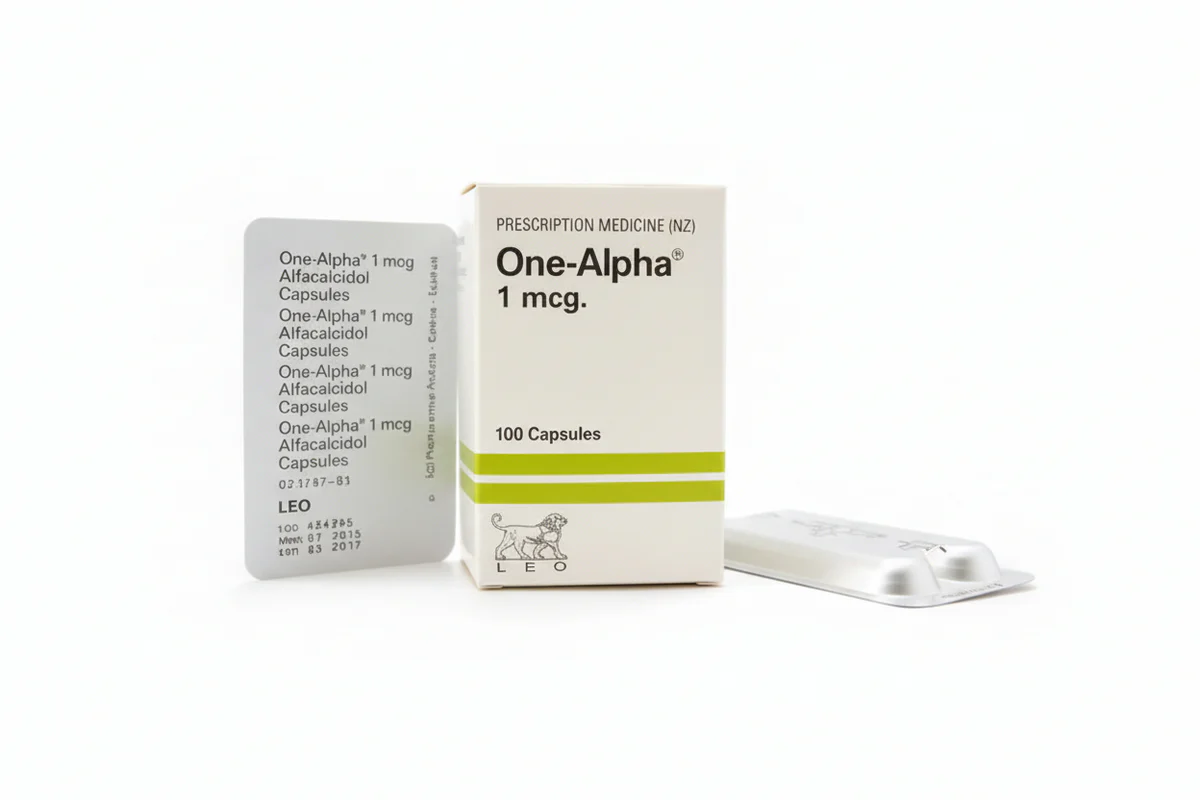

Comprehensive Guide to ONE-ALPHA® (Alfacalcidol) 1 mcg
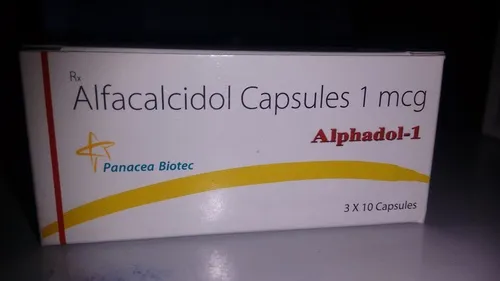
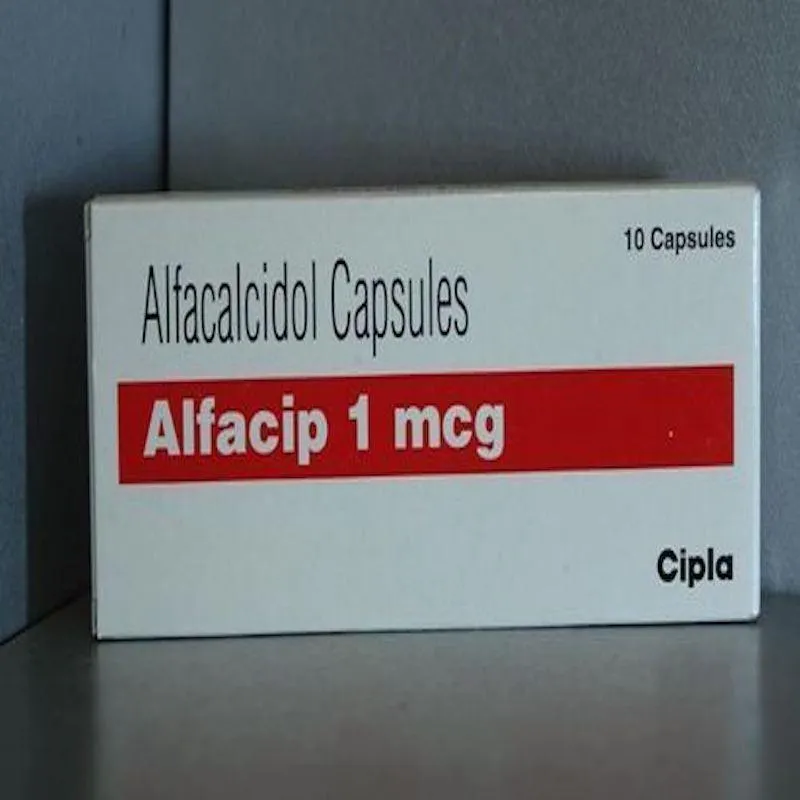
ONE-ALPHA® (active ingredient: Alfacalcidol) is a synthetic analogue of Vitamin D3 (cholecalciferol). In the field of orthopedics and endocrinology, it serves as a critical therapeutic agent for managing calcium and phosphate metabolism disorders. Unlike native Vitamin D, which requires two-step hydroxylation in the liver and kidneys to become biologically active, ONE-ALPHA® is already hydroxylated at the 1-alpha position, making it a "pre-activated" form of the hormone.
This guide provides an authoritative overview of ONE-ALPHA® 1 mcg, designed for healthcare professionals and patients seeking a deep understanding of its pharmacological profile and clinical application.
Technical Specifications and Mechanism of Action
The Biochemical Pathway
To understand ONE-ALPHA®, one must understand the Vitamin D endocrine system. Native Vitamin D3 must undergo hydroxylation in the liver (to 25-hydroxyvitamin D) and subsequently in the kidneys (to 1,25-dihydroxyvitamin D, or Calcitriol). Patients with chronic kidney disease (CKD) or specific metabolic bone disorders often lack the renal enzyme (1-alpha-hydroxylase) required for this final activation.
Mechanism of Action
ONE-ALPHA® bypasses the renal activation step. Once ingested, it is rapidly converted in the liver to 1,25-dihydroxyvitamin D3. This active metabolite then binds to the Vitamin D Receptor (VDR) in various tissues, primarily:
* Intestines: Stimulating the absorption of calcium and phosphate.
* Bones: Regulating bone resorption and formation, facilitating mineralization.
* Parathyroid Glands: Suppressing the synthesis and secretion of Parathyroid Hormone (PTH), thereby preventing secondary hyperparathyroidism.
Pharmacokinetics
| Feature | Description |
|---|---|
| Absorption | Rapidly absorbed from the gastrointestinal tract. |
| Metabolism | Hepatic conversion to 1,25-dihydroxyvitamin D3. |
| Distribution | Binds to Vitamin D-binding protein in plasma. |
| Elimination | Primarily excreted via bile/feces; minor renal excretion. |
| Onset | Effects on calcium absorption are usually observed within 6–24 hours. |
Clinical Indications and Usage
ONE-ALPHA® 1 mcg is indicated for conditions where calcium metabolism is impaired due to Vitamin D deficiency or metabolic failure.
Key Indications
- Renal Osteodystrophy: Used in patients with chronic renal failure to prevent bone mineral loss and secondary hyperparathyroidism.
- Hypoparathyroidism: Management of hypocalcemia resulting from surgical removal of parathyroid glands or idiopathic hypoparathyroidism.
- Osteomalacia and Rickets: Specifically those forms resistant to standard Vitamin D therapy or associated with malabsorption.
- Postmenopausal Osteoporosis: Used in some regions as a therapeutic option to increase bone mineral density and reduce fracture risk.
- Hypocalcemic conditions: Management of tetany or acute hypocalcemia.
Dosage Guidelines
Dosage must be strictly individualized based on serum calcium and phosphate levels. Monitoring is mandatory.
- Initial Dosage: Typically 0.5 mcg to 1 mcg daily.
- Maintenance: Adjusted based on biochemical response.
- Administration: Can be taken with or without food. Consistent timing is recommended.
Risks, Side Effects, and Contraindications
While highly effective, ONE-ALPHA® carries risks associated with hypercalcemia (excessive calcium in the blood).
Contraindications
- Hypercalcemia: Absolute contraindication; the drug will exacerbate the condition.
- Hyperphosphatemia: Unless controlled, the risk of metastatic calcification is high.
- Vitamin D Toxicity: Patients already exhibiting signs of Vitamin D overdose.
- Hypersensitivity: Known allergy to Alfacalcidol or any excipients in the capsule.
Adverse Reactions
Most side effects are related to the therapeutic effect being "too strong," leading to hypercalcemia or hypercalciuria.
- Common: Nausea, abdominal pain, constipation, or diarrhea.
- Serious: Nephrocalcinosis, soft tissue calcification, polyuria, polydipsia, and cardiac arrhythmias (in severe hypercalcemia).
Pregnancy and Lactation
Use should be avoided unless the benefits clearly outweigh the risks. Alfacalcidol may cross the placenta and enter breast milk. Monitoring of neonatal serum calcium is essential if used during lactation.
Drug Interactions
Clinicians must be aware of the following interactions:
- Digitalis Glycosides: Hypercalcemia increases the risk of digitalis toxicity (arrhythmias).
- Magnesium-containing antacids: Increases the risk of hypermagnesemia in renal failure patients.
- Enzyme Inducers (e.g., Phenytoin, Carbamazepine): May reduce the efficacy of ONE-ALPHA® by accelerating its metabolism.
- Thiazide Diuretics: Concomitant use increases the risk of hypercalcemia.
Overdose Management
Acute or chronic overdose leads to severe hypercalcemia.
- Immediate Action: Discontinue ONE-ALPHA® immediately.
- Hydration: Aggressive fluid replacement to promote urinary calcium excretion.
- Diuretics: Loop diuretics (e.g., furosemide) may be used to enhance calcium excretion.
- Monitoring: Frequent serum calcium, phosphate, and creatinine monitoring until levels normalize.
- Severe Cases: Corticosteroids or bisphosphonates may be required to lower serum calcium levels if life-threatening.
Frequently Asked Questions (FAQ)
1. Why is ONE-ALPHA® 1 mcg better than regular Vitamin D?
ONE-ALPHA® is "pre-activated." It does not require the kidneys to function to become active. This makes it essential for patients with kidney disease who cannot process standard Vitamin D.
2. How often should I have blood tests while on this medication?
Initially, weekly or bi-weekly. Once a stable dose is achieved, monitoring can usually be extended to every 1–3 months, depending on the underlying condition.
3. What are the signs of "too much calcium" (Hypercalcemia)?
Symptoms include fatigue, muscle weakness, excessive thirst (polydipsia), frequent urination, nausea, vomiting, and confusion. Seek medical attention if these occur.
4. Can I stop taking ONE-ALPHA® if I feel better?
No. You must consult your physician. Stopping suddenly can lead to a rebound in PTH levels or a recurrence of hypocalcemia.
5. Does ONE-ALPHA® 1 mcg cause weight gain?
No. There is no evidence that Alfacalcidol causes weight gain. If you experience significant swelling or fluid retention, consult your doctor to rule out other causes.
6. Should I take calcium supplements while on ONE-ALPHA®?
This depends on your serum calcium levels. Your doctor may prescribe calcium supplements to be taken alongside ONE-ALPHA® to ensure there is enough substrate for bone mineralization.
7. Can children take ONE-ALPHA®?
Yes, it is used for pediatric rickets, but the dosage must be carefully calculated by a pediatrician based on body weight and biochemical markers.
8. What should I do if I miss a dose?
Take it as soon as you remember. If it is almost time for your next dose, skip the missed one. Do not take a double dose to make up for a missed one.
9. How should I store the medication?
Store at room temperature (usually below 25°C), away from light and moisture. Keep out of reach of children.
10. Does this medication interact with multivitamins?
Yes. Many multivitamins contain Vitamin D. Taking ONE-ALPHA® alongside other Vitamin D supplements can lead to toxic levels of Vitamin D. Always inform your doctor of all supplements you are taking.
Conclusion
ONE-ALPHA® (Alfacalcidol) 1 mcg is a potent and essential tool in the orthopedic and nephrological armamentarium. By providing a direct source of active Vitamin D, it allows the body to maintain calcium homeostasis where natural pathways have failed. However, its potency necessitates rigorous medical supervision. Patients must adhere strictly to blood monitoring schedules to avoid the complications of hypercalcemia, ensuring that the therapeutic benefits—stronger bones and balanced mineral levels—are achieved safely.
Disclaimer: This guide is for informational purposes only and does not constitute medical advice. Always consult with a qualified healthcare professional before starting, stopping, or modifying any medication regimen.