


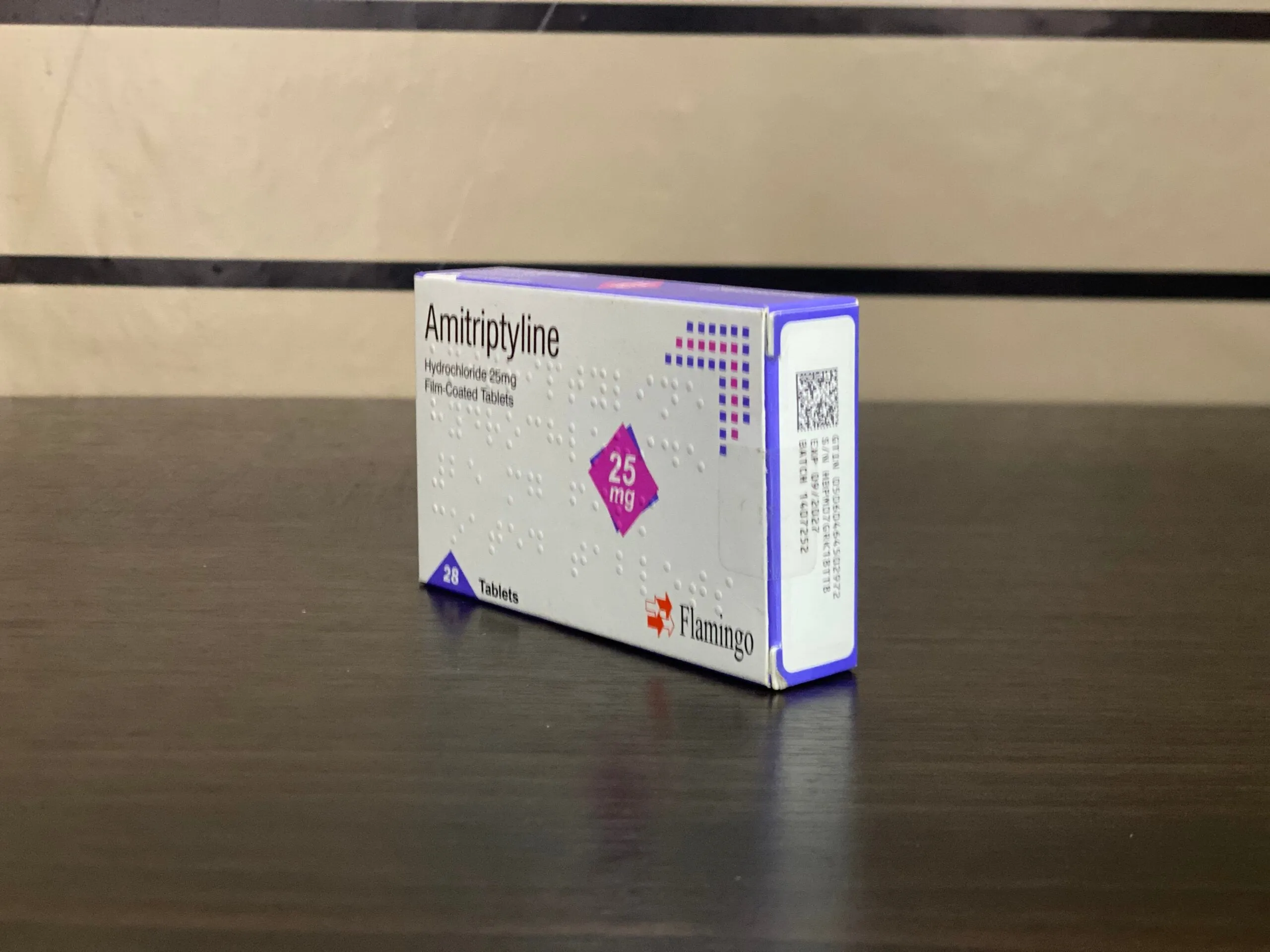

Comprehensive Guide to Amitriptyline: Clinical Overview
Amitriptyline is a tricyclic antidepressant (TCA) that has remained a cornerstone in clinical medicine for decades. While originally developed for the treatment of major depressive disorder, its therapeutic utility has expanded significantly within the fields of neurology, pain management, and rheumatology. In orthopedic and pain medicine settings, Amitriptyline is frequently prescribed off-label for its potent analgesic properties, particularly in managing neuropathic pain, fibromyalgia, and chronic tension-type headaches.
This guide provides an exhaustive review of Amitriptyline, intended for educational purposes for healthcare providers and patients seeking a deeper understanding of this complex medication.
Technical Specifications and Mechanism of Action
To understand why Amitriptyline is effective for chronic pain, one must look beyond its antidepressant classification. Amitriptyline acts as a multi-modal agent in the central nervous system (CNS).
Pharmacodynamics: How It Works
Amitriptyline’s clinical efficacy is attributed to several concurrent actions:
- Inhibition of Monoamine Reuptake: It inhibits the reuptake of both serotonin and norepinephrine at the synaptic cleft. Increasing these neurotransmitters in the descending inhibitory pain pathways helps modulate pain signals.
- Sodium Channel Blockade: It acts as a local anesthetic by blocking voltage-gated sodium channels, which helps stabilize nerve membranes and reduce ectopic firing in damaged nerves.
- NMDA Receptor Antagonism: By acting as an antagonist at the N-methyl-D-aspartate (NMDA) receptors, it plays a role in preventing central sensitization—the process where the nervous system remains in a state of high reactivity following an injury.
- Anticholinergic and Antihistaminic Effects: These contribute to the sedative side effect profile, which is often leveraged to assist patients with sleep disturbances related to chronic pain.
Pharmacokinetics
| Parameter | Description |
|---|---|
| Absorption | Rapidly absorbed; peak plasma concentrations reached in 2–4 hours. |
| Metabolism | Hepatic via CYP2D6 and CYP2C19 enzymes; converted to active metabolite nortriptyline. |
| Half-life | 10 to 50 hours (variable due to individual metabolic differences). |
| Excretion | Primarily renal; excreted as inactive metabolites. |
Clinical Indications and Usage
While the FDA approval for Amitriptyline centers on depression, clinical practice relies heavily on its off-label use for chronic pain syndromes.
Primary Indications
- Major Depressive Disorder (MDD): Used as a secondary or tertiary option due to the availability of safer SSRIs/SNRIs.
- Neuropathic Pain: Highly effective for diabetic neuropathy, post-herpetic neuralgia, and nerve-related orthopedic pain.
- Fibromyalgia: Used at lower doses to improve sleep quality and reduce widespread musculoskeletal pain.
- Chronic Tension-Type Headaches: Often utilized as a prophylactic treatment for frequent episodic or chronic tension headaches.
- Migraine Prophylaxis: A standard preventive measure for patients experiencing chronic migraines.
Dosage Guidelines
Dosage must be individualized based on the condition being treated and the patient's tolerability.
| Condition | Typical Starting Dose | Maintenance Range |
|---|---|---|
| Depression | 25–50 mg HS | 75–150 mg/day |
| Neuropathic Pain | 10–25 mg HS | 25–100 mg/day |
| Migraine Prophylaxis | 10–25 mg HS | 25–75 mg/day |
| Fibromyalgia | 10 mg HS | 25–50 mg/day |
Note: "HS" stands for hora somni (at bedtime). Due to the medication's sedative effects, evening dosing is standard.
Risks, Side Effects, and Contraindications
Amitriptyline is a potent medication with a significant side-effect profile. Patients must be monitored closely, especially when initiating therapy or increasing doses.
Common Side Effects (Anticholinergic Profile)
- Dry mouth (Xerostomia): Very common; can lead to dental issues.
- Sedation/Drowsiness: Often utilized for sleep, but can cause "hangover" effects.
- Constipation: Requires increased fiber and fluid intake.
- Blurred Vision: Due to pupillary dilation.
- Orthostatic Hypotension: Increased risk of falls, particularly in elderly patients.
Severe Risks and Contraindications
- Cardiac Arrhythmias: TCAs can prolong the QT interval. It is contraindicated in patients who have recently suffered a myocardial infarction.
- Urinary Retention: Specifically in patients with benign prostatic hyperplasia (BPH).
- Glaucoma: Narrow-angle glaucoma is a strict contraindication due to anticholinergic effects.
- MAO Inhibitors: Concurrent use with MAOIs can lead to a hypertensive crisis or serotonin syndrome.
Pregnancy and Lactation
Amitriptyline is classified as Pregnancy Category C. It should only be used if the potential benefit justifies the potential risk to the fetus. It is excreted in breast milk; nursing mothers should consult their physician regarding the risks of infant sedation.
Overdose Management
Amitriptyline overdose is a medical emergency. Because of its narrow therapeutic index, ingestion of doses as low as 10–20 mg/kg can be fatal.
Signs of Toxicity:
* Cardiac conduction delays (QRS widening).
* Seizures or tremors.
* Severe hypotension.
* Altered mental status/Coma.
Management Protocol:
1. Airway Management: Secure the airway immediately.
2. Activated Charcoal: If ingested within 1–2 hours.
3. Sodium Bicarbonate: Used to treat cardiac conduction disturbances (QRS widening).
4. Supportive Care: Fluid resuscitation and benzodiazepines for seizures.
Frequently Asked Questions (FAQ)
1. Does Amitriptyline cause weight gain?
Yes, weight gain is a common side effect of long-term Amitriptyline use, likely due to increased appetite and metabolic changes.
2. How long does it take for Amitriptyline to work for pain?
While the sedative effects occur immediately, the analgesic effect for chronic pain can take 2 to 4 weeks to manifest fully.
3. Can I stop taking Amitriptyline abruptly?
No. Abrupt discontinuation can lead to withdrawal symptoms such as nausea, headache, irritability, and malaise. Always taper the dose under medical supervision.
4. Is Amitriptyline addictive?
Amitriptyline is not considered a drug of abuse; however, physical dependence (withdrawal symptoms upon stopping) can occur.
5. Can I drink alcohol while taking this medication?
Alcohol should be avoided. It significantly potentiates the sedative effects of Amitriptyline and increases the risk of respiratory depression and impaired coordination.
6. Why is it prescribed at bedtime?
Because the medication causes significant drowsiness, taking it at bedtime helps the patient sleep and minimizes the impact of daytime sedation.
7. Does Amitriptyline interact with other pain medications?
Yes, it can interact with tramadol (increased seizure risk) and other CNS depressants. Always provide a full list of medications to your doctor.
8. Will this medication affect my blood pressure?
Amitriptyline can cause orthostatic hypotension, which is a drop in blood pressure when standing up, leading to dizziness.
9. Can children take Amitriptyline?
It is used in pediatric populations for migraine prophylaxis, but it must be prescribed and monitored carefully by a specialist.
10. What should I do if I miss a dose?
Take it as soon as you remember. If it is almost time for your next dose, skip the missed dose. Never double up on doses to catch up.
Conclusion
Amitriptyline remains a versatile and highly effective tool in the clinical arsenal, particularly for those suffering from chronic pain and neurological conditions. While its side-effect profile requires careful patient selection and monitoring, its ability to modulate pain pathways makes it an invaluable option for many. Patients should always adhere strictly to the prescribed dosage and maintain open communication with their healthcare providers regarding any side effects or concerns.
Disclaimer: This guide is for informational purposes only and does not constitute medical advice, diagnosis, or treatment. Always seek the advice of your physician or other qualified health provider with any questions you may have regarding a medical condition or medication.