



Understanding Amlodipine: A Comprehensive Clinical Overview
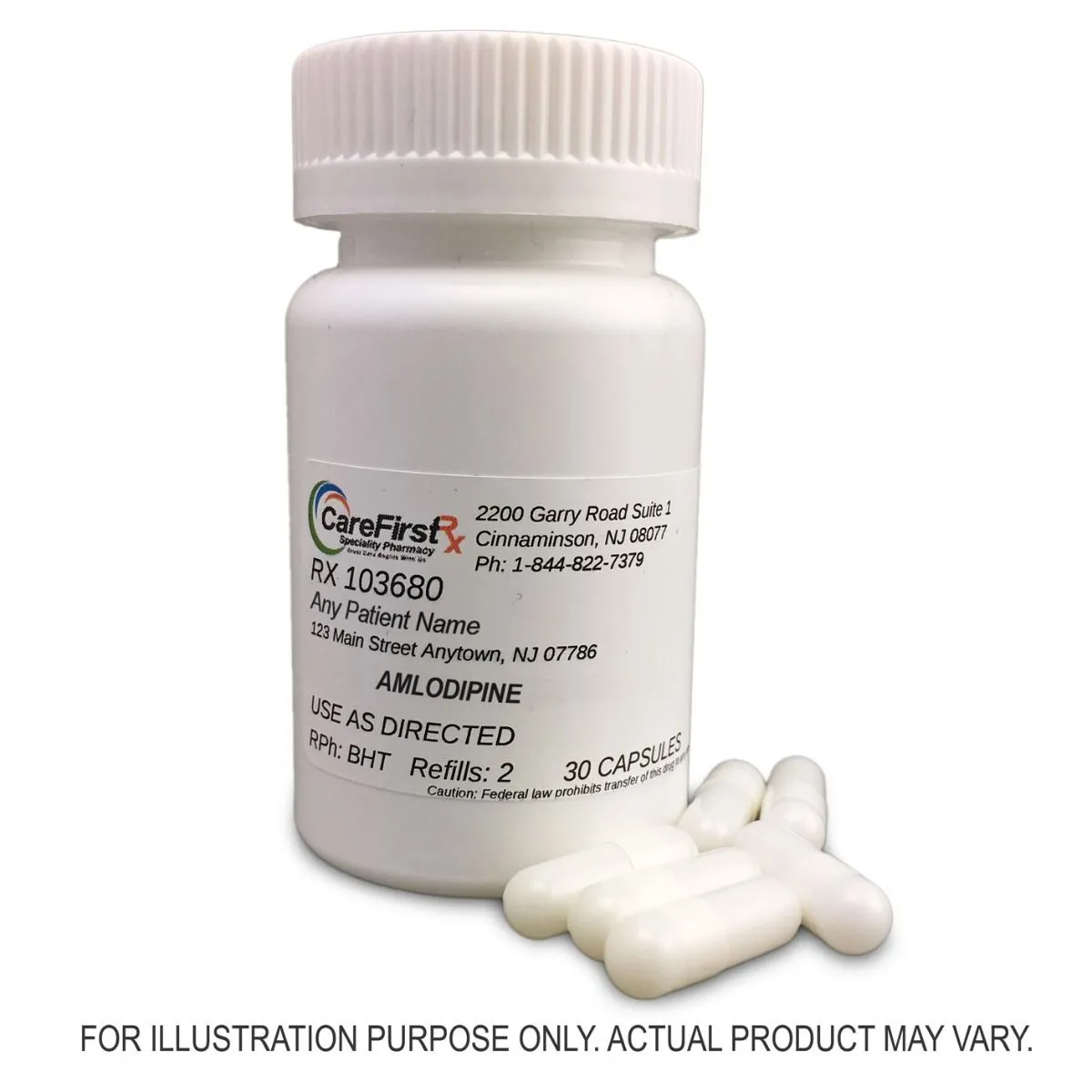
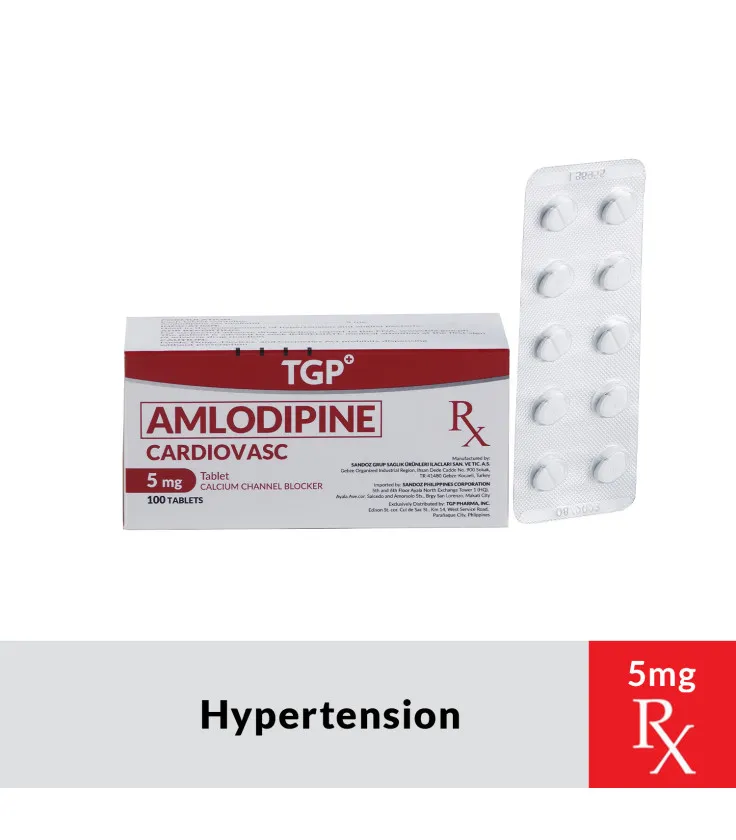
Amlodipine (commonly marketed as Norvasc) is a potent, long-acting calcium channel blocker (CCB) belonging to the dihydropyridine class. It is one of the most frequently prescribed medications in modern cardiology for the management of hypertension and chronic stable angina. By modulating the movement of calcium ions across cellular membranes, Amlodipine exerts powerful vasodilatory effects, effectively reducing systemic vascular resistance and myocardial oxygen demand.
As an orthopedic specialist, I often encounter patients who are prescribed Amlodipine for comorbid cardiovascular conditions. Understanding how this medication interacts with systemic physiology is critical for managing patients who may also be undergoing surgical procedures or suffering from chronic pain conditions where hemodynamic stability is paramount.
Technical Specifications and Mechanism of Action
The Dihydropyridine Mechanism
Amlodipine inhibits the transmembrane influx of calcium ions into vascular smooth muscle and cardiac muscle. Unlike non-dihydropyridine CCBs (such as verapamil or diltiazem), Amlodipine has a more pronounced effect on vascular smooth muscle than on cardiac conduction tissues.
- Vascular Smooth Muscle: By blocking L-type calcium channels, Amlodipine prevents the influx of calcium required for muscle contraction. This leads to the relaxation of arterial smooth muscle.
- Vasodilation: The resulting peripheral arterial vasodilation decreases total peripheral resistance (afterload), which lowers blood pressure.
- Coronary Artery Dilation: It also dilates coronary arteries and arterioles, increasing myocardial oxygen delivery in patients with vasospastic (Prinzmetal’s) angina.
Pharmacokinetics
Amlodipine is characterized by a slow onset and a long duration of action, which is ideal for once-daily dosing.
| Feature | Data |
|---|---|
| Bioavailability | 64% – 90% |
| Peak Plasma Time | 6 – 12 hours |
| Metabolism | Extensive hepatic metabolism (CYP3A4) |
| Elimination Half-life | 30 – 50 hours |
| Protein Binding | ~93% |
Clinical Indications and Usage
Amlodipine is indicated for several cardiovascular pathologies. It is frequently utilized as a first-line treatment for essential hypertension, either as a monotherapy or in combination with other antihypertensive agents.
1. Hypertension
Amlodipine is used to lower blood pressure in both adults and pediatric patients (6 years and older). Lowering blood pressure reduces the risk of fatal and nonfatal cardiovascular events, primarily strokes and myocardial infarctions.
2. Chronic Stable Angina
It is indicated for the symptomatic treatment of chronic stable angina. It works by reducing afterload, thereby decreasing the workload of the heart and the oxygen consumption of the myocardium.
3. Vasospastic Angina (Prinzmetal’s or Variant)
Amlodipine is highly effective in preventing coronary artery spasms, providing relief for patients suffering from variant angina.
4. Coronary Artery Disease (CAD)
In patients with documented CAD, Amlodipine is used to reduce the risk of hospitalization for angina and to reduce the risk of a coronary revascularization procedure.
Dosage Guidelines
Dosage must be individualized based on the patient's clinical response and tolerability.
- Hypertension (Adults): Usual initial dose is 5 mg once daily. The maximum recommended dose is 10 mg once daily.
- Hypertension (Pediatric 6-17 years): The effective dose is 2.5 mg to 5 mg once daily.
- Angina (Adults): Usual dose is 5 mg to 10 mg once daily. Most patients require 10 mg for adequate effect.
- Hepatic Impairment: Because Amlodipine is extensively metabolized by the liver, clearance is reduced. A lower starting dose of 2.5 mg is recommended in patients with severe hepatic impairment.
Contraindications and Risks
Contraindications
- Hypersensitivity: Known sensitivity to Amlodipine or any component of the formulation.
- Severe Hypotension: Should be avoided in patients with clinically significant hypotension.
Common Side Effects
The most common side effect of Amlodipine is peripheral edema, which is dose-dependent and results from precapillary vasodilation.
- Cardiovascular: Edema (swelling of ankles/feet), palpitations, flushing.
- Neurological: Dizziness, fatigue, somnolence, headache.
- Gastrointestinal: Abdominal pain, nausea.
Drug Interactions
- CYP3A4 Inhibitors: Strong inhibitors (e.g., ketoconazole, clarithromycin, ritonavir) can increase plasma concentrations of Amlodipine.
- Simvastatin: Amlodipine may increase exposure to simvastatin; dose limitations of simvastatin (usually 20 mg) are advised when co-administered.
- Cyclosporine/Tacrolimus: Amlodipine may increase the trough levels of these immunosuppressants.
Pregnancy and Lactation
- Pregnancy: Amlodipine is classified under FDA Pregnancy Category C. It should only be used during pregnancy if the potential benefit justifies the potential risk to the fetus.
- Lactation: It is unknown if Amlodipine is excreted in human milk. Caution should be exercised when administering to a nursing mother.
Overdose Management
An overdose of Amlodipine may lead to excessive peripheral vasodilation with marked hypotension and possibly reflex tachycardia.
- Gastric Lavage: May be considered if the ingestion is recent.
- Cardiovascular Support: Active cardiac and respiratory monitoring is essential. Frequent blood pressure measurements are required.
- Vasopressors: If hypotension is severe, intravenous calcium gluconate, vasopressors, and fluid resuscitation may be necessary to restore blood pressure and cardiac output.
- Dialysis: Amlodipine is not significantly dialyzable due to high protein binding.
Frequently Asked Questions (FAQ)
1. Does Amlodipine cause weight gain?
Amlodipine does not cause metabolic weight gain, but it frequently causes peripheral edema (fluid retention in the legs), which may cause a patient to perceive an increase in body weight or swelling.
2. Should I take Amlodipine with food?
Amlodipine can be taken with or without food. Consistency in your routine is more important for maintaining stable blood levels.
3. Can I drink grapefruit juice while on Amlodipine?
It is generally recommended to avoid large quantities of grapefruit or grapefruit juice, as they can inhibit the CYP3A4 enzyme and potentially increase the levels of Amlodipine in your bloodstream.
4. What should I do if I miss a dose?
Take the dose as soon as you remember. If it is nearly time for your next dose, skip the missed dose. Do not take two doses at once to compensate.
5. Why do my ankles swell while taking Amlodipine?
Peripheral edema is a common side effect of dihydropyridine CCBs. It occurs because the medication dilates the small arteries more than the veins, causing fluid to leak into the tissues of the lower extremities.
6. Can Amlodipine be used for heart failure?
Amlodipine is generally safe in heart failure, but it is not typically considered a first-line treatment for heart failure with reduced ejection fraction compared to ACE inhibitors or beta-blockers.
7. How long does it take for Amlodipine to work?
While some blood pressure reduction may occur within a few hours, it may take 1 to 2 weeks of consistent daily usage to achieve the full therapeutic effect.
8. Does Amlodipine interact with common pain relievers?
Amlodipine does not have significant interactions with acetaminophen. However, chronic use of NSAIDs (like ibuprofen or naproxen) can sometimes antagonize the blood-pressure-lowering effects of Amlodipine.
9. Can I stop taking Amlodipine suddenly?
No. Stopping antihypertensive medication suddenly can lead to rebound hypertension. Always consult your physician before discontinuing or changing your dosage.
10. Is Amlodipine a beta-blocker?
No. Amlodipine is a calcium channel blocker. Beta-blockers (like metoprolol) work through a completely different mechanism involving the inhibition of adrenaline receptors.
Disclaimer: This guide is for educational purposes only and does not constitute medical advice. Always consult with a licensed healthcare professional or your primary care physician before beginning or altering any medication regimen.