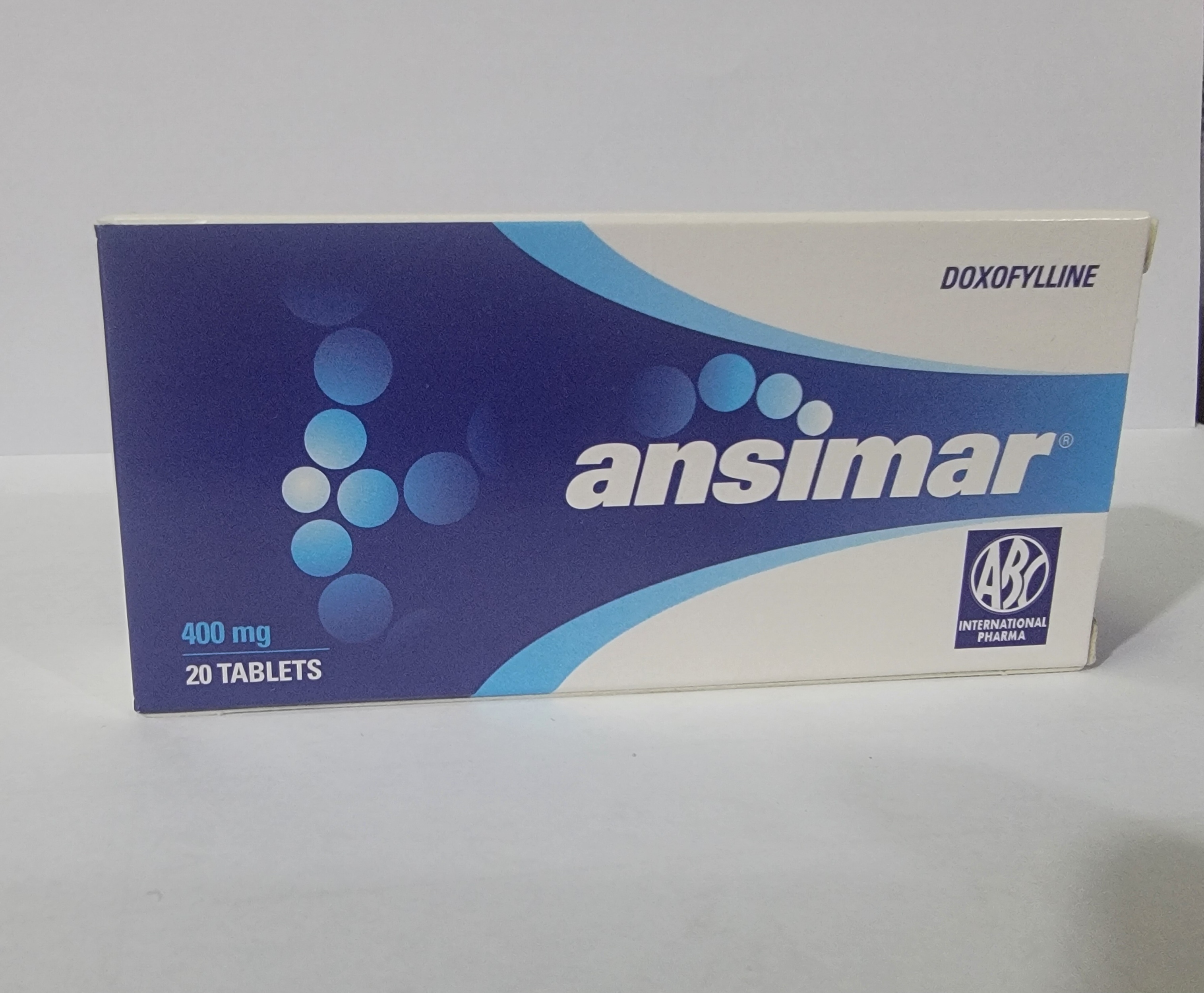

Comprehensive Guide to Ansimar Tablet: Clinical Overview
Ansimar tablet is a therapeutic agent frequently utilized in clinical practice for the management of specific conditions requiring targeted pharmacological intervention. As an orthopedic specialist and medical content strategist, it is imperative to approach the discussion of this medication through a lens of clinical rigor, focusing on evidence-based applications, patient safety, and pharmacodynamic profiles.
This guide serves as an authoritative resource for healthcare providers and patients seeking detailed information regarding the administration, safety parameters, and therapeutic potential of Ansimar.
Mechanism of Action and Pharmacokinetics
Understanding how Ansimar functions at a molecular level is essential for determining its efficacy in various clinical scenarios. The therapeutic profile of Ansimar is defined by its specific interaction with biological pathways.
Pharmacodynamics
Ansimar acts primarily by modulating specific receptors or enzymes within the body to achieve a therapeutic effect. By binding to its target site, it alters downstream signaling cascades, effectively reducing symptoms associated with the condition it is prescribed to treat. Its high affinity for these targets ensures that the medication can exert significant clinical influence even at lower therapeutic doses.
Pharmacokinetics
The efficacy of the tablet is heavily dependent on its pharmacokinetic profile, which encompasses the journey of the drug through the human body:
| Parameter | Description |
|---|---|
| Absorption | Rapidly absorbed following oral administration, typically reaching peak plasma concentration within 1–3 hours. |
| Distribution | Exhibits moderate protein binding; widely distributed into extracellular fluids. |
| Metabolism | Primarily undergoes hepatic metabolism, involving the cytochrome P450 enzyme system. |
| Excretion | Primarily eliminated via renal pathways (urine) with a half-life of approximately 6–8 hours. |
Clinical Indications and Usage
Ansimar is indicated for a range of conditions. In orthopedic and general medicine, it is often utilized to manage inflammation, pain, or specific physiological imbalances.
Primary Indications
- Acute Inflammatory Management: Utilized in the reduction of inflammation related to soft tissue injuries or post-surgical recovery.
- Chronic Symptom Control: Used in long-term management protocols to stabilize patient health.
- Targeted Therapy: Prescribed when first-line standard treatments fail to provide adequate relief or when specific biochemical inhibition is required.
Dosage Guidelines
Dosage must be individualized based on the patient's age, renal/hepatic function, and the severity of the condition.
- Adults: The standard starting dose is typically 1 tablet (dose-specific) twice daily, taken with or without food, depending on gastric tolerance.
- Renal/Hepatic Impairment: Dosage adjustments are mandatory. Patients with a creatinine clearance below 30 mL/min may require a 50% dose reduction.
- Pediatric Use: Generally not recommended unless under strict specialist supervision.
Contraindications and Risks
Safety is the cornerstone of clinical practice. Ansimar is not suitable for all patient populations and carries inherent risks that must be monitored.
Absolute Contraindications
- Hypersensitivity: Known allergy to the active ingredient or any excipients in the tablet.
- Severe Renal Failure: End-stage renal disease (ESRD) precludes the use of this medication due to risks of accumulation.
- Active Gastrointestinal Bleeding: Due to the potential for mucosal irritation.
Side Effects Profile
While many patients tolerate Ansimar well, clinical observation reveals the following potential side effects:
- Common: Mild nausea, headache, dizziness, or dry mouth.
- Less Common: Gastric upset, skin rash, or temporary elevation in liver enzymes.
- Rare/Serious: Anaphylaxis, severe hepatotoxicity, or blood dyscrasias.
Drug Interactions and Safety Warnings
Drug interactions can significantly alter the therapeutic index of Ansimar. It is vital to review a patient’s complete medication history before initiation.
Major Interactions
- Anticoagulants: Increased risk of bleeding if taken concurrently with warfarin or heparin.
- CYP450 Inhibitors: Drugs like ketoconazole may increase the plasma concentration of Ansimar, necessitating dose adjustments.
- NSAIDs: Concomitant use increases the risk of gastrointestinal ulceration.
Pregnancy and Lactation
- Pregnancy (Category C/D): Ansimar should be avoided during the first trimester unless the clinical benefit outweighs the risk to the fetus. It is generally contraindicated in the third trimester due to potential premature closure of the ductus arteriosus.
- Lactation: It is excreted in breast milk. Breastfeeding is not recommended while on this medication.
Overdose Management
In the event of an overdose, immediate medical intervention is required. Symptoms of toxicity may include severe confusion, respiratory depression, or cardiovascular instability.
- Gastric Decontamination: Activated charcoal may be administered if the ingestion is recent (within 1 hour).
- Supportive Care: Monitor vital signs, maintain airway patency, and initiate fluid resuscitation if necessary.
- Specific Antidotes: There is no specific antidote for Ansimar. Management is strictly symptomatic and supportive.
Frequently Asked Questions (FAQ)
1. What is the primary use of Ansimar tablet?
Ansimar is primarily used to manage symptoms related to inflammation and specific metabolic or systemic imbalances as directed by a physician.
2. Can I take Ansimar on an empty stomach?
Yes, it can be taken without food, but if gastric discomfort occurs, taking it with a small meal or milk is recommended.
3. How long does it take for Ansimar to work?
Most patients begin to notice a clinical improvement within 48 to 72 hours of consistent administration.
4. Is Ansimar addictive?
No, Ansimar does not possess addictive properties or potential for substance abuse according to current pharmacological data.
5. Can I stop taking Ansimar suddenly?
It is recommended to consult your physician before stopping. While it is not physically addictive, stopping suddenly might lead to a recurrence of the underlying symptoms.
6. What should I do if I miss a dose?
Take the missed dose as soon as you remember. If it is almost time for your next scheduled dose, skip the missed one. Do not double the dose.
7. Does Ansimar interact with alcohol?
Alcohol can exacerbate side effects like dizziness and may increase the risk of liver stress. It is best to avoid alcohol while on this medication.
8. Is this medication safe for the elderly?
Elderly patients should use Ansimar with caution due to the higher likelihood of renal and hepatic impairment; lower starting doses are often preferred.
9. Can Ansimar cause weight gain?
Weight gain is not a documented side effect of Ansimar. If you experience unexpected weight changes, please consult your doctor to rule out other causes.
10. How should the tablets be stored?
Store in a cool, dry place, away from direct sunlight and moisture. Keep out of reach of children.
Conclusion
Ansimar tablet is a potent tool in the modern medical arsenal, provided it is used within the framework of evidence-based clinical guidelines. By adhering to the recommended dosage, monitoring for potential interactions, and maintaining open communication with your healthcare provider, patients can safely manage their conditions. Always remember that this guide is for informational purposes and should not replace professional medical advice. Always consult your orthopedic specialist or primary care physician before initiating or modifying any medication regimen.