

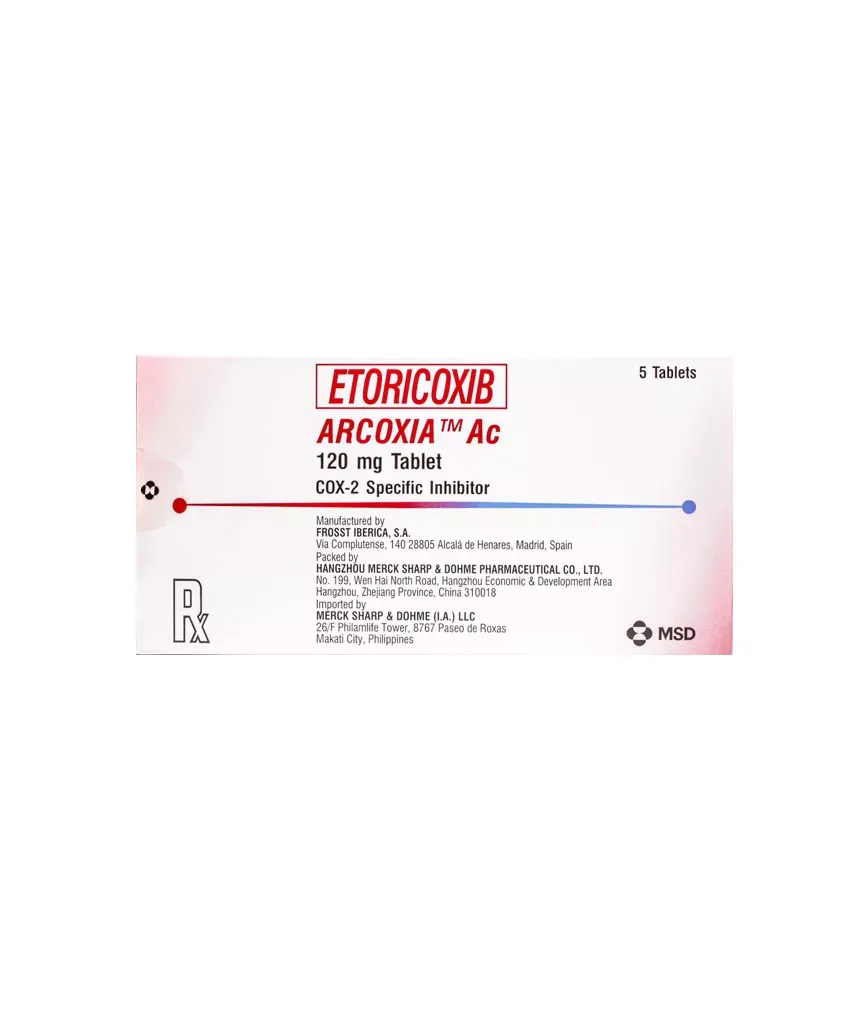

Comprehensive Overview of Arcoxia (Etoricoxib)
Arcoxia, known generically as Etoricoxib, is a potent, non-steroidal anti-inflammatory drug (NSAID) belonging to the class of selective COX-2 (cyclooxygenase-2) inhibitors. Since its development, it has become a cornerstone in orthopedic and rheumatological pain management due to its rapid onset of action and sustained relief profile.
Unlike traditional non-selective NSAIDs that inhibit both COX-1 and COX-2 enzymes, Arcoxia is specifically engineered to target the COX-2 enzyme. This selectivity is intended to reduce inflammation and pain while minimizing the gastrointestinal (GI) side effects typically associated with the inhibition of COX-1, which protects the gastric mucosa.
Mechanism of Action: The Science Behind Etoricoxib
To understand why Arcoxia is effective, one must look at the biochemical pathway of pain and inflammation.
The Role of COX Enzymes
- COX-1: Constitutively expressed in most tissues, responsible for maintaining gastric mucosal integrity and renal blood flow.
- COX-2: Induced primarily at sites of inflammation by cytokines and growth factors. It is the primary driver of prostaglandin synthesis, which leads to pain, swelling, and fever.
Pharmacodynamics
Arcoxia acts by selectively inhibiting the COX-2 isoenzyme. By blocking the conversion of arachidonic acid into prostaglandins specifically at the site of injury or inflammation, it provides significant analgesic and anti-inflammatory effects. Because it spares COX-1 at therapeutic doses, it is often preferred for patients who require long-term anti-inflammatory therapy but are at moderate risk for GI complications.
Pharmacokinetics: Absorption, Distribution, and Metabolism
Understanding how the body processes Arcoxia is essential for clinical dosing.
| Feature | Description |
|---|---|
| Bioavailability | Approximately 100% after oral administration. |
| Peak Plasma Time | Reached within 1 hour in the fasted state. |
| Protein Binding | Highly bound to plasma proteins (~92%). |
| Metabolism | Primarily hepatic via cytochrome P450 (CYP) enzymes (CYP3A4). |
| Elimination Half-life | Approximately 22 hours, allowing for once-daily dosing. |
Extensive Clinical Indications & Usage
Arcoxia is indicated for the symptomatic relief of several chronic and acute conditions. It is not intended for long-term use at high doses without medical supervision.
Primary Indications
- Osteoarthritis (OA): Relief of signs and symptoms of OA, including joint pain and stiffness.
- Rheumatoid Arthritis (RA): Management of the signs and symptoms of RA.
- Ankylosing Spondylitis: Treatment of pain and inflammation associated with this spinal condition.
- Acute Gouty Arthritis: Rapid reduction of pain during an acute flare.
- Post-Operative Dental Pain: Short-term management of moderate pain following dental surgery.
- Primary Dysmenorrhea: Relief of menstrual pain.
Dosage Guidelines
Dosage is strictly dependent on the condition being treated. Clinicians should always prescribe the lowest effective dose for the shortest duration necessary to control symptoms.
| Condition | Recommended Dose |
|---|---|
| Osteoarthritis | 30 mg to 60 mg once daily |
| Rheumatoid Arthritis | 60 mg to 90 mg once daily |
| Ankylosing Spondylitis | 60 mg to 90 mg once daily |
| Acute Gouty Arthritis | 120 mg once daily (max 8 days) |
| Post-Op Dental Pain | 90 mg once daily (max 3 days) |
Contraindications and Safety Warnings
Arcoxia is a powerful medication and is not suitable for everyone. Patients must be screened for cardiovascular and renal risk factors before initiation.
Absolute Contraindications
- Hypersensitivity: Known allergy to etoricoxib or any excipients.
- Active Peptic Ulceration: Or active gastrointestinal (GI) bleeding.
- Severe Hepatic Dysfunction: Patients with Child-Pugh scores ≥9.
- Renal Impairment: Severe impairment (creatinine clearance <30 mL/min).
- Inflammatory Bowel Disease: Crohn's disease or Ulcerative Colitis.
- Cardiovascular Disease: History of established ischemic heart disease, peripheral arterial disease, or cerebrovascular disease.
- Uncontrolled Hypertension: Patients with blood pressure consistently above 140/90 mmHg.
Pregnancy and Lactation
- Pregnancy: Arcoxia is generally contraindicated during the third trimester as it may cause premature closure of the ductus arteriosus. Use in the first and second trimesters should only occur if the benefit outweighs the risk.
- Lactation: Etoricoxib is excreted in the milk of lactating rats; it is unknown if it is excreted in human breast milk. Breastfeeding is not recommended while on this medication.
Drug Interactions
Arcoxia can interact with various medications, altering their efficacy or increasing the risk of adverse events.
- Warfarin/Anticoagulants: Increased risk of bleeding; INR should be monitored closely.
- ACE Inhibitors/Diuretics: NSAIDs may reduce the anti-hypertensive effect and increase the risk of renal failure.
- Lithium: Arcoxia may increase plasma lithium levels, leading to toxicity.
- Methotrexate: Potential for increased plasma concentrations of methotrexate, leading to toxicity.
- Oral Contraceptives: Arcoxia may increase the bioavailability of ethinyl estradiol.
Overdose Management
While clinical experience with overdose is limited, the following protocols are generally recommended:
* Assessment: Monitor for clinical signs of toxicity (e.g., GI irritation, renal impairment, CNS depression).
* Supportive Care: In the event of an overdose, standard supportive measures should be employed (e.g., gastric lavage, activated charcoal if within a short timeframe).
* Elimination: Etoricoxib is not removed by hemodialysis; forced diuresis or peritoneal dialysis is unlikely to be effective.
Frequently Asked Questions (FAQ)
1. Is Arcoxia the same as Ibuprofen?
No. Ibuprofen is a non-selective NSAID that inhibits both COX-1 and COX-2. Arcoxia is a selective COX-2 inhibitor, which theoretically provides a better gastrointestinal safety profile.
2. Can I take Arcoxia on an empty stomach?
Yes, Arcoxia can be taken with or without food. However, taking it with food may slightly reduce the speed of absorption.
3. How long does it take for Arcoxia to start working?
Most patients report onset of pain relief within 30 to 60 minutes after ingestion.
4. Why is Arcoxia not recommended for heart patients?
Like many NSAIDs, COX-2 inhibitors may be associated with an increased risk of thrombotic cardiovascular events, such as myocardial infarction and stroke.
5. Can I drink alcohol while taking Arcoxia?
While there is no direct contraindication, alcohol can irritate the stomach lining. Combining alcohol with NSAIDs may increase the risk of gastric bleeding.
6. What should I do if I miss a dose?
Take the missed dose as soon as you remember. If it is almost time for your next dose, skip the missed dose and resume your regular schedule. Do not take a double dose.
7. Does Arcoxia cause weight gain?
Fluid retention is a known side effect of NSAIDs, including Arcoxia. This can lead to minor weight gain or swelling (edema) in the ankles.
8. Is Arcoxia an antibiotic?
No, Arcoxia is an anti-inflammatory medication, not an antibiotic. It does not treat infections.
9. Can I take Arcoxia with Paracetamol?
Yes, they are generally safe to combine, as they work through different pain-relief pathways. Always consult your doctor for personalized advice.
10. Can I take Arcoxia long-term?
Long-term use should only occur under strict medical supervision, with regular blood pressure monitoring and kidney/liver function tests.
Disclaimer: This guide is for informational purposes only and does not constitute medical advice. Always consult a qualified healthcare professional before starting or changing any medication regimen. If you suspect an adverse reaction, contact emergency services immediately.