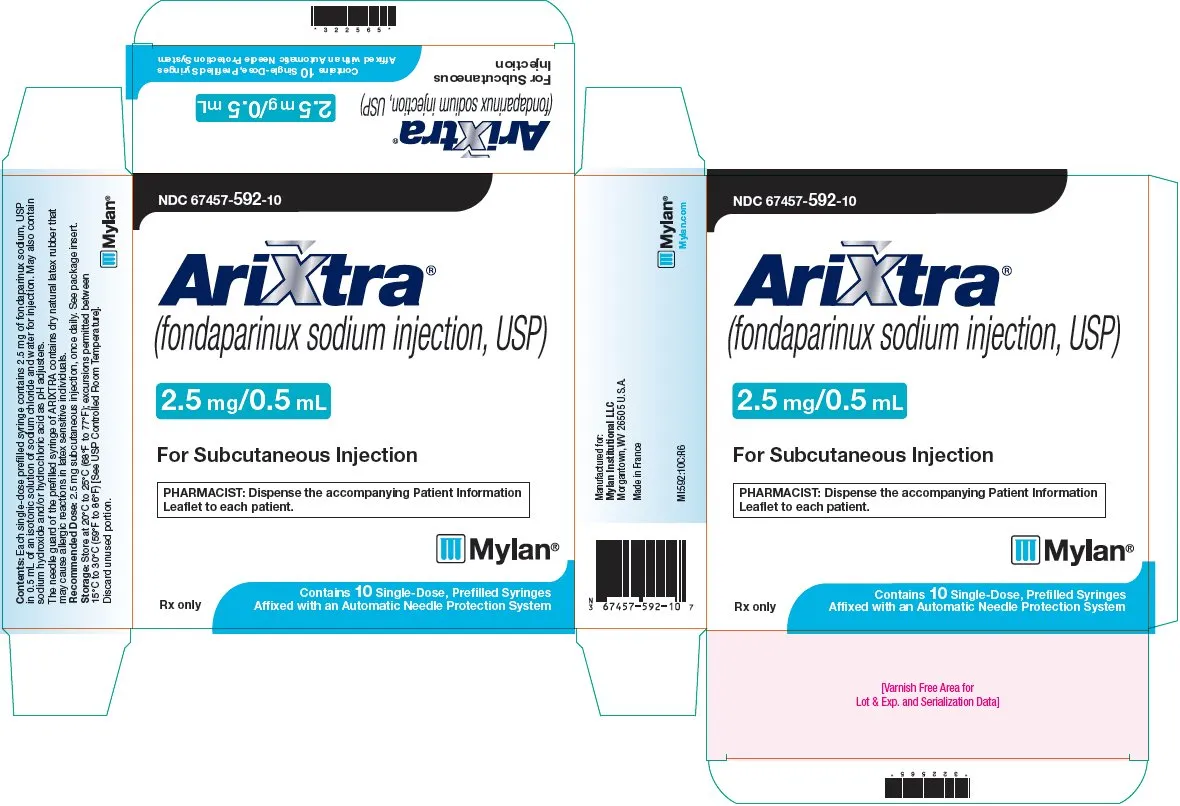

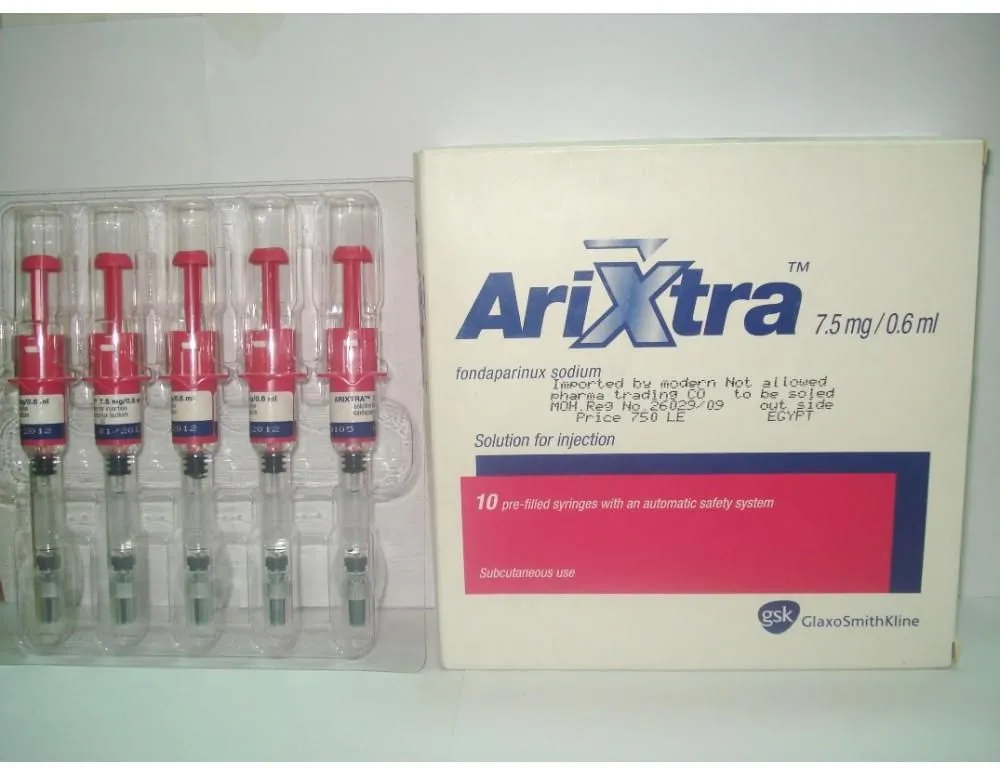

Comprehensive Guide to Arixtra (Fondaparinux Sodium)
Arixtra, known generically as fondaparinux sodium, represents a significant advancement in anticoagulant therapy. As a synthetic pentasaccharide, it serves as a selective inhibitor of activated Factor X (Factor Xa). By interrupting the coagulation cascade, Arixtra is primarily utilized in the prevention and treatment of venous thromboembolic events (VTE). This guide provides an authoritative overview of its pharmacological profile, clinical application, and safety standards.
1. Mechanism of Action: The Science of Selective Inhibition
Unlike traditional heparin-based anticoagulants that act on multiple factors, Arixtra is a highly specific agent.
How It Works
Arixtra works by binding selectively to antithrombin III (ATIII). This binding potentiates the innate neutralization of Factor Xa by ATIII by approximately 300-fold.
- Selective Inhibition: By inhibiting Factor Xa, Arixtra effectively interrupts the blood coagulation cascade, preventing the conversion of prothrombin to thrombin.
- No Thrombin Inhibition: Unlike unfractionated heparin, fondaparinux does not directly bind to thrombin (Factor IIa), which contributes to its unique safety profile.
- Irreversible Binding: The complex formed between fondaparinux and ATIII is stable, ensuring a predictable and consistent anticoagulant effect.
2. Pharmacokinetics and Pharmacodynamics
Understanding the metabolic pathway of Arixtra is essential for clinical dosing and monitoring.
| Feature | Description |
|---|---|
| Bioavailability | 100% following subcutaneous administration. |
| Protein Binding | Highly bound to antithrombin. |
| Metabolism | Not extensively metabolized. |
| Half-life | Approximately 17–21 hours in healthy adults. |
| Excretion | Primarily renal (unchanged drug). |
Because Arixtra is excreted renally, its clearance is highly dependent on creatinine clearance (CrCl). Patients with severe renal impairment are at a significantly higher risk of accumulation and major bleeding events.
3. Clinical Indications and Usage
Arixtra is FDA-approved for several critical clinical scenarios, primarily focused on the prevention and treatment of clots in surgical and medical patients.
Primary Indications
- Deep Vein Thrombosis (DVT) Prophylaxis: Indicated for patients undergoing hip fracture surgery, hip replacement, knee replacement, or abdominal surgery.
- Treatment of Acute DVT: Used in conjunction with warfarin for the treatment of acute DVT.
- Treatment of Acute Pulmonary Embolism (PE): Used when initial therapy is required in an inpatient setting.
Dosage Guidelines
Dosing is strictly dictated by the patient's body weight and clinical indication.
- Prophylaxis (Surgical): Typically 2.5 mg administered subcutaneously once daily. The first dose should be administered no earlier than 6–8 hours post-operatively.
- Treatment (DVT/PE):
- < 50 kg: 5 mg once daily.
- 50–100 kg: 7.5 mg once daily.
-
100 kg: 10 mg once daily.
4. Contraindications and Safety Warnings
Arixtra is a potent anticoagulant and must be used with extreme caution. It is contraindicated in the following scenarios:
Absolute Contraindications
- Severe Renal Impairment: Contraindicated in patients with CrCl < 30 mL/min.
- Active Major Bleeding: Any ongoing hemorrhage precludes the use of Arixtra.
- Bacterial Endocarditis: Should not be used in these patients.
- Thrombocytopenia: Specifically in patients with a history of Heparin-Induced Thrombocytopenia (HIT).
Pregnancy and Lactation
- Pregnancy: Arixtra is classified as Pregnancy Category B. It should only be used if clearly needed, as data on fetal risk is limited.
- Lactation: It is unknown if fondaparinux is excreted in human milk. Caution is advised when administering to breastfeeding mothers.
5. Drug Interactions and Overdose Management
Drug Interactions
Because Arixtra affects the coagulation cascade, caution is required when using it alongside other drugs that increase bleeding risk:
* NSAIDs/Aspirin: Increases risk of gastric bleeding.
* Antiplatelet Agents: Clopidogrel and glycoprotein IIb/IIIa inhibitors may potentiate bleeding.
* Thrombolytics: Concurrent use is strongly discouraged.
Overdose Management
There is no specific antidote for Arixtra. In the event of a severe bleeding episode due to overdose:
1. Discontinuation: Stop the drug immediately.
2. Supportive Care: Manage hemodynamics and fluid status.
3. Surgical Intervention: Consider surgical hemostasis if appropriate.
4. Recombinant Factor VIIa: While sometimes used off-label in life-threatening hemorrhage, its efficacy with fondaparinux is not fully established.
6. Frequently Asked Questions (FAQ)
1. Is Arixtra considered a "blood thinner"?
Yes, Arixtra is an anticoagulant, commonly referred to as a blood thinner, which helps prevent the formation of harmful blood clots.
2. How is Arixtra administered?
Arixtra is administered via subcutaneous injection, usually in the abdominal area.
3. Does Arixtra cause Heparin-Induced Thrombocytopenia (HIT)?
No. Unlike heparin, Arixtra is a synthetic molecule that does not cross-react with HIT antibodies, making it a viable alternative for patients with a history of HIT.
4. Do I need regular blood tests while on Arixtra?
Unlike warfarin, Arixtra does not require routine INR monitoring. However, periodic renal function tests are essential.
5. What should I do if I miss a dose?
Administer the dose as soon as you remember. If it is nearly time for your next dose, skip the missed one. Do not take two doses at once.
6. Can I take Arixtra if I have kidney problems?
Arixtra is strictly contraindicated in patients with severe renal impairment (CrCl < 30 mL/min). Always consult your nephrologist before use.
7. How long does Arixtra stay in the system?
Due to its 17–21 hour half-life, it takes several days for the drug to be fully cleared from the body after cessation.
8. Is Arixtra safe for elderly patients?
Elderly patients have a higher risk of bleeding and potentially reduced renal function. Use with caution and monitor renal function closely.
9. Can Arixtra be used during pregnancy?
It is not the first-line choice for pregnancy; low-molecular-weight heparin (LMWH) is usually preferred. Discuss risks with an obstetrician.
10. Does Arixtra affect my diet?
Unlike warfarin, which is affected by Vitamin K intake, Arixtra has no dietary restrictions.
Conclusion: Clinical Responsibility
Arixtra is a highly effective, targeted anticoagulant that offers a predictable pharmacological profile. However, its reliance on renal clearance and the lack of a specific reversal agent require clinicians to exercise strict vigilance. By adhering to dosing guidelines based on weight and renal function, healthcare providers can significantly reduce the risk of thromboembolic events while minimizing the potential for hemorrhage.
Disclaimer: This guide is for educational purposes only and does not constitute medical advice. Always consult with a licensed physician or pharmacist before starting or adjusting anticoagulant therapy.