

Comprehensive Guide to Arm Braces: Orthopedic Support and Functional Recovery
An arm brace is a specialized orthopedic medical device designed to provide structural support, stability, and immobilization for the upper extremity, including the shoulder, humerus, elbow, forearm, and wrist. Unlike pharmacological interventions, an arm brace acts as a mechanical therapeutic agent that alters the biomechanics of the musculoskeletal system to promote healing, prevent further injury, and manage chronic conditions.
In clinical practice, the selection of an appropriate arm brace is contingent upon the specific anatomical location of the pathology and the desired therapeutic outcome—whether that is complete immobilization, controlled range-of-motion (ROM) restriction, or proprioceptive feedback for pain modulation.
Mechanism of Action and Biomechanical Principles
The "mechanism of action" for an orthopedic brace is fundamentally mechanical rather than biochemical. By applying external force to the musculoskeletal structure, the brace achieves several therapeutic goals:
- Load Reduction: By providing structural support, the brace offloads tension from injured ligaments, tendons, or fractures.
- Stabilization: It restricts unwanted movement in the sagittal, frontal, or transverse planes, allowing soft tissues to heal without the disruption caused by kinetic stress.
- Compression: Many soft-tissue braces provide circumferential compression, which aids in reducing edema (swelling) by enhancing lymphatic drainage and venous return.
- Proprioception: The tactile feedback provided by the brace improves the wearer's spatial awareness of the joint, which can reduce the risk of re-injury during the rehabilitation phase.
Biomechanical Classification of Braces
| Type | Mechanism | Primary Goal |
|---|---|---|
| Rigid | Non-elastic immobilization | Fracture healing, post-op stability |
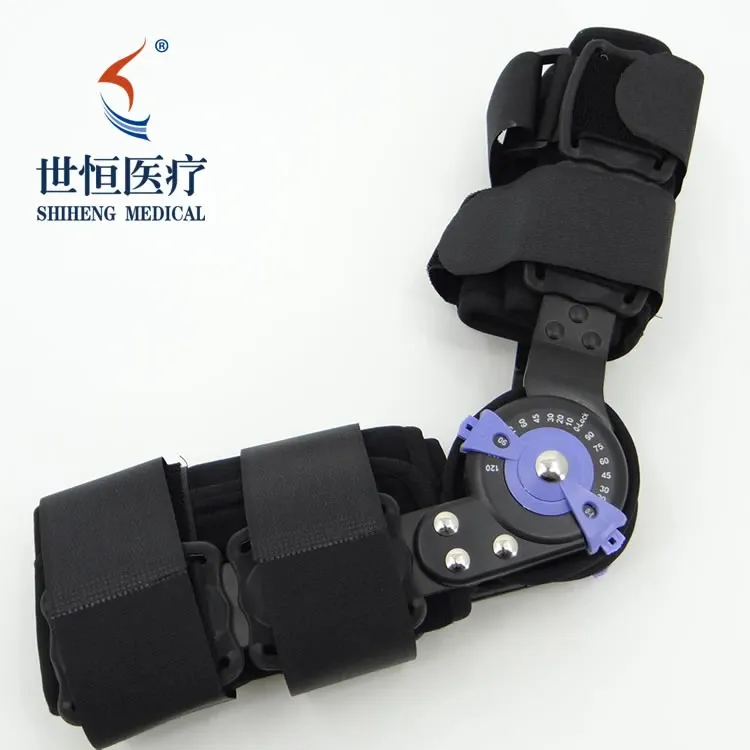
| Hinged | Controlled ROM | Ligamentous repair, joint protection |
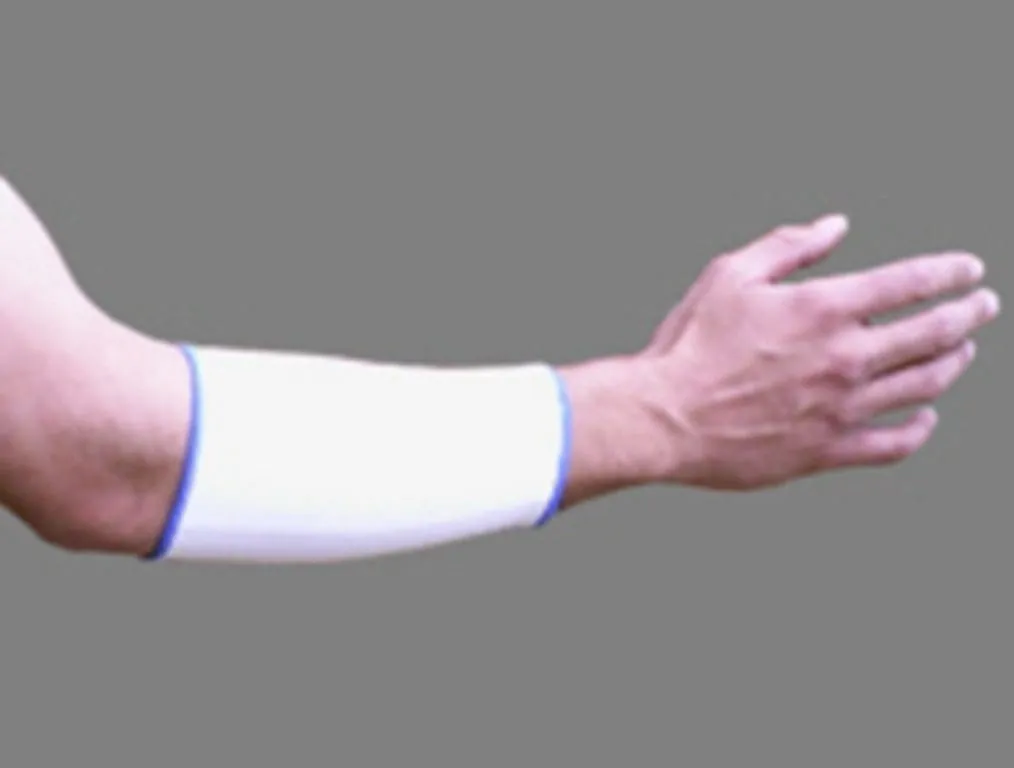
| Compression | Elastic pressure | Edema control, tendonitis support |
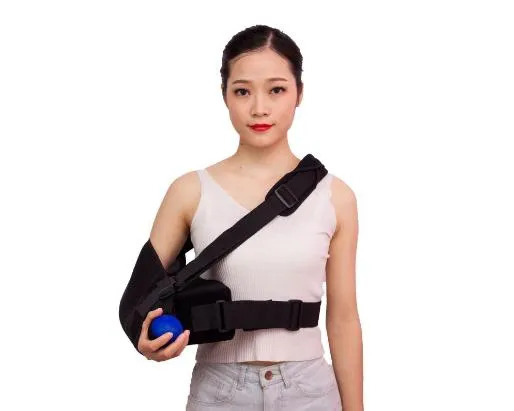
| Static | Fixed positioning | Contracture management, nerve palsy |
Pharmacokinetics and Orthopedic Application (The "Brace-Kinetic" Analogy)
While an arm brace is not a drug, its effectiveness follows a profile similar to pharmacokinetics:
- Absorption (Fit): The "absorption" of the brace is its proper application. A poorly fitted brace fails to deliver the required mechanical force, rendering it therapeutically inert.
- Distribution (Coverage): The brace must cover the correct anatomical segments to ensure structural integrity.
- Metabolism (Wear Time): The "metabolism" of the brace is the patient’s compliance. If the brace is not worn according to the prescribed schedule, the therapeutic window is lost.
- Excretion (Discontinuation): This refers to the weaning process, where the brace is gradually removed as the underlying tissue regains functional strength.
Detailed Clinical Indications
The use of an arm brace is indicated for a wide variety of orthopedic, neurological, and post-traumatic conditions.
1. Fractures and Trauma
- Humeral Shaft Fractures: Functional bracing allows for early mobilization while maintaining fracture alignment.
- Distal Radius Fractures: Post-cast stabilization to support the wrist during the consolidation phase.
2. Ligamentous and Tendinous Injuries
- Medial/Lateral Epicondylitis: Elbow braces provide counter-force to the origin of the common extensor/flexor tendons, reducing the load on the damaged tissue.
- Ligament Tears (MCL/LCL): Hinged braces prevent valgus/varus stress during the healing of collateral ligaments.
3. Neurological Conditions
- Radial Nerve Palsy: Static wrist-drop splints are used to maintain a functional hand position while the nerve recovers.
- Stroke Rehabilitation: Used to prevent shoulder subluxation or to manage spasticity-induced contractures.
4. Post-Operative Management
- Following Rotator Cuff repair, ACL/MCL reconstruction (if involving the arm), or ulnar nerve transposition.
Contraindications and Risks
While arm braces are essential tools, improper use can lead to secondary complications.
Absolute and Relative Contraindications
- Compromised Circulation: Braces that are too tight can lead to ischemia, particularly in patients with peripheral vascular disease or diabetes.
- Skin Integrity Issues: Open wounds, severe dermatological conditions, or insensate skin (diabetic neuropathy) require extreme caution to avoid pressure ulcers.
- Compartment Syndrome: Using an overly restrictive brace on an acute, swollen limb may exacerbate pressure within fascial compartments.
Potential Side Effects
- Muscle Atrophy: Prolonged, unnecessary immobilization can lead to the weakening of the musculature surrounding the joint.
- Joint Stiffness: Over-immobilization of a joint can result in the loss of range of motion.
- Contact Dermatitis: Reaction to the neoprene or synthetic materials used in brace construction.
Dosage Guidelines: The "Prescription" for Wear
"Dosage" in orthopedics refers to the frequency and duration of brace usage.
- Acute Phase (0-2 weeks): Continuous wear, often 24/7, to ensure absolute immobilization of the trauma site.
- Sub-acute Phase (2-6 weeks): Wear during activity and sleep, with supervised range-of-motion exercises in between.
- Rehabilitation Phase (6+ weeks): Wear during high-risk activities or strenuous labor; weaning off during rest.
Note: Always follow the specific duration prescribed by your orthopedic surgeon or physical therapist.
Pregnancy and Lactation Warnings
There are no known systemic pharmacological risks associated with arm braces during pregnancy or lactation. However, physiological changes during pregnancy (such as increased joint laxity due to relaxin) may require a reassessment of the brace's fit. Edema, common in pregnancy, may necessitate the transition to a larger size or a more adjustable brace model to prevent nerve compression.
Overdose Management (Improper Use)
"Overdose" in this context refers to Over-Bracing. If a patient wears a brace longer than necessary or tighter than required, they may suffer from:
* Dependency: The patient relies on the brace for stability, failing to engage the stabilizing muscles (core/rotator cuff/forearm flexors).
* Pressure Necrosis: Caused by constant, localized pressure.
* Corrective Action: If adverse effects occur, discontinue use immediately and consult a medical professional. Loosen the straps, perform gentle range-of-motion exercises, and ensure the brace is the correct size.
Frequently Asked Questions (FAQ)
1. How tight should my arm brace be?
It should be snug enough to provide stability but not so tight that it restricts circulation. You should be able to slide one or two fingers under the straps.
2. Can I wear my arm brace while sleeping?
Only if specifically instructed by your physician. In some cases, sleeping in a brace can lead to joint stiffness.
3. How do I clean my brace?
Most braces can be hand-washed with mild soap and cold water. Avoid high heat or tumble drying, as this can degrade the elastic integrity of the straps.
4. How long does it take for the injury to heal?
Healing times vary significantly based on the severity of the injury, age, and nutritional status. Consult your orthopedic specialist for an individualized recovery timeline.
5. Will wearing a brace make my muscles weak?
Prolonged, unnecessary use can cause muscle atrophy. This is why physical therapy is almost always prescribed in conjunction with bracing.
6. Can I shower with my brace?
Unless the brace is specifically designed for aquatic use, it should be removed. If you must wear it, ensure it is thoroughly dried afterward to prevent skin maceration.
7. What if the brace causes skin irritation?
Try wearing a moisture-wicking sleeve or a cotton stockinette underneath the brace to act as a barrier between your skin and the synthetic material.
8. Is there a difference between a "sleeve" and a "brace"?
Yes. A sleeve provides compression and proprioception, while a brace typically includes rigid components (stays, hinges, or plates) for structural support.
9. What should I do if I feel numbness or tingling?
This is a sign of nerve compression. Loosen the brace immediately and contact your doctor. Do not ignore these symptoms.
10. Can I drive while wearing an arm brace?
This depends on the restriction of your movement. If the brace prevents you from safely operating the vehicle, you must not drive. Check your local laws and consult your surgeon.
Conclusion
The arm brace is a sophisticated medical tool that, when used correctly, serves as a cornerstone of orthopedic recovery. By understanding the mechanical principles of stabilization, compression, and load management, patients can actively participate in their healing process. Always prioritize professional medical guidance, ensure proper fit, and integrate physical therapy to ensure the best possible functional outcome.