

Comprehensive Guide to the Medical Arm Sling: Clinical Standards
An arm sling is a fundamental orthopedic medical device designed to provide stabilization, support, and immobilization for the upper extremity. While often perceived as a simple support structure, the arm sling serves as a critical therapeutic intervention in the management of fractures, dislocations, soft tissue injuries, and post-surgical recovery. This guide explores the biomechanics, clinical application, and safety protocols required for effective orthopedic treatment using an arm sling.
1. Mechanism of Action and Biomechanical Stabilization
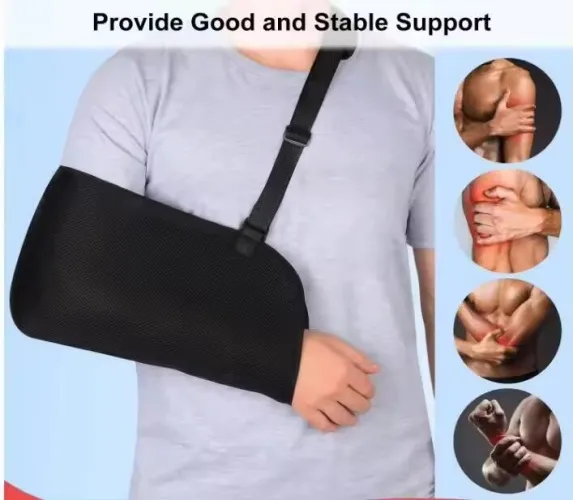
The primary mechanism of action for an arm sling is the redistribution of gravitational forces acting upon the humerus, radius, and ulna. By suspending the weight of the forearm and hand, the sling eliminates the distracting force of gravity that would otherwise pull on an injured joint or fractured bone.
Biomechanical Principles:
- Load Offloading: The sling transfers the weight of the distal upper extremity to the cervical spine and the contralateral shoulder girdle.
- Immobilization: By restricting the range of motion (ROM) at the glenohumeral, elbow, and wrist joints, the sling prevents secondary displacement of bone fragments.
- Edema Management: Proper elevation provided by an adjustable sling facilitates venous return and lymphatic drainage, preventing the accumulation of interstitial fluid in the distal extremity.
2. Pharmacokinetics (Device-Based Therapeutic Profile)
While an arm sling is a mechanical device rather than a chemical compound, it follows a "distribution and clearance" pathway in clinical practice.
| Phase | Description |
|---|---|
| Absorption (Application) | Proper fitment ensures the kinetic energy of the limb is absorbed by the structural fabric. |
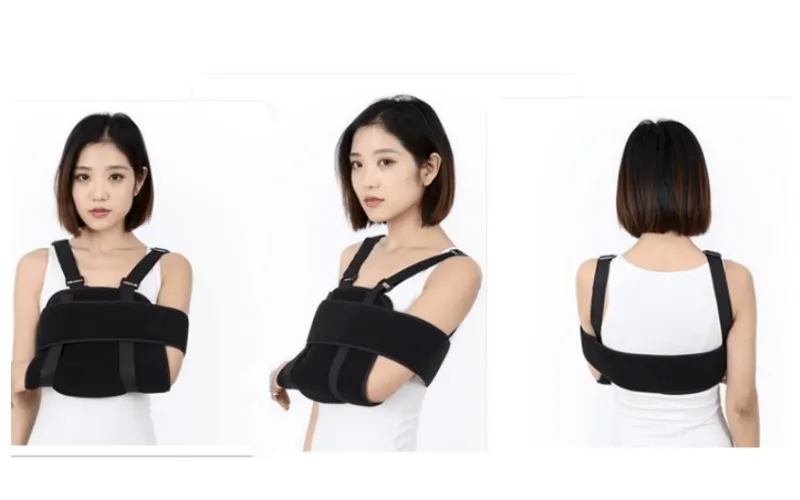
| Distribution | The weight is distributed across the trapezius and upper back to prevent cervical strain. |
| Metabolism (Wear Time) | The "metabolism" of the device is the duration of healing; as bone/tissue heals, the device is phased out. |
| Clearance (Discontinuation) | Removal occurs once clinical union of bone or soft tissue integrity is confirmed. |
3. Clinical Indications and Usage Guidelines
The use of an arm sling is indicated across a broad spectrum of orthopedic traumas. Clinicians must assess the severity of the injury before determining the duration of usage.
Primary Indications:
- Humerus Fractures: Provides support for humeral shaft fractures where internal fixation is not required or post-operative stabilization is needed.
- Glenohumeral Dislocations: Immobilizes the shoulder to allow for the healing of the glenoid labrum and capsular structures.
- Acromioclavicular (AC) Joint Sprains: Supports the weight of the arm to prevent inferior subluxation of the clavicle.
- Rotator Cuff Repairs: Essential for post-operative protection to prevent re-tear during the initial inflammatory phase.
- Distal Forearm/Wrist Fractures: Used in conjunction with a cast or splint to maintain elevation and reduce edema.
Dosage Guidelines (Wear Time)
- Acute Phase (0-72 hours): Continuous use, 24 hours a day, including sleep (if advised by a physician).
- Intermediate Phase (1-4 weeks): Wear during all ambulatory activities; may remove for prescribed physical therapy exercises.
- Rehabilitation Phase (4+ weeks): Gradual weaning as directed by the orthopedic specialist.
4. Contraindications and Safety Warnings
Despite its therapeutic benefits, the improper use of an arm sling can lead to secondary complications.
Contraindications:
- Adhesive Capsulitis (Frozen Shoulder): Prolonged immobilization without controlled movement can lead to irreversible joint stiffness.
- Vascular Compromise: If the sling is too tight or positioned incorrectly, it may compress the brachial artery or peripheral nerves.
- Skin Integrity Issues: Patients with fragile skin or dermatological conditions must be monitored for pressure ulcers.
Pregnancy and Lactation
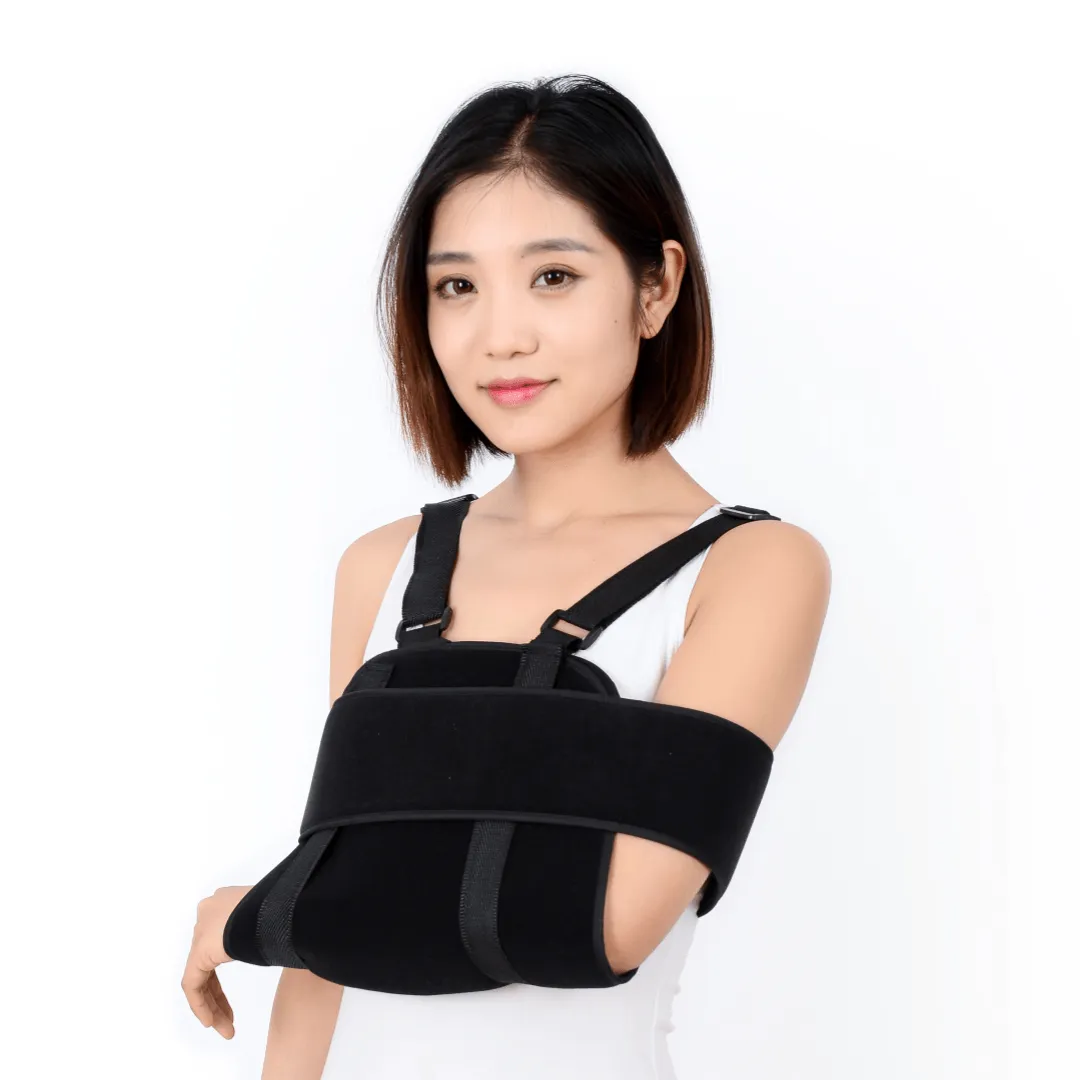
The use of an arm sling is generally considered safe during pregnancy and lactation. However, expectant mothers should be mindful of postural changes and lower back strain caused by the weight distribution of the sling. Using a sling with a padded, adjustable shoulder strap is recommended to prevent excessive pressure on the upper back.
5. Overdose Management (Excessive Immobilization)
In clinical terms, "overdose" refers to the excessive or improper use of the sling. This can lead to "Disuse Syndrome."
- Clinical Signs of Overuse:
- Significant stiffness in the elbow or shoulder joint.
- Muscle atrophy of the deltoid and bicep.
- Increased pain due to secondary nerve entrapment.
- Management: Transition to a structured physical therapy program. If the patient has been in a sling for more than six weeks without clinical progress, imaging (X-ray or MRI) is required to evaluate healing progress.
6. Frequently Asked Questions (FAQ)
1. How tight should my arm sling be?
The sling should be snug enough to support the arm's weight without causing neck pain or numbness in the fingers. The elbow should be at a 90-degree angle.
2. Can I sleep in my arm sling?
Yes, unless your doctor advises otherwise. It is often necessary to keep the arm immobilized during sleep to prevent accidental movement.
3. How do I prevent neck pain while wearing a sling?
Ensure the shoulder strap is padded and that the weight is distributed across the back, not just the side of the neck. Use a pillow to support the arm while resting.
4. How long should I wear the sling for a minor sprain?
Typically, 7 to 10 days, but follow the specific protocol provided by your orthopedic specialist.
5. What are the signs of nerve compression?
Numbness, tingling (pins and needles), or coldness in the fingers suggests the sling is too tight or the shoulder strap is pressing on the brachial plexus.
6. Can I drive while wearing a sling?
No. Driving requires the use of both hands for safe steering and emergency maneuvers. Wearing a sling significantly impairs your reaction time and control.
7. How do I clean the arm sling?
Most slings are made of polyester or cotton blends. Hand wash in cold water with mild detergent and air dry to maintain the structural integrity of the Velcro.
8. Why is my hand swelling?
Gravity causes fluid to pool in the lowest part of the arm. Keep your hand elevated above the level of your heart to encourage venous return.
9. Can I remove the sling for showering?
Consult your physician. For most fractures, the arm must remain supported at all times, even in the shower. A waterproof cover may be used.
10. When should I contact my doctor?
Contact your physician if you experience increased pain, significant skin discoloration, severe swelling, or loss of sensation in your hand or fingers.
7. Conclusion: The Path to Recovery
The arm sling is a vital tool in the orthopedic arsenal, providing the necessary stability for the body’s natural healing processes to take place. While it is a simple device, its efficacy is entirely dependent on proper application, adherence to wear-time protocols, and the integration of rehabilitative exercises.
As an orthopedic specialist, I emphasize that the sling is a temporary measure. The ultimate goal is the restoration of full range of motion and functional strength. Always prioritize the instructions of your medical team over generic advice, and ensure that your recovery plan includes progressive movement as soon as it is medically cleared. By following these guidelines, you maximize your potential for a full, complication-free recovery.
Disclaimer: This content is for educational purposes only and does not replace professional medical advice. Always consult with your orthopedic surgeon or primary care physician regarding your specific injury and recovery plan.