
Understanding Aspirin: A Comprehensive Medical Overview
Aspirin, chemically known as acetylsalicylic acid (ASA), remains one of the most significant pharmacological breakthroughs in medical history. Originally derived from the bark of the willow tree, it has evolved from a simple analgesic into a cornerstone of cardiovascular medicine and pain management. As an orthopedic specialist, I view aspirin not just as a common over-the-counter painkiller, but as a potent antiplatelet agent and non-steroidal anti-inflammatory drug (NSAID) that requires a nuanced understanding of its physiological impact.
This guide provides an exhaustive review of aspirin’s profile, intended for educational purposes for patients and healthcare providers alike.
Mechanism of Action: The Science of Inhibition
The therapeutic efficacy of aspirin is rooted in its unique ability to irreversibly inhibit the cyclooxygenase (COX) enzymes. Unlike other NSAIDs, which provide reversible inhibition, aspirin acetylates a serine residue at the active site of the COX-1 and COX-2 enzymes.
The COX Pathway
- COX-1 Inhibition: By inhibiting COX-1 in platelets, aspirin prevents the formation of Thromboxane A2 (TXA2). TXA2 is a potent stimulator of platelet aggregation and vasoconstriction. Because platelets lack a nucleus and cannot synthesize new COX-1, the inhibition lasts for the entire lifespan of the platelet (approximately 7–10 days).
- COX-2 Inhibition: Aspirin also inhibits COX-2, which is induced during inflammatory states. This action reduces the production of prostaglandins that mediate pain and inflammation.
Pharmacokinetics
- Absorption: Rapidly absorbed from the stomach and proximal small intestine.
- Distribution: Highly protein-bound (primarily albumin). It crosses the blood-brain barrier and the placenta.
- Metabolism: Rapidly hydrolyzed to salicylic acid in the plasma, liver, and erythrocytes.
- Excretion: Primarily renal. The rate of excretion is highly dependent on urinary pH; alkalinization of urine increases the excretion of salicylate.
Clinical Indications & Therapeutic Usage
Aspirin is indicated for a wide array of conditions, ranging from acute pain relief to long-term secondary prevention of cardiovascular events.
| Indication | Typical Dosage | Clinical Rationale |
|---|---|---|
| Acute Pain/Fever | 325mg – 650mg Q4-6H | Inhibition of prostaglandin synthesis |
| Myocardial Infarction | 160mg – 325mg (chewed) | Immediate antiplatelet effect |
| Secondary Prevention | 75mg – 100mg Daily | Long-term suppression of platelet aggregation |
| Rheumatoid Arthritis | 3g – 6g Daily (divided) | High-dose anti-inflammatory effect |
Cardiovascular Prophylaxis
In orthopedic and vascular surgery, aspirin is frequently utilized to prevent venous thromboembolism (VTE) and to maintain the patency of vascular grafts. Its role in secondary prevention of myocardial infarction and ischemic stroke is supported by decades of clinical trials.
Risks, Side Effects, and Contraindications
Despite its utility, aspirin carries significant risks, primarily related to its gastrointestinal and hematological effects.
Common Adverse Effects
- Gastrointestinal: Dyspepsia, gastric erosions, and peptic ulcer disease.
- Hematological: Prolonged bleeding time and an increased risk of hemorrhagic stroke.
- Tinnitus: A hallmark symptom of salicylate toxicity (salicylism).
Absolute Contraindications
- Hypersensitivity: Known allergy to salicylates or other NSAIDs (risk of bronchospasm).
- Bleeding Disorders: Hemophilia, von Willebrand disease, or active pathological bleeding.
- Pediatric Use: Avoid in children/teenagers with viral infections due to the risk of Reye’s Syndrome (a rare but fatal condition involving encephalopathy and fatty liver).
- Third Trimester Pregnancy: Risk of premature closure of the ductus arteriosus and potential fetal renal impairment.
Drug Interactions
Aspirin’s pharmacokinetics and pharmacodynamics are significantly altered by co-administration with other substances:
- Anticoagulants (Warfarin, Heparin): Synergistic effect on bleeding risk.
- Other NSAIDs (Ibuprofen): Ibuprofen can interfere with the antiplatelet effect of aspirin if taken immediately prior to the aspirin dose.
- Corticosteroids: Increased risk of gastrointestinal ulceration.
- Alcohol: Increases the risk of gastric mucosal injury.
Overdose Management
Aspirin overdose is a medical emergency characterized by respiratory alkalosis followed by metabolic acidosis.
Clinical Signs of Toxicity
- Tinnitus and hearing loss.
- Hyperventilation (respiratory stimulation).
- Nausea, vomiting, and abdominal pain.
- Hyperthermia and severe dehydration.
Management Protocols
- Decontamination: Activated charcoal if the ingestion was recent.
- Alkalinization: Intravenous sodium bicarbonate is the gold standard. It traps salicylate in the renal tubules, promoting excretion.
- Supportive Care: Fluid resuscitation for dehydration and monitoring of serum salicylate levels, electrolytes, and arterial blood gases.
- Hemodialysis: Indicated in severe cases with refractory acidosis, pulmonary edema, or altered mental status.
Frequently Asked Questions (FAQ)
1. Should I take aspirin every day for heart health?
Daily aspirin therapy is no longer recommended for routine primary prevention in older adults due to the risk of major bleeding. Always consult your cardiologist before initiating daily aspirin.
2. Can I take aspirin with food?
Yes, taking aspirin with food or a full glass of water is highly recommended to minimize local gastric irritation.
3. What is the difference between "baby aspirin" and regular aspirin?
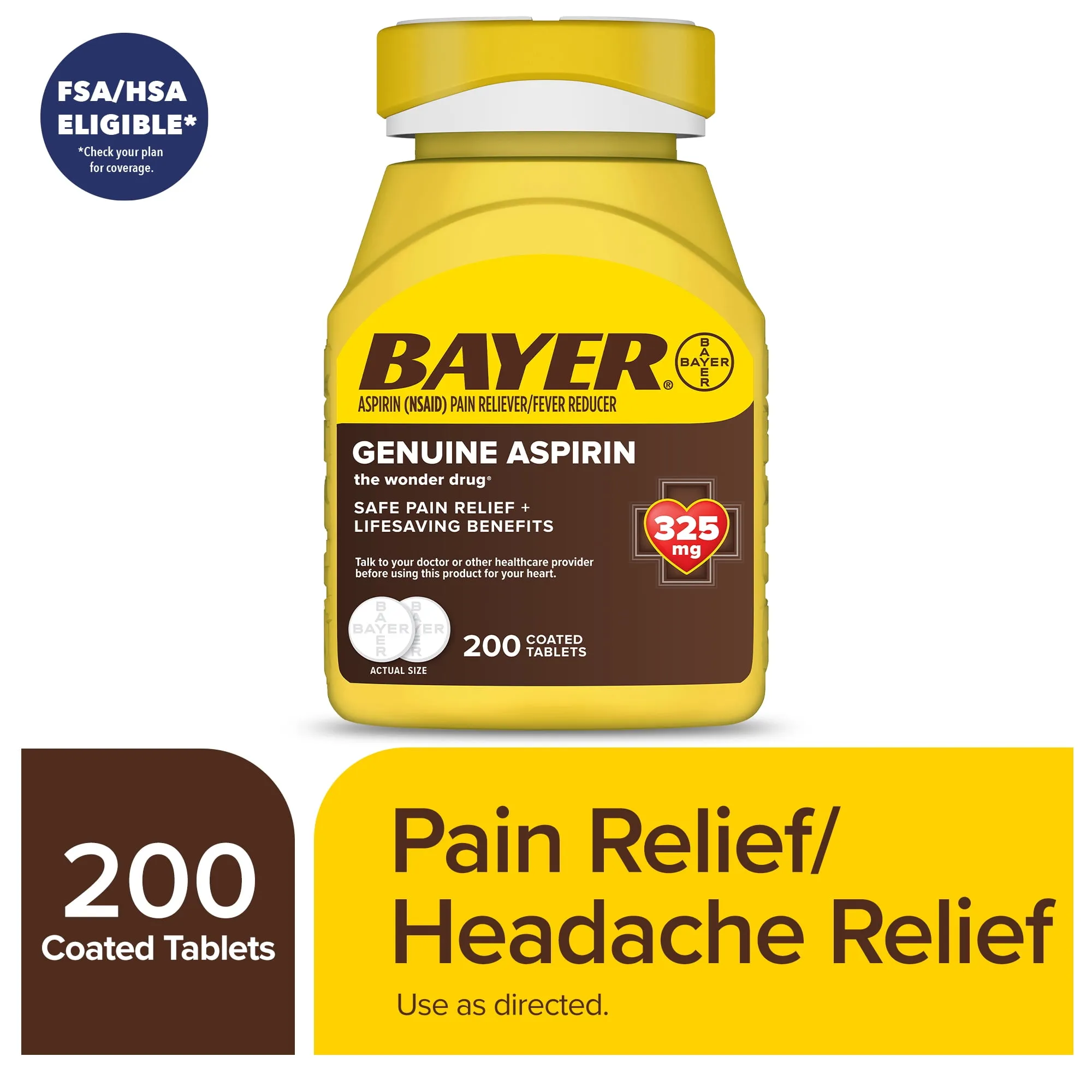
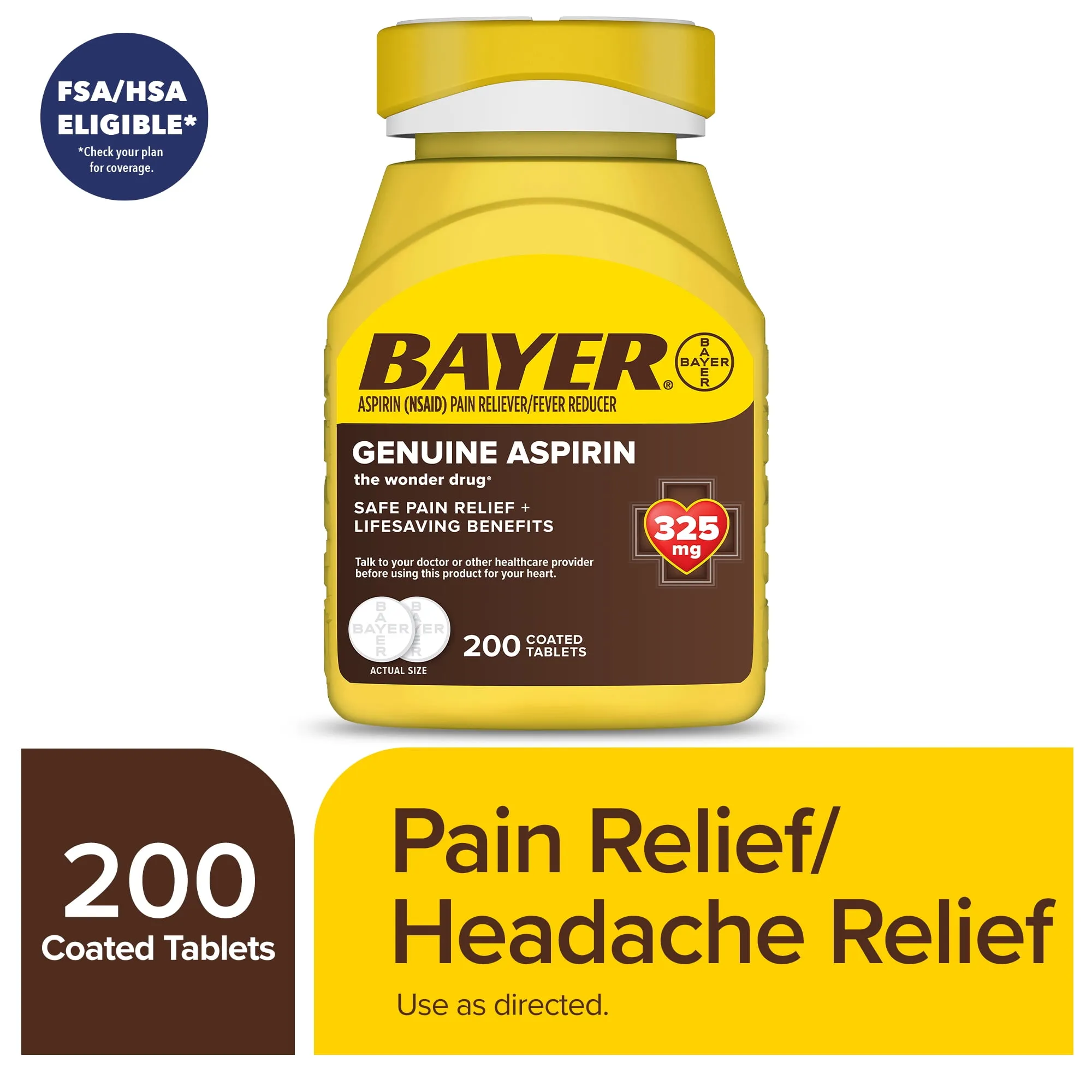
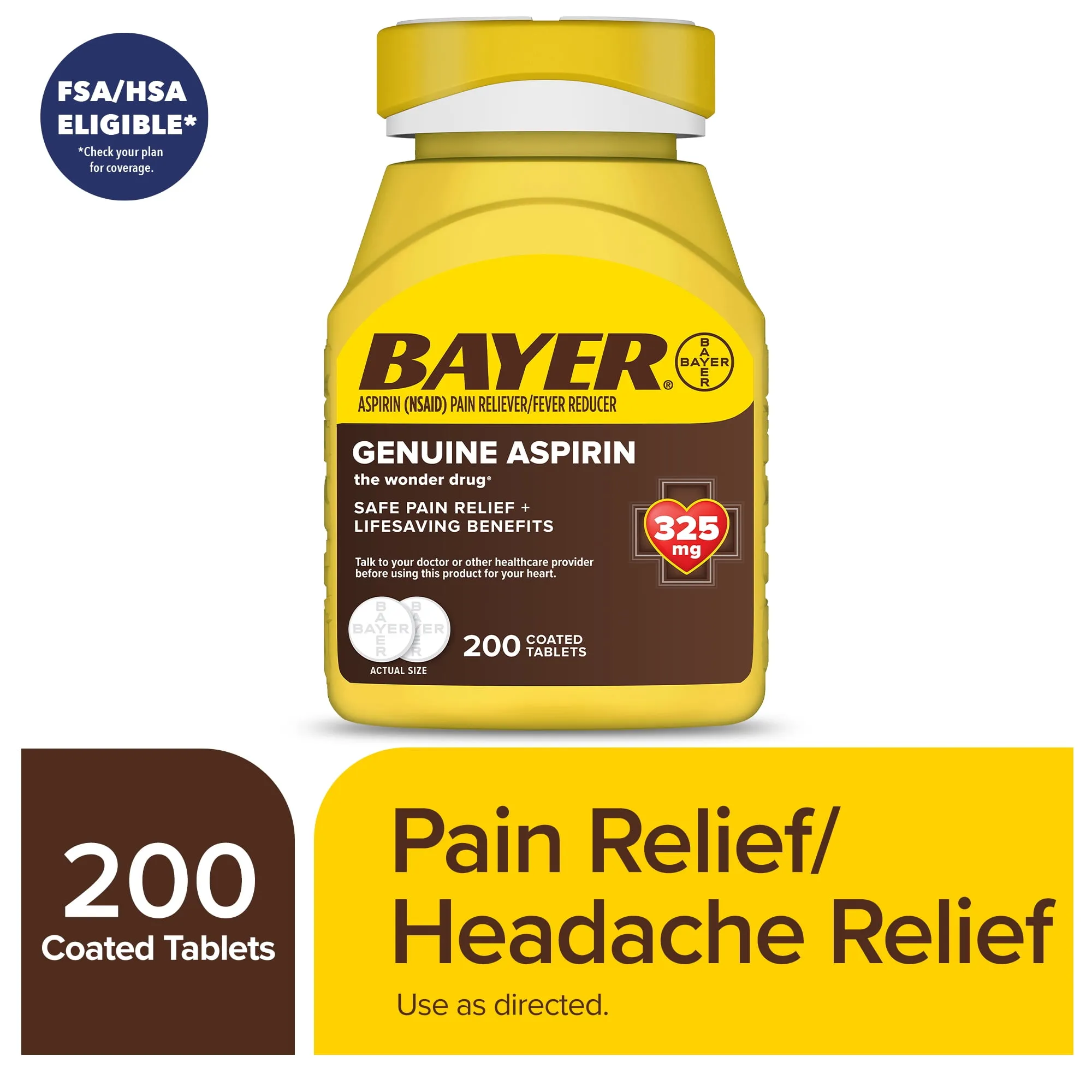
"Baby aspirin" typically refers to an 81mg dose, while regular aspirin is 325mg. The lower dose is generally sufficient for antiplatelet therapy.
4. Is aspirin safe during breastfeeding?
Aspirin is generally discouraged during breastfeeding due to the risk of Reye's syndrome in the infant. Safer alternatives like acetaminophen are typically preferred.
5. Why does aspirin cause ringing in the ears?
Tinnitus is a classic symptom of salicylism. It occurs because high levels of salicylate affect the hair cells in the cochlea, which is reversible upon cessation of the drug.
6. Can aspirin cause ulcers?
Yes. By inhibiting COX-1, aspirin reduces the production of protective prostaglandins in the stomach lining, making it more susceptible to acid-induced injury.
7. How long before surgery should I stop taking aspirin?
Usually, surgeons recommend stopping aspirin 7 to 10 days prior to elective surgery to allow for the regeneration of functional platelets.
8. Is enteric-coated aspirin better for the stomach?
Enteric coating delays the release of the medication until it reaches the small intestine, which may reduce local gastric irritation but does not eliminate the systemic risk of ulcers.
9. What should I do if I miss a dose?
Take the dose as soon as you remember. However, if it is almost time for the next dose, skip the missed dose and resume your regular schedule. Do not double the dose.
10. Does aspirin interact with herbal supplements?
Yes, supplements like Ginkgo biloba, garlic, and ginger have antiplatelet properties and can increase the risk of bleeding when taken with aspirin.
Conclusion
Aspirin remains a powerful tool in the clinician’s arsenal. Its ability to modulate inflammation and platelet function makes it indispensable. However, the fine line between therapeutic benefit and toxic side effects necessitates strict adherence to medical guidance. Patients should never initiate long-term aspirin therapy without a thorough evaluation of their cardiovascular risk profile and gastrointestinal health.
Disclaimer: This content is for informational purposes only and does not constitute professional medical advice, diagnosis, or treatment. Always seek the advice of your physician or other qualified health provider with any questions you may have regarding a medical condition or medication.