


Comprehensive Guide to Augmentin (Amoxicillin/Clavulanate Potassium)
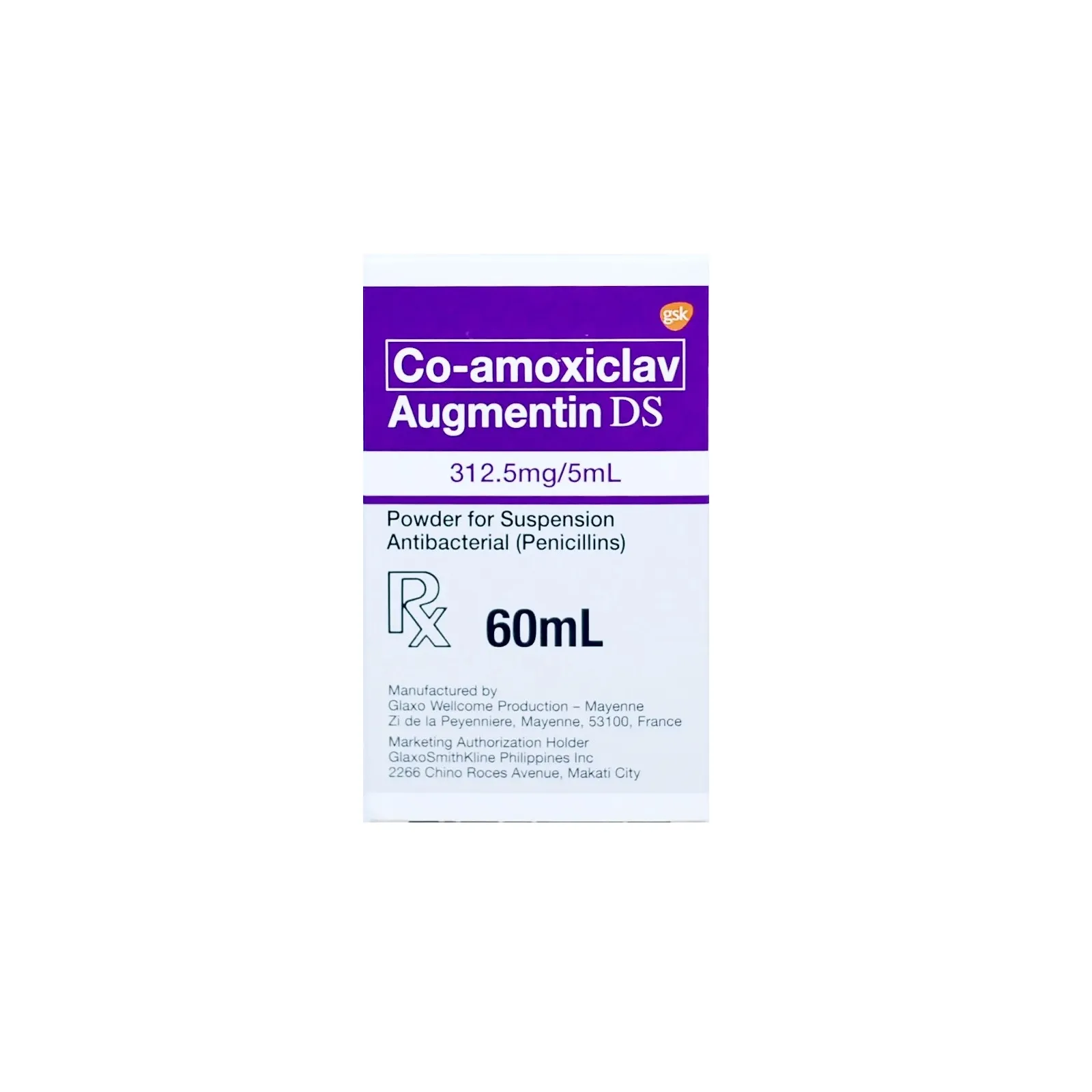
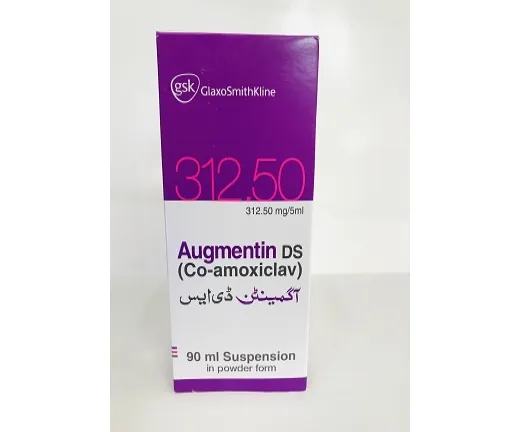
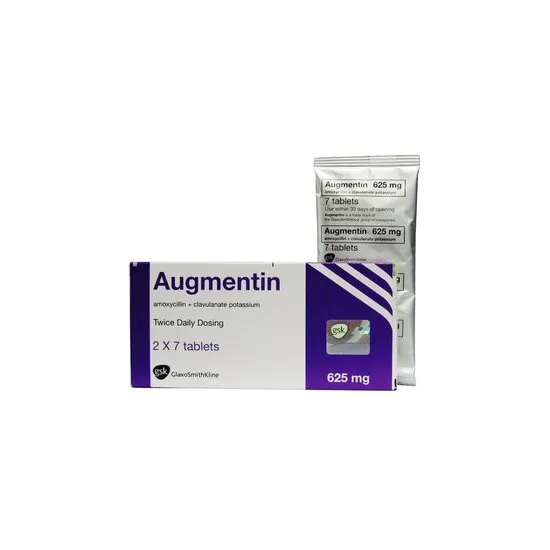
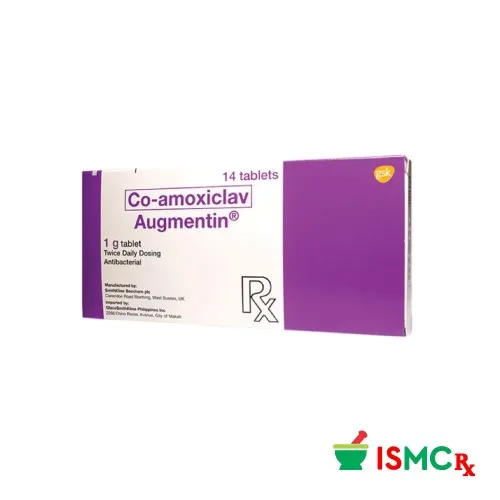
Augmentin, a combination antibiotic consisting of amoxicillin (a beta-lactam antibiotic) and clavulanate potassium (a beta-lactamase inhibitor), represents one of the most significant advancements in the treatment of bacterial infections. As an orthopedic specialist, I frequently encounter patients requiring robust antimicrobial coverage, and Augmentin remains a cornerstone in clinical practice due to its broad-spectrum efficacy.
What is Augmentin?
Augmentin is a prescription medication designed to treat various bacterial infections. By pairing amoxicillin with clavulanic acid, the drug overcomes bacterial resistance mechanisms that typically render amoxicillin alone ineffective. It is classified as a penicillin-type antibiotic.
Technical Specifications and Mechanism of Action
To understand the efficacy of Augmentin, one must analyze the synergistic relationship between its two active components.
The Mechanism of Amoxicillin
Amoxicillin functions by inhibiting the biosynthesis of bacterial cell walls. It binds to specific penicillin-binding proteins (PBPs) located inside the bacterial cell wall, preventing the cross-linking of peptidoglycan chains. This leads to the lysis and death of the bacteria.
The Role of Clavulanate Potassium
Many bacteria produce an enzyme called beta-lactamase, which hydrolyzes the beta-lactam ring of amoxicillin, effectively neutralizing the antibiotic before it can reach its target. Clavulanate potassium acts as a "suicide inhibitor." It binds irreversibly to the beta-lactamase enzyme, shielding the amoxicillin from degradation and allowing it to exert its bactericidal effect.
| Component | Class | Function |
|---|---|---|
| Amoxicillin | Penicillin-type | Inhibits cell wall synthesis |
| Clavulanate | Beta-lactamase inhibitor | Protects amoxicillin from enzymatic degradation |
Pharmacokinetics
- Absorption: Both components are well-absorbed following oral administration.
- Distribution: Amoxicillin and clavulanate distribute readily into body tissues and fluids, including synovial fluid, bone, and pus.
- Metabolism: Amoxicillin is minimally metabolized; clavulanate undergoes more extensive metabolism.
- Excretion: Primarily via glomerular filtration in the kidneys.
Clinical Indications and Usage
Augmentin is indicated for the treatment of infections caused by susceptible isolates of designated bacteria in the conditions listed below:
1. Respiratory Tract Infections
- Sinusitis: Acute bacterial rhinosinusitis.
- Pneumonia: Community-acquired pneumonia.
- Otitis Media: Recurrent or persistent middle ear infections.
2. Skin and Skin Structure Infections
Augmentin is frequently utilized for skin infections, including those caused by beta-lactamase-producing Staphylococcus aureus. It is also a common prophylactic choice for mammalian bite wounds (e.g., dog or cat bites), which often involve Pasteurella multocida.
3. Urinary Tract Infections (UTIs)
Used for complicated and uncomplicated UTIs caused by susceptible strains of E. coli, Enterobacter, and Klebsiella species.
4. Orthopedic and Surgical Considerations
In orthopedic practice, Augmentin is occasionally used to manage peri-prosthetic soft tissue infections or post-traumatic wound infections where polymicrobial coverage is required.
Dosage Guidelines
Dosage is highly dependent on the severity of the infection, the patient's renal function, and age.
Standard Adult Dosing
- Mild to Moderate Infections: 500 mg every 12 hours or 250 mg every 8 hours.
- Severe Infections: 875 mg every 12 hours or 500 mg every 8 hours.
Pediatric Dosing
Dosing is typically weight-based, usually ranging from 20 mg/kg/day to 45 mg/kg/day, divided into doses every 8 to 12 hours.
Renal Impairment
Patients with significant renal impairment (creatinine clearance <30 mL/min) require dosage adjustments, as the drug is excreted renally. Hemodialysis patients require supplemental doses.
Risks, Side Effects, and Contraindications
Common Side Effects
- Gastrointestinal: Diarrhea (frequently associated with clavulanate), nausea, and vomiting.
- Dermatological: Rash or urticaria.
- Hepatic: Potential for transient elevation of liver enzymes.
Contraindications
- Hypersensitivity: Patients with a history of severe allergic reactions (anaphylaxis) to any penicillin or cephalosporin.
- Cholestatic Jaundice: Patients with a history of hepatic dysfunction associated with amoxicillin/clavulanate therapy.
Pregnancy and Lactation
- Pregnancy: Categorized as Category B. Use only if clearly needed.
- Lactation: Trace amounts of amoxicillin are excreted in breast milk. Caution is advised, as it may cause sensitization in the infant.
Drug Interactions
Augmentin can interact with several other medications:
1. Probenecid: Decreases the renal tubular secretion of amoxicillin, leading to increased blood levels.
2. Warfarin: May increase the anticoagulant effect, requiring closer monitoring of the International Normalized Ratio (INR).
3. Oral Contraceptives: May reduce the efficacy of hormonal birth control, necessitating alternative contraceptive methods during treatment.
4. Methotrexate: Augmentin may reduce the clearance of methotrexate, potentially increasing toxicity.
Overdose Management
In case of overdose, discontinue the medication and treat symptomatically. Augmentin may be removed from the circulation by hemodialysis. Monitor for electrolyte imbalances and gastrointestinal distress.
Frequently Asked Questions (FAQ)
1. Is Augmentin effective against viruses like the flu or cold?
No. Augmentin is an antibiotic and only treats bacterial infections. It has no effect on viral infections such as the common cold or influenza.
2. Why is it important to finish the entire course of Augmentin?
Stopping antibiotics prematurely can lead to incomplete eradication of bacteria, contributing to the development of antibiotic-resistant strains.
3. Can I take Augmentin with food?
Yes. Taking Augmentin at the start of a meal can help reduce gastrointestinal side effects like nausea and diarrhea.
4. What should I do if I miss a dose?
Take the missed dose as soon as you remember. However, if it is almost time for your next dose, skip the missed dose and resume your regular schedule. Do not double the dose.
5. Why does Augmentin cause diarrhea?
Clavulanate potassium can sometimes accelerate intestinal motility. If diarrhea becomes severe or bloody, consult your physician immediately, as it may indicate Clostridioides difficile-associated diarrhea.
6. Is Augmentin safe for those with a penicillin allergy?
No. Patients with a known hypersensitivity to penicillin should avoid Augmentin due to the risk of severe anaphylactic reactions.
7. How should the liquid suspension be stored?
Reconstituted liquid Augmentin should be stored in a refrigerator (2°C to 8°C) and discarded after 10 days.
8. Does Augmentin interact with alcohol?
While there is no direct chemical interaction, alcohol can exacerbate gastrointestinal side effects and may impair the immune system’s ability to recover from an infection.
9. Can I use Augmentin for a tooth infection?
Yes, dentists frequently prescribe Augmentin for dental abscesses because it covers the diverse range of bacteria found in the oral cavity.
10. Are there specific symptoms of an allergic reaction I should watch for?
Seek emergency medical attention if you experience hives, difficulty breathing, swelling of the face or throat, or a severe skin rash.
Disclaimer
This guide is for educational purposes only and does not constitute medical advice. Always consult with a licensed healthcare professional or orthopedic specialist before beginning or modifying any antibiotic regimen. If you suspect an adverse drug reaction, contact emergency services immediately.