

Comprehensive Clinical Guide to Bactrim DS (Sulfamethoxazole/Trimethoprim)
Bactrim DS, known generically as Sulfamethoxazole and Trimethoprim (Double Strength), is a cornerstone antibiotic in modern pharmacotherapy. As a synergistic combination of two antimicrobial agents, it provides a broader spectrum of activity than either component could achieve individually. This guide serves as an authoritative resource for understanding its clinical application, biochemical pathways, and safety profile in an orthopedic and general medical context.
1. Mechanism of Action: The Synergistic Pathway
Bactrim DS functions through the sequential inhibition of enzymes involved in the bacterial synthesis of dihydrofolic acid. Bacteria, unlike human cells, must synthesize their own folate to produce DNA, RNA, and proteins.
The Two-Step Inhibition Process
- Sulfamethoxazole: This component is a structural analogue of para-aminobenzoic acid (PABA). It competitively inhibits the enzyme dihydropteroate synthase, preventing the incorporation of PABA into dihydrofolic acid.
- Trimethoprim: This component inhibits dihydrofolate reductase, the enzyme responsible for the subsequent reduction of dihydrofolic acid to tetrahydrofolic acid.
By blocking two consecutive steps in this metabolic pathway, Bactrim DS creates a "sequential blockade" that is bactericidal rather than merely bacteriostatic, significantly reducing the likelihood of bacterial resistance developing during treatment.
2. Pharmacokinetics and Distribution
Understanding how Bactrim DS moves through the human body is essential for managing therapeutic efficacy and minimizing toxicity.
- Absorption: Both components are rapidly and almost completely absorbed following oral administration. Peak plasma concentrations are typically achieved within 1 to 4 hours.
- Distribution: Sulfamethoxazole and Trimethoprim are widely distributed into body tissues and fluids, including the prostate, middle ear fluid, vaginal fluid, and cerebrospinal fluid.
- Protein Binding: Sulfamethoxazole is approximately 70% protein-bound, while Trimethoprim is about 44% protein-bound.
- Metabolism & Excretion: Metabolism occurs primarily in the liver via acetylation and glucuronidation. Excretion is renal, occurring through both glomerular filtration and tubular secretion.
3. Clinical Indications and Usage
Bactrim DS is indicated for a variety of bacterial infections where the pathogen is known or suspected to be susceptible to the combination.
Common Clinical Applications
| Infection Type | Primary Pathogens |
|---|---|
| Urinary Tract Infections (UTI) | E. coli, Klebsiella, Proteus |
| Acute Otitis Media | S. pneumoniae, H. influenzae |
| Acute Exacerbations of Chronic Bronchitis | S. pneumoniae, H. influenzae |
| Traveler’s Diarrhea | E. coli (Enterotoxigenic) |
| Pneumocystis jirovecii Pneumonia (PJP) | P. jirovecii |
| Skin and Soft Tissue Infections | MRSA (Community-acquired) |
Orthopedic Note: In orthopedic practice, Bactrim DS is occasionally utilized for skin and soft tissue infections (SSTI) surrounding surgical sites or hardware, particularly when Methicillin-Resistant Staphylococcus aureus (MRSA) is suspected. However, it is not typically the first-line agent for osteomyelitis or deep prosthetic joint infections.
4. Dosage Guidelines
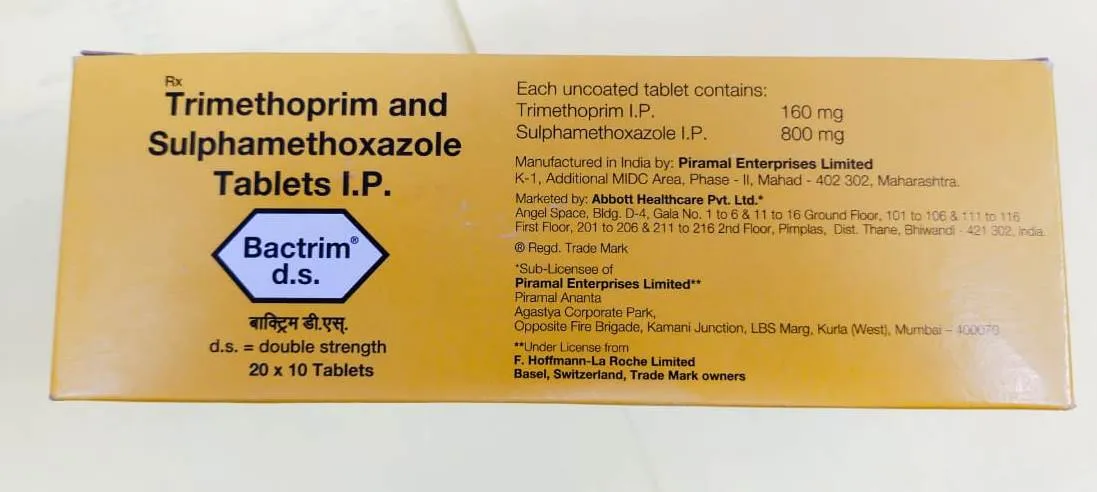
"DS" stands for Double Strength, containing 800 mg of Sulfamethoxazole and 160 mg of Trimethoprim.
Standard Adult Dosing
- UTI/Bronchitis: One DS tablet every 12 hours for 10–14 days.
- Traveler’s Diarrhea: One DS tablet every 12 hours for 5 days.
- Pneumocystis jirovecii Pneumonia: 15–20 mg/kg/day (based on trimethoprim component) in 3–4 divided doses for 14–21 days.
Note: Dosage adjustments are mandatory in patients with renal impairment (CrCl < 30 mL/min).
5. Contraindications and Risks
Patient safety is paramount when prescribing sulfonamides. Strict adherence to contraindication guidelines is required.
Absolute Contraindications
- Hypersensitivity: Known hypersensitivity to sulfonamides or trimethoprim.
- Megaloblastic Anemia: Documented folate deficiency anemia.
- Pregnancy: Specifically at term, due to the risk of kernicterus in the neonate.
- Renal/Hepatic Insufficiency: Severe impairment where monitoring is not possible.
Potential Side Effects
- Dermatologic: Stevens-Johnson Syndrome (SJS) or Toxic Epidermal Necrolysis (TEN). Patients must be counseled to report any rash immediately.
- Hematologic: Bone marrow suppression (leukopenia, thrombocytopenia, megaloblastic anemia).
- Renal: Crystalluria (ensure adequate hydration) and hyperkalemia.
- Gastrointestinal: Nausea, vomiting, and Clostridioides difficile-associated diarrhea.
6. Drug Interactions
Bactrim DS has a high potential for clinically significant interactions:
1. Warfarin: Increases the anticoagulant effect; INR monitoring is mandatory.
2. Methotrexate: Increases the risk of bone marrow suppression.
3. ACE Inhibitors/ARBs: Combined with Bactrim, these increase the risk of severe hyperkalemia.
4. Cyclosporine: May lead to increased nephrotoxicity.
7. Pregnancy and Lactation
- Pregnancy Category D: Sulfonamides pass through the placenta. Use during the first trimester has been associated with an increased risk of congenital malformations. Use at term may cause kernicterus in the newborn due to the displacement of bilirubin from albumin.
- Lactation: Both components are excreted in breast milk. Caution is advised, particularly with premature infants or infants with glucose-6-phosphate dehydrogenase (G6PD) deficiency.
8. Overdose Management
Acute overdose symptoms include anorexia, nausea, vomiting, dizziness, headache, and mental depression.
- Management: Gastric lavage or emesis may be performed if the ingestion is recent. Monitor fluid intake to prevent crystalluria. Hemodialysis may be moderately effective in removing the drug if renal function is compromised. Calcium folinate (leucovorin) should be administered if marrow suppression occurs.
9. Frequently Asked Questions (FAQ)
1. What is the difference between Bactrim and Bactrim DS?
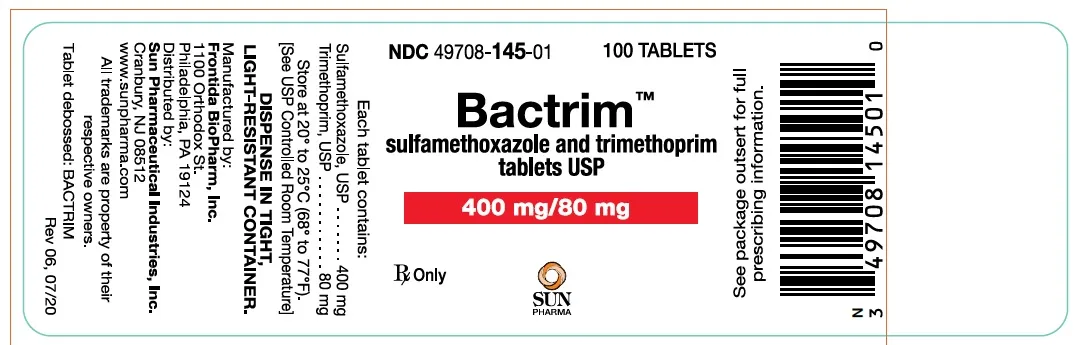
Bactrim (regular strength) contains 400 mg sulfamethoxazole/80 mg trimethoprim. Bactrim DS (Double Strength) contains 800 mg/160 mg.
2. Can I take Bactrim DS if I am allergic to sulfa drugs?
No. If you have a documented sulfa allergy, you should not take Bactrim DS as it will likely trigger a hypersensitivity reaction.
3. Why is it important to drink plenty of water while taking this?
Drinking at least 8 glasses of water daily helps prevent the formation of drug crystals in the urine (crystalluria), which can damage kidneys.
4. Does Bactrim DS interact with birth control?
There is evidence suggesting some antibiotics may decrease the efficacy of hormonal contraceptives. Use a backup barrier method during treatment.
5. What should I do if I miss a dose?
Take it as soon as you remember. If it is nearly time for your next dose, skip the missed dose. Do not take two doses at once.
6. Can Bactrim DS treat a viral infection like the flu?
No. Bactrim DS is an antibiotic and is ineffective against viruses, including the flu or the common cold.
7. How long does it take for Bactrim DS to start working?
Most patients begin to feel symptomatic relief within 24–48 hours of starting the medication.
8. Is hyperkalemia a real risk with this medication?
Yes, especially in elderly patients or those taking blood pressure medications (ACE inhibitors/ARBs). Potassium levels should be monitored in high-risk patients.
9. Can I consume alcohol while taking Bactrim DS?
While not strictly prohibited, alcohol can exacerbate side effects like dizziness and nausea and may interfere with the immune system's ability to fight the infection.
10. What are the warning signs of a serious allergic reaction?
Seek emergency medical attention if you experience hives, difficulty breathing, swelling of the face/lips, or a severe, blistering skin rash.
11. Conclusion
Bactrim DS remains a highly effective therapeutic tool for a wide array of bacterial infections. However, its potency necessitates a rigorous approach to patient selection, dosage monitoring, and education regarding side effects. By understanding the synergistic mechanism of action and the potential for drug-drug interactions, healthcare providers can maximize clinical outcomes while ensuring patient safety. Always consult with a licensed professional before initiating or modifying antibiotic therapy.
Disclaimer: This guide is for educational purposes only and does not constitute medical advice, diagnosis, or treatment. Always seek the advice of your physician or other qualified health provider with any questions you may have regarding a medical condition.