Comprehensive Clinical Guide to Biofreeze Gel: Mechanism, Indications, and Safety
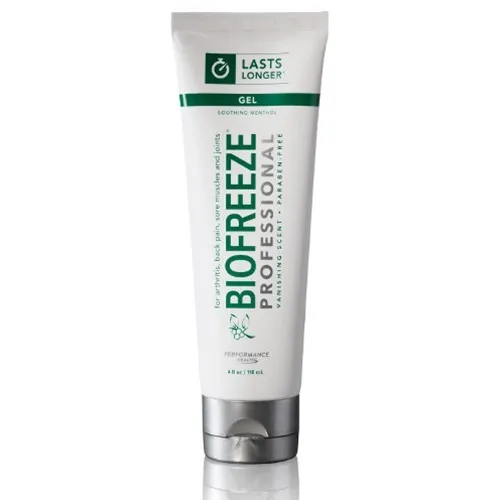
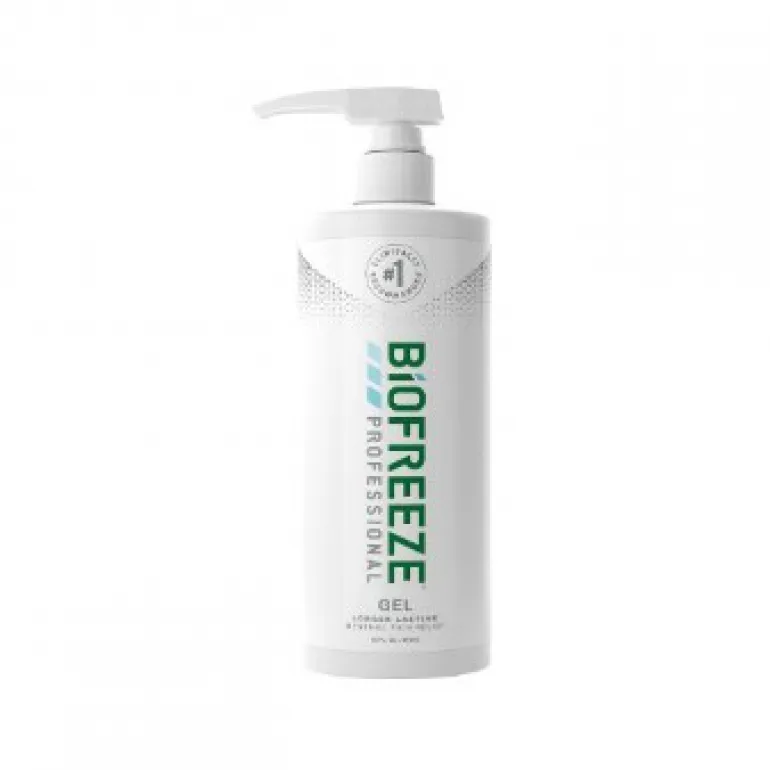
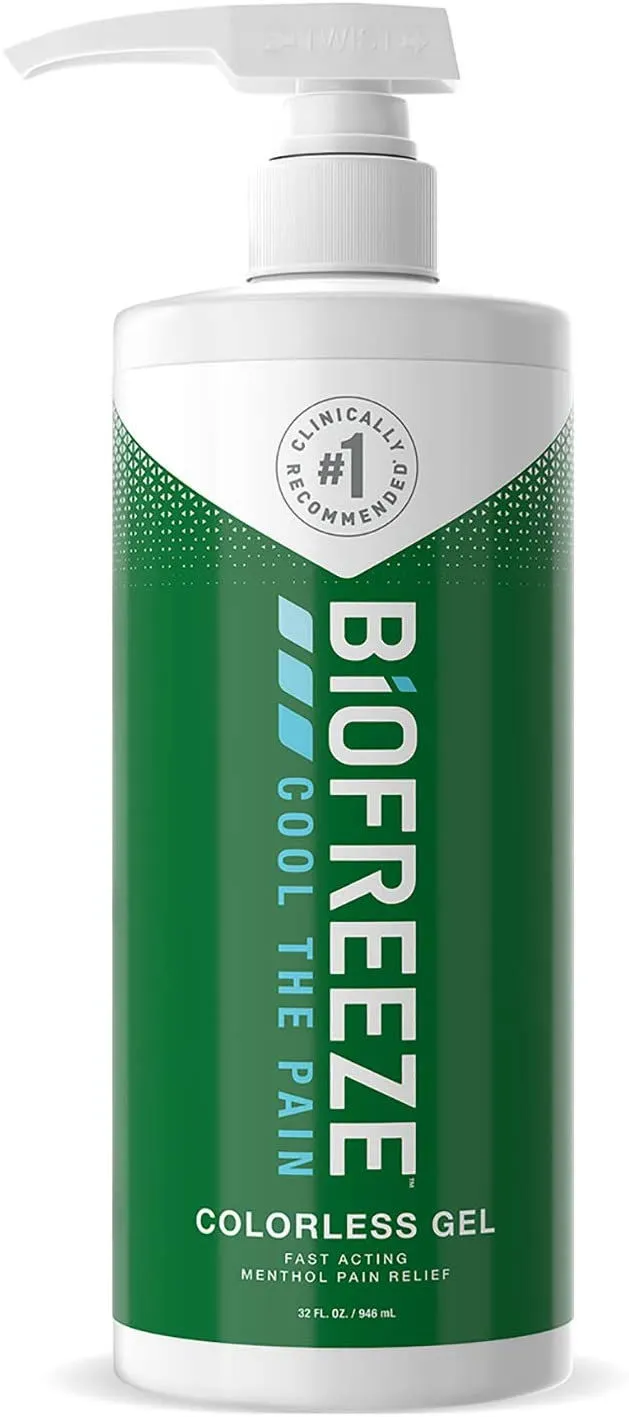
Biofreeze Gel is a widely utilized topical analgesic designed to provide temporary relief from minor aches and pains of muscles and joints. As an orthopedic-focused therapeutic agent, it occupies a significant space in both clinical rehabilitation settings and home-based self-care regimens. This guide provides an exhaustive analysis of its pharmacological properties, mechanism of action, and clinical application standards.
1. Introduction and Overview
Biofreeze is categorized as a topical analgesic, specifically formulated as a cooling gel. Its primary active ingredient is Menthol, which has been utilized for centuries for its counter-irritant properties. In the modern clinical landscape, Biofreeze is frequently recommended by physical therapists, chiropractors, and orthopedic surgeons as an adjunct therapy for musculoskeletal conditions.
Unlike oral non-steroidal anti-inflammatory drugs (NSAIDs), which exert systemic effects, Biofreeze works locally via the peripheral nervous system. This minimizes the risk of gastrointestinal, renal, or cardiovascular side effects, making it a preferred choice for patients with contraindications to systemic medications.
2. Technical Specifications and Mechanism of Action
To understand the efficacy of Biofreeze, one must examine the neurophysiological interaction between menthol and the human integumentary system.
The Gate Control Theory and TRPM8 Activation
Biofreeze operates primarily through the "Gate Control Theory" of pain. When applied to the skin, menthol activates specific cold-sensitive receptors known as Transient Receptor Potential Melastatin 8 (TRPM8) channels.
- Afferent Signaling: The activation of TRPM8 ion channels causes a sensation of coolness.
- Signal Competition: These cold signals travel along A-delta nerve fibers, which are faster than the C-fibers that transmit dull, aching pain. By flooding the central nervous system with cold signals, the perception of pain is effectively "gated" or dampened.
- Vasodilation and Blood Flow: While the initial sensation is cooling, the body’s compensatory response to localized cooling often involves a subtle increase in microcirculation to the area, which can assist in the removal of metabolic waste products from damaged tissues.
Pharmacokinetics
As a topical formulation, the pharmacokinetics of Biofreeze are characterized by localized dermal absorption.
* Absorption: Menthol penetrates the stratum corneum, reaching the underlying dermis and subcutaneous tissues where nociceptors are situated.
* Metabolism: Menthol is metabolized in the liver via glucuronidation and excreted primarily through the urine. Due to the low concentrations used in topical gels, systemic levels remain well below the threshold for systemic toxicity in healthy adults.
3. Clinical Indications and Usage
Biofreeze is indicated for the temporary relief of pain associated with a variety of orthopedic and musculoskeletal conditions.
Primary Indications
- Arthritis: Relief of joint pain in osteoarthritis and rheumatoid arthritis patients.
- Back Pain: Management of lumbar strain, sciatica-related muscular soreness, and postural fatigue.
- Sports Injuries: Treatment of acute muscle strains, ligament sprains, and delayed onset muscle soreness (DOMS).
- Tendonitis: Reducing discomfort associated with overuse injuries (e.g., epicondylitis, rotator cuff tendinopathy).
- Post-Surgical Rehabilitation: Assisting in pain management during physical therapy sessions following orthopedic procedures.
Dosage and Application Guidelines
Proper application is critical for achieving therapeutic outcomes.
| Application Phase | Guidelines |
|---|---|
| Frequency | Apply no more than 3 to 4 times daily. |
| Technique | Apply a thin layer to the affected area. Massage until fully absorbed. |
| Post-Application | Wash hands thoroughly with cold water to avoid accidental eye contact. |
| Duration | Use for no longer than 7 consecutive days without consulting a physician. |
4. Risks, Side Effects, and Contraindications
While Biofreeze is generally safe for the general population, clinical vigilance is required.
Contraindications
- Hypersensitivity: Patients with a known allergy to menthol or any inactive ingredients (such as Ilex paraguariensis extract, glycerin, or propylene glycol) should avoid use.
- Broken Skin: Do not apply to open wounds, infected skin, or severely irritated skin.
- Occlusive Dressings: Do not use with heating pads, bandages, or wraps, as this may increase the risk of chemical burns or excessive dermal absorption.
Potential Side Effects
- Dermatological: Erythema (redness), pruritus (itching), or a burning sensation.
- Systemic (Rare): If applied over an excessive surface area, systemic absorption can occur, leading to dizziness or nausea.
Pregnancy and Lactation
There are no adequate, well-controlled studies of Biofreeze in pregnant or lactating women. As a precautionary measure, it is recommended that patients consult an obstetrician before use during pregnancy. It should not be applied to the breast area while nursing to prevent ingestion by the infant.
5. Overdose Management
While systemic overdose of topical menthol is extremely rare, accidental ingestion or excessive application over large surface areas can lead to toxicity.
- Symptoms of Overdose: Abdominal pain, nausea, vomiting, dizziness, ataxia, or respiratory depression.
- Management:
- Ingestion: Seek emergency medical attention immediately. Do not induce vomiting.
- Excessive Topical Application: Wash the area thoroughly with soap and water to remove the product. If systemic symptoms occur, seek medical evaluation.
6. Frequently Asked Questions (FAQ)
1. Does Biofreeze actually heal the injury?
No. Biofreeze is a symptomatic treatment. It manages pain but does not repair damaged tendons, ligaments, or cartilage. It should be used as part of a comprehensive recovery plan.
2. Can I use Biofreeze with my heating pad?
Absolutely not. Using heat sources over Biofreeze can significantly increase skin absorption and lead to severe skin irritation or chemical burns.
3. How long does the cooling effect last?
Most patients experience the cooling sensation for 30 to 60 minutes, though the analgesic effect may persist longer due to the modulation of pain signals.
4. Is Biofreeze safe for children?
Consult a pediatrician before using Biofreeze on children under 12 years of age.
5. Why does it smell so strong?
The scent is derived from menthol. The intensity is a byproduct of its chemical concentration, which is calibrated to trigger the cold-sensing nerve receptors.
6. Can I use Biofreeze on my face?
It is not recommended. The skin on the face is thinner and more sensitive. Contact with the eyes or mucous membranes can cause significant irritation.
7. Does it stain clothing?
Biofreeze is formulated to be non-greasy and typically does not stain clothing, but it is best to allow the gel to dry completely before dressing.
8. Is it effective for nerve pain?
Biofreeze is primarily indicated for musculoskeletal pain. While it may provide minor relief for superficial nerve-related discomfort, it is not a primary treatment for neuropathic pain (like diabetic neuropathy).
9. What is the difference between Biofreeze and Icy Hot?
While both utilize menthol, their inactive ingredient profiles differ. Biofreeze is often preferred in clinical settings for its consistency and lack of strong, lingering medicinal odors compared to other brands.
10. Should I store it in the refrigerator?
While not required, some patients prefer to store Biofreeze in the refrigerator to enhance the cooling sensation upon application.
Conclusion
Biofreeze Gel represents a cornerstone of non-pharmacological pain management in orthopedics. By leveraging the physiological pathways of TRPM8 activation, it provides a safe, effective, and convenient method for managing musculoskeletal discomfort. When used according to the guidelines outlined in this guide—prioritizing appropriate application and respecting contraindications—it serves as an invaluable tool for patients navigating the challenges of acute and chronic physical pain. Always consult with a healthcare professional to ensure that topical analgesics are appropriate for your specific clinical presentation.