

Comprehensive Guide to Bioheal D3 Tablet: Clinical Insights and Patient Care
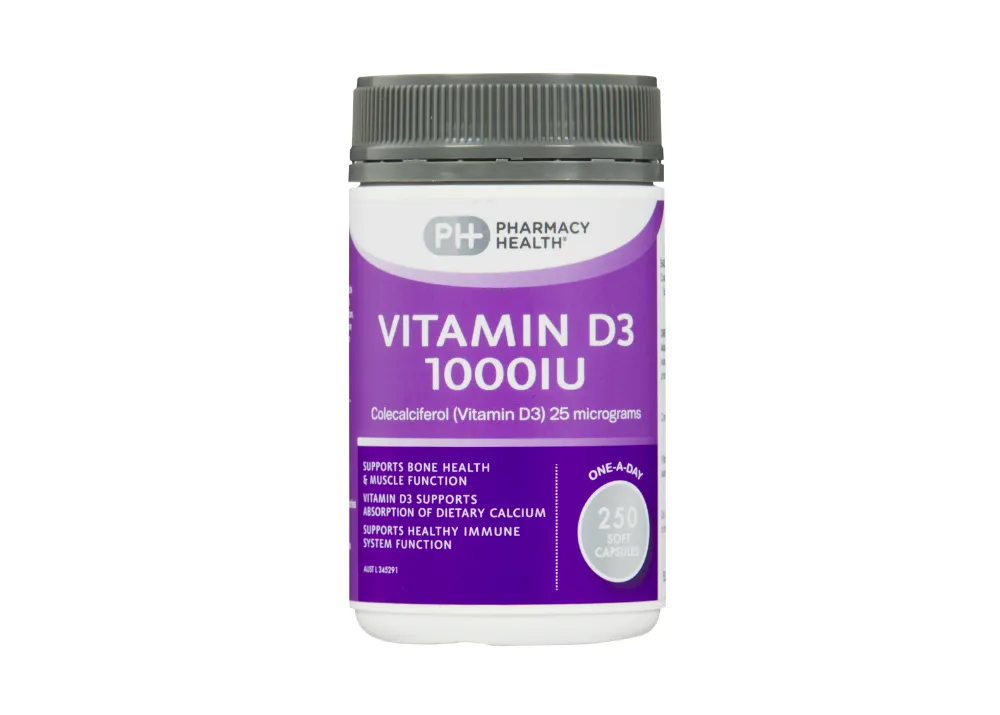
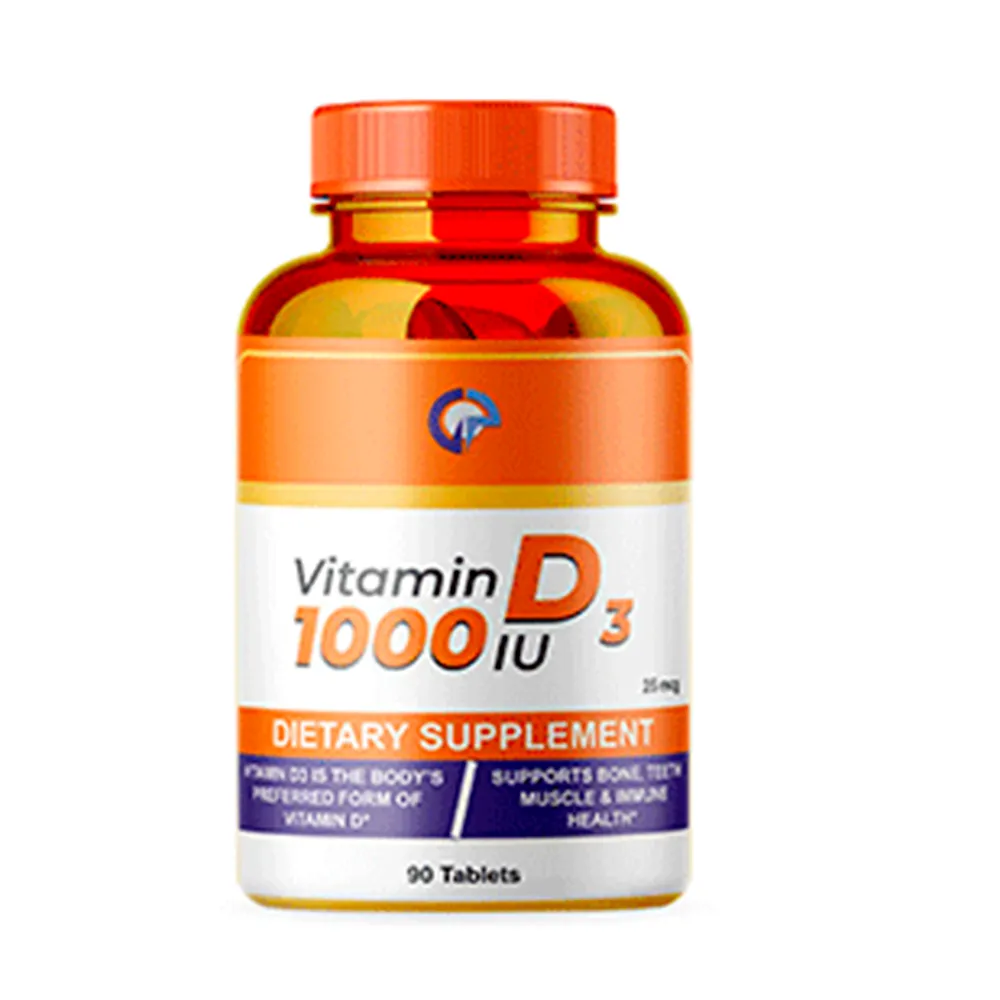
Vitamin D3 (Cholecalciferol) remains one of the most critical micronutrients for human physiological health, acting more like a hormone than a simple vitamin. Bioheal D3 Tablet is a high-quality pharmaceutical formulation designed to address systemic deficiencies, support musculoskeletal integrity, and modulate immune function. This guide provides an exhaustive clinical overview of Bioheal D3, intended for educational purposes and patient information.
1. Introduction and Overview
Bioheal D3 Tablet contains Cholecalciferol, the naturally occurring form of Vitamin D that is synthesized in the skin when exposed to ultraviolet (UV) radiation. In modern clinical practice, widespread Vitamin D deficiency has become a global health concern due to lifestyle changes, increased indoor activity, and environmental factors.
Bioheal D3 is indicated for the prevention and treatment of Vitamin D deficiency, maintenance of serum calcium levels, and as an adjunct therapy for various bone-related disorders. Unlike D2 (Ergocalciferol), D3 is significantly more effective at raising and maintaining serum 25-hydroxyvitamin D concentrations.
2. Technical Specifications and Mechanism of Action
Pharmacodynamics
The mechanism of Bioheal D3 is rooted in its conversion within the body. Once ingested, Cholecalciferol undergoes a two-step activation process:
1. Hepatic Hydroxylation: In the liver, Cholecalciferol is converted into 25-hydroxyvitamin D [25(OH)D], also known as Calcifediol.
2. Renal Hydroxylation: In the kidneys, 25(OH)D is converted into 1,25-dihydroxyvitamin D [1,25(OH)2D], which is the biologically active form of the hormone, Calcitriol.
Calcitriol binds to the Vitamin D Receptor (VDR) found in various tissues, including the intestines, bones, and immune cells. This interaction facilitates:
* Calcium Absorption: Increases the expression of calcium-binding proteins in the intestinal mucosa.
* Bone Mineralization: Maintains plasma calcium and phosphate levels to promote normal bone mineralization and prevent hypocalcemic tetany.
* Immune Modulation: Activates T-cell responses and enhances innate immune signaling.
Pharmacokinetics
- Absorption: Vitamin D is a fat-soluble vitamin. Bioheal D3 exhibits optimal absorption when administered with a fat-containing meal, as bile salts are required for micellar solubilization.
- Distribution: Vitamin D and its metabolites circulate in the blood bound to the Vitamin D-binding protein (DBP).
- Metabolism: Primarily hepatic and renal.
- Excretion: Primarily excreted via bile into the feces, with minimal renal excretion.
3. Clinical Indications and Usage
Bioheal D3 is primarily utilized in the following clinical scenarios:
| Indication | Clinical Context |
|---|---|
| Osteoporosis | Adjunct therapy to increase bone mineral density (BMD) in post-menopausal women and men. |
| Osteomalacia/Rickets | Treatment of soft bones caused by severe Vitamin D deficiency. |
| Hypocalcemia | Management of low serum calcium levels secondary to Vitamin D deficiency. |
| Immune Support | Prophylactic use in patients with high risk of recurrent respiratory infections. |
| Chronic Kidney Disease | Used under medical supervision to manage secondary hyperparathyroidism. |
Dosage Guidelines
Dosage is highly individualized based on the patient’s baseline serum 25(OH)D levels.
- Maintenance: Typically 600 IU to 2,000 IU daily, depending on age and sunlight exposure.
- Deficiency Correction: High-dose protocols (e.g., 50,000 IU weekly or as directed) are often prescribed for 8–12 weeks, followed by a maintenance dose.
- Administration: Tablets should be swallowed whole with water. Consumption with a meal containing healthy fats (avocado, nuts, dairy) significantly improves bioavailability.
4. Risks, Side Effects, and Contraindications
While Bioheal D3 is generally safe, excessive intake can lead to hypervitaminosis D, characterized by hypercalcemia (excess calcium in the blood).
Potential Side Effects
- Mild: Nausea, constipation, or metallic taste in the mouth.
- Severe (Hypercalcemia): Excessive thirst, frequent urination, fatigue, muscle weakness, and cardiac arrhythmias.
Contraindications
Bioheal D3 should not be used or should be used with extreme caution in patients with:
1. Hypercalcemia: Elevated blood calcium levels.
2. Hypercalciuria: High levels of calcium in the urine.
3. Nephrolithiasis: History of calcium-based kidney stones.
4. Hypervitaminosis D: Existing toxicity.
5. Severe Renal Impairment: Requires dose adjustment.
Drug Interactions
- Orlistat: May impair the absorption of fat-soluble vitamins.
- Corticosteroids: Can interfere with Vitamin D metabolism.
- Thiazide Diuretics: May increase the risk of hypercalcemia by decreasing urinary calcium excretion.
- Digoxin: Vitamin D-induced hypercalcemia can increase the risk of digitalis toxicity.
5. Pregnancy, Lactation, and Pediatric Use
- Pregnancy: Vitamin D is essential for fetal bone development. However, high-dose supplementation should only occur under strict medical oversight to avoid fetal hypercalcemia.
- Lactation: Vitamin D is excreted in breast milk. Supplementation is generally recommended for breastfeeding mothers, but maternal toxicity must be monitored.
- Pediatrics: Dosing must be strictly weight-based and age-appropriate to prevent pediatric toxicity.
6. Overdose Management
In the event of accidental overdose, the primary clinical concern is hypercalcemia.
* Immediate Action: Discontinue the medication immediately.
* Treatment: Hydration is key. In severe cases, loop diuretics (e.g., Furosemide) or corticosteroids may be administered to reduce serum calcium levels. Severe cases may require hospitalization for monitoring of cardiac rhythm and renal function.
7. Frequently Asked Questions (FAQ)
1. Is Bioheal D3 the same as Calcitriol?
No. Bioheal D3 is Cholecalciferol (inactive precursor). Calcitriol is the activated hormone. Bioheal D3 requires your liver and kidneys to function properly to activate it.
2. Can I take Bioheal D3 on an empty stomach?
It is not recommended. Because Vitamin D3 is fat-soluble, it absorbs significantly better when taken with a meal containing dietary fats.
3. How long does it take to see results?
Serum levels typically start rising within a few weeks, but clinical improvements in bone density or immune health may take 3 to 6 months of consistent supplementation.
4. Can Bioheal D3 cause kidney stones?
Only if taken in excessive doses that lead to sustained hypercalcemia and hypercalciuria. Following prescribed dosages minimizes this risk.
5. Does Bioheal D3 interact with my blood pressure medication?
Some diuretics (thiazides) can interact. Always disclose all current medications to your physician before starting Vitamin D therapy.
6. Should I take Calcium with Bioheal D3?
Often, yes. Vitamin D increases calcium absorption. If you are deficient in both, your doctor may prescribe them together to ensure proper bone mineralization.
7. What happens if I miss a dose?
Take it as soon as you remember. If it is almost time for your next dose, skip the missed dose. Do not double the dose to make up for a missed one.
8. Is Bioheal D3 safe for long-term use?
Yes, when used at maintenance doses prescribed by a healthcare provider. Periodic blood tests are recommended to ensure levels remain within the optimal range.
9. Can I get enough Vitamin D from the sun?
While possible, factors like latitude, skin pigmentation, age, and sunscreen use often make natural synthesis insufficient for modern populations.
10. Are there specific storage requirements?
Store at room temperature away from direct sunlight, moisture, and heat. Keep out of reach of children.
Conclusion
Bioheal D3 Tablet is a cornerstone of preventative and therapeutic orthopedic medicine. By maintaining optimal Vitamin D levels, patients can significantly improve bone health, immune function, and overall metabolic homeostasis. As with any medication, adherence to prescribed dosages and regular monitoring of serum levels are the keys to safe and effective treatment. Always consult with your healthcare professional before initiating a new supplement regimen.
Disclaimer: This content is for informational purposes only and does not constitute medical advice, diagnosis, or treatment. Always seek the advice of your physician or qualified health provider with any questions you may have regarding a medical condition.