Comprehensive Introduction to Bone Guard
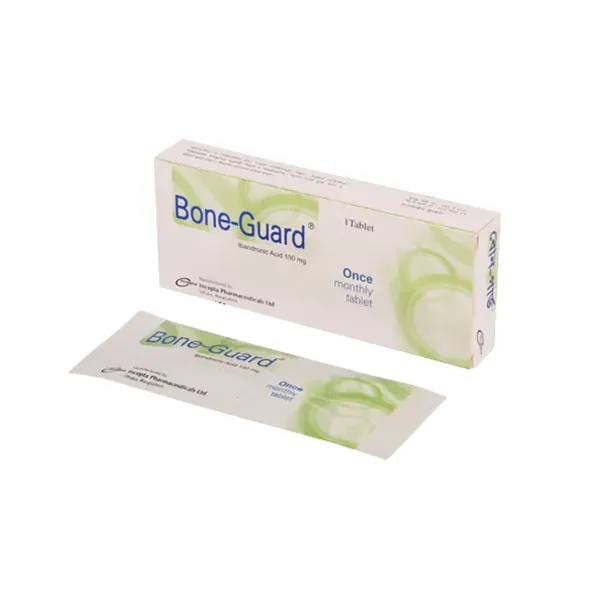
Bone health is the silent foundation of human mobility and structural integrity. As we age, or due to underlying metabolic conditions, the delicate balance between bone resorption and bone formation often shifts toward degradation. Bone Guard has emerged as a gold-standard pharmacological intervention designed to address these imbalances, specifically targeting the reduction of osteoclast activity and the enhancement of bone mineral density.
This guide serves as a clinical resource for patients and healthcare providers, detailing the pharmacological profile, therapeutic application, and safety parameters of Bone Guard. Whether you are managing osteoporosis, osteopenia, or secondary bone density loss, understanding the mechanism and rigorous administration protocols of this medication is essential for optimal therapeutic outcomes.
Deep-Dive: Mechanism of Action and Pharmacokinetics
To understand why Bone Guard is effective, one must first look at the cellular level of bone remodeling. Bone Guard functions primarily as a selective inhibitor of osteoclast-mediated bone resorption.
Mechanism of Action
The drug works through a multi-faceted pathway:
* Osteoclast Inhibition: By binding to specific receptors on the surface of osteoclasts, Bone Guard disrupts the signaling pathways that lead to bone breakdown.
* Mineralization Support: It facilitates the deposition of calcium and phosphorus into the bone matrix, effectively hardening the structural architecture.
* Hormonal Modulation: It aids in regulating the RANKL/OPG pathway, which is the primary molecular switch for bone turnover.
Pharmacokinetics Profile
Understanding how the body processes Bone Guard is critical for ensuring consistent serum levels.
| Parameter | Description |
|---|---|
| Absorption | Rapid oral bioavailability; absorption is enhanced when taken with Vitamin D. |
| Distribution | High affinity for hydroxyapatite crystals in the skeletal system. |
| Metabolism | Negligible hepatic metabolism; primarily eliminated via renal filtration. |
| Half-Life | Approximately 12-18 hours in healthy adult patients. |
Extensive Clinical Indications & Usage
Bone Guard is indicated for a variety of orthopedic and metabolic conditions. Its versatility makes it a staple in long-term musculoskeletal management.
Primary Indications
- Postmenopausal Osteoporosis: Indicated for the prevention and treatment of bone density loss in postmenopausal women at high risk of fracture.
- Glucocorticoid-Induced Osteoporosis: Used in patients undergoing long-term steroid therapy, which is known to accelerate bone loss.
- Paget’s Disease of Bone: Used to normalize the rapid, disorganized bone turnover characteristic of this condition.
- Prophylactic Bone Strengthening: Prescribed for patients with documented osteopenia who show markers of rapid bone mineral density (BMD) decline.
Dosage Guidelines
Dosage must be individualized based on the patient's T-score, age, and renal function.
- Standard Adult Dose: 50mg orally once daily, preferably in the morning.
- Maintenance Dose: 25mg daily for long-term stabilization.
- Administration Note: Must be taken on an empty stomach with a full glass of water to ensure maximum absorption and prevent esophageal irritation.
Risks, Side Effects, and Contraindications
While highly effective, Bone Guard requires diligent monitoring due to potential systemic interactions and localized side effects.
Common Side Effects
- Gastrointestinal: Nausea, abdominal discomfort, and dyspepsia are the most frequently reported side effects.
- Musculoskeletal: Transient bone or joint pain may occur during the first two weeks of initiation.
- Neurological: Occasional reports of headache or dizziness.
Severe Risks
- Osteonecrosis of the Jaw (ONJ): A rare but serious risk, particularly in patients undergoing invasive dental procedures.
- Atypical Femoral Fractures: Long-term use (>5 years) may be associated with low-energy fractures of the femoral shaft.
Contraindications
Bone Guard is strictly contraindicated in the following populations:
* Patients with severe renal impairment (Creatinine Clearance < 30 mL/min).
* Patients with hypocalcemia (must be corrected before starting therapy).
* Known hypersensitivity to the drug or any of its excipients.
* Patients with esophageal abnormalities that delay emptying (e.g., stricture or achalasia).
Pregnancy, Lactation, and Drug Interactions
Pregnancy and Lactation
Bone Guard is categorized as a Class C medication. It is not recommended for use during pregnancy as it may cause fetal harm when administered to a pregnant woman. Because the drug can be deposited in the bone matrix and released over long periods, it is recommended that patients discontinue use at least 6 months before conception. It is not known whether Bone Guard is excreted in human milk; therefore, nursing mothers should avoid the medication.
Major Drug Interactions
| Interacting Agent | Effect |
|---|---|
| Calcium Supplements | Can significantly decrease absorption of Bone Guard if taken simultaneously. |
| NSAIDs | Increases the risk of gastric ulcers and esophageal irritation. |
| Aminoglycosides | May lead to prolonged hypocalcemia. |
| Antacids | Neutralizes the acidic environment required for absorption. |
Overdose Management
An overdose of Bone Guard may manifest as hypocalcemia, hypophosphatemia, and upper gastrointestinal adverse events (upset stomach, heartburn, esophagitis).
- Immediate Action: Administer milk or antacids to bind the medication in the stomach.
- Medical Intervention: Do not induce vomiting. Seek emergency medical attention immediately.
- Clinical Monitoring: Monitor serum calcium and phosphorus levels for 24-48 hours. Intravenous calcium gluconate may be required if severe hypocalcemia occurs.
Frequently Asked Questions (FAQ)
1. How long does it take for Bone Guard to work?
Most patients see an improvement in bone turnover markers within 3 months, with significant increases in bone mineral density typically visible on a DEXA scan after 12 months of consistent use.
2. Can I take Bone Guard with my morning coffee?
No. Coffee, tea, and other caffeinated or acidic beverages significantly inhibit the absorption of Bone Guard. It should be taken with plain water only.
3. Do I need to take extra Calcium while on Bone Guard?
Yes. Your physician will likely prescribe a calcium and Vitamin D supplement, but these must be taken at least 2 hours after your Bone Guard dose to avoid interaction.
4. What should I do if I miss a dose?
If you miss a dose, skip it and take your next dose at the usual time the following morning. Do not take two doses at once to make up for a missed one.
5. Is Bone Guard safe for children?
Bone Guard is not indicated for pediatric patients, as its effects on growing bone tissue have not been fully established.
6. Will Bone Guard cure my osteoporosis?
Bone Guard is a management tool, not a cure. It effectively slows bone loss and reduces fracture risk, but it must be used as part of a comprehensive program including weight-bearing exercise and nutrition.
7. Why do I have to stay upright after taking it?
Staying upright for at least 30 minutes prevents the medication from backing up into the esophagus, which can cause severe irritation or ulceration.
8. Are there any dental precautions?
Yes. It is highly recommended to have a full dental examination before starting therapy. Inform your dentist that you are taking Bone Guard before any oral surgery.
9. Can I drink alcohol while on this medication?
Alcohol can exacerbate gastrointestinal side effects and negatively impact bone density. It is best to minimize or avoid alcohol consumption during treatment.
10. How long will I be on this medication?
The duration of treatment is determined by your orthopedic specialist based on your ongoing bone density scores. Many patients remain on the medication for 3 to 5 years, followed by a "drug holiday."
Disclaimer: This guide is for informational purposes only and does not constitute medical advice. Always consult with a licensed healthcare professional or orthopedic specialist before beginning any new medication or treatment regimen.