
Comprehensive Overview of Bonviva (Ibandronic Acid)
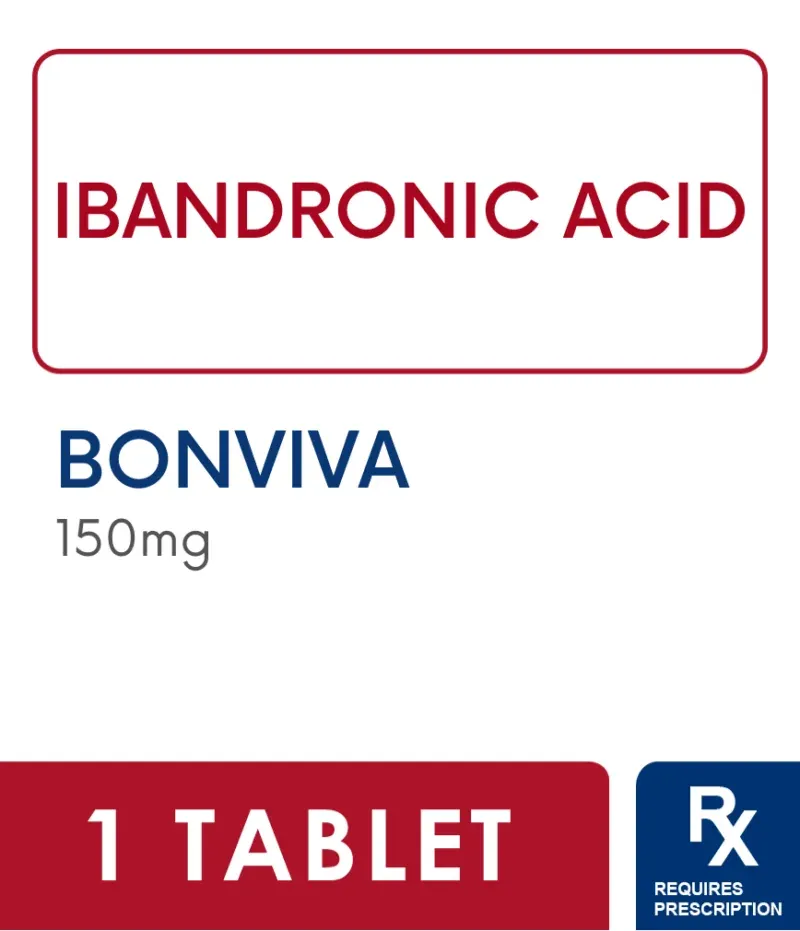
Bonviva, known generically as Ibandronic Acid (or Ibandronate sodium), is a potent nitrogen-containing bisphosphonate used primarily in the management of osteoporosis. It is specifically indicated for the treatment and prevention of osteoporosis in postmenopausal women. By inhibiting bone resorption, Bonviva plays a critical role in reducing the incidence of vertebral fractures and maintaining bone mineral density (BMD).
As an orthopedic specialist, it is essential to understand that Bonviva represents a pharmacological intervention designed to alter the bone remodeling cycle, which is frequently dysregulated in patients with low bone mass.
Mechanism of Action: How Bonviva Works
Bonviva functions through a highly specific mechanism involving the inhibition of osteoclast-mediated bone resorption. Unlike non-nitrogenous bisphosphonates, Ibandronate is a nitrogen-containing bisphosphonate that interferes with the mevalonate pathway.
The Molecular Pathway
- Localization: Upon administration, Ibandronate localizes to sites of active bone resorption, binding to hydroxyapatite crystals in the bone matrix.
- Internalization: Osteoclasts, the cells responsible for breaking down bone tissue, ingest the Ibandronate during the resorption process.
- Enzyme Inhibition: Inside the osteoclast, Ibandronate inhibits farnesyl pyrophosphate synthase (FPPS).
- Cellular Disruption: The inhibition of this enzyme prevents the prenylation of small GTPase proteins (such as Ras, Rho, and Rac). These proteins are essential for the cytoskeletal organization and survival of the osteoclast.
- Apoptosis: Deprived of these vital proteins, the osteoclast undergoes apoptosis (programmed cell death), effectively halting the breakdown of bone and tipping the balance back toward bone formation by osteoblasts.
Pharmacokinetics and Pharmacodynamics
The clinical efficacy of Bonviva is dictated by its unique pharmacokinetic profile, which allows for flexible dosing regimens.
| Parameter | Description |
|---|---|
| Absorption | Rapidly absorbed after oral administration; bioavailability is low (approx. 0.6%). |
| Distribution | Rapidly binds to bone or is excreted into urine. |
| Protein Binding | Approx. 85-87% bound to plasma proteins. |
| Metabolism | Not metabolized in humans. |
| Elimination | Renal excretion of the absorbed fraction (approx. 50-60%). |
| Half-life | Terminal half-life ranges from 10 to 60 hours in healthy volunteers. |
Clinical Indications and Usage
Bonviva is indicated for the following clinical scenarios:
- Postmenopausal Osteoporosis: Treatment to reduce the risk of vertebral fractures.
- Osteoporosis Prevention: Specifically in postmenopausal women at high risk for bone density decline.
- Bone Density Maintenance: Stabilization of BMD in patients with established osteopenia or osteoporosis.
Dosage Guidelines
Bonviva is available in two primary formats, allowing for patient-tailored compliance:
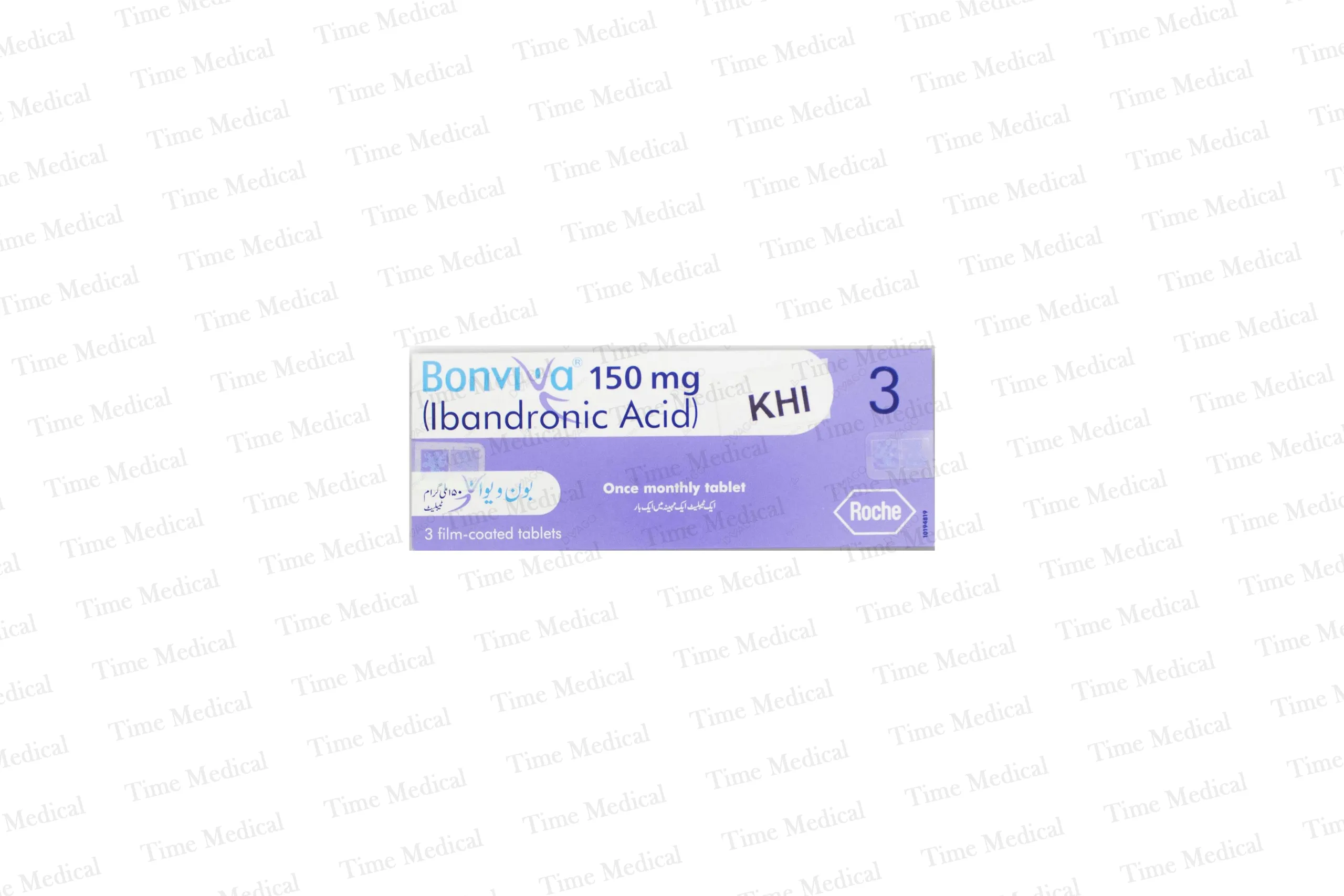
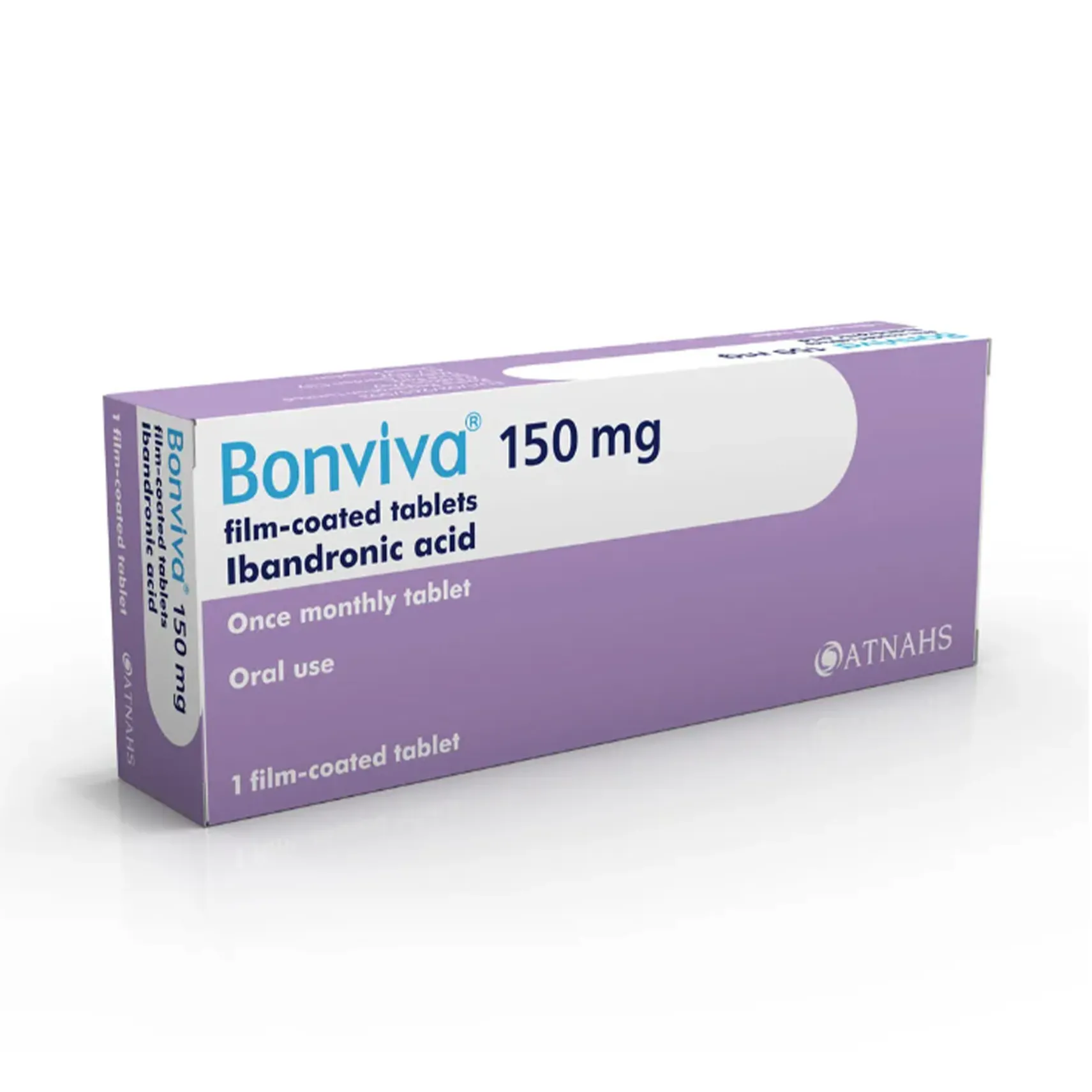
- Oral Tablet (150 mg): Taken once monthly. It must be taken on the same day each month, on an empty stomach, with plain water, at least 60 minutes before the first food or drink of the day. The patient must remain upright for one hour after ingestion.
- Intravenous Injection (3 mg): Administered every three months by a healthcare professional. This is often preferred for patients with gastrointestinal contraindications.
Contraindications and Risks
Clinical safety is paramount when prescribing bisphosphonates. Bonviva is strictly contraindicated in the following cases:
- Hypersensitivity: Known allergy to Ibandronic acid or any excipients.
- Hypocalcemia: Must be corrected before starting therapy.
- Esophageal Abnormalities: Patients with esophageal stricture or achalasia (for oral forms).
- Inability to Stand/Sit: Patients unable to stand or sit upright for at least 60 minutes.
- Severe Renal Impairment: Generally avoided if creatinine clearance is below 30 mL/min.
Important Warnings
- Osteonecrosis of the Jaw (ONJ): Rare but serious. Dental examinations are recommended before initiation.
- Atypical Femoral Fractures: Patients on long-term bisphosphonate therapy should be monitored for thigh or groin pain.
- Gastrointestinal Irritation: Risk of esophageal ulcers or erosions if oral instructions are not followed precisely.
Drug Interactions
| Interacting Agent | Clinical Consequence |
|---|---|
| Calcium Supplements/Antacids | Significant reduction in oral absorption. |
| NSAIDs | Increased risk of gastrointestinal mucosal irritation. |
| Aminoglycosides | Potential for prolonged hypocalcemia. |
Pregnancy and Lactation
Bonviva is classified as Pregnancy Category C. It should not be used during pregnancy as it may cause fetal harm through the mobilization of calcium from the maternal skeleton. It is also not recommended for women who are breastfeeding, as it is unknown if the drug is excreted in human milk.
Overdose Management
Acute overdose of oral Bonviva may result in gastrointestinal adverse events such as upset stomach, heartburn, esophagitis, or ulcers.
* Management: Administer milk or antacids to bind Ibandronate.
* Avoid: Do not induce vomiting due to the risk of esophageal irritation.
* Monitoring: Monitor serum calcium and phosphate levels if significant ingestion is suspected.
Frequently Asked Questions (FAQ)
1. How does Bonviva differ from other bisphosphonates?
Bonviva (Ibandronate) offers a unique monthly oral dosing schedule or a quarterly intravenous injection, which significantly improves patient adherence compared to daily or weekly medications.
2. Can I take Bonviva with coffee or tea?
No. Bonviva must be taken with plain water only. Coffee, tea, juice, or mineral water can significantly inhibit the absorption of the medication.
3. What happens if I miss a dose?
If the monthly dose is missed and there are more than 7 days until the next scheduled dose, take one tablet as soon as you remember. If less than 7 days remain, wait until the next scheduled date. Never take two doses at once.
4. How long should a patient stay on Bonviva?
The optimal duration of bisphosphonate therapy is generally 3 to 5 years. A "drug holiday" may be considered by your physician after this period based on individual fracture risk.
5. Is it necessary to take calcium and Vitamin D with Bonviva?
Yes. Unless the patient has hypercalcemia, supplemental calcium and Vitamin D are essential to ensure the body has the building blocks necessary for bone mineralization while the drug is inhibiting resorption.
6. What is the risk of Osteonecrosis of the Jaw (ONJ)?
ONJ is a rare side effect associated with long-term bisphosphonate use, particularly after invasive dental procedures. Routine oral hygiene and regular dental checkups are the best preventative measures.
7. Does Bonviva cause weight gain?
No, Bonviva does not directly cause weight gain. Any weight fluctuations reported are likely coincidental to the patient's lifestyle or underlying conditions.
8. Can patients with kidney issues take Bonviva?
Patients with mild to moderate renal impairment may use Bonviva, but dosage adjustments or closer monitoring are required. It is contraindicated in patients with severe renal impairment (CrCl < 30 mL/min).
9. Why must I stand for an hour after taking the tablet?
This prevents the tablet from lodging in the esophagus, which could cause severe irritation, inflammation, or ulceration of the esophageal lining.
10. Is the intravenous injection safer than the pill?
The IV injection eliminates the risk of esophageal irritation and ensures 100% absorption, making it an excellent alternative for patients with gastric sensitivity. However, it requires a clinic visit every three months.
Conclusion
Bonviva remains a cornerstone in the management of osteoporosis. By suppressing osteoclast activity, it provides a robust defense against bone density loss. However, its efficacy is inextricably linked to patient compliance—particularly regarding the strict administration protocols for oral tablets. As with any potent pharmacological agent, regular monitoring of bone density, calcium levels, and dental health is vital to ensure therapeutic success while minimizing long-term risks. Always consult with your orthopedic specialist or rheumatologist to determine if Ibandronate is the appropriate choice for your specific bone health profile.