



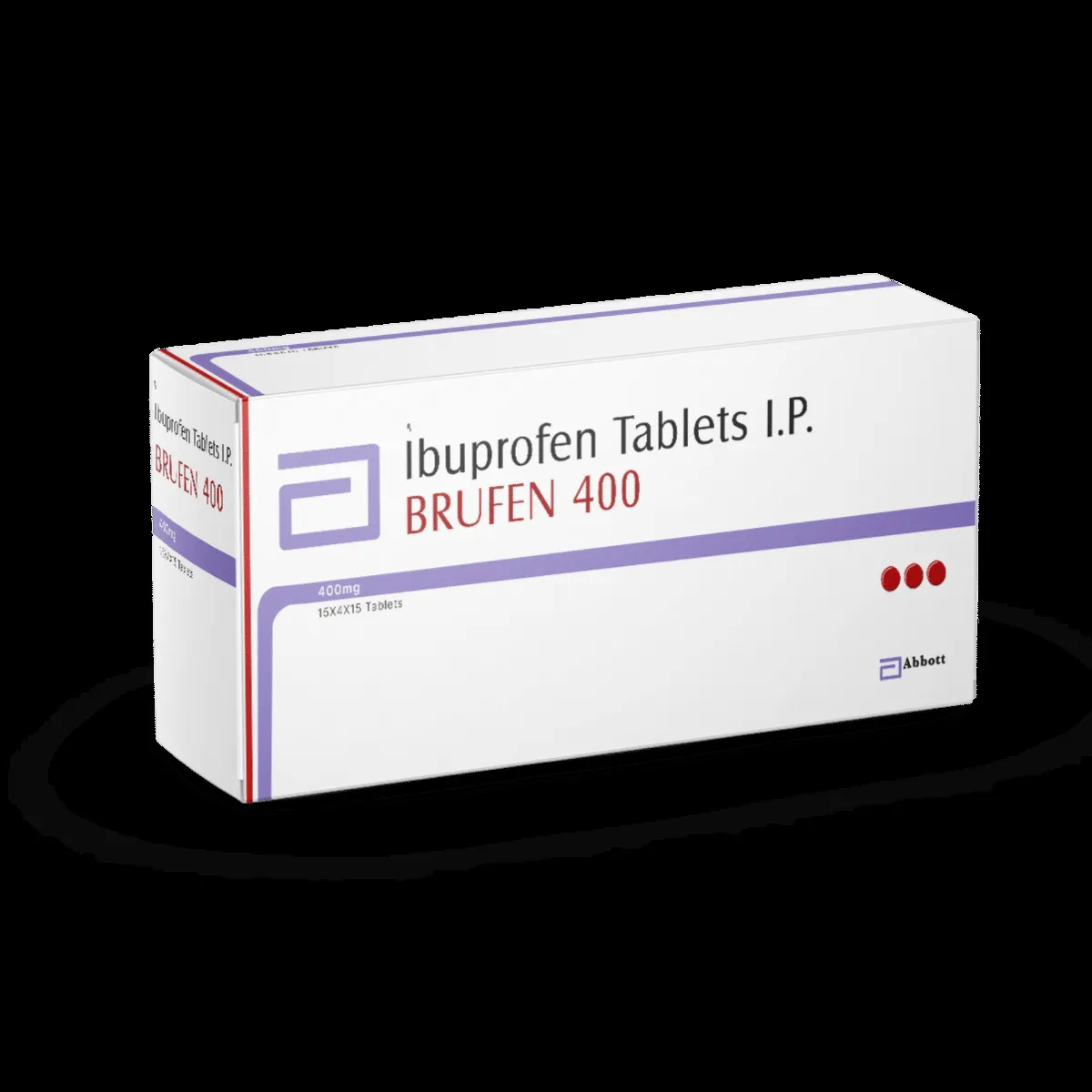

Comprehensive Overview of Brufen (Ibuprofen)
Brufen is a globally recognized brand name for ibuprofen, a non-steroidal anti-inflammatory drug (NSAID) that serves as a cornerstone in modern pain management and inflammation control. As a propionic acid derivative, Brufen is widely utilized for its analgesic, antipyretic, and anti-inflammatory properties. Whether managing acute musculoskeletal trauma or chronic inflammatory conditions, Brufen remains a primary therapeutic choice for orthopedic specialists and general practitioners alike.
This guide provides a professional, clinical-grade overview of the pharmacology, administration, and safety parameters associated with Brufen.
Technical Specifications and Mechanism of Action
Pharmacodynamics: How Brufen Works
The clinical efficacy of Brufen is primarily attributed to its non-selective inhibition of the cyclooxygenase (COX) enzymes, specifically COX-1 and COX-2.
- Inhibition of Prostaglandin Synthesis: By inhibiting the conversion of arachidonic acid to prostaglandins via the COX pathway, Brufen reduces the levels of prostaglandins in the peripheral tissues. Prostaglandins are lipid compounds that act as chemical mediators of pain, fever, and inflammation.
- Peripheral Analgesia: By limiting prostaglandin production, Brufen prevents the sensitization of nociceptors (pain receptors) to mechanical and chemical stimuli.
- Antipyretic Action: The drug acts on the hypothalamus to produce peripheral vasodilation, resulting in increased blood flow to the skin and subsequent heat dissipation to lower body temperature.
Pharmacokinetics
Understanding how the body processes Brufen is essential for optimizing therapeutic outcomes:
| Parameter | Clinical Profile |
|---|---|
| Absorption | Rapidly absorbed from the gastrointestinal tract; peak plasma concentrations reached in 1–2 hours. |
| Protein Binding | Highly bound to plasma proteins (approx. 99%). |
| Metabolism | Hepatic metabolism via oxidation into inactive metabolites. |
| Half-life | Relatively short, approximately 2 hours. |
| Excretion | Primarily renal (excreted in urine as metabolites). |
Extensive Clinical Indications and Usage
Brufen is indicated for a wide range of conditions characterized by pain, inflammation, and pyrexia. In orthopedic practice, it is a first-line agent for:
- Rheumatoid Arthritis and Osteoarthritis: Used to manage joint stiffness and chronic inflammation.
- Soft Tissue Injuries: Effective for sprains, strains, and sports-related injuries.
- Post-Operative Pain: Management of moderate pain following orthopedic surgery.
- Dysmenorrhea: Relief of primary dysmenorrhea symptoms.
- Dental and Minor Surgical Pain: Management of acute pain post-intervention.
- Pyrexia: Reduction of fever in both adult and pediatric populations (when formulated accordingly).
Dosage Guidelines
Dosage must be individualized based on the patient’s age, weight, and the severity of the condition.
- Adults (Mild to Moderate Pain/Inflammation): Typically 400 mg every 4 to 6 hours as needed. Do not exceed 1200 mg in 24 hours without medical supervision.
- Chronic Conditions (e.g., Arthritis): Maintenance doses may range from 1200 mg to 2400 mg daily in divided doses, depending on clinical response.
- Pediatrics: Dosing is strictly weight-based. Always consult a pediatrician for appropriate mg/kg calculations.
Risks, Side Effects, and Contraindications
While highly effective, Brufen is associated with systemic risks, particularly with chronic or high-dose usage.
Common Side Effects
- Gastrointestinal: Dyspepsia, nausea, vomiting, and abdominal pain.
- Central Nervous System: Dizziness, headaches, or drowsiness.
- Dermatological: Mild skin rashes.
Serious Risks and Contraindications
Patients must be screened for the following before initiating Brufen therapy:
- Gastrointestinal Ulceration: History of peptic ulcer disease or active GI bleeding.
- Renal Impairment: Ibuprofen can reduce renal blood flow; use with caution in patients with pre-existing kidney disease.
- Cardiovascular Disease: NSAIDs may increase the risk of myocardial infarction or stroke, particularly in patients with pre-existing cardiovascular conditions.
- Asthma: A subset of patients may experience bronchospasm (aspirin-sensitive asthma).
- Pregnancy: Brufen is contraindicated in the third trimester due to the risk of premature closure of the ductus arteriosus and potential renal impairment in the fetus.
Drug Interactions
Brufen can interact with several common medications, necessitating careful clinical review:
- Anticoagulants (e.g., Warfarin): Increased risk of bleeding due to anti-platelet effects.
- Antihypertensives (ACE inhibitors, Diuretics): NSAIDs may attenuate the blood-pressure-lowering effects of these drugs and increase the risk of acute renal failure.
- Lithium and Methotrexate: Brufen may reduce the renal clearance of these drugs, leading to toxicity.
- Corticosteroids: Concomitant use increases the risk of gastrointestinal ulceration.
Overdose Management
Acute overdose of Brufen is typically managed through supportive care. Symptoms of overdose include nausea, vomiting, epigastric pain, and in severe cases, metabolic acidosis, renal failure, and seizures.
- Gastric Decontamination: Activated charcoal if the patient presents within one hour of ingestion.
- Supportive Therapy: Maintain airway, breathing, and circulation.
- Renal Protection: Ensure adequate urine output and monitor electrolyte levels.
- No Specific Antidote: There is no specific pharmacological reversal agent for ibuprofen.
Frequently Asked Questions (FAQ)
1. Can I take Brufen on an empty stomach?
It is generally recommended to take Brufen with food or milk to minimize the risk of gastrointestinal irritation.
2. Is Brufen safe for patients with high blood pressure?
Brufen can cause fluid retention and may interfere with blood pressure medications. Patients with hypertension should consult their doctor before regular use.
3. How long does it take for Brufen to start working?
Most patients experience pain relief within 30 to 60 minutes of oral administration.
4. Can I combine Brufen with Paracetamol?
Yes, in many clinical settings, alternating or combining these agents is safe for short-term pain relief, provided the patient does not have contraindications to either.
5. Why is Brufen dangerous during the third trimester of pregnancy?
It can cause premature closure of the ductus arteriosus in the fetal heart and decrease amniotic fluid levels (oligohydramnios).
6. Is Brufen suitable for children?
Yes, pediatric formulations exist. However, dosage must be calculated precisely based on body weight by a medical professional.
7. Does Brufen cause stomach ulcers?
Long-term or high-dose use of NSAIDs like Brufen is a well-known risk factor for gastric and duodenal ulcers.
8. Can I drink alcohol while taking Brufen?
Alcohol can increase the risk of gastrointestinal irritation and bleeding when combined with NSAIDs. It is best to avoid alcohol.
9. What should I do if I miss a dose?
Take the dose as soon as you remember. If it is nearly time for your next dose, skip the missed one. Never take a double dose.
10. Can I take Brufen if I am allergic to Aspirin?
Patients with a history of severe allergic reactions (e.g., anaphylaxis, angioedema) to aspirin or other NSAIDs should strictly avoid Brufen.
Disclaimer: This guide is for educational purposes only and does not replace professional medical advice, diagnosis, or treatment. Always seek the advice of your physician or qualified health provider with any questions you may have regarding a medical condition or medication.