
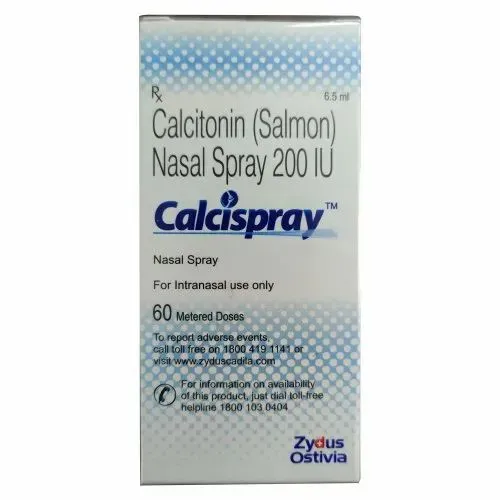

Comprehensive Guide to Calcitonin Nasal Spray: Clinical Overview
Calcitonin (salmon) nasal spray is a synthetic form of the hormone calcitonin, naturally produced by the parafollicular cells (C-cells) of the thyroid gland in humans. In pharmaceutical practice, the salmon-derived peptide is utilized due to its significantly higher potency and longer duration of action compared to human calcitonin. Primarily indicated for the treatment of postmenopausal osteoporosis, this medication plays a specialized role in bone metabolism management.
This guide provides an exhaustive clinical breakdown of Calcitonin, intended for educational purposes for patients and healthcare professionals alike.
Technical Specifications and Mechanism of Action
To understand the efficacy of Calcitonin, one must look at its interaction with the skeletal system at a cellular level.
Pharmacodynamics
Calcitonin is a potent inhibitor of osteoclast activity. Osteoclasts are the cells responsible for bone resorption—the breakdown of bone tissue. By binding to specific receptors on the surface of these cells, Calcitonin effectively reduces their resorptive surface area and inhibits their metabolic activity.
- Inhibition of Bone Resorption: By suppressing osteoclast function, the drug slows the rate of bone mineral loss.
- Calcium Homeostasis: It facilitates the excretion of calcium, phosphate, and sodium by the kidneys, effectively lowering serum calcium levels.
Pharmacokinetics
When administered via the intranasal route, Calcitonin bypasses the gastrointestinal tract, avoiding first-pass metabolism.
| Feature | Description |
|---|---|
| Bioavailability | Approximately 3% to 5% of the intranasal dose. |
| Onset of Action | Typically observed within 15–30 minutes. |
| Peak Plasma Concentration | Reached within 30–60 minutes post-administration. |
| Half-life | Approximately 18–40 minutes (rapid clearance). |
| Metabolism | Primarily degraded by the kidneys and blood tissues. |
Clinical Indications and Usage
Calcitonin nasal spray is specifically approved by regulatory bodies for the treatment of postmenopausal osteoporosis in women who are at least five years post-menopause.
Primary Indications
- Postmenopausal Osteoporosis: Used when alternative treatments (such as bisphosphonates or estrogens) are not suitable or tolerated.
- Bone Metabolism Regulation: It is indicated for patients with low bone mass who are at high risk for fractures.
Dosage Guidelines
The standard clinical recommendation for the management of postmenopausal osteoporosis is:
* Dosage: 200 International Units (IU) per day.
* Administration: One spray (0.1 mL) into one nostril daily.
* Rotation: It is advised to alternate nostrils daily to minimize local nasal irritation.
Note: Patients should be advised to supplement their diet with adequate calcium (1000 mg/day) and Vitamin D (400–800 IU/day) to support bone density improvements.
Risks, Side Effects, and Contraindications
While generally well-tolerated, Calcitonin requires clinical oversight due to potential systemic and local side effects.
Common Side Effects
- Nasal Symptoms: Rhinitis, nasal irritation, crusting, or dryness.
- Gastrointestinal: Nausea or abdominal pain.
- Systemic: Back pain, arthralgia (joint pain), and epistaxis (nosebleeds).
Contraindications
- Hypersensitivity: Patients with a known allergy to salmon calcitonin or any component of the formulation.
- Hypocalcemia: Must be corrected before the initiation of therapy.
Pregnancy and Lactation
- Pregnancy Category C: There are no adequate, well-controlled studies in pregnant women. It should only be used if the potential benefit justifies the potential risk to the fetus.
- Lactation: It is unknown if calcitonin is excreted in human milk. Caution should be exercised when administering to nursing mothers.
Drug Interactions and Overdose Management
Drug Interactions
There are no significant, well-documented clinical drug-drug interactions with Calcitonin. However, caution is advised when using it alongside:
* Lithium: Calcitonin may reduce serum lithium concentrations.
* Other Calcium-lowering agents: Concurrent use may lead to excessive hypocalcemia.
Overdose Management
Symptoms of overdose are generally consistent with excessive pharmacologic effects, including:
* Muscle tremors and tetany.
* Severe nausea or vomiting.
* Hypocalcemic symptoms (e.g., tingling in extremities, muscle spasms).
Management: There is no specific antidote. Treatment should be symptomatic and supportive, focusing on the correction of serum calcium levels through intravenous calcium gluconate if necessary.
Frequently Asked Questions (FAQ)
1. How does Calcitonin differ from bisphosphonates?
Calcitonin acts by directly inhibiting osteoclasts, whereas bisphosphonates work by binding to bone mineral and inducing osteoclast apoptosis. Calcitonin is often considered a "second-line" or alternative therapy.
2. Is it safe for long-term use?
Yes, it is indicated for long-term management, provided the patient is monitored for bone mineral density (BMD) and potential nasal irritation.
3. What should I do if I miss a dose?
If you miss a dose, take it as soon as you remember. However, if it is almost time for your next dose, skip the missed dose and resume your regular schedule. Do not double the dose.
4. Can Calcitonin be used for men with osteoporosis?
While some practitioners may use it off-label, it is primarily FDA-approved for postmenopausal women. Consult an orthopedic specialist for gender-specific treatment plans.
5. Does the nasal spray cause cancer?
Some long-term clinical trials suggested a potential increase in malignancy rates, though the FDA and EMA evaluations have been inconclusive. The benefit-risk profile should be discussed with your physician.
6. How should the bottle be stored?
Unopened bottles should be stored in the refrigerator (2°C to 8°C). Once opened, the bottle can typically be stored at room temperature for up to 30 days.
7. Does it help with bone pain?
Calcitonin has analgesic properties and is sometimes used to manage pain associated with vertebral fractures or Paget’s disease.
8. Will I need blood tests while on this medication?
Periodic monitoring of serum calcium and alkaline phosphatase levels is recommended to assess the drug's effectiveness and ensure safety.
9. Can I use this if I have a cold or sinus infection?
Nasal inflammation can impair the absorption of the medication. It is best to consult your doctor if you have chronic nasal congestion.
10. Does this medication build new bone?
Calcitonin is primarily "anti-resorptive," meaning it stops bone loss. While it helps maintain density, it is not a "bone-building" (anabolic) agent like Teriparatide.
Conclusion
Calcitonin nasal spray remains a valuable tool in the orthopedic arsenal for managing bone health in postmenopausal women. Its unique mechanism of action provides an alternative for those unable to tolerate oral bisphosphonates. By strictly following dosage protocols and maintaining adequate calcium and Vitamin D intake, patients can effectively manage their risk of bone loss. Always consult with a licensed healthcare provider to determine if this therapy aligns with your specific bone health profile.
Disclaimer: This content is for informational purposes only and does not constitute medical advice, diagnosis, or treatment. Always seek the advice of your physician or other qualified health provider with any questions regarding a medical condition.