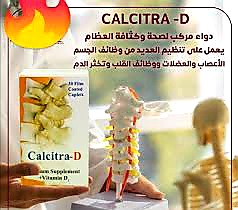
Understanding Calcitra-D: A Clinical Overview
Calcitra-D is a specialized pharmaceutical formulation primarily indicated for the management of calcium and Vitamin D3 deficiencies. In the field of orthopedics and internal medicine, maintaining calcium homeostasis is critical for bone mineralization, nerve transmission, and muscle function. Calcitra-D acts as a combined therapeutic agent, leveraging the synergistic relationship between elemental calcium and cholecalciferol (Vitamin D3) to optimize bone density and metabolic health.
This guide provides an exhaustive clinical breakdown of the medication, intended for healthcare professionals and patients seeking detailed pharmacological insights.
Technical Specifications and Mechanisms of Action
To understand the efficacy of Calcitra-D, one must examine the physiological synergy between its two primary components.
1. Elemental Calcium
Calcium is the primary structural component of the human skeleton. It exists in the body primarily as hydroxyapatite crystals. Calcitra-D facilitates the replenishment of serum calcium levels, which are tightly regulated by parathyroid hormone (PTH) and calcitonin. When serum levels drop, the body resorbs calcium from the bones; Calcitra-D prevents this compensatory bone resorption by maintaining adequate systemic availability.
2. Cholecalciferol (Vitamin D3)
Vitamin D3 is a pro-hormone that is essential for the active transport of calcium in the gastrointestinal tract. Without adequate D3, dietary calcium absorption is significantly impaired (often reduced to 10-15%). Vitamin D3 increases the expression of calcium-binding proteins (calbindins) in the intestinal mucosa, effectively increasing calcium absorption to approximately 30-40%.
Pharmacokinetics
- Absorption: Calcium absorption occurs primarily in the small intestine via both active transport (Vitamin D-dependent) and passive diffusion.
- Distribution: Calcium is distributed to the extracellular fluid and bone tissue. It is highly protein-bound, primarily to albumin.
- Metabolism: Vitamin D3 undergoes hydroxylation in the liver to 25-hydroxyvitamin D [25(OH)D] and subsequently in the kidneys to the active metabolite 1,25-dihydroxyvitamin D [1,25(OH)2D].
- Excretion: Excess calcium is excreted primarily through the kidneys (urine) and the gastrointestinal tract (feces).
Clinical Indications and Therapeutic Usage
Calcitra-D is indicated for a variety of conditions where calcium or Vitamin D homeostasis is compromised.
| Condition | Clinical Rationale |
|---|---|
| Osteoporosis | Used as an adjunct to anti-resorptive therapies to ensure adequate raw material for bone formation. |
| Osteomalacia/Rickets | Vital for correcting mineralization defects caused by Vitamin D deficiency. |
| Hypocalcemia | Immediate correction of serum calcium levels in patients with chronic deficiency. |
| Pregnancy/Lactation | Supports the increased fetal demand for calcium without depleting maternal bone stores. |
| Post-Menopausal Care | Counteracts the accelerated bone loss associated with estrogen deficiency. |
Dosage Guidelines and Administration
Dosage for Calcitra-D is highly individualized and depends on the patient’s baseline serum calcium, Vitamin D levels, and underlying medical conditions.
General Dosing Protocol
- Adults (General Supplementation): Usually 1 tablet once or twice daily, depending on the elemental calcium content per tablet.
- Geriatric Patients: Often requires higher doses due to age-related malabsorption; must be monitored for hypercalciuria.
- Administration: It is recommended to take Calcitra-D with food. This reduces the risk of gastrointestinal irritation and optimizes absorption for certain calcium salts.
Monitoring Requirements
Patients on long-term Calcitra-D therapy should undergo routine blood work, including:
1. Serum Calcium levels.
2. Serum 25-hydroxyvitamin D levels.
3. Renal function tests (Creatinine and eGFR).
4. 24-hour urinary calcium (if hypercalciuria is suspected).
Contraindications and Safety Profile
While generally well-tolerated, Calcitra-D is contraindicated in specific clinical scenarios where calcium accumulation could lead to toxicity.
Absolute Contraindications
- Hypercalcemia: Elevated serum calcium levels.
- Hypercalciuria: Excess calcium in the urine, which increases the risk of nephrolithiasis (kidney stones).
- Severe Renal Impairment: Patients with end-stage renal disease may have altered calcium metabolism, making supplementation dangerous.
- Nephrolithiasis: History of calcium-based kidney stones.
- Sarcoidosis: Patients with this condition are hypersensitive to the effects of Vitamin D.
Potential Side Effects
- Gastrointestinal: Constipation, bloating, and flatulence are the most commonly reported side effects.
- Renal: Increased risk of kidney stone formation if hydration is inadequate.
- Hypercalcemia Symptoms: Nausea, vomiting, confusion, polyuria, and polydipsia.
Drug Interactions
Calcitra-D can significantly alter the absorption or efficacy of other medications.
- Bisphosphonates: Calcium can interfere with the absorption of bisphosphonates. A gap of at least 2 hours is mandatory.
- Tetracycline Antibiotics: Calcium forms insoluble complexes with tetracyclines, drastically reducing their antibiotic efficacy.
- Levothyroxine: Calcium supplements can bind to thyroid hormone, reducing its absorption. Administer at least 4 hours apart.
- Thiazide Diuretics: These drugs reduce urinary calcium excretion and, when combined with Calcitra-D, may lead to hypercalcemia.
Pregnancy and Lactation Warnings
During pregnancy and lactation, calcium requirements increase significantly to support fetal bone development and milk production. Calcitra-D is generally considered safe during these periods. However, supplementation must be managed under medical supervision to avoid hypercalcemia, which can be detrimental to both the mother and the developing fetus.
Overdose Management
Acute overdose of Calcitra-D is rare but serious. It leads to hypercalcemia, characterized by:
* Neurological: Confusion, lethargy, and in severe cases, coma.
* Cardiac: Arrhythmias, shortened QT interval on ECG.
* Gastrointestinal: Severe nausea, vomiting, and abdominal pain.
Management Strategy:
1. Discontinuation: Immediate cessation of all calcium and Vitamin D supplements.
2. Hydration: Aggressive intravenous hydration with isotonic saline to promote calciuresis.
3. Diuretics: Loop diuretics (e.g., Furosemide) may be used to enhance urinary calcium excretion once the patient is rehydrated.
4. Monitoring: Frequent assessment of serum calcium and electrolytes.
Frequently Asked Questions (FAQ)
1. Should I take Calcitra-D with or without food?
It is generally recommended to take Calcitra-D with food. Food increases the gastric transit time and provides an acidic environment that enhances the dissolution and absorption of calcium.
2. Can Calcitra-D cause kidney stones?
Yes, in susceptible individuals, excessive calcium supplementation can increase the risk of calcium-oxalate kidney stones. Maintaining adequate hydration is essential to mitigate this risk.
3. How long does it take to see the effects of Calcitra-D?
While serum calcium levels may improve within days, improvements in bone mineral density (BMD) are slow. Orthopedic benefits are typically measured over months or years.
4. Can I take other vitamins with Calcitra-D?
Yes, but be cautious with other Vitamin D supplements to avoid Vitamin D toxicity. Always consult your physician before adding multiple supplements.
5. Is Calcitra-D suitable for children?
Calcitra-D is typically formulated for adults. Pediatric dosing requires specific pediatric formulations and must be overseen by a pediatrician.
6. What happens if I miss a dose?
Take the dose as soon as you remember. If it is nearly time for your next dose, skip the missed one. Do not double the dose to make up for a missed one.
7. Does Calcitra-D interact with blood pressure medication?
Some interactions exist, particularly with calcium channel blockers. Always inform your doctor of all your current medications.
8. Is there a risk of heart disease with calcium supplements?
Some studies have suggested a potential link between high-dose calcium supplements and cardiovascular calcification. It is best to obtain calcium through diet first and use supplements only as prescribed.
9. Can I drink coffee while taking Calcitra-D?
Caffeine can slightly increase calcium excretion in the urine. It is advisable to space out your coffee consumption and your calcium supplement by at least an hour.
10. Does Calcitra-D expire?
Yes, like all medications, it has a shelf life. Check the packaging for the expiration date. Expired medication may lose its potency or undergo chemical degradation.
Disclaimer: This guide is for informational purposes only and does not constitute medical advice. Always consult with a qualified healthcare provider or orthopedic specialist before starting any new medication or supplement regimen.