
Introduction: The Synergy of Calcium and Vitamin B12
In the realm of preventative medicine and orthopedic health, few nutrients hold as much weight as Calcium and Vitamin B12. While often viewed as distinct entities—one responsible for the structural integrity of the skeleton and the other for the operational fidelity of the nervous system—their combined management is vital for patients suffering from metabolic bone diseases, neuropathy, and chronic fatigue.
Calcium is the most abundant mineral in the human body, serving as the primary building block for hydroxyapatite crystals in bone tissue. Vitamin B12 (cobalamin), conversely, is a water-soluble vitamin essential for DNA synthesis, red blood cell formation, and the maintenance of the myelin sheath that insulates nerve fibers. This guide explores the intricate clinical intersection of these two essential components.
Deep-Dive: Mechanisms of Action and Pharmacokinetics
The Mechanism of Calcium
Calcium homeostasis is strictly regulated by parathyroid hormone (PTH), calcitonin, and Vitamin D.
* Bone Mineralization: Calcium ions incorporate into the collagen matrix of bones to provide tensile strength and rigidity.
* Cellular Signaling: Beyond structural support, calcium acts as a second messenger in muscle contraction, blood coagulation, and neurotransmitter release.
* Pharmacokinetics: Oral calcium salts (carbonate or citrate) are absorbed in the small intestine via both active transport (Vitamin D-dependent) and passive diffusion. Bioavailability varies; calcium carbonate requires an acidic environment for optimal dissolution, whereas calcium citrate is better absorbed in patients with hypochlorhydria.
The Mechanism of Vitamin B12
Vitamin B12 functions as a cofactor for two major enzymes:
1. Methionine Synthase: Converts homocysteine to methionine, which is necessary for DNA synthesis and myelin maintenance.
2. L-methylmalonyl-CoA Mutase: Converts methylmalonyl-CoA to succinyl-CoA, preventing the accumulation of toxic organic acids that lead to neurological damage.
* Pharmacokinetics: B12 absorption is complex, requiring intrinsic factor (IF) secreted by gastric parietal cells. It is absorbed in the terminal ileum. Once in the bloodstream, it is transported via transcobalamins to the liver for storage.
Clinical Indications and Orthopedic Usage
The co-administration of Calcium and B12 is frequently indicated in specific patient cohorts, particularly the elderly and those with chronic malabsorptive disorders.
| Indication | Clinical Rationale |
|---|---|
| Osteoporosis | Calcium ensures bone density; B12 deficiency is linked to lower bone mineral density (BMD) and increased fracture risk. |
| Pernicious Anemia | Direct treatment for B12 deficiency; often accompanies bone loss due to chronic inflammation. |
| Peripheral Neuropathy | B12 supports nerve regeneration; Calcium supports the neuromuscular junction. |
| Post-Gastrectomy | Patients require lifelong supplementation of both due to loss of IF and reduced acid production. |
| Osteopenia | Prophylactic management to slow bone resorption. |
Dosage Guidelines and Administration
Dosage requirements are highly individualized based on age, diet, and underlying pathology.
Calcium Dosage
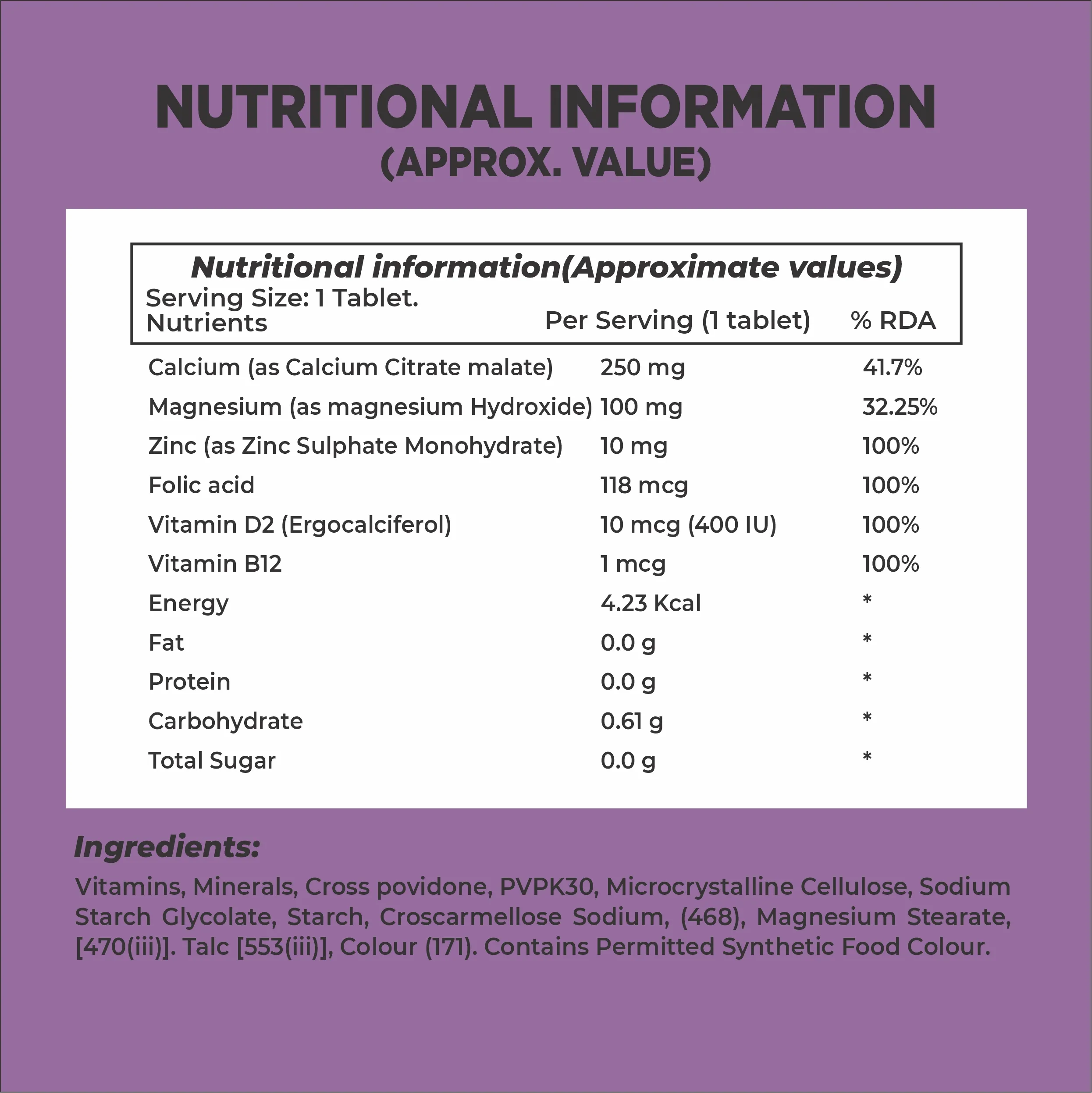
- Adults (19-50 years): 1,000 mg/day.
- Adults (51+ years): 1,200 mg/day.
- Administration: It is recommended to divide doses (no more than 500mg per intake) to maximize absorption efficiency.
Vitamin B12 Dosage
- Standard Deficiency: 1,000 mcg orally daily or intramuscular injections (1,000 mcg) as determined by serum levels.
- Maintenance: 250–500 mcg daily for those with mild absorption issues.
Contraindications and Risks
Calcium Contraindications
- Hypercalcemia: Elevated serum calcium levels.
- Hypercalciuria: High levels of calcium in the urine (risk of nephrolithiasis).
- Severe Renal Impairment: Requires close monitoring due to the risk of soft tissue calcification.
Vitamin B12 Contraindications
- Leber’s Optic Atrophy: B12 (specifically cyanocobalamin) can cause severe optic nerve damage in these patients.
- Hypersensitivity: Rare allergic reactions to cobalt or the vitamin itself.
Drug Interactions
- Bisphosphonates: Calcium interferes with the absorption of bisphosphonates; separate doses by at least 2 hours.
- Proton Pump Inhibitors (PPIs): Long-term PPI use reduces B12 and calcium absorption by decreasing gastric acid.
- Tetracyclines/Quinolones: Calcium binds to these antibiotics, significantly reducing their efficacy.
Pregnancy and Lactation Warnings
- Calcium: Essential during pregnancy for fetal bone development. Supplementation is safe and often necessary if dietary intake is insufficient.
- Vitamin B12: Recommended for pregnant and breastfeeding women to prevent neurological developmental issues in the fetus. High doses are generally considered safe, but clinical oversight is required.
Overdose Management
Calcium Toxicity (Hypercalcemia)
- Symptoms: Nausea, vomiting, constipation, confusion, and heart arrhythmias.
- Management: Discontinuation of supplements, increased hydration, and in severe cases, intravenous saline or calcitonin/bisphosphonates to lower serum calcium.
Vitamin B12 Toxicity
- Profile: Extremely low toxicity. Excess B12 is water-soluble and typically excreted via the kidneys. No specific antidote is required.
Frequently Asked Questions (FAQ)
1. Can I take Calcium and Vitamin B12 together?
Yes, there are no known negative interactions between the two supplements. However, they should be taken with meals to maximize absorption.
2. Does Vitamin B12 help with bone health?
Emerging research suggests that B12 deficiency is associated with lower bone mineral density and an increased risk of hip fractures, likely due to its role in osteoblast activity.
3. Which form of Calcium is best?
Calcium Citrate is generally preferred for older adults or those taking acid-reducing medication, while Calcium Carbonate is cheaper and effective when taken with food.
4. What are the symptoms of low Vitamin B12?
Symptoms include fatigue, tingling in the hands and feet (paresthesia), memory issues, and muscle weakness.
5. How do I know if I have a deficiency?
A simple blood panel measuring serum Calcium, Vitamin D, and Vitamin B12 levels is the gold standard for diagnosis.
6. Can supplements cause kidney stones?
Excessive calcium supplementation without adequate hydration can increase the risk of calcium-oxalate kidney stones. Always consult your physician for the correct dosage.
7. Should I take B12 injections or pills?
For those with severe malabsorption (e.g., Crohn’s disease or pernicious anemia), injections are more reliable. Otherwise, oral supplementation is usually sufficient.
8. Does coffee affect Calcium absorption?
High caffeine intake can slightly increase calcium excretion in the urine, but it is generally not a concern if your daily calcium intake is adequate.
9. Can I get these nutrients from food?
Yes. Calcium is found in dairy, leafy greens, and fortified cereals. Vitamin B12 is found exclusively in animal products (meat, fish, eggs, dairy) or fortified plant-based foods.
10. How long should I take these supplements?
This depends on the cause of your deficiency. Some patients require lifelong supplementation, while others may only need it temporarily during recovery from surgery or pregnancy.
Conclusion: A Holistic Approach to Orthopedic Wellness
The combination of Calcium and Vitamin B12 represents a cornerstone of metabolic health. By maintaining optimal levels of these nutrients, patients can significantly reduce their risk of degenerative bone diseases and neurological decline.
As an orthopedic specialist, I emphasize that supplementation is not a substitute for a balanced diet and regular weight-bearing exercise. However, when dietary intake falls short, targeted supplementation under medical supervision provides the necessary support for the skeletal and nervous systems to thrive. Always consult with your primary care physician or orthopedic specialist before beginning a new supplement regimen to ensure it aligns with your specific health profile and existing medication list.