
Introduction to the Calcium, Zinc, and Vitamin D3 Triad
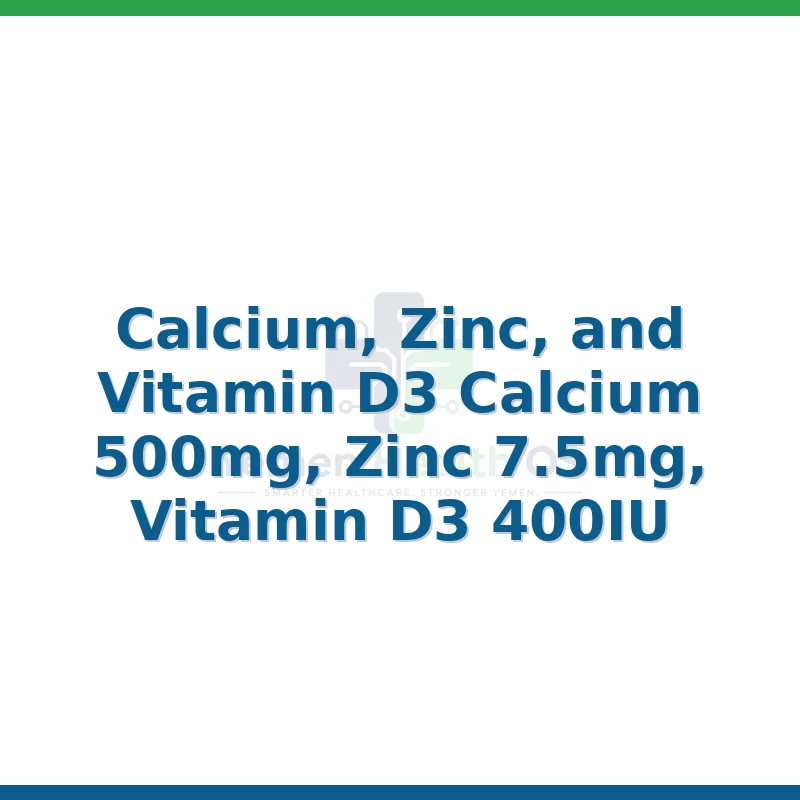
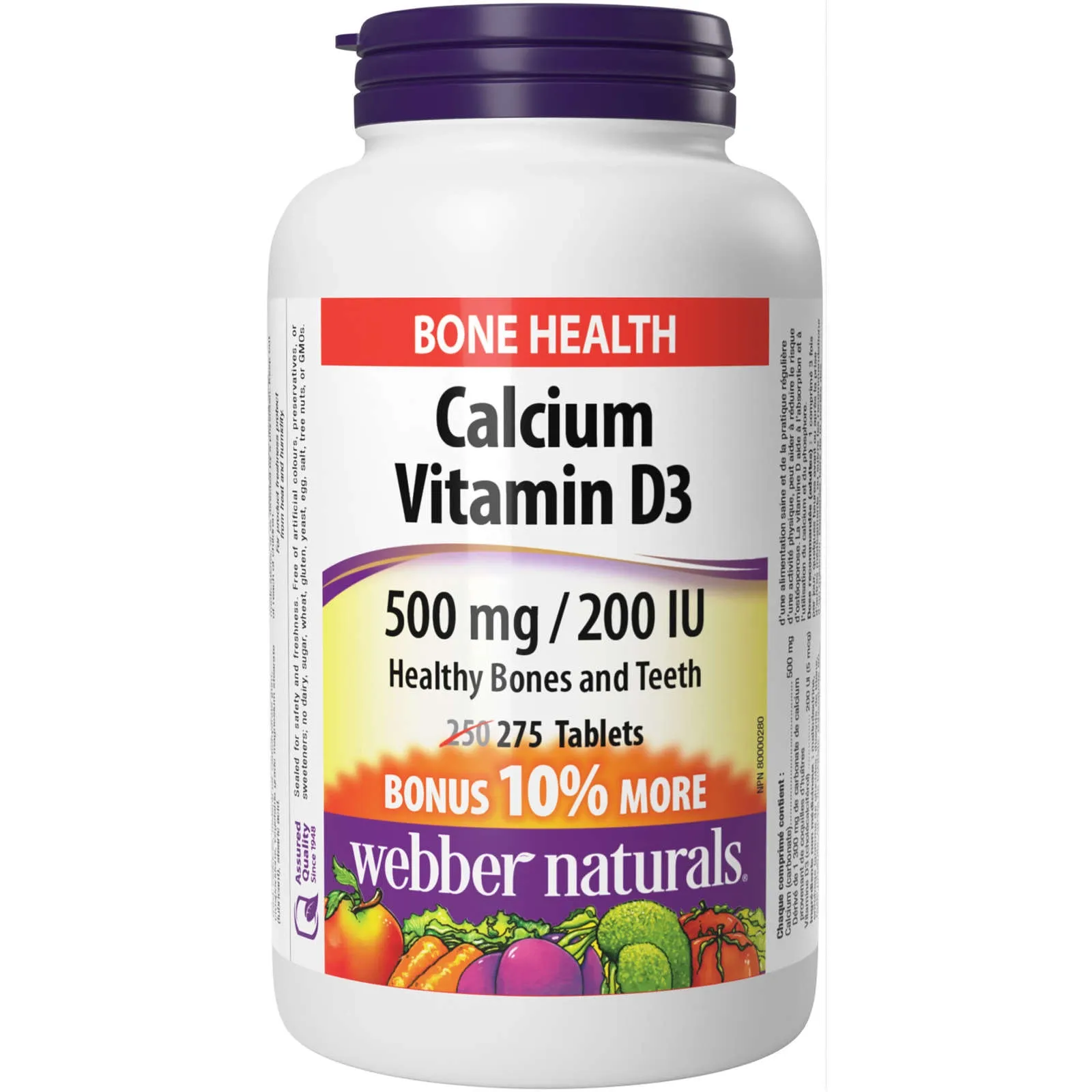
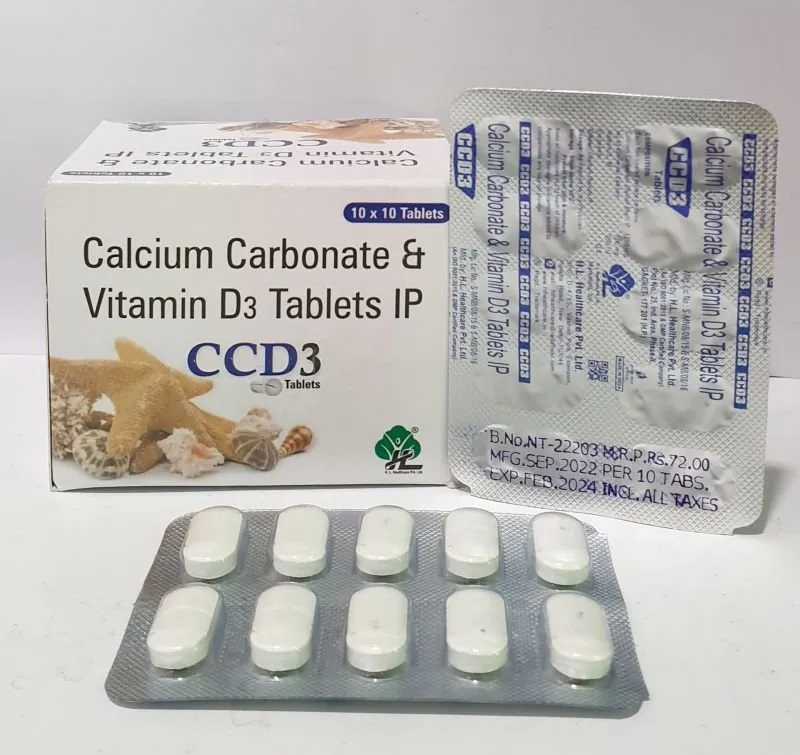
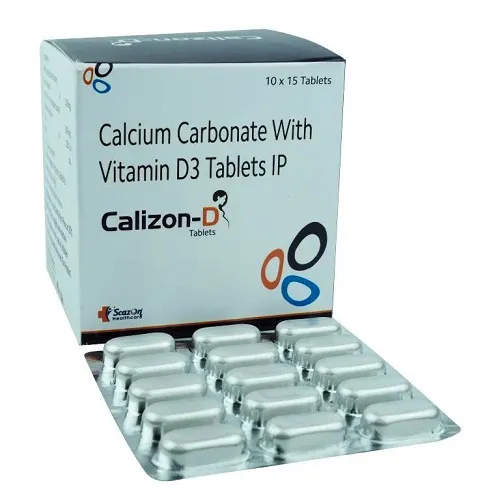
The combination of Calcium, Zinc, and Vitamin D3 represents a cornerstone of metabolic bone health and immune modulation. In clinical orthopedics and internal medicine, this formulation is frequently utilized to address nutritional deficiencies, support bone mineral density, and facilitate optimal enzymatic function.
While Calcium and Vitamin D3 are the gold standard for skeletal integrity, the inclusion of Zinc acts as a vital cofactor for collagen synthesis and alkaline phosphatase activity—an enzyme essential for bone mineralization. This guide provides a deep dive into the pharmacological profile, therapeutic applications, and safety parameters of this supplemental triad.
Technical Specifications and Mechanisms of Action
To understand the efficacy of this combination, one must evaluate the individual pharmacodynamics of each component and how they function synergistically within the human body.
1. Calcium (The Structural Foundation)
Calcium is the most abundant mineral in the human body. It is primarily stored in the hydroxyapatite matrix of bones and teeth.
* Mechanism: Calcium ions (Ca2+) serve as intracellular messengers and are essential for muscle contraction, nerve transmission, and blood coagulation. In bone, it provides structural rigidity.
* Absorption: Passive diffusion occurs in the small intestine, but active transport (calbindin-mediated) is heavily dependent on Vitamin D3 levels.
2. Vitamin D3 (Cholecalciferol)
Vitamin D3 is a prohormone that regulates calcium homeostasis.
* Mechanism: Upon ingestion, Vitamin D3 is hydroxylated in the liver to 25-hydroxyvitamin D [25(OH)D] and subsequently in the kidneys to the active form, 1,25-dihydroxyvitamin D [1,25(OH)2D] (calcitriol).
* Action: Calcitriol binds to the Vitamin D Receptor (VDR), increasing the expression of calcium-binding proteins in the intestinal epithelium, thereby drastically increasing intestinal calcium absorption.
3. Zinc (The Enzymatic Catalyst)
Zinc is a trace element essential for the activity of over 300 enzymes.
* Mechanism: Zinc is crucial for the synthesis of Type I collagen, the primary protein matrix of bone. It also stimulates the activity of osteoblasts (bone-forming cells) and inhibits osteoclasts (bone-resorbing cells).
| Nutrient | Primary Function | Clinical Impact |
|---|---|---|
| Calcium | Structural Mineralization | Prevents Osteopenia/Osteoporosis |
| Vitamin D3 | Calcium Absorption | Prevents Rickets/Osteomalacia |
| Zinc | Protein/Collagen Synthesis | Enhances Bone Matrix Integrity |
Clinical Indications and Pharmacokinetics
Indications for Use
The combination is indicated for patients at risk of or suffering from:
* Osteoporosis & Osteopenia: To maintain bone mineral density (BMD) in post-menopausal women and elderly patients.
* Hypocalcemia: Chronic management of low serum calcium levels.
* Osteomalacia: Treatment of bone softening due to severe Vitamin D deficiency.
* Post-Fracture Recovery: Supporting the increased metabolic demand for bone remodeling.
* Nutritional Support: For patients with malabsorption syndromes (e.g., Celiac disease, Crohn’s).
Pharmacokinetics
- Absorption: Calcium absorption is dose-dependent and improved by Vitamin D3. Zinc absorption can be inhibited by high-dose calcium; therefore, timing is critical.
- Distribution: Calcium is highly protein-bound in the plasma. Zinc is primarily stored in the muscles and liver.
- Excretion: Calcium is excreted via kidneys and feces. Zinc is primarily excreted through the gastrointestinal tract.
Dosage Guidelines and Administration
Dosage should be individualized based on serum levels and dietary intake.
General Dosage Recommendations (Adults)
- Calcium: 1,000–1,200 mg daily (inclusive of dietary intake).
- Vitamin D3: 800–2,000 IU daily (depending on baseline 25(OH)D levels).
- Zinc: 10–30 mg of elemental zinc daily.
Administration Tips
- Calcium Timing: Calcium carbonate requires stomach acid for absorption and should be taken with food. Calcium citrate can be taken on an empty stomach.
- Separation: To maximize bioavailability, avoid taking Zinc supplements simultaneously with high doses of Calcium, as they may compete for absorption transporters.
Risks, Contraindications, and Drug Interactions
Contraindications
- Hypercalcemia: Elevated serum calcium levels.
- Hypercalciuria: High levels of calcium in the urine.
- Nephrolithiasis: History of calcium-based kidney stones.
- Sarcoidosis: Often associated with Vitamin D hypersensitivity.
Drug Interactions
- Bisphosphonates: Calcium can decrease the absorption of bisphosphonates; separate doses by at least 2 hours.
- Tetracycline/Quinolone Antibiotics: Calcium and Zinc can chelate these drugs, significantly reducing their efficacy.
- Thiazide Diuretics: May decrease urinary calcium excretion, increasing the risk of hypercalcemia.
Pregnancy and Lactation
- Safety: Generally considered safe when taken within the Recommended Dietary Allowance (RDA).
- Monitoring: Excessive Vitamin D intake during pregnancy should be avoided unless prescribed, due to potential risk of fetal hypercalcemia.
Overdose Management
Symptoms of Toxicity
- Calcium: Constipation, nausea, vomiting, confusion, and in extreme cases, cardiac arrhythmias (due to hypercalcemia).
- Vitamin D3: Hypercalcemia, hyperphosphatemia, and soft tissue calcification.
- Zinc: Nausea, vomiting, metallic taste, and long-term copper deficiency (due to competition).
Management
If overdose is suspected:
1. Discontinuation: Immediately stop all supplements containing these minerals.
2. Hydration: Aggressive fluid resuscitation to promote renal calcium excretion.
3. Medical Intervention: In cases of severe hypercalcemia, loop diuretics or bisphosphonates may be administered in a hospital setting.
Frequently Asked Questions (FAQ)
1. Can I take these supplements all at once?
While convenient, it is often recommended to separate Zinc from high-dose Calcium to prevent competitive inhibition of absorption.
2. Is Vitamin D3 the same as Vitamin D2?
No. Vitamin D3 (cholecalciferol) is more effective at raising and maintaining serum 25(OH)D levels compared to D2 (ergocalciferol).
3. Will this combination help with joint pain?
While the primary focus is bone density, the collagen-supporting properties of Zinc and the anti-inflammatory potential of Vitamin D3 may provide modest relief for joint-related discomfort.
4. What is the best time of day to take Calcium?
Calcium carbonate is best taken with a meal. Calcium citrate is more flexible and can be taken at any time.
5. Can I get these nutrients from food alone?
Yes, but many populations, especially the elderly, struggle to meet the requirements for Vitamin D3 and Calcium through diet alone, necessitating supplementation.
6. Does Zinc cause stomach upset?
High doses of Zinc on an empty stomach can cause nausea. It is best taken with a small amount of food.
7. How long does it take to see results?
Bone density changes are slow. Clinical markers (like serum Vitamin D) may improve in 4–8 weeks, but bone mineral density improvements typically take 6–12 months to show on a DEXA scan.
8. Are there side effects to long-term use?
Long-term use is generally safe if levels are monitored. Excess calcium intake has been debated regarding cardiovascular risk, so it is vital not to exceed the tolerable upper limit (UL).
9. Can I take these with my blood pressure medication?
Some blood pressure medications, like thiazide diuretics, interact with calcium. Always consult your physician before starting.
10. Should I get my blood levels checked first?
Yes. It is highly recommended to check serum 25(OH)D and serum calcium levels before beginning a high-dose supplementation regimen.
Conclusion
The synergy between Calcium, Zinc, and Vitamin D3 is essential for maintaining a robust skeletal system and supporting systemic health. By understanding the mechanisms of these nutrients and adhering to appropriate dosage and safety guidelines, patients can effectively manage bone health and prevent deficiencies.
Disclaimer: This guide is for educational purposes only and does not constitute medical advice. Always consult with a licensed healthcare professional or orthopedic specialist before beginning any new supplement regimen.