

Comprehensive Guide to Caltrate: Understanding Calcium Supplementation
In the field of orthopedics and bone health, maintaining adequate calcium levels is a cornerstone of preventative medicine. Caltrate is one of the most recognized over-the-counter brands for calcium supplementation. This guide provides a clinical-grade overview of the pharmacology, indications, and safety profiles associated with Caltrate, designed for patients and healthcare providers seeking a deeper understanding of its systemic impact.
1. Introduction and Clinical Overview
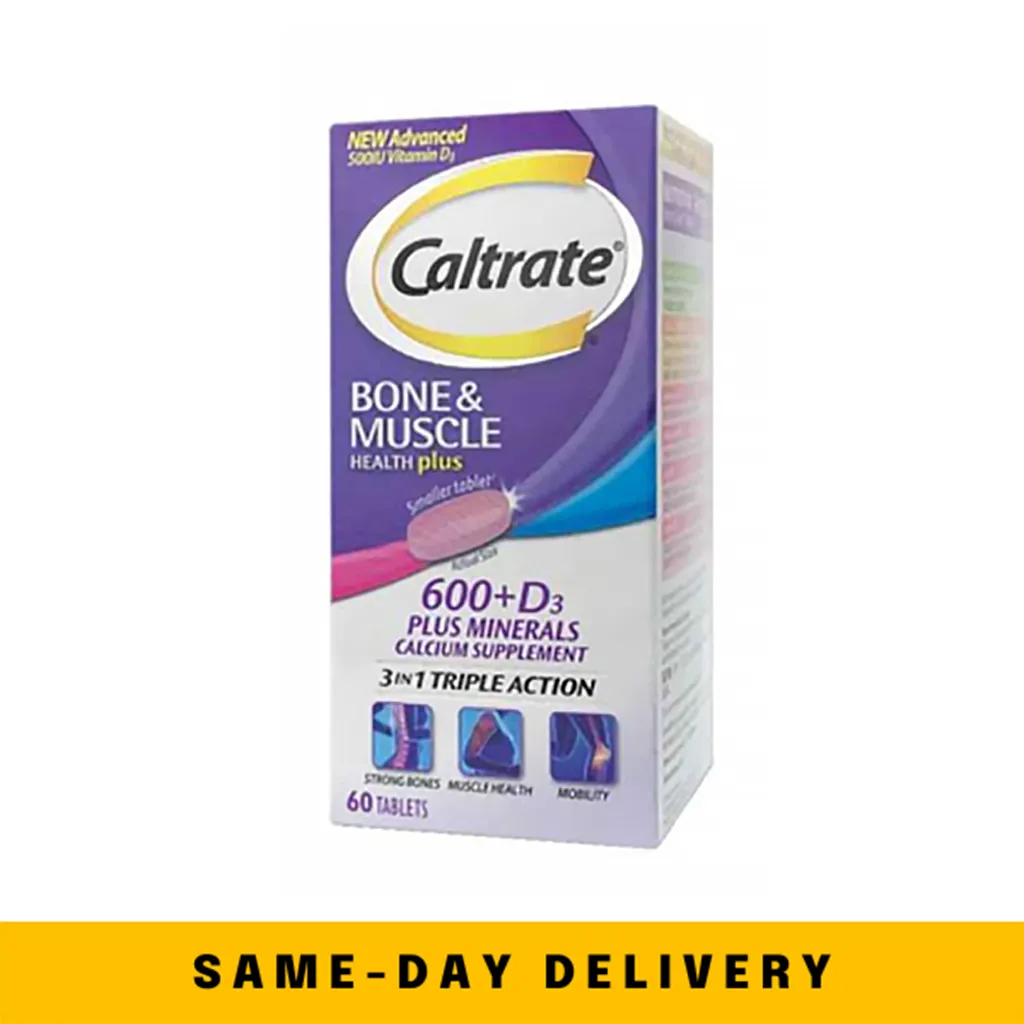
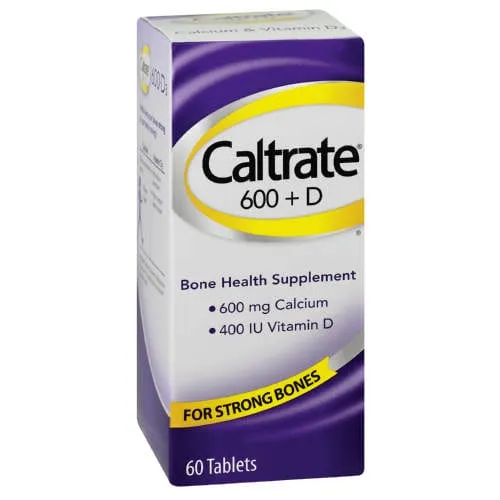
Caltrate is primarily a calcium supplement, typically formulated as calcium carbonate. Calcium is the most abundant mineral in the human body, essential not only for skeletal integrity but also for neuromuscular function, intracellular signaling, and hormonal secretion.
As individuals age, bone density naturally declines, a process accelerated by factors such as menopause, vitamin D deficiency, and sedentary lifestyles. Caltrate serves as an exogenous source of elemental calcium to help bridge the gap between dietary intake and physiological requirements, thereby supporting bone density and reducing the risk of osteoporotic fractures.
2. Mechanism of Action and Pharmacokinetics
Mechanism of Action
Caltrate provides elemental calcium, which is essential for maintaining the serum calcium concentration. When dietary intake is insufficient, the body initiates bone resorption—leaching calcium from the skeletal matrix to maintain blood levels. By supplementing with Caltrate, the body is provided with the necessary ions to:
* Support Bone Remodeling: Facilitate the activity of osteoblasts in bone formation.
* Neuromuscular Transmission: Assist in the release of neurotransmitters and muscle contraction.
* Cardiac Function: Maintain the rhythmic depolarization of cardiac muscle cells.
Pharmacokinetics
- Absorption: Calcium carbonate is highly dependent on gastric acidity for dissolution. Once dissolved, calcium is absorbed in the small intestine, primarily through active transport (vitamin D-dependent) and passive diffusion.
- Distribution: Absorbed calcium enters the extracellular fluid pool, where it is tightly regulated by parathyroid hormone (PTH), calcitonin, and vitamin D.
- Metabolism: Calcium is not metabolized by the liver; it is a mineral element.
- Excretion: Primarily excreted via the kidneys (urine) and the gastrointestinal tract (feces).
3. Clinical Indications and Usage
Caltrate is indicated for individuals who cannot meet their daily calcium requirements through diet alone.
| Indication | Clinical Context |
|---|---|
| Osteoporosis Prevention | Used as an adjunct to lifestyle changes to preserve bone mass. |
| Osteomalacia | Treatment of bone softening caused by severe mineral deficiency. |
| Hypocalcemia | Management of low serum calcium levels (under medical supervision). |
| Postmenopausal Support | Counteracting accelerated bone loss due to estrogen decline. |
| Pregnancy/Lactation | Supplementing increased demand for fetal skeletal development. |
Dosage Guidelines
Dosage must be individualized based on age, dietary intake, and clinical status. The National Institutes of Health (NIH) generally recommends:
* Adults (19-50 years): 1,000 mg/day (total from diet and supplements).
* Adults (51-70 years): 1,000 mg/day (men); 1,200 mg/day (women).
* Adults (70+ years): 1,200 mg/day.
Note: It is generally recommended to split doses (e.g., 500mg twice daily) to maximize absorption, as the body can only absorb a limited amount of calcium at one time.
4. Risks, Side Effects, and Contraindications
While generally safe, Caltrate is not devoid of potential adverse effects, particularly when taken in excess.
Common Side Effects
- Gastrointestinal Distress: Constipation, bloating, and flatulence are the most reported side effects. These can often be mitigated by increasing water intake and fiber consumption.
- Hypercalcemia: Excessive supplementation can lead to elevated blood calcium levels, resulting in nausea, vomiting, confusion, and abdominal pain.
Contraindications
- Hypercalcemia: Individuals with pre-existing high calcium levels should avoid supplementation.
- Hypercalciuria: Patients prone to calcium-based kidney stones.
- Severe Renal Impairment: Requires medical consultation as calcium excretion is impaired.
- Sarcoidosis: Often associated with hypercalcemia.
Drug Interactions
Calcium can inhibit the absorption of several medications. A general rule is to separate doses by at least 2–4 hours.
* Antibiotics: Tetracyclines and Fluoroquinolones.
* Thyroid Medication: Levothyroxine.
* Bisphosphonates: Calcium can significantly reduce the efficacy of bone-building drugs.
* Iron Supplements: Calcium interferes with iron absorption.
5. Pregnancy, Lactation, and Overdose Management
Pregnancy and Lactation
Calcium requirements increase during pregnancy and lactation to support fetal growth and milk production. Caltrate is generally considered safe during these periods when used within the recommended daily allowance. However, excessive intake must be avoided to prevent fetal hypercalcemia.
Overdose Management
Acute overdose is rare but can lead to "Milk-Alkali Syndrome" (hypercalcemia, alkalosis, and renal insufficiency).
* Symptoms of Overdose: Severe nausea, cardiac arrhythmias, lethargy, and mental status changes.
* Management: Immediate discontinuation of the supplement, hydration to promote renal excretion, and in severe cases, medical intervention with loop diuretics or calcitonin.
6. Frequently Asked Questions (FAQ)
1. Should I take Caltrate with or without food?
Calcium carbonate (the active ingredient in Caltrate) requires stomach acid for optimal absorption. It is best taken with a meal.
2. Can Caltrate cause kidney stones?
For most people, dietary calcium reduces the risk of stones. However, excessive supplemental calcium in individuals with a history of hypercalciuria may increase risk. Consult your urologist.
3. Does Caltrate contain Vitamin D?
Many Caltrate formulations include Vitamin D3, which is essential for calcium absorption. Always check the label of your specific product.
4. How long should I take Caltrate?
It is intended for long-term use for those with chronic deficiencies. It should be used as part of a comprehensive bone health plan.
5. Can I take Caltrate with my multivitamin?
Check your multivitamin label. If it already contains calcium, you may exceed the daily limit, increasing the risk of side effects.
6. Is Caltrate safe for children?
Caltrate is generally formulated for adults. Children have different nutritional requirements; consult a pediatrician before use.
7. What is the difference between Calcium Carbonate and Calcium Citrate?
Carbonate (Caltrate) has a higher percentage of elemental calcium and is best taken with food. Citrate is better absorbed by those with low stomach acid (e.g., those on PPI medications).
8. Will Caltrate interact with my blood pressure medication?
Calcium channel blockers may have their efficacy altered by high calcium intake. Always discuss this with your cardiologist.
9. What are the signs of too much calcium?
Watch for constipation, extreme thirst, frequent urination, and unexplained fatigue or mood changes.
10. Does Caltrate expire?
Yes, check the expiration date on the packaging. Over time, the efficacy of the tablet may degrade, and the physical stability of the binder may change.
Conclusion
Caltrate remains a gold-standard supplement for maintaining skeletal health. However, efficacy is maximized when used in conjunction with a balanced diet, adequate Vitamin D status, and weight-bearing exercise. Always consult with a healthcare professional before starting any new supplement regimen to ensure it aligns with your specific medical history and current medication profile.
Disclaimer: This guide is for educational purposes only and does not constitute medical advice, diagnosis, or treatment. Always seek the advice of your physician or other qualified health provider with any questions regarding a medical condition.