
Comprehensive Guide to Caltrate 600+D3: Bone Health and Supplementation
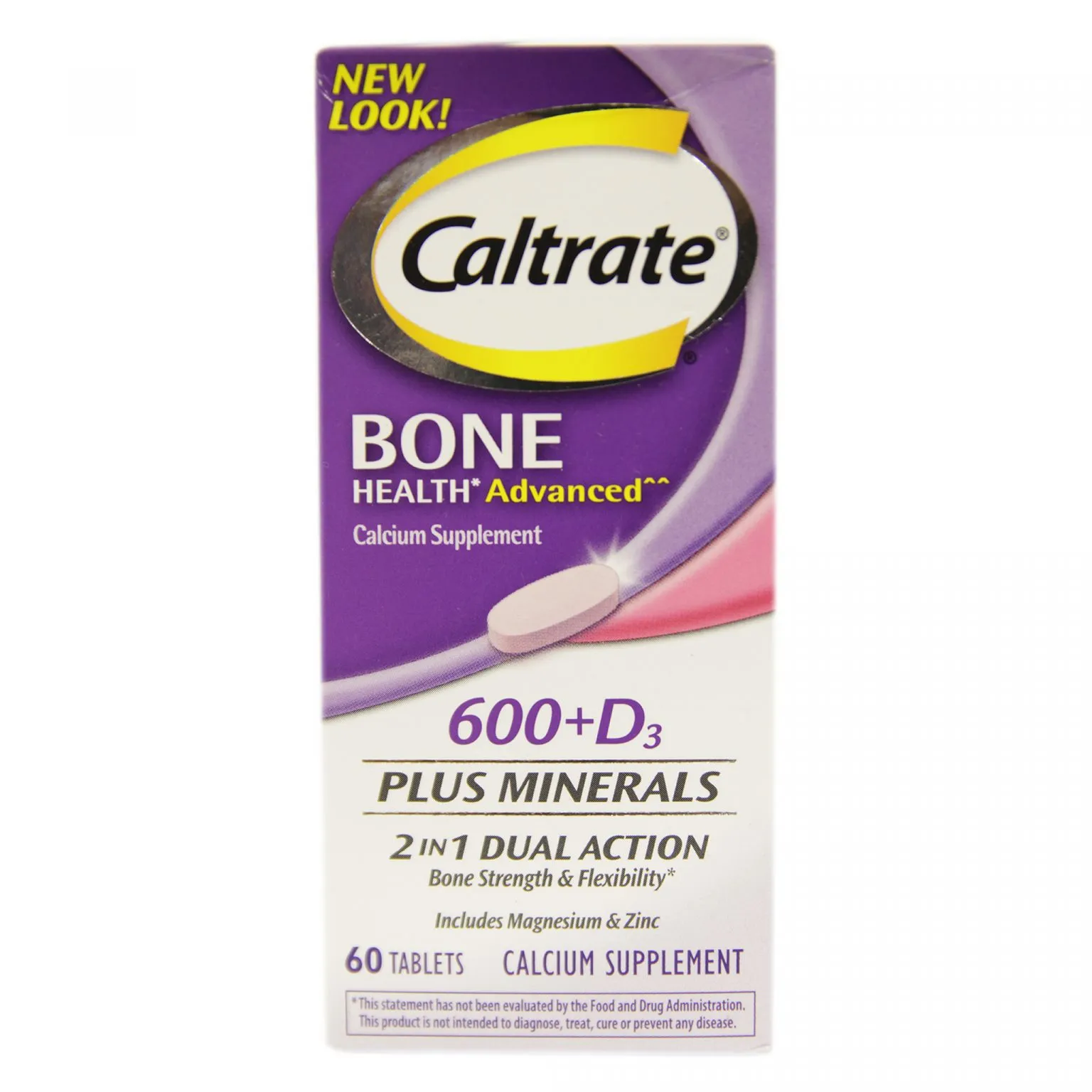
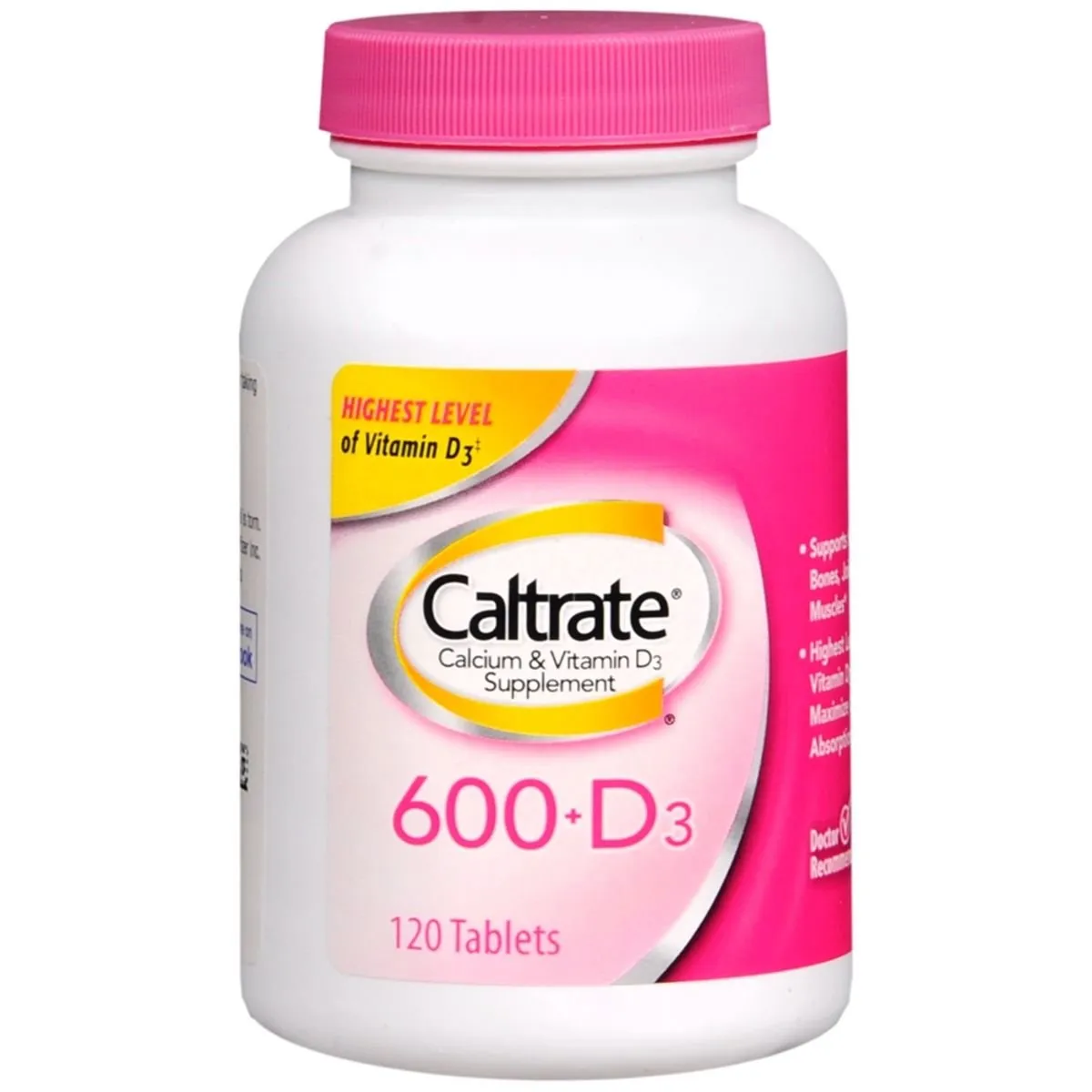
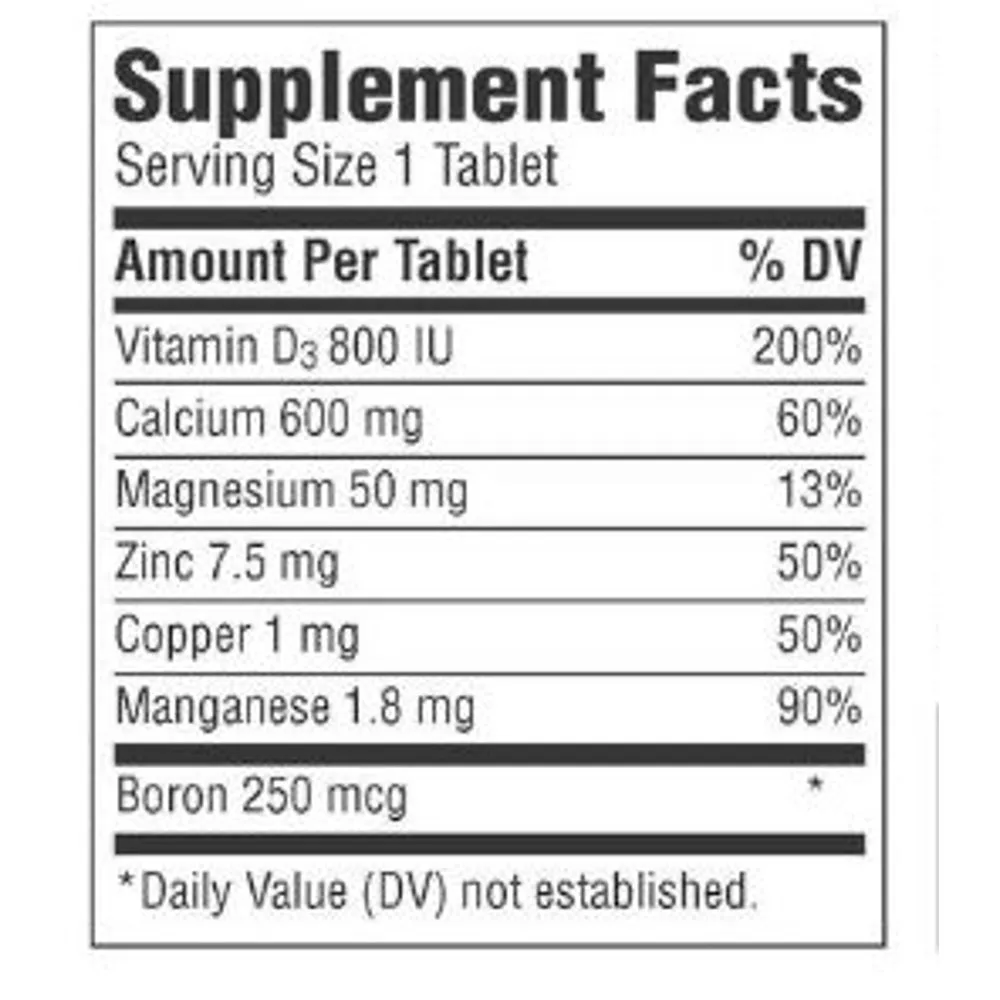
Caltrate 600+D3 is a widely utilized pharmacological intervention designed to support skeletal integrity through the dual-action supplementation of calcium carbonate and cholecalciferol (Vitamin D3). As an orthopedic specialist, understanding the synergy between these two components is vital for managing patients with osteopenia, osteoporosis, or those at high risk of bone demineralization.
This guide provides an exhaustive clinical overview of Caltrate 600+D3, detailing its pharmacodynamic profile, therapeutic utility, and safety considerations.
1. Mechanism of Action and Pharmacodynamics
The efficacy of Caltrate 600+D3 is predicated on the physiological interdependence of calcium absorption and Vitamin D status.
Calcium Carbonate
Calcium is the most abundant mineral in the human body, primarily sequestered in the hydroxyapatite matrix of bones. Caltrate 600+D3 utilizes calcium carbonate, which provides the highest concentration of elemental calcium (approximately 40% by weight) per unit of salt. Once ingested, the acidic environment of the stomach dissociates the calcium carbonate into ionized calcium (Ca2+), allowing for absorption in the small intestine via both active transport and passive diffusion.
Cholecalciferol (Vitamin D3)
Vitamin D3 is a pro-hormone essential for calcium homeostasis. It undergoes a two-step hydroxylation process:
1. Hepatic: Converted to 25-hydroxyvitamin D [25(OH)D].
2. Renal: Converted to the active metabolite 1,25-dihydroxyvitamin D [1,25(OH)2D], or calcitriol.
Calcitriol binds to the Vitamin D Receptor (VDR) in the intestinal mucosa, upregulating the expression of calcium-binding proteins (calbindins). This significantly enhances the active intestinal absorption of calcium, which would otherwise be limited in a vitamin D-deficient state.
2. Clinical Indications and Therapeutic Usage
Caltrate 600+D3 is indicated for the prevention and treatment of conditions characterized by calcium and Vitamin D deficiency.
| Condition | Clinical Rationale |
|---|---|
| Osteoporosis | Adjunct therapy to bisphosphonates or as a standalone preventive measure to maintain bone mineral density (BMD). |
| Osteomalacia | Correction of Vitamin D deficiency to facilitate proper bone mineralization in adults. |
| Hypocalcemia | Prevention of low serum calcium in patients with dietary insufficiency. |
| Post-Menopausal Bone Loss | Mitigating the accelerated bone resorption associated with estrogen deficiency. |
| Elderly Patients | Prophylactic use to reduce the risk of fractures by improving skeletal strength and neuromuscular function. |
3. Pharmacokinetics and Absorption
To maximize the therapeutic index of Caltrate 600+D3, clinicians must understand the pharmacokinetic limitations:
- Absorption: Calcium carbonate absorption is highly dependent on gastric acidity. Patients taking proton pump inhibitors (PPIs) or H2-receptor antagonists may exhibit reduced bioavailability.
- Distribution: Once absorbed, calcium is distributed to the bones, teeth, and extracellular fluid.
- Excretion: Excess calcium is primarily excreted via the kidneys (urinary calcium) and the gastrointestinal tract (fecal). Vitamin D metabolites are primarily excreted through bile into the feces.
4. Dosage Guidelines and Administration
The standard dosage of Caltrate 600+D3 is typically one tablet daily, but this may vary based on clinical requirements.
Best Practices for Administration
- Postprandial Dosing: Administer with a meal to enhance gastric acid secretion, which improves the solubility and absorption of calcium carbonate.
- Divided Doses: If a patient is prescribed more than 600mg of elemental calcium per day, it is recommended to split the dose, as the intestinal absorption of calcium saturates at approximately 500-600mg per dose.
- Hydration: Ensure adequate fluid intake to minimize the rare risk of nephrolithiasis (kidney stones).
5. Contraindications and Safety Profile
While generally well-tolerated, Caltrate 600+D3 is contraindicated in specific clinical scenarios:
- Hypercalcemia: Elevated serum calcium levels can lead to cardiac arrhythmias and renal complications.
- Hypercalciuria: Patients with a history of calcium-based kidney stones should exercise caution.
- Severe Renal Impairment: Patients with chronic kidney disease (CKD) may require dose adjustments due to impaired mineral metabolism and potential for hyperphosphatemia.
- Hypersensitivity: Known allergy to any component of the supplement.
Potential Side Effects
- Gastrointestinal: Constipation, bloating, and flatulence are the most commonly reported side effects.
- Renal: Increased risk of calcium stones in predisposed individuals.
- Hypervitaminosis D: Rare, but can occur with excessive, long-term intake, leading to elevated serum calcium and phosphate levels.
6. Drug Interactions
Caltrate 600+D3 can alter the absorption or efficacy of several classes of medications:
| Medication Class | Interaction Mechanism | Management |
|---|---|---|
| Bisphosphonates | Calcium reduces absorption of drugs like alendronate. | Separate dosing by at least 2 hours. |
| Tetracycline Antibiotics | Calcium forms insoluble chelates with the drug. | Administer antibiotics 2 hours before or 4-6 hours after calcium. |
| Levothyroxine | Calcium interferes with thyroid hormone absorption. | Maintain a 4-hour gap between administration. |
| Thiazide Diuretics | May decrease urinary calcium excretion, risking hypercalcemia. | Monitor serum calcium levels regularly. |
7. Pregnancy and Lactation
Calcium and Vitamin D requirements increase during pregnancy and lactation to support fetal skeletal development. Caltrate 600+D3 is generally considered safe during these periods, provided the total daily intake does not exceed the Tolerable Upper Intake Level (UL). Consultation with an obstetrician is essential to integrate this supplement into prenatal care.
8. Overdose Management
Acute overdose of Caltrate 600+D3 is unlikely to cause toxicity due to the self-regulating nature of calcium absorption. However, chronic excessive intake can lead to hypercalcemia.
Symptoms of Hypercalcemia:
* Nausea and vomiting.
* Confusion or lethargy.
* Polyuria and polydipsia.
* Cardiac arrhythmias (in severe cases).
Management:
1. Discontinuation: Stop the supplement immediately.
2. Hydration: Aggressive fluid resuscitation to promote renal calcium excretion.
3. Monitoring: Serum calcium and creatinine levels should be assessed.
4. Medical Intervention: In severe cases, loop diuretics or calcitonin may be utilized in a hospital setting.
9. Frequently Asked Questions (FAQ)
1. Is it better to take Caltrate 600+D3 with food or on an empty stomach?
It is significantly better to take it with food. The presence of food stimulates gastric acid, which is necessary to dissolve the calcium carbonate for optimal absorption.
2. Can I take this supplement if I have kidney stones?
Patients with a history of calcium oxalate stones should consult their urologist. While calcium intake is often necessary, high-dose supplementation requires careful monitoring of urinary calcium levels.
3. Does Caltrate 600+D3 interfere with blood pressure medications?
Generally, no. However, thiazide diuretics can increase serum calcium. Always inform your physician if you are on antihypertensives.
4. How long does it take to see results in bone density?
Bone remodeling is a slow process. Clinical improvements in bone mineral density (BMD) are typically assessed via DXA scans every 12 to 24 months.
5. Can I take this with my multivitamin?
Check your multivitamin label first. Many contain calcium and Vitamin D; taking both may lead to exceeding the recommended daily limit.
6. Why is Vitamin D3 included in the formula?
Vitamin D3 is essential because the body cannot efficiently absorb calcium without adequate levels of this hormone. It acts as the "key" that unlocks calcium absorption in the gut.
7. Does this supplement cause constipation?
Some patients experience constipation with calcium carbonate. Increasing fiber intake and fluid consumption usually mitigates this effect.
8. Is this suitable for vegans?
Check the product label, as some formulations may contain ingredients derived from animal sources (e.g., Vitamin D3 from lanolin).
9. What is the maximum amount of calcium I should take per day?
For most adults, the total dietary and supplemental calcium should not exceed 2,000–2,500 mg per day, depending on age and medical guidance.
10. Can children take Caltrate 600+D3?
It is formulated for adult use. Pediatric calcium requirements should be met through dietary sources or specialized pediatric formulations under the guidance of a pediatrician.
Conclusion
Caltrate 600+D3 remains a cornerstone in the management of bone health. By understanding its mechanism of action, respecting the necessity of co-administration with food, and being cognizant of potential drug-nutrient interactions, patients and clinicians can effectively leverage this supplement to maintain skeletal integrity and prevent the debilitating consequences of osteoporosis. Always consult with a healthcare professional to tailor your supplementation strategy to your specific bone density profile and medical history.