

Comprehensive Introduction to Capsaicin Cream
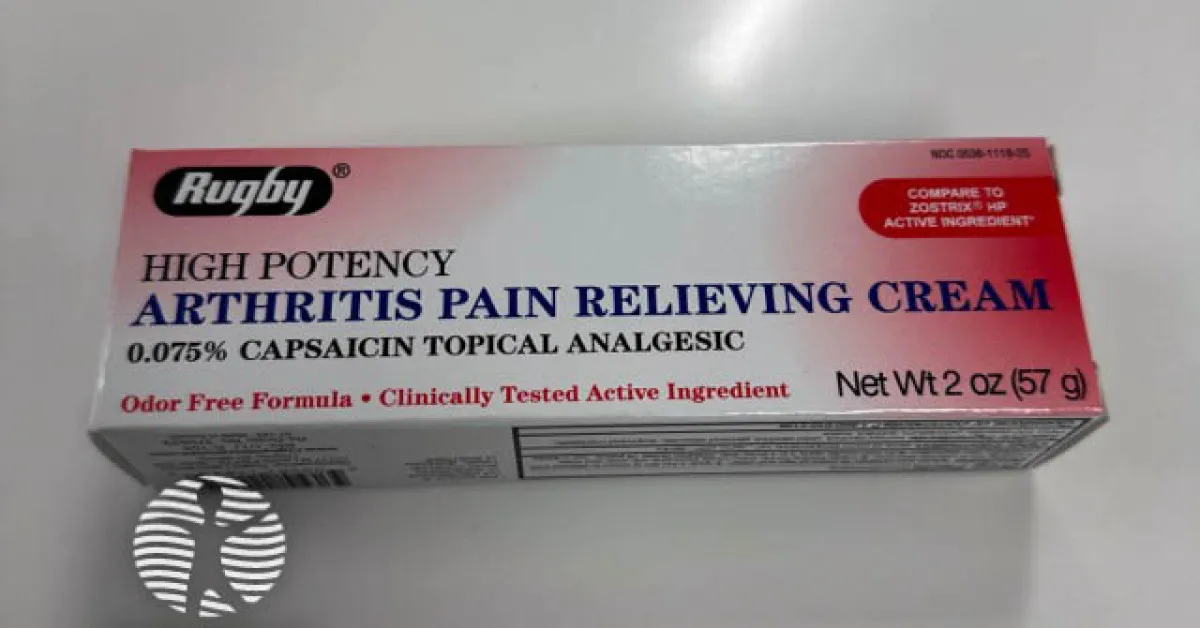
Capsaicin cream is a potent, topical analgesic derived from chili peppers of the genus Capsicum. In the field of orthopedics and pain management, it is classified as a counter-irritant and a selective agonist of the transient receptor potential vanilloid 1 (TRPV1) receptor. Unlike traditional non-steroidal anti-inflammatory drugs (NSAIDs) that act systemically, capsaicin provides localized relief by modulating the body's peripheral pain signaling pathways.
This guide serves as a professional resource for understanding the pharmacokinetics, clinical indications, and rigorous safety protocols required when prescribing or utilizing capsaicin-based topical therapies for chronic musculoskeletal and neuropathic conditions.
Technical Specifications and Mechanism of Action
To understand why capsaicin is effective for chronic pain, one must look at the neurobiology of the pain response.
The TRPV1 Receptor Mechanism
Capsaicin functions by binding to the TRPV1 receptor, an ion channel located on the membrane of sensory nerve endings. These receptors are typically responsible for sensing heat and physical abrasion.
- Initial Activation: Upon application, capsaicin binds to the TRPV1 receptor, causing an influx of calcium ions into the nerve cell. This triggers a localized sensation of warmth, stinging, or burning.
- Depolarization and Substance P Depletion: The initial influx leads to the release of Substance P—a neurotransmitter involved in pain transmission. Continued application results in the depletion of Substance P from the sensory nerve terminals.
- Desensitization: Once Substance P is depleted, the nerve fibers become refractory to further painful stimuli. This state is known as "nociceptive desensitization," which provides the therapeutic analgesic effect.
Pharmacokinetics
- Absorption: When applied topically, capsaicin is absorbed through the stratum corneum. Systemic absorption is minimal when applied to intact skin, though it increases significantly on broken or inflamed skin.
- Distribution: Localized to the site of application.
- Metabolism: Primarily metabolized in the liver via cytochrome P450 enzymes if systemic absorption occurs.
- Excretion: Metabolites are excreted primarily through urine and feces.
Clinical Indications and Usage
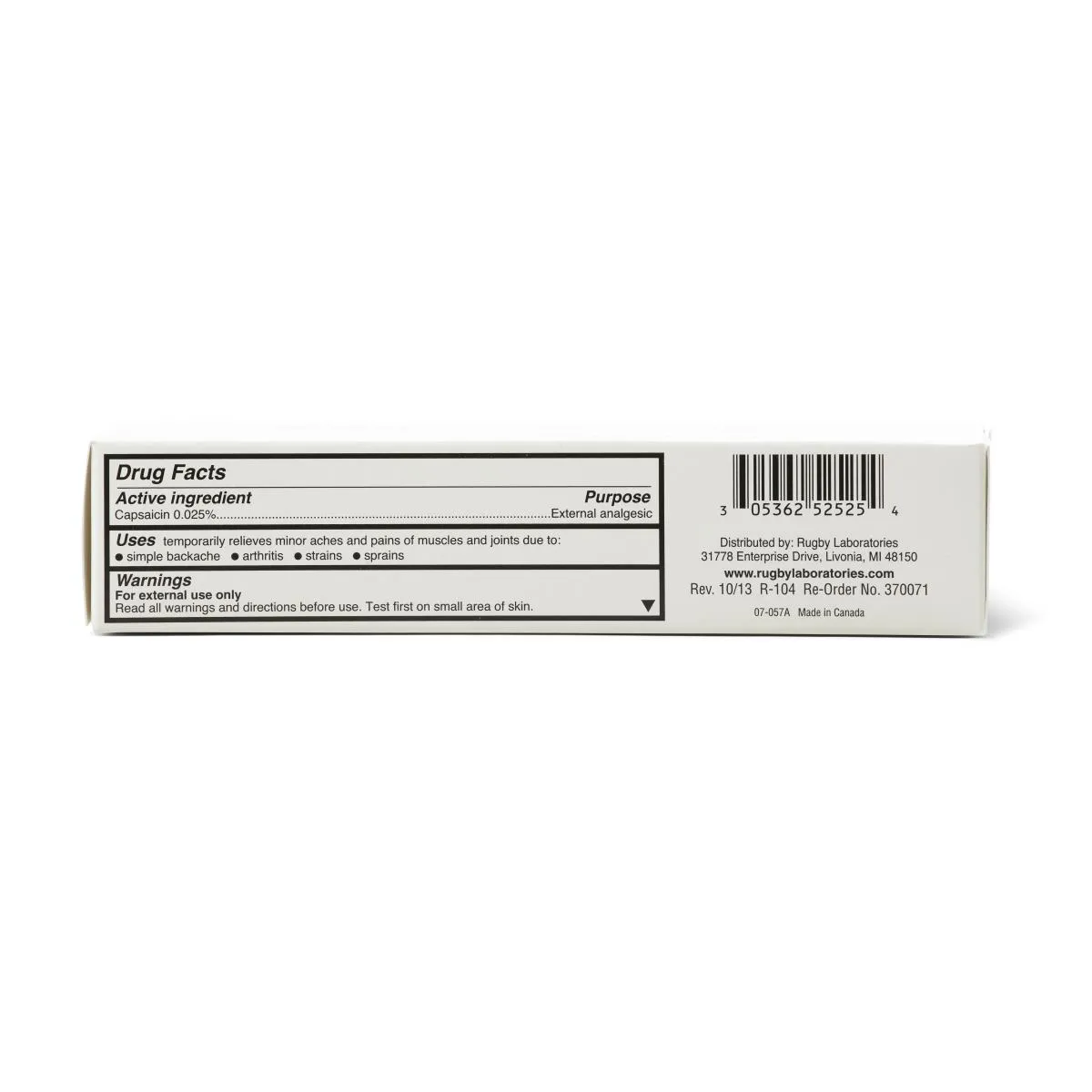
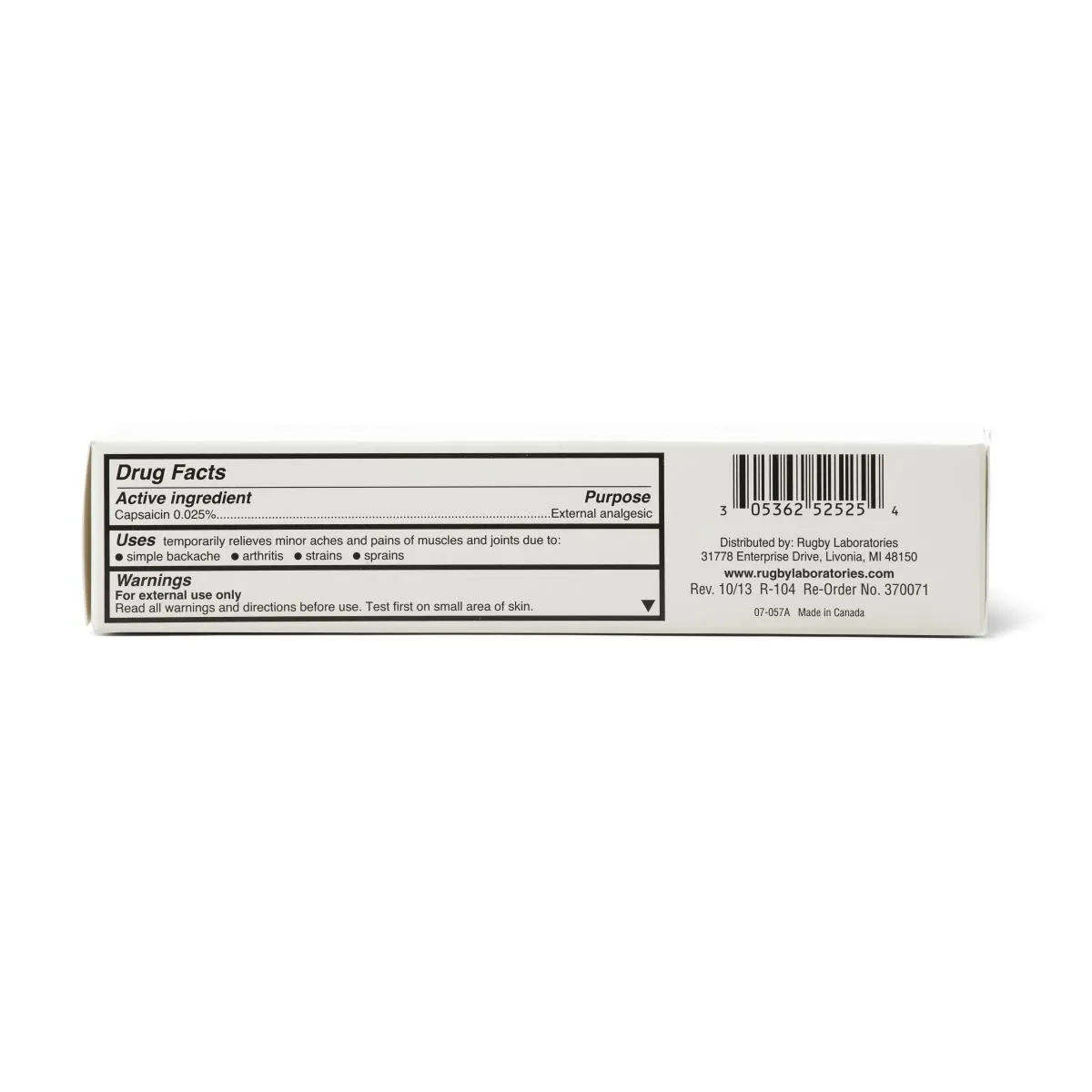
Capsaicin cream is indicated for the temporary relief of minor aches and pains of muscles and joints. It is particularly effective for conditions characterized by chronic, localized neuropathic pain.
Common Clinical Applications
| Condition | Clinical Rationale |
|---|---|
| Osteoarthritis | Reduces joint pain by desensitizing localized peripheral nerves. |
| Diabetic Neuropathy | Targets peripheral nerve fibers to reduce burning sensations. |
| Post-Herpetic Neuralgia | Manages nerve pain following shingles outbreaks. |
| Rheumatoid Arthritis | Used as an adjunct to systemic therapy to manage flare-ups. |
| Muscle Strains | Provides thermal stimulation to increase local blood flow. |
Dosage Guidelines
Dosage is highly dependent on the concentration of the cream, which typically ranges from 0.025% to 0.1%.
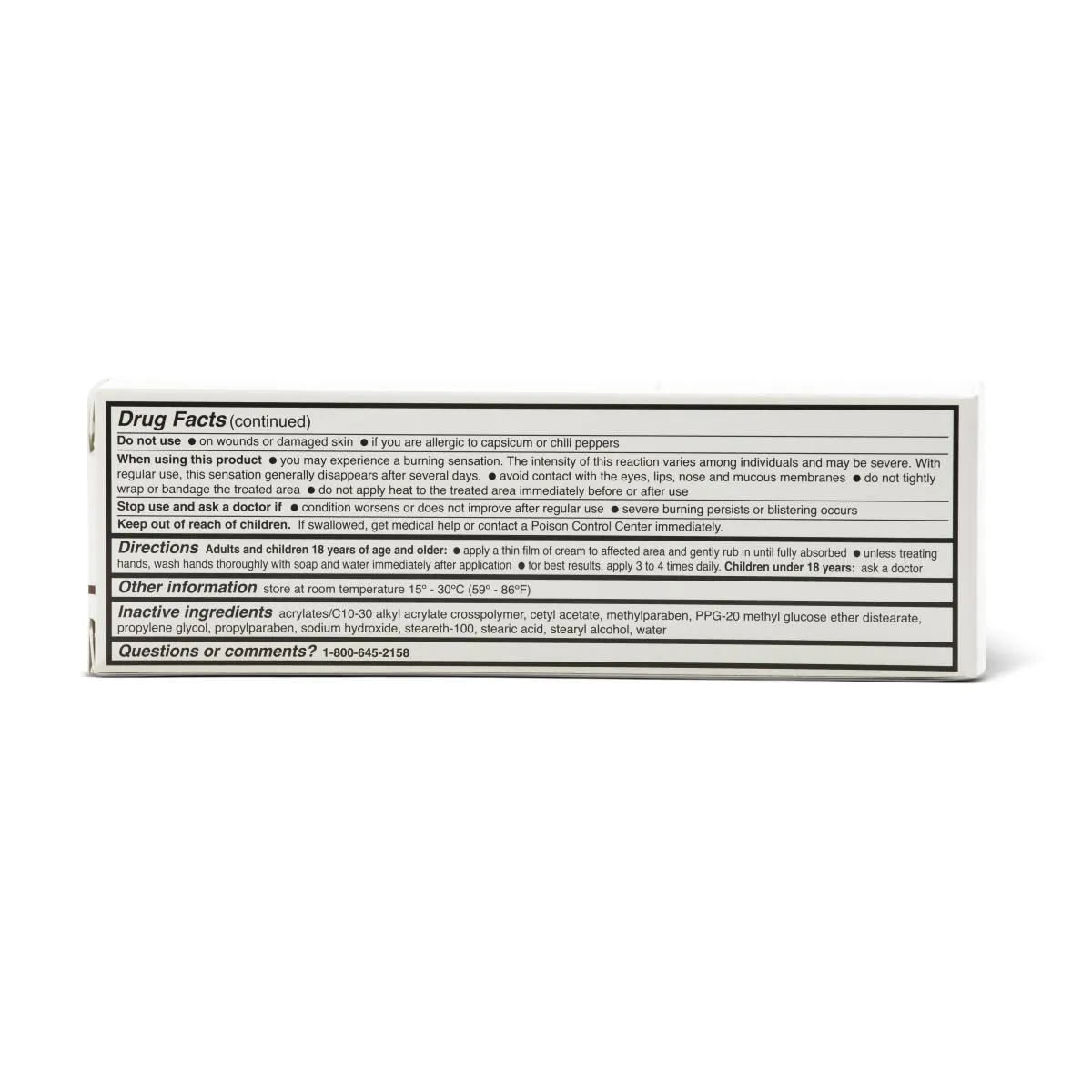
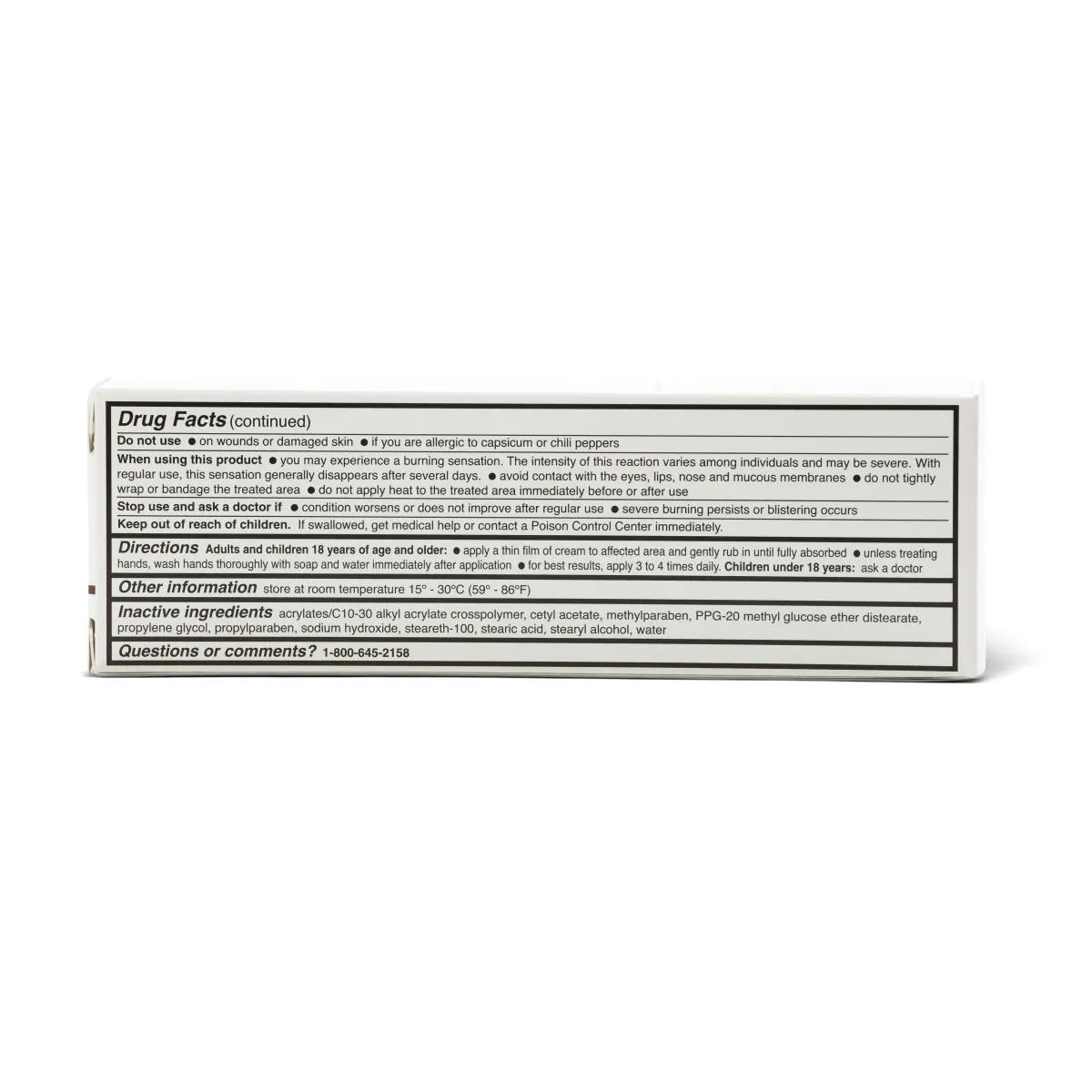
- Frequency: Apply a thin film to the affected area 3 to 4 times daily.
- Duration: Full therapeutic effect may take 2 to 4 weeks of consistent application. Patients must be counseled that relief is not immediate.
- Application Protocol: Wash hands thoroughly with soap and water immediately after application to prevent accidental contact with eyes or mucous membranes.
Risks, Side Effects, and Contraindications
While capsaicin is generally well-tolerated, its mechanism of action inherently involves sensory stimulation, which can be perceived as an adverse effect.
Common Side Effects
- Burning and Stinging: The most common effect, usually subsiding after the first few days of consistent use.
- Erythema: Redness at the site of application due to localized vasodilation.
- Dermatitis: Rarely, allergic contact dermatitis may occur, necessitating discontinuation.
Contraindications
- Broken Skin: Never apply to open wounds, cuts, or irritated skin, as this can lead to systemic absorption and severe irritation.
- Hypersensitivity: Known allergy to chili peppers or any component of the formulation.
- Mucous Membranes: Avoid contact with the eyes, nose, mouth, or genital areas.
Pregnancy and Lactation
- Pregnancy: Capsaicin is classified as a Category C drug. It should only be used if the potential benefit justifies the potential risk to the fetus. Consult an obstetrician before use.
- Lactation: It is unknown if topical capsaicin is excreted in breast milk. Use with caution and avoid application to the breast area to prevent ingestion by the infant.
Overdose and Safety Management
While topical overdose is rare, it can occur if large amounts are ingested or applied to extensive areas of denuded skin.
- Ingestion: If swallowed, seek emergency medical attention. Treatment is symptomatic and supportive.
- Excessive Topical Application: If burning becomes intolerable, remove the cream using cool water and mild soap. Vegetable oil or milk may help dissolve the capsaicin, as it is lipid-soluble. Do not use hot water, as it opens pores and increases absorption.
Frequently Asked Questions (FAQ)
1. Does the burning sensation ever go away?
Yes. With consistent, daily application, the nerve endings become desensitized, and the burning sensation typically diminishes significantly after the first 7–10 days.
2. Can I use a heating pad with capsaicin cream?
No. Using external heat sources (heating pads, electric blankets) can increase the absorption of the cream and cause severe, chemical-like burns on the skin.
3. How long does it take for capsaicin cream to work?
It is not an immediate-acting analgesic. Most patients report significant pain relief only after 2 to 4 weeks of regular, daily use.
4. What should I do if I get the cream in my eyes?
Flush the eyes immediately with cool, clean water or saline for at least 15 minutes. Seek medical attention if irritation persists.
5. Is capsaicin cream safe to use with oral pain medications?
Generally, yes. Since it acts locally, it rarely interacts with systemic medications like acetaminophen or ibuprofen. However, always consult your physician to review your full medication profile.
6. Can I apply the cream to my back?
Yes, but use an applicator or a long-handled brush to ensure it is applied evenly and to avoid getting the medication on your hands, which could then transfer to sensitive areas.
7. Does the cream stain clothing?
Some formulations may leave a slight residue. It is best to wait for the cream to dry completely before dressing.
8. Why does the pain seem to get worse when I first start using it?
The initial activation of TRPV1 receptors causes a transient release of Substance P, which can briefly increase the sensation of pain. This is a normal part of the mechanism.
9. Can I use capsaicin cream if I have sensitive skin?
Patients with sensitive skin should perform a "patch test" on a small, unaffected area of skin 24 hours before full application to check for adverse reactions.
10. Should I wash the area before applying more?
Yes, it is recommended to wash the application site with mild soap and water before applying a fresh dose to remove residue from the previous application.
Conclusion
Capsaicin cream represents a vital, evidence-based tool in the orthopedic arsenal for managing chronic musculoskeletal pain. By leveraging the body’s own neurochemical pathways to desensitize pain receptors, it offers a non-systemic, safe, and effective option for patients seeking relief from arthritis and neuropathic conditions. Proper patient education regarding the initial burning sensation and the time-dependent nature of its efficacy is paramount to ensuring high adherence and successful clinical outcomes.