
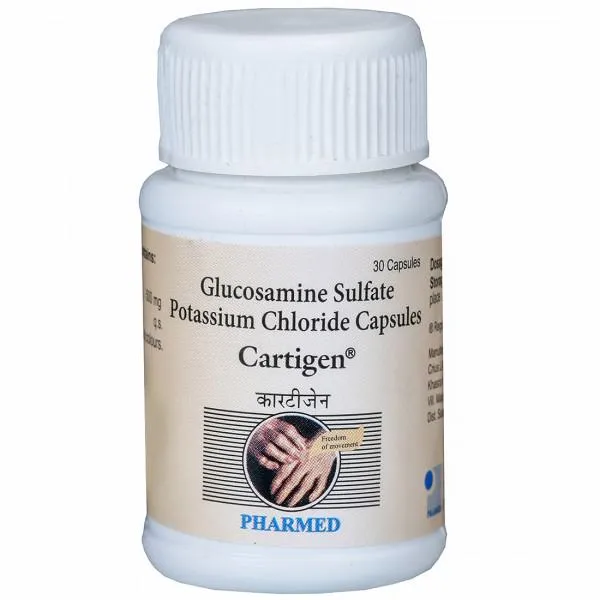
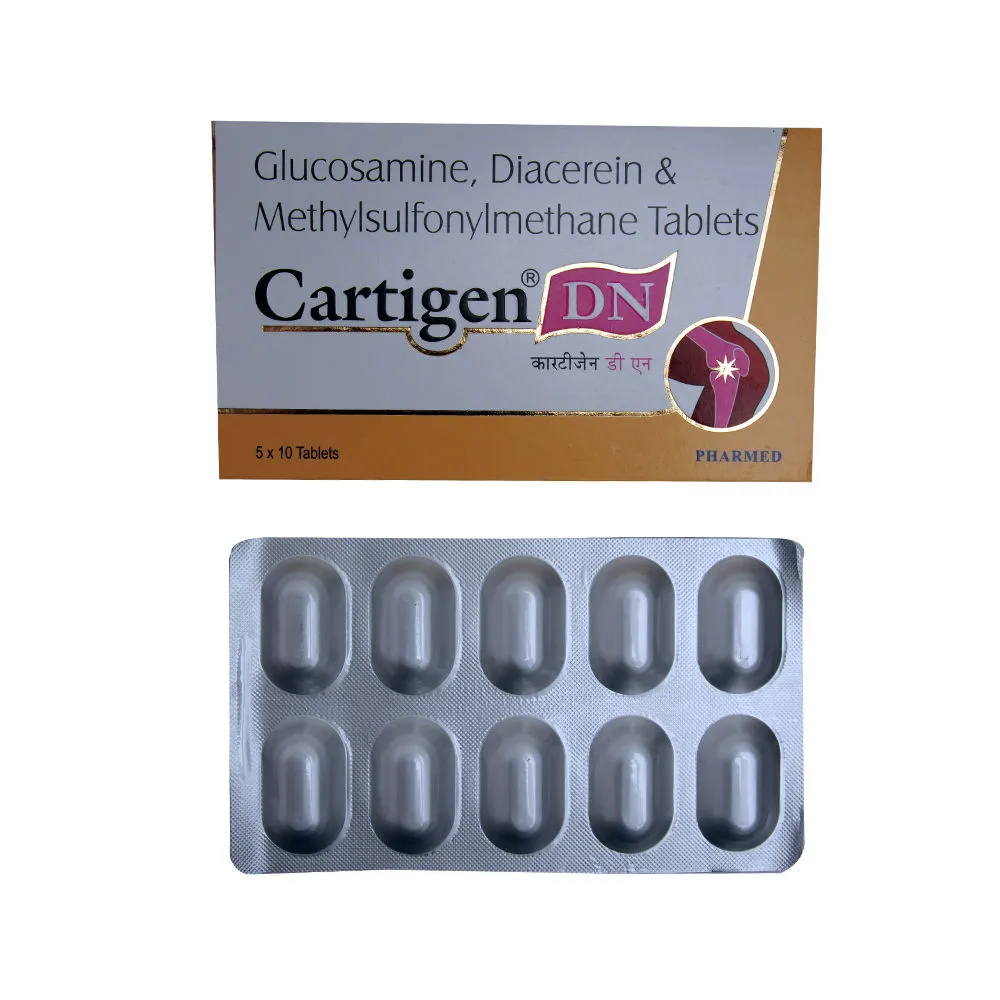

Comprehensive Guide to Cartigen D: Joint Health and Pharmacological Efficacy
In the field of orthopedics and rheumatology, the management of degenerative joint diseases remains a primary focus. Cartigen D has emerged as a significant therapeutic option for patients suffering from osteoarthritis and related cartilage degradation. This guide provides an exhaustive clinical overview of Cartigen D, examining its pharmacological profile, mechanisms of action, and essential safety protocols.
1. Introduction and Overview
Cartigen D is a combination medication primarily indicated for the management of osteoarthritis (OA). Osteoarthritis is a chronic condition characterized by the progressive erosion of articular cartilage, leading to pain, stiffness, and loss of joint function.
Cartigen D typically combines Glucosamine and Diacerein, two potent agents that work synergistically to address both the symptoms and the underlying structural progression of joint degradation. By targeting the inflammatory pathways and the metabolic health of chondrocytes, Cartigen D serves as a Disease-Modifying Osteoarthritis Drug (DMOAD) in many clinical settings.
2. Technical Specifications and Mechanism of Action
To understand the efficacy of Cartigen D, one must analyze the individual contributions of its active ingredients.
Glucosamine Sulfate
Glucosamine is an amino sugar and a vital precursor in the biochemical synthesis of glycosaminoglycans and proteoglycans—the fundamental building blocks of articular cartilage.
* Mechanism: It stimulates chondrocytes to produce collagen and proteoglycans.
* Anti-inflammatory effect: It inhibits the activity of lysosomal enzymes and superoxide radicals that contribute to cartilage damage.
Diacerein
Diacerein is an anthraquinone derivative that acts primarily through the inhibition of Interleukin-1 (IL-1) beta.
* IL-1 Inhibition: IL-1 is a key cytokine involved in the destruction of cartilage. Diacerein blocks its production and activity, thereby preventing the degradation of the extracellular matrix.
* Cytokine Modulation: It reduces the expression of matrix metalloproteinases (MMPs), which are enzymes responsible for collagen breakdown.
Pharmacokinetics
| Feature | Glucosamine | Diacerein |
|---|---|---|
| Absorption | Well absorbed from the GI tract | Rapidly absorbed; bioavailability improved by food |
| Metabolism | Hepatic | Extensive hepatic metabolism to rhein |
| Excretion | Primarily renal | Primarily renal (as metabolites) |
| Half-life | Approx. 15-20 hours | Approx. 4-7 hours |
3. Clinical Indications and Usage
Cartigen D is indicated for the long-term management of degenerative joint diseases. Its primary utility includes:
- Osteoarthritis of the Knee: Reducing pain and improving joint mobility.
- Hip Osteoarthritis: Managing structural progression and inflammatory flare-ups.
- Adjunctive Therapy: Used alongside physiotherapy and lifestyle modifications to improve the quality of life in elderly patients with chronic joint pain.
Recommended Dosage Guidelines
- Standard Adult Dose: Usually, one capsule twice daily after meals.
- Consistency: Because this is a structural modifier, clinical benefits may take 2 to 4 weeks to manifest. Long-term compliance is essential for therapeutic efficacy.
- Administration: It is highly recommended to take the medication with food to minimize potential gastrointestinal discomfort associated with Diacerein.
4. Risks, Side Effects, and Contraindications
While Cartigen D is generally well-tolerated, clinicians and patients must be aware of potential adverse reactions.
Common Side Effects
- Gastrointestinal: Diarrhea, abdominal pain, flatulence, and nausea. (Note: Diacerein is known to cause mild laxative effects).
- Dermatological: Skin rash or pruritus.
- Hepatic: Rare instances of elevated liver enzymes.
Contraindications
- Hypersensitivity: Known allergy to glucosamine (often derived from shellfish) or diacerein.
- Inflammatory Bowel Disease: Patients with ulcerative colitis or Crohn’s disease should avoid Diacerein.
- Liver Disease: Due to the metabolic pathways of the drug.
- Pregnancy and Lactation: Cartigen D is generally contraindicated during pregnancy and breastfeeding as there is insufficient data to guarantee fetal safety.
Drug Interactions
- Warfarin/Anticoagulants: Glucosamine may potentially increase the INR (International Normalized Ratio), increasing bleeding risk.
- Laxatives: Concurrent use with other laxatives can worsen diarrhea.
- Diuretics: May influence the renal excretion of the drug components.
5. Overdose Management
In the event of an overdose, signs may include severe abdominal cramping, diarrhea, and potential electrolyte imbalance.
* Action: Discontinue use immediately.
* Treatment: Symptomatic and supportive care. Ensure adequate hydration to manage diarrhea. Gastric lavage may be considered if ingestion was recent.
6. Frequently Asked Questions (FAQ)
1. How long does it take for Cartigen D to start working?
Most patients report symptomatic relief within 2 to 4 weeks, but the full structural benefits are observed after 3 to 6 months of consistent use.
2. Can I take Cartigen D if I have a shellfish allergy?
Caution is advised. Many glucosamine formulations are derived from shellfish exoskeletons. Consult your physician regarding the source of the glucosamine in your specific batch.
3. Why does Cartigen D cause diarrhea?
Diacerein, one of the active ingredients, has a known mild laxative effect. Taking the medication with a full meal usually mitigates this side effect.
4. Is Cartigen D a painkiller?
It is not a traditional NSAID (Non-Steroidal Anti-Inflammatory Drug). While it reduces pain, its primary function is to modify the disease process and protect cartilage.
5. Can I stop taking the medication once I feel better?
No. Osteoarthritis is a chronic condition. Stopping the medication prematurely may lead to a return of symptoms and the progression of cartilage degradation.
6. Is it safe for diabetics?
Glucosamine is an amino sugar. While studies show it generally does not significantly affect blood glucose levels, diabetic patients should monitor their sugar levels during the initial weeks of treatment.
7. What should I do if I miss a dose?
Take the missed dose as soon as you remember. If it is nearly time for your next dose, skip the missed one. Do not double the dose.
8. Is Cartigen D addictive?
No, Cartigen D is not habit-forming or addictive. It does not act on the central nervous system like opioid analgesics.
9. Can I take this with other joint supplements?
While it is often safe, always consult your physician to avoid redundant ingredients or potential interactions with other medications like blood thinners.
10. Does Cartigen D cure osteoarthritis?
There is no "cure" for osteoarthritis. Cartigen D is a management tool intended to slow the progression of the disease and improve mobility, not to reverse the condition entirely.
Conclusion
Cartigen D represents a sophisticated approach to orthopedic care by targeting both the symptoms and the biochemical pathways of joint destruction. By adhering to the recommended dosage and monitoring for side effects, patients can significantly improve their daily functionality and long-term joint health. Always consult with a licensed healthcare provider to ensure this medication is appropriate for your specific health profile.
Disclaimer: This guide is for informational purposes only and does not constitute medical advice. Always seek the advice of your physician or qualified health provider with any questions regarding a medical condition.