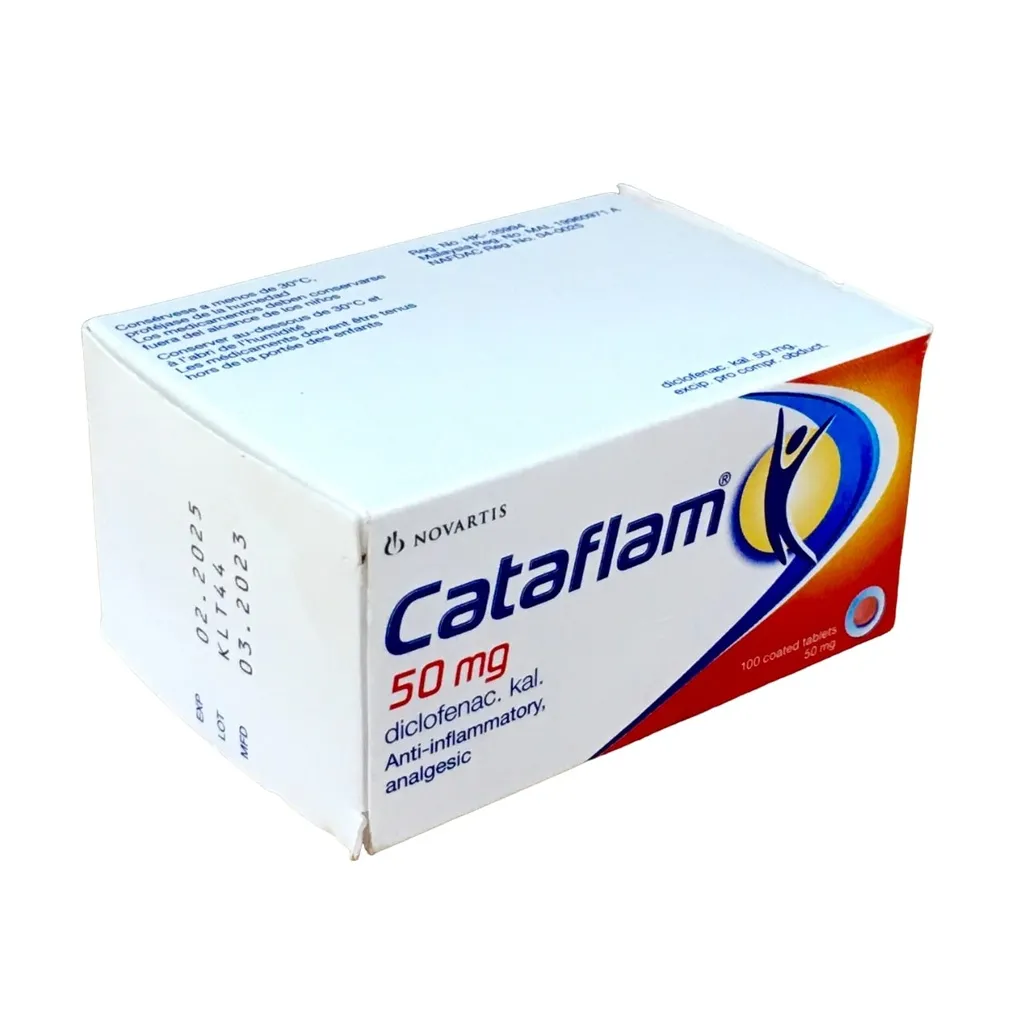
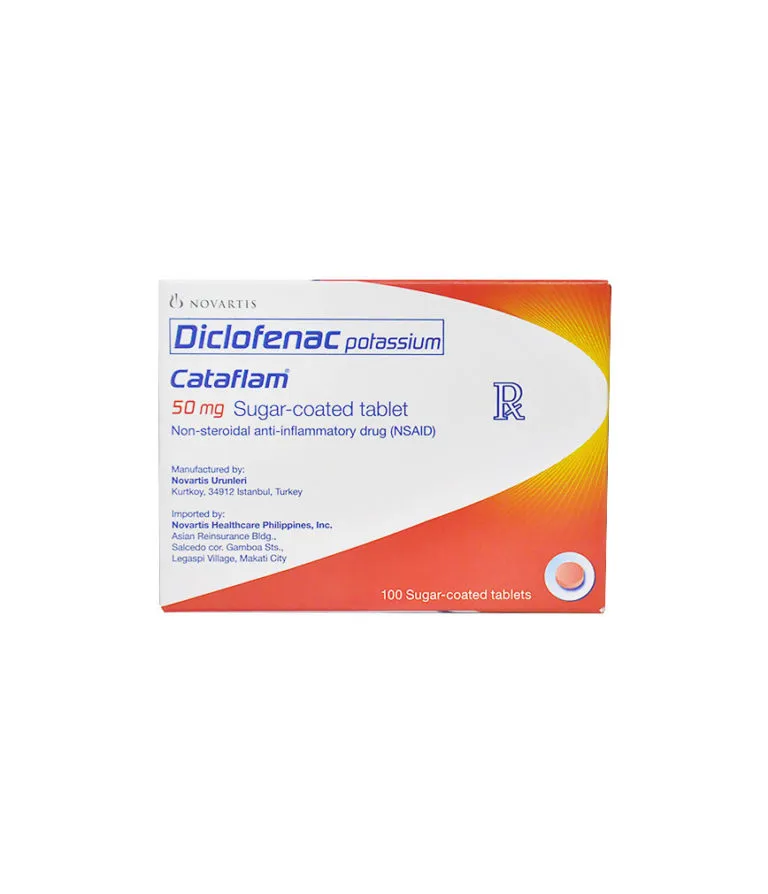

Comprehensive Overview of Cataflam (Diclofenac Potassium)
Cataflam, known generically as Diclofenac Potassium, is a potent non-steroidal anti-inflammatory drug (NSAID) widely utilized in orthopedic and general practice to manage pain and inflammation. Unlike the sodium salt form of diclofenac, the potassium salt is formulated for rapid absorption, making it particularly effective for acute conditions requiring fast-acting relief.
As an orthopedic specialist, I frequently encounter patients suffering from acute musculoskeletal injuries, postoperative pain, and inflammatory joint conditions. Cataflam serves as a cornerstone therapy for these patients due to its dual-action profile: it is both analgesic (pain-relieving) and anti-inflammatory.
Mechanism of Action: How Cataflam Works
The therapeutic efficacy of Cataflam is rooted in its ability to inhibit the cyclooxygenase (COX) enzymes. Understanding this mechanism is vital for medical professionals and patients alike to appreciate why the drug is effective yet carries specific risk profiles.
The Arachidonic Acid Cascade
When tissue is injured, the body releases arachidonic acid. Through the action of COX-1 and COX-2 enzymes, this acid is converted into prostaglandins. Prostaglandins are the primary chemical mediators of pain, fever, and inflammation.
- COX-1 Inhibition: Responsible for maintaining the gastric mucosal lining and renal blood flow.
- COX-2 Inhibition: Primarily induced during inflammation and pain.
Cataflam acts as a non-selective inhibitor of both COX-1 and COX-2. By blocking the synthesis of prostaglandins, it effectively reduces the sensation of pain and the swelling associated with inflammatory responses.
Pharmacokinetics
The "Potassium" in Cataflam is the key to its rapid onset. Diclofenac potassium is highly soluble, which allows it to reach peak plasma concentrations significantly faster than diclofenac sodium.
| Feature | Description |
|---|---|
| Absorption | Rapidly absorbed after oral administration. |
| Peak Plasma Time | Typically reached within 30 to 60 minutes. |
| Protein Binding | Highly bound to serum albumin (>99%). |
| Metabolism | Hepatic metabolism via cytochrome P450 enzymes. |
| Excretion | Primarily via renal pathways (approx. 60%). |
Clinical Indications and Usage
Cataflam is indicated for short-term treatment of acute pain. Its fast onset makes it a preferred choice for:
- Orthopedic Trauma: Sprains, strains, and contusions resulting from sports injuries or accidents.
- Post-operative Pain: Management of pain following dental extractions or minor orthopedic surgeries.
- Dysmenorrhea: Primary treatment for menstrual cramping.
- Acute Arthritis Flares: Short-term management of joint inflammation in conditions like gout or rheumatoid arthritis.
- Musculoskeletal Back Pain: Reduction of acute lumbar pain associated with muscle spasms.
Dosage Guidelines
Dosage must be individualized based on the severity of the condition and the patient's medical history. The general rule for NSAIDs is to use the lowest effective dose for the shortest duration possible.
- Adults: The typical starting dose is 50 mg, administered two or three times daily.
- Maximum Daily Dose: Should not exceed 150 mg per day.
- Administration: It is recommended to take Cataflam with food or milk to minimize potential gastrointestinal irritation.
Contraindications and Safety Warnings
While effective, Cataflam is not suitable for everyone. Clinical vigilance is required to prevent adverse outcomes.
Absolute Contraindications
- Known Hypersensitivity: Do not administer to patients with a history of asthma, urticaria, or allergic-type reactions to aspirin or other NSAIDs.
- Coronary Artery Bypass Graft (CABG): Contraindicated in the setting of CABG surgery.
- Gastrointestinal Bleeding: History of active peptic ulcer disease or recent GI hemorrhage.
Black Box Warnings
- Cardiovascular Risk: NSAIDs may increase the risk of serious cardiovascular thrombotic events, including myocardial infarction and stroke.
- Gastrointestinal Risk: Increased risk of serious GI adverse events, including inflammation, bleeding, ulceration, and perforation of the stomach or intestines.
Drug Interactions
Cataflam interacts with several commonly prescribed medications. Patients must disclose all current supplements and drugs to their physician.
- Anticoagulants (e.g., Warfarin): Increases the risk of bleeding.
- ACE Inhibitors: May diminish the antihypertensive effect and increase the risk of renal impairment.
- Lithium: May lead to elevated plasma lithium levels and toxicity.
- Methotrexate: Increases the risk of methotrexate toxicity.
- Diuretics: Decreases the natriuretic effect of diuretics.
Pregnancy and Lactation
- Pregnancy: Cataflam should be avoided in the third trimester as it may cause premature closure of the ductus arteriosus in the fetus.
- Lactation: Diclofenac is excreted in breast milk in small amounts. While the risk to the infant is low, caution is advised. Consult with an obstetrician or pediatrician before use.
Overdose Management
An overdose of Cataflam can be life-threatening. Symptoms include lethargy, drowsiness, nausea, vomiting, and epigastric pain. In severe cases, hypertension, acute renal failure, and respiratory depression may occur.
Management:
1. Immediate Care: Gastric lavage or activated charcoal may be considered if the patient presents within one hour of ingestion.
2. Supportive Therapy: Focus on maintaining airway, breathing, and circulation.
3. Monitoring: Monitor renal and hepatic function closely. There is no specific antidote for diclofenac.
Frequently Asked Questions (FAQ)
1. Is Cataflam the same as Diclofenac Sodium?
No. Cataflam is Diclofenac Potassium. The potassium salt allows for faster absorption, making it better for acute pain, whereas the sodium salt (often used in enteric-coated tablets) is typically used for chronic conditions.
2. Can I take Cataflam on an empty stomach?
It is strongly recommended to take Cataflam with food or a glass of milk to reduce the risk of stomach irritation and ulcers.
3. How long does it take for Cataflam to start working?
Due to its rapid-release formulation, most patients begin to feel relief within 30 to 60 minutes after oral administration.
4. Can I drink alcohol while taking this medication?
Alcohol consumption should be avoided or strictly limited, as it increases the risk of gastrointestinal bleeding and liver strain when combined with NSAIDs.
5. Is Cataflam a narcotic or opioid?
No. Cataflam is a non-narcotic, non-steroidal anti-inflammatory drug (NSAID). It does not have the addictive potential associated with opioids.
6. What should I do if I miss a dose?
Take the missed dose as soon as you remember. If it is almost time for your next dose, skip the missed one. Never double up on your dose.
7. Can children take Cataflam?
Cataflam is generally not recommended for children unless specifically prescribed by a pediatrician for a clear clinical indication.
8. Will Cataflam interact with my blood pressure medication?
Yes, it can potentially reduce the effectiveness of many blood pressure medications. Always monitor your blood pressure if you are on both.
9. Can I take Cataflam for a headache?
While it may help, it is not the first-line treatment for tension headaches. Consult your doctor for appropriate headache management.
10. Does Cataflam cause kidney damage?
Long-term use of any NSAID can lead to renal impairment. Patients with pre-existing kidney issues should use this medication only under strict medical supervision.
Conclusion
Cataflam is an invaluable tool in the orthopedic arsenal for managing acute pain and inflammation. However, its effectiveness is balanced by the necessity for responsible prescribing and patient adherence. Always follow the guidelines provided by your healthcare provider, report any adverse reactions immediately, and prioritize safety by utilizing the lowest effective dose. If you are experiencing persistent pain, seek a professional evaluation rather than relying solely on pharmacological masking of symptoms.