
Comprehensive Introduction to Cefalexin
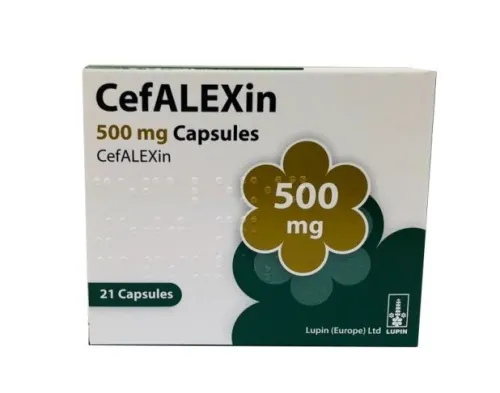
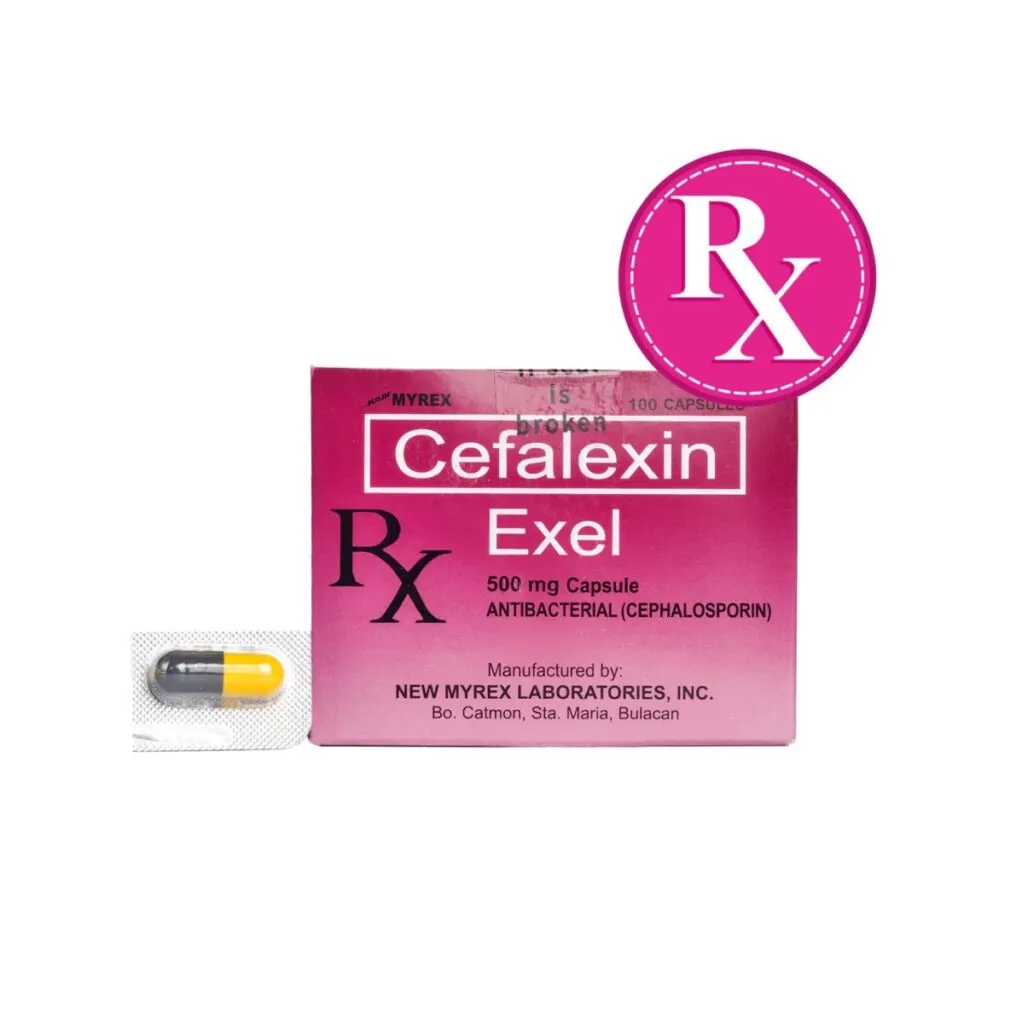
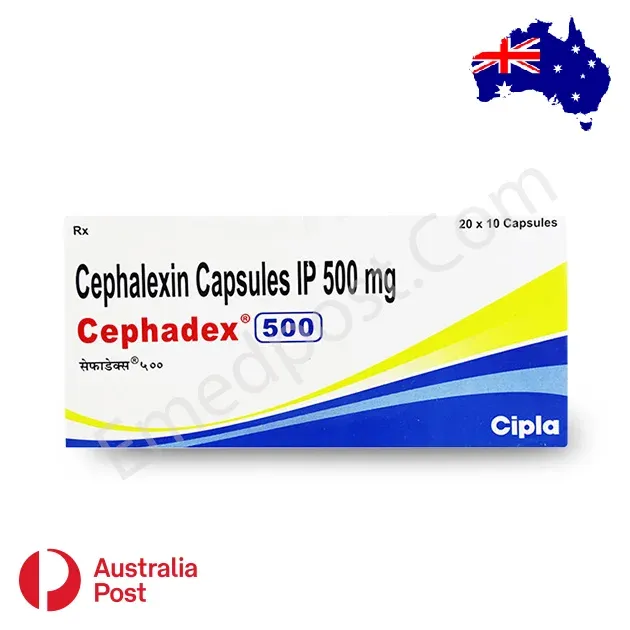
Cefalexin (often spelled Cephalexin) is a first-generation cephalosporin antibiotic that has remained a cornerstone of outpatient infectious disease management for decades. Since its introduction, it has served as a reliable, orally administered bactericidal agent effective against a broad spectrum of Gram-positive organisms and select Gram-negative bacteria.
In the realm of orthopedic medicine and general practice, Cefalexin is frequently prescribed for skin and soft tissue infections (SSTIs), prophylaxis in minor surgical procedures, and uncomplicated urinary tract infections. Its favorable safety profile, combined with its ability to maintain high serum concentrations following oral administration, makes it a primary choice for clinicians worldwide.
Deep-Dive: Mechanism of Action and Pharmacokinetics
Mechanism of Action
Cefalexin functions by inhibiting the synthesis of the bacterial cell wall. It binds to specific penicillin-binding proteins (PBPs) located inside the bacterial cell wall. This binding inhibits the final transpeptidation step of the peptidoglycan synthesis, which is essential for cell wall integrity. Consequently, the bacteria undergo cell lysis and death. Because it targets the cell wall—a structure absent in human cells—Cefalexin exhibits high selective toxicity.
Pharmacokinetics
Understanding the pharmacokinetic profile is essential for optimizing dosing intervals.
| Feature | Description |
|---|---|
| Absorption | Rapidly and almost completely absorbed from the gastrointestinal tract. |
| Bioavailability | High (nearly 90-100% in fasting state). |
| Protein Binding | Low (approximately 10-15%). |
| Half-life | Approximately 0.5 to 1.2 hours in adults with normal renal function. |
| Metabolism | Negligible; it is not metabolized in the liver. |
| Excretion | Primarily renal (unaltered) via glomerular filtration and tubular secretion. |
Extensive Clinical Indications and Usage
Cefalexin is indicated for the treatment of infections caused by susceptible strains of the following microorganisms: Streptococcus pneumoniae, Staphylococcus aureus (including penicillinase-producing strains), Escherichia coli, Proteus mirabilis, and Klebsiella species.
Primary Clinical Indications
- Skin and Soft Tissue Infections: Including cellulitis, impetigo, and furunculosis.
- Respiratory Tract Infections: Pharyngitis and tonsillitis caused by Streptococcus pyogenes.
- Urinary Tract Infections (UTIs): Including acute cystitis.
- Bone and Joint Infections: Used as a secondary or step-down therapy for osteomyelitis or septic arthritis after initial parenteral treatment.
- Prophylaxis: Often utilized in orthopedic minor procedures to prevent surgical site infections.
General Dosage Guidelines
Dosage must be adjusted based on the severity of the infection and the patient's renal function.
- Adults: The typical range is 250 mg to 500 mg orally every 6 hours. For more severe infections, doses may be increased to 1g every 6 to 8 hours.
- Pediatrics: The standard dosage is 25–50 mg/kg/day, divided into doses every 6 to 12 hours.
- Renal Impairment: Dosing intervals must be extended in patients with creatinine clearance < 40 mL/min.
Risks, Side Effects, and Contraindications
While Cefalexin is generally well-tolerated, clinicians must remain vigilant regarding potential adverse reactions.
Common Adverse Effects
- Gastrointestinal: Nausea, vomiting, diarrhea, and dyspepsia.
- Hypersensitivity: Maculopapular rash, urticaria, and pruritus.
- Genitourinary: Vaginal candidiasis.
Serious Risks
- Clostridioides difficile-associated diarrhea (CDAD): Can range from mild diarrhea to fatal colitis.
- Anaphylaxis: Rare but severe allergic reactions; requires immediate discontinuation.
- Nephrotoxicity: Although rare, it can occur in patients with pre-existing renal disease.
Contraindications
- Hypersensitivity: Known allergy to Cefalexin or any cephalosporin antibiotic.
- Severe Penicillin Allergy: Patients with a history of anaphylaxis to penicillins should be treated with extreme caution, as cross-reactivity can occur (though it is low with first-generation cephalosporins).
Drug Interactions
- Probenecid: Inhibits renal tubular secretion of Cefalexin, increasing serum levels and potential toxicity.
- Metformin: Cefalexin may increase metformin concentrations, heightening the risk of lactic acidosis.
- Live Vaccines: Antibiotics may diminish the immune response to certain vaccines (e.g., typhoid vaccine).
Pregnancy and Lactation Warnings
- Pregnancy: Cefalexin is classified as FDA Pregnancy Category B. Studies have shown no evidence of impaired fertility or harm to the fetus. It is generally considered safe for use during pregnancy when clinically indicated.
- Lactation: Cefalexin is excreted in breast milk in small quantities. While generally considered compatible with breastfeeding, clinicians should monitor the nursing infant for potential changes in bowel flora or sensitization.
Overdose Management
Symptoms of overdose may include nausea, vomiting, epigastric distress, diarrhea, and hematuria. In severe cases, particularly in patients with renal impairment, central nervous system excitability or convulsions may occur.
* Management: Supportive care is paramount. Maintain an open airway, monitor fluid/electrolyte balance, and perform gastric lavage if necessary. Hemodialysis may be considered in severe cases of overdose where renal function is compromised.
Massive FAQ Section: Frequently Asked Questions
1. Is Cefalexin effective against MRSA?
No. Cefalexin is ineffective against Methicillin-Resistant Staphylococcus aureus (MRSA). If MRSA is suspected, alternative agents like Trimethoprim-Sulfamethoxazole, Doxycycline, or Clindamycin are typically preferred.
2. Can I take Cefalexin with food?
Yes. Cefalexin can be taken with or without food. Taking it with food may help reduce potential gastrointestinal side effects like nausea.
3. Does Cefalexin affect oral contraceptives?
While there is limited evidence suggesting that some antibiotics can decrease the effectiveness of birth control pills, the risk with Cefalexin is considered low. However, patients may choose to use a backup barrier method during the course of treatment.
4. How long does it take for Cefalexin to start working?
Patients often notice an improvement in symptoms within 24 to 48 hours. However, it is critical to complete the full course of antibiotics as prescribed to prevent the development of resistant bacteria.
5. What should I do if I miss a dose?
Take the missed dose as soon as you remember. If it is almost time for your next dose, skip the missed dose. Do not take two doses at once to make up for a missed one.
6. Can Cefalexin cause yeast infections?
Yes. Like many broad-spectrum antibiotics, Cefalexin can disrupt the natural flora of the body, potentially leading to yeast infections (candidiasis) in the vaginal or oral areas.
7. Is Cefalexin the same as Penicillin?
No. Cefalexin is a cephalosporin. While they are both beta-lactam antibiotics, they are structurally different. However, patients with a severe penicillin allergy should exercise caution due to the risk of cross-reactivity.
8. Does Cefalexin treat viral infections like the common cold?
No. Cefalexin is an antibiotic and is only effective against bacterial infections. It will not treat viruses, including the common cold, the flu, or most sore throats caused by viruses.
9. What is the shelf life of liquid Cefalexin?
Reconstituted oral suspension of Cefalexin usually must be stored in a refrigerator and discarded after 14 days. Always follow the specific instructions on the medication label.
10. Can I drink alcohol while taking Cefalexin?
There is no direct pharmacological interaction that forbids alcohol consumption; however, alcohol can exacerbate side effects like nausea and dehydration, and it may hinder the body's immune response to the infection. It is generally advised to avoid alcohol during treatment.
Disclaimer: This guide is intended for educational and informational purposes for healthcare professionals and patients. It does not replace professional medical advice, diagnosis, or treatment. Always seek the advice of your physician or other qualified health provider with any questions you may have regarding a medical condition or medication.