


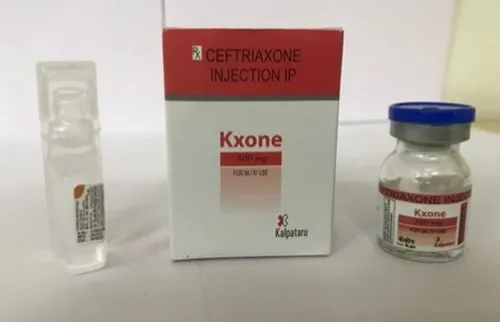

Comprehensive Overview of Ceftriaxone for Injection
Ceftriaxone is a potent, third-generation cephalosporin antibiotic that has become a cornerstone in modern clinical practice. Known for its broad-spectrum activity against both Gram-positive and Gram-negative bacteria, it is frequently utilized in hospital settings for the treatment of severe, life-threatening infections. As an orthopedic specialist, I frequently encounter its use in the prophylactic management of surgical sites and the treatment of complex musculoskeletal infections, such as septic arthritis and osteomyelitis.
Unlike many other antibiotics, Ceftriaxone possesses a remarkably long half-life, which allows for once-daily dosing—a significant advantage for patient compliance and hospital resource management. This guide serves as a clinical reference for healthcare professionals and patients seeking a deeper understanding of the pharmacodynamics and safety profile of this essential medication.
Mechanism of Action and Pharmacokinetics
Mechanism of Action
Ceftriaxone functions primarily as a bactericidal agent. Its mechanism involves the inhibition of bacterial cell wall synthesis. By binding to specific penicillin-binding proteins (PBPs) located inside the bacterial cell wall, Ceftriaxone interferes with the final transpeptidation step of peptidoglycan synthesis. This disruption leads to the weakening of the cell wall, resulting in cell lysis and death.
The drug’s stability against many beta-lactamases—enzymes produced by bacteria to resist antibiotics—gives it a superior spectrum of activity compared to first and second-generation cephalosporins.
Pharmacokinetics
The pharmacokinetic profile of Ceftriaxone is unique among cephalosporins:
* Absorption: Ceftriaxone is not absorbed orally; it must be administered intravenously (IV) or intramuscularly (IM).
* Distribution: It is highly protein-bound (85-95% to albumin) and penetrates well into most body tissues and fluids, including the cerebrospinal fluid (when meninges are inflamed).
* Metabolism: It is not metabolized in the liver; it remains active in the body until excretion.
* Excretion: Approximately 33-67% is excreted unchanged in the urine, while the remainder is excreted via bile into the feces. This dual pathway makes it a safer option for patients with either renal or hepatic impairment, provided dosing is monitored.
* Half-life: The elimination half-life is approximately 8 hours in healthy adults, allowing for effective once-daily administration.
Clinical Indications and Usage
Ceftriaxone is indicated for a wide array of bacterial infections caused by susceptible organisms. Below is a summary of primary clinical applications:
| Infection Type | Common Pathogens |
|---|---|
| Lower Respiratory Tract Infections | Streptococcus pneumoniae, Haemophilus influenzae |
| Acute Bacterial Otitis Media | S. pneumoniae, H. influenzae, Moraxella catarrhalis |
| Skin and Skin Structure Infections | Staphylococcus aureus, Streptococcus pyogenes |
| Urinary Tract Infections | Escherichia coli, Proteus mirabilis |
| Pelvic Inflammatory Disease | Neisseria gonorrhoeae |
| Bacterial Meningitis | N. meningitidis, S. pneumoniae |
| Surgical Prophylaxis | Various skin flora |
Orthopedic Context
In orthopedic surgery, Ceftriaxone is frequently used as a prophylactic agent for joint replacement surgeries and as a targeted treatment for prosthetic joint infections (PJIs). Its ability to achieve high concentrations in synovial fluid makes it an ideal candidate for treating septic arthritis.
Dosage Guidelines
Dosage must be tailored to the severity of the infection, the patient's age, and renal/hepatic function.
- Adults: The standard dose for mild to moderate infections is 1 to 2 grams administered once daily (or in equally divided doses twice daily). For severe infections, the dosage may be increased to 4 grams daily.
- Pediatrics: For serious infections, the dose is typically 50–75 mg/kg administered once daily, not to exceed 2 grams per day.
- Gonorrhea: A single IM dose of 250 mg is often sufficient for uncomplicated infections.
- Meningitis: Initial doses are typically 100 mg/kg (not to exceed 4 grams).
Note: Always consult the most recent institutional antibiogram before initiating therapy to ensure local susceptibility.
Risks, Side Effects, and Contraindications
Contraindications
- Hypersensitivity: Known allergy to Ceftriaxone or any cephalosporin.
- Neonates (Hyperbilirubinemia): Ceftriaxone is contraindicated in neonates (≤28 days) if they require calcium-containing IV solutions, as it can cause fatal precipitation in the lungs and kidneys.
- Cross-reactivity: Patients with a history of severe penicillin allergy should be monitored closely or switched to an alternative antibiotic due to potential cross-sensitivity.
Common Side Effects
- Gastrointestinal: Diarrhea, nausea, and, in rare cases, Clostridioides difficile-associated diarrhea.
- Injection Site Reactions: Pain, induration, or phlebitis at the site of administration.
- Hematological: Eosinophilia, thrombocytosis, or leukopenia.
- Biliary Sludging: The formation of "biliary pseudolithiasis" due to the precipitation of ceftriaxone-calcium salt in the gallbladder.
Pregnancy and Lactation
- Pregnancy: Ceftriaxone is classified as Pregnancy Category B. It crosses the placenta, but studies have not shown evidence of fetal harm. It should be used only if clearly needed.
- Lactation: Low concentrations of Ceftriaxone are excreted in human milk. Caution should be exercised when administering to nursing mothers, though it is generally considered compatible with breastfeeding.
Overdose Management
Overdose of Ceftriaxone is rare due to its wide therapeutic index. Symptoms may include neurological disturbances such as seizures, particularly in patients with renal impairment. There is no specific antidote. Treatment is supportive: dialysis does not significantly remove the drug from the bloodstream.
Frequently Asked Questions (FAQ)
1. Can Ceftriaxone be taken by mouth?
No. Ceftriaxone is poorly absorbed from the gastrointestinal tract and is exclusively administered via intravenous or intramuscular injection.
2. Why is Ceftriaxone often used for surgical prophylaxis?
Its long half-life and broad-spectrum coverage against common skin flora like Staphylococcus aureus make it highly effective for preventing surgical site infections.
3. Does Ceftriaxone interact with calcium?
Yes. It is critical to avoid mixing Ceftriaxone with calcium-containing intravenous solutions, as they can form precipitates that may block blood vessels or organs.
4. How long does a course of Ceftriaxone last?
The duration depends on the infection. Uncomplicated infections may require 3-5 days, whereas serious infections like osteomyelitis may require 4-6 weeks of therapy.
5. Can I drink alcohol while on Ceftriaxone?
While there is no direct "disulfiram-like" reaction as seen with some other cephalosporins, it is generally advised to avoid alcohol to allow the immune system to focus on fighting the infection.
6. What should I do if I miss a dose?
Contact your healthcare provider immediately. Because it is usually administered in a clinical setting, a missed dose requires rescheduling to ensure therapeutic blood levels are maintained.
7. Is Ceftriaxone effective against MRSA?
No. Ceftriaxone is not effective against Methicillin-Resistant Staphylococcus aureus (MRSA). Other agents, such as Vancomycin or Daptomycin, are required.
8. Does it affect birth control?
Like many antibiotics, there is theoretical concern that it may reduce the efficacy of oral contraceptives. Patients are advised to use backup contraception during treatment.
9. Why does my doctor monitor my liver/kidney function?
While Ceftriaxone is safe, monitoring ensures that the patient’s body is clearing the drug effectively, especially in those with pre-existing conditions.
10. Can Ceftriaxone cause diarrhea?
Yes. Like all broad-spectrum antibiotics, it can disrupt gut flora, potentially leading to diarrhea. If the diarrhea is severe or watery, consult a doctor immediately to rule out C. difficile infection.
Disclaimer: This guide is for educational purposes only and does not constitute medical advice. Always consult with a qualified healthcare professional or your orthopedic surgeon regarding medication, side effects, or clinical treatment plans.