

Comprehensive Guide to Celcox (Celecoxib): Clinical Overview
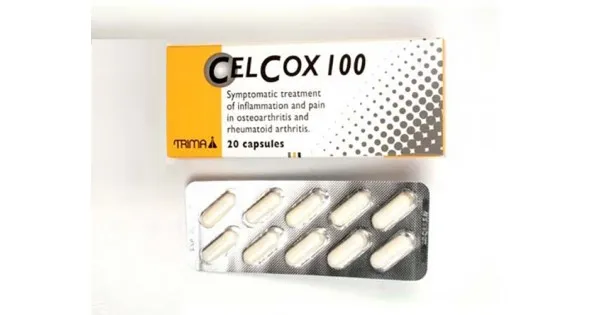
Celcox, the brand name for the active pharmaceutical ingredient Celecoxib, is a potent Non-Steroidal Anti-Inflammatory Drug (NSAID). Unlike traditional NSAIDs that non-selectively inhibit both Cyclooxygenase-1 (COX-1) and Cyclooxygenase-2 (COX-2) enzymes, Celcox is classified as a selective COX-2 inhibitor. This distinction is critical in orthopedic medicine, as it allows for effective pain management and inflammation reduction while theoretically sparing the protective prostaglandins produced by COX-1 in the gastric mucosa.
This guide provides an exhaustive clinical breakdown of Celcox, intended for healthcare professionals and patients seeking a deeper understanding of its pharmacological profile, safety parameters, and therapeutic application in managing musculoskeletal disorders.
Mechanism of Action: The Selective COX-2 Pathway
The therapeutic efficacy of Celcox is rooted in its highly selective inhibition of the COX-2 enzyme. To understand this, one must look at the arachidonic acid cascade.
The Arachidonic Acid Cascade
When tissue is injured, the body produces prostaglandins—lipid compounds that mediate pain, inflammation, and fever. This process is catalyzed by Cyclooxygenase enzymes:
* COX-1: Constitutively expressed in most tissues. It plays a vital role in maintaining the gastric lining, renal perfusion, and platelet aggregation.
* COX-2: Induced primarily at sites of inflammation by cytokines and growth factors.
Celcox occupies the active site of the COX-2 enzyme, preventing the conversion of arachidonic acid into pro-inflammatory prostaglandins. Because it has a significantly lower affinity for COX-1 at therapeutic doses, it is often preferred in patients with a history of gastrointestinal (GI) sensitivity.
Pharmacokinetics and Metabolism
Understanding how the body processes Celcox is essential for optimizing therapeutic outcomes and avoiding toxicity.
| Parameter | Description |
|---|---|
| Absorption | Well-absorbed orally; peak plasma levels reached in ~3 hours. |
| Food Effect | High-fat meals may delay absorption but increase total bioavailability. |
| Distribution | Highly protein-bound (approx. 97%), primarily to albumin. |
| Metabolism | Hepatic metabolism via the Cytochrome P450 2C9 (CYP2C9) pathway. |
| Half-life | Approximately 11 to 12 hours. |
| Excretion | Primarily excreted in feces (as metabolites) and urine. |
Clinical Indications and Usage
Celcox is indicated for the management of various acute and chronic conditions characterized by inflammation and pain.
Primary Orthopedic Indications
- Osteoarthritis (OA): Provides symptomatic relief for joint pain, stiffness, and swelling in the knees, hips, and hands.
- Rheumatoid Arthritis (RA): Reduces systemic inflammation and manages joint destruction in adult patients.
- Ankylosing Spondylitis: Alleviates spinal pain and stiffness.
- Acute Pain: Used for the management of post-surgical orthopedic pain or acute musculoskeletal injuries.
- Primary Dysmenorrhea: Often prescribed for gynecological pain relief.
Dosage Guidelines
Dosage must be individualized based on the patient's condition and renal/hepatic status.
- Osteoarthritis: 200 mg once daily or 100 mg twice daily.
- Rheumatoid Arthritis: 100 mg to 200 mg twice daily.
- Ankylosing Spondylitis: 200 mg once daily.
- Acute Pain: 400 mg initially, followed by 200 mg if needed on the first day, then 200 mg twice daily as needed.
Risks, Side Effects, and Contraindications
Despite its selective profile, Celcox carries significant risks that require clinical vigilance.
Contraindications
- Hypersensitivity: Known allergy to sulfonamides or other NSAIDs.
- Asthma: Patients who experience "aspirin-sensitive" asthma.
- CABG Surgery: Contraindicated for the treatment of perioperative pain in the setting of coronary artery bypass graft surgery.
- Active GI Bleeding: Severe gastrointestinal ulceration or hemorrhage.
Common Side Effects
- Gastrointestinal: Dyspepsia, abdominal pain, diarrhea, and nausea.
- Cardiovascular: Potential for increased risk of myocardial infarction or stroke (class effect).
- Renal: Fluid retention, edema, and decreased renal function.
- Dermatological: Rash or pruritus.
Drug Interactions
Celcox is a substrate of the CYP2C9 enzyme. Consequently, clinicians must be wary of "drug-drug" interactions:
* Warfarin: Increased risk of bleeding; monitor INR closely.
* ACE Inhibitors/Diuretics: Celcox may diminish the antihypertensive effect and increase the risk of renal impairment.
* Fluconazole: Can increase plasma concentrations of Celcox by inhibiting CYP2C9.
* Lithium: May increase serum lithium levels, leading to toxicity.
Pregnancy and Lactation Warnings
- Pregnancy: Celcox should be avoided during the third trimester as it may cause premature closure of the ductus arteriosus in the fetus. Use in the first and second trimesters should only occur if the potential benefit justifies the risk.
- Lactation: Celecoxib is excreted in human milk. Nursing mothers should consult a physician; a decision must be made whether to discontinue nursing or discontinue the drug, taking into account the importance of the medication to the mother.
Overdose Management
Clinical experience with Celcox overdose is limited. Symptoms may include lethargy, drowsiness, nausea, vomiting, and epigastric pain.
* Management: Treatment is symptomatic and supportive. There is no specific antidote.
* Procedures: Gastric lavage or activated charcoal may be considered if the patient presents early after ingestion. Monitor renal and hepatic function closely.
Frequently Asked Questions (FAQ)
1. Is Celcox safer for the stomach than Ibuprofen?
Yes, generally. Because Celcox is a selective COX-2 inhibitor, it causes significantly fewer gastric ulcers and bleeding events compared to non-selective NSAIDs like Ibuprofen or Naproxen.
2. Can I take Celcox if I am allergic to Sulfa drugs?
Celcox contains a sulfonamide moiety. While cross-reactivity is rare, it should be used with extreme caution or avoided in patients with a history of severe sulfa allergies.
3. Does Celcox cause weight gain?
Celcox may cause fluid retention in some patients, which can manifest as peripheral edema or a slight increase in weight. If you notice significant swelling in your ankles, consult your doctor.
4. How long does it take for Celcox to work?
For acute pain, patients often feel relief within 60 minutes. For chronic conditions like Osteoarthritis, it may take several days of consistent use to achieve maximum therapeutic effect.
5. Can I drink alcohol while taking Celcox?
It is generally advised to limit or avoid alcohol, as both alcohol and Celcox can irritate the gastric lining, increasing the risk of stomach upset or bleeding.
6. Is Celcox a narcotic or opioid?
No. Celcox is a non-opioid, non-addictive anti-inflammatory medication. It does not produce the dependency associated with controlled substances.
7. What should I do if I miss a dose?
Take the missed dose as soon as you remember. If it is almost time for your next scheduled dose, skip the missed one. Do not take two doses at once to make up for a missed one.
8. Does Celcox interact with blood pressure medications?
Yes. Celcox can interfere with certain antihypertensives, such as ACE inhibitors and diuretics, potentially making your blood pressure harder to control.
9. Can I take Celcox long-term?
It can be used for chronic conditions, but it should be used at the lowest effective dose for the shortest duration necessary, with regular monitoring of cardiovascular and renal health.
10. Does Celcox affect my kidneys?
Like all NSAIDs, Celcox can affect blood flow to the kidneys. Patients with pre-existing renal impairment should be monitored closely by a healthcare provider.
Conclusion
Celcox is a powerful tool in the orthopedic arsenal, offering a targeted approach to pain and inflammation management. By understanding the pharmacodynamics of the COX-2 pathway, clinicians can effectively utilize this medication to improve patient quality of life while mitigating the risks associated with systemic NSAID use. Always prioritize patient history and regular clinical monitoring to ensure safety and therapeutic success.
Disclaimer: This guide is for educational purposes only and does not constitute professional medical advice, diagnosis, or treatment. Always seek the advice of your physician or qualified health provider with any questions regarding a medical condition or medication.