

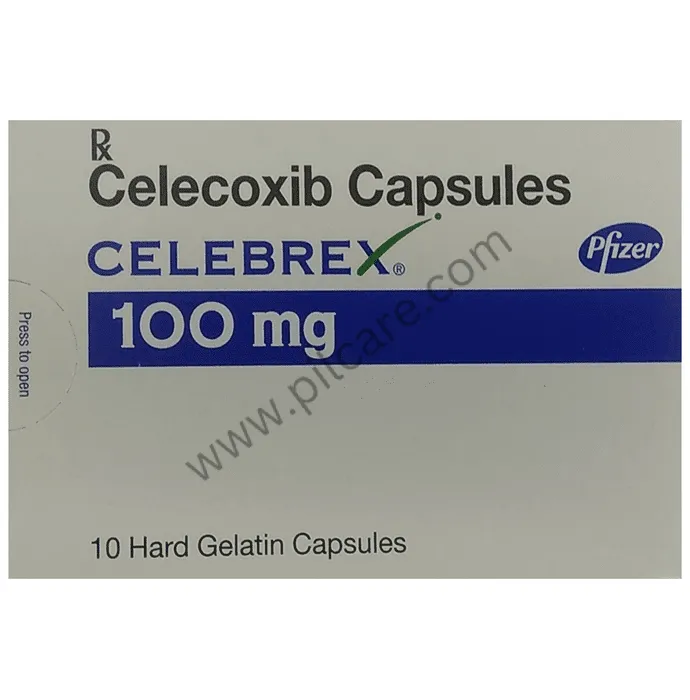
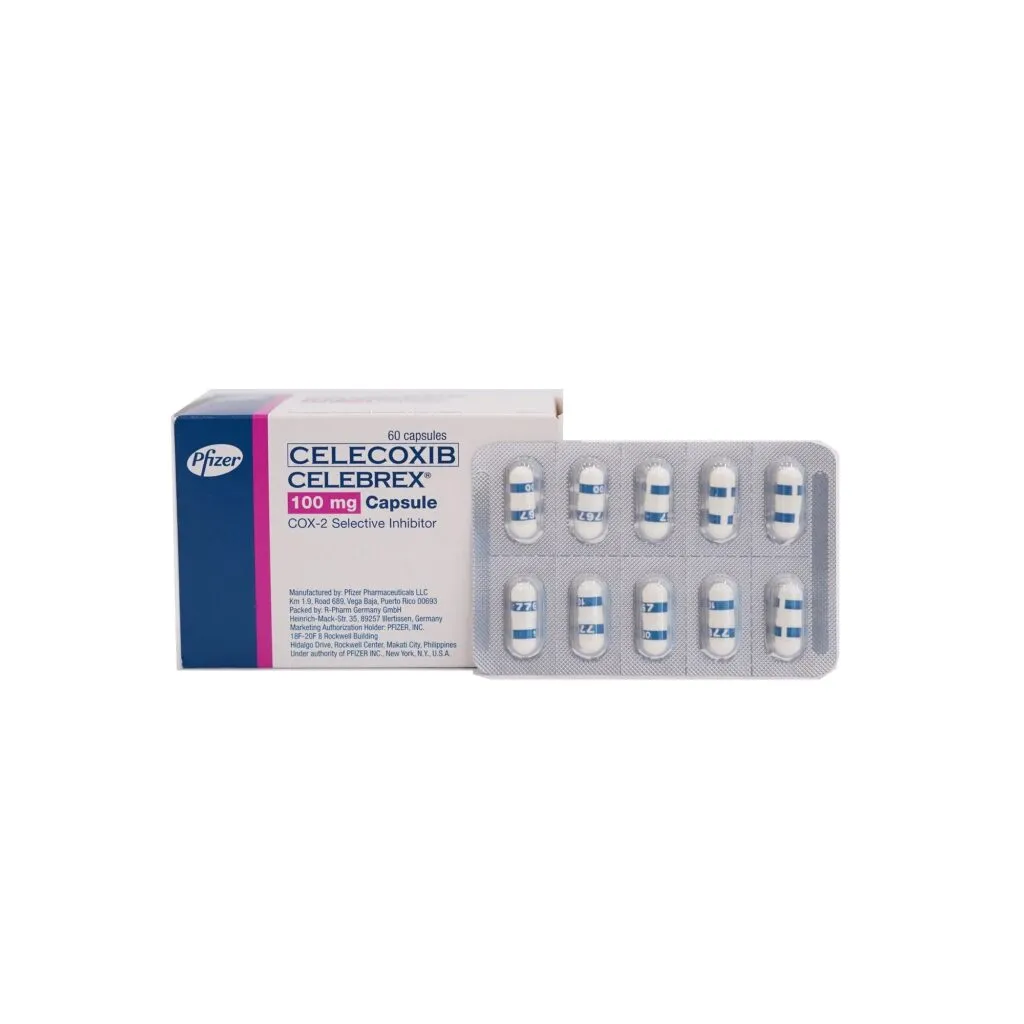

Comprehensive Introduction to Celebrex (Celecoxib)
Celebrex, known generically as celecoxib, is a potent nonsteroidal anti-inflammatory drug (NSAID) that serves as a cornerstone in the pharmacological management of chronic pain and inflammation. Unlike traditional non-selective NSAIDs, which inhibit both COX-1 and COX-2 enzymes, Celebrex is classified as a selective COX-2 inhibitor. This distinction is critical in orthopedic medicine, as it provides therapeutic relief from musculoskeletal conditions while theoretically sparing the protective prostaglandins produced by the COX-1 pathway in the gastric mucosa.
Since its FDA approval, Celebrex has become a primary choice for managing conditions ranging from osteoarthritis to acute pain in adults. This guide serves as a clinical resource for understanding the pharmacodynamics, dosing protocols, and safety profiles necessary for the responsible administration of celecoxib.
Deep-Dive: Mechanism of Action and Pharmacokinetics
Mechanism of Action
The therapeutic efficacy of Celebrex is derived from its ability to inhibit the enzyme cyclooxygenase-2 (COX-2). In the human body, prostaglandins are the primary mediators of pain, inflammation, and fever. These are synthesized through the arachidonic acid cascade, facilitated by two primary isoforms of the cyclooxygenase enzyme:
- COX-1: Constitutively expressed in most tissues, responsible for maintaining gastric mucosal integrity and platelet function.
- COX-2: Induced primarily at sites of inflammation by cytokines and other stimuli.
By selectively targeting COX-2, Celebrex reduces the production of pro-inflammatory prostaglandins while minimizing the disruption of COX-1-mediated physiological processes, such as gastric protection and renal blood flow maintenance.
Pharmacokinetics
Understanding how the body processes Celebrex is essential for optimizing clinical outcomes:
| Parameter | Clinical Characteristic |
|---|---|
| Absorption | Well-absorbed orally; peak plasma levels in ~3 hours. |
| Distribution | Highly protein-bound (approx. 97%), primarily to albumin. |
| Metabolism | Primarily hepatic via CYP2C9 isoenzyme. |
| Elimination | Primarily as metabolites in urine and feces (Half-life ~11 hours). |
Extensive Clinical Indications & Usage
Celebrex is indicated for the treatment of various inflammatory and chronic pain conditions. Its primary clinical applications include:
- Osteoarthritis (OA): Symptomatic relief of signs and symptoms of OA.
- Rheumatoid Arthritis (RA): Management of signs and symptoms in adults.
- Ankylosing Spondylitis (AS): Treatment of the signs and symptoms of AS.
- Acute Pain: Management of acute pain in adults (e.g., post-operative dental or orthopedic procedures).
- Primary Dysmenorrhea: Treatment of primary dysmenorrhea.
- Juvenile Rheumatoid Arthritis (JRA): Indicated for patients 2 years and older.
Dosage Guidelines
Dosage must be individualized based on the patient's condition and history.
| Condition | Recommended Dosage |
|---|---|
| Osteoarthritis | 200 mg once daily or 100 mg twice daily. |
| Rheumatoid Arthritis | 100–200 mg twice daily. |
| Ankylosing Spondylitis | 200 mg once daily or 100 mg twice daily. |
| Acute Pain | 400 mg initially, followed by 200 mg twice daily if needed. |
Risks, Side Effects, and Contraindications
While Celebrex offers a more favorable gastrointestinal profile than traditional NSAIDs, it is not without significant risks.
Cardiovascular Risk
Celebrex carries a boxed warning regarding an increased risk of serious cardiovascular thrombotic events, including myocardial infarction and stroke. These risks may occur early in treatment and may increase with duration of use.
Gastrointestinal Risk
Although selective, Celebrex still carries a risk of serious GI adverse events, including inflammation, bleeding, ulceration, and perforation of the stomach or intestines. These events can occur at any time during use and without warning symptoms.
Absolute Contraindications
- Hypersensitivity: Known hypersensitivity to celecoxib or sulfonamides.
- Asthma/Urticaria: History of asthma, urticaria, or other allergic-type reactions after taking aspirin or other NSAIDs.
- CABG Surgery: Use in the setting of coronary artery bypass graft (CABG) surgery.
- Severe Renal/Hepatic Impairment: Use caution or avoid in severe disease states.
Drug Interactions
- CYP2C9 Inhibitors: Concomitant use (e.g., fluconazole) may significantly increase celecoxib plasma levels.
- ACE Inhibitors/Diuretics: NSAIDs can diminish the antihypertensive effect of these medications.
- Warfarin: Increased risk of bleeding events; monitoring of INR is required.
Pregnancy and Lactation Warnings
- Pregnancy: Use of NSAIDs, including Celebrex, should be avoided at 30 weeks gestation and later due to the risk of premature closure of the fetal ductus arteriosus.
- Lactation: Celecoxib is excreted in human milk. Because of the potential for serious adverse reactions in nursing infants, a decision must be made whether to discontinue nursing or discontinue the drug, taking into account the importance of the drug to the mother.
Overdose Management
There is limited clinical experience with Celebrex overdose. Symptoms of NSAID overdose typically include lethargy, drowsiness, nausea, vomiting, and epigastric pain. Management is primarily symptomatic and supportive. There is no specific antidote. Emesis and/or activated charcoal may be considered if the patient is seen within 4 hours of ingestion.
Frequently Asked Questions (FAQ)
1. Is Celebrex a narcotic?
No, Celebrex is a non-narcotic, non-steroidal anti-inflammatory drug (NSAID). It does not cause physical dependence or the euphoria associated with opioids.
2. Can I take Celebrex on an empty stomach?
Celebrex can be taken with or without food. However, taking it with food may help minimize potential stomach upset in sensitive patients.
3. How long does it take for Celebrex to start working?
Most patients report onset of pain relief within 60 minutes, though maximum anti-inflammatory benefits in conditions like RA may take several days of consistent use.
4. Does Celebrex cause weight gain?
Fluid retention is a known side effect of NSAIDs, which may manifest as minor weight gain or swelling (edema) in the extremities. If significant swelling occurs, contact your physician.
5. Can I drink alcohol while taking Celebrex?
Alcohol may increase the risk of gastrointestinal irritation and bleeding when combined with NSAIDs. It is generally advised to limit or avoid alcohol consumption.
6. Is Celebrex safe for patients with high blood pressure?
NSAIDs can elevate blood pressure and interfere with antihypertensive medications. Patients with hypertension should be closely monitored by their healthcare provider.
7. What should I do if I miss a dose?
Take the missed dose as soon as you remember. If it is almost time for your next dose, skip the missed dose and resume your regular schedule. Do not double the dose.
8. Does Celebrex interact with aspirin?
Yes. Taking aspirin with Celebrex increases the risk of gastrointestinal ulcers and bleeding. Consult your doctor before combining these medications.
9. Why is Celebrex a "sulfonamide"?
Celebrex contains a sulfonamide moiety. Patients with a known severe allergy to "sulfa" drugs should inform their physician, as there is a theoretical risk of cross-reactivity.
10. How long can I safely stay on Celebrex?
Long-term use should be discussed with your physician. The goal is to use the lowest effective dose for the shortest duration necessary to control symptoms.
Disclaimer: This guide is for educational purposes only and does not constitute medical advice. Always seek the advice of a physician or other qualified health provider with any questions regarding a medical condition or medication. Never disregard professional medical advice or delay seeking it because of something you have read here.