
Comprehensive Guide to Celestone Chronodose: Clinical Pharmacology and Application
Celestone Chronodose is a potent injectable corticosteroid preparation widely utilized in orthopedic, rheumatological, and dermatological clinical settings. As a synthetic glucocorticoid, it offers significant anti-inflammatory and immunosuppressive properties. This guide provides an exhaustive clinical overview of its pharmacological profile, indications, and safety considerations.
1. Introduction and Clinical Overview
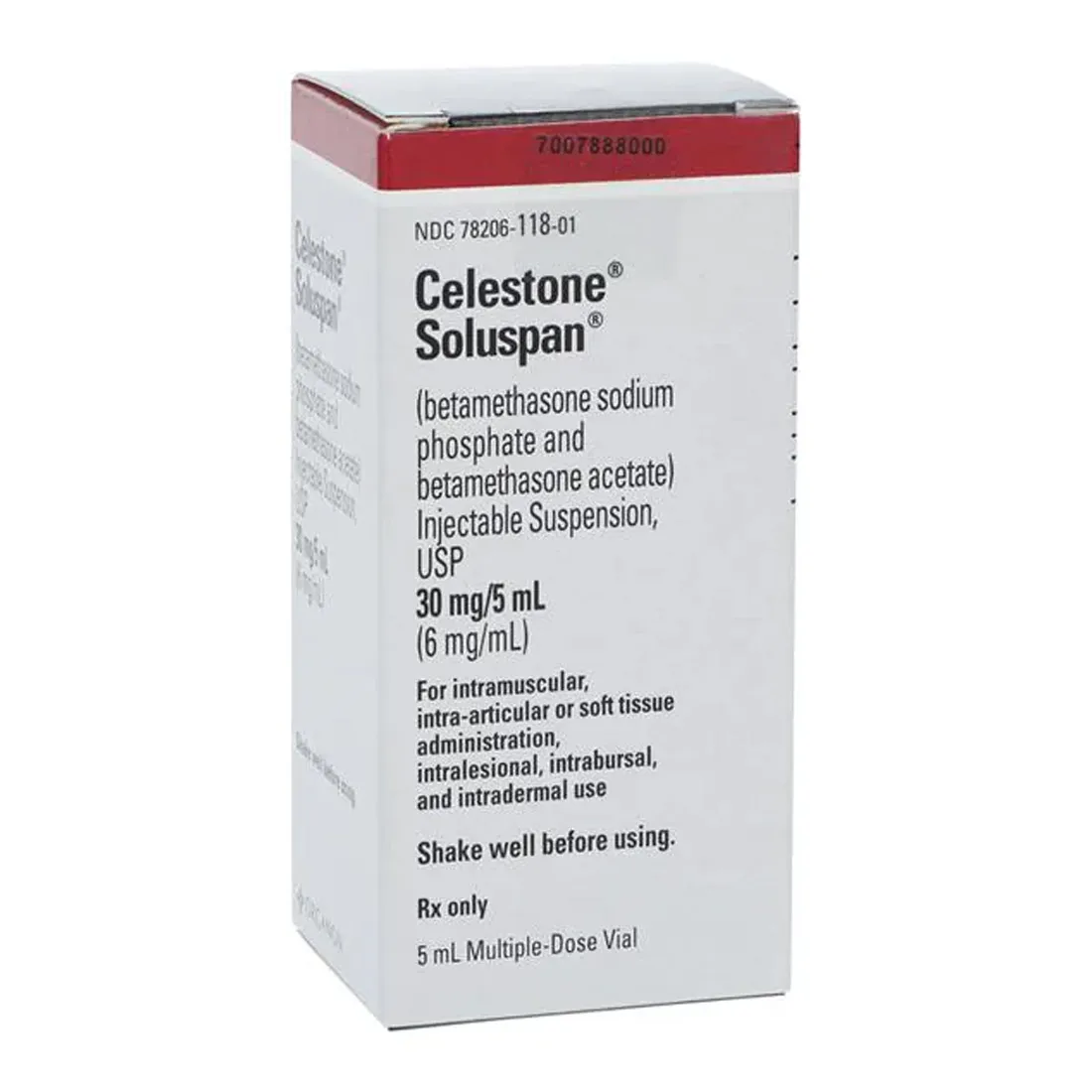
Celestone Chronodose (Betamethasone acetate and Betamethasone sodium phosphate) is a sterile aqueous suspension designed for parenteral administration. It combines a rapidly acting soluble ester (sodium phosphate) with a sustained-release, less soluble ester (acetate). This dual-action formulation allows for both immediate therapeutic relief and prolonged anti-inflammatory effect.
In orthopedics, it is frequently employed for the management of localized inflammatory conditions, including bursitis, tendinitis, and intra-articular arthritis. Its potency is approximately 25 times that of cortisol, making it a highly effective agent for rapid symptom resolution in acute flare-ups.
2. Mechanism of Action and Pharmacokinetics
Mechanism of Action
The therapeutic efficacy of Celestone Chronodose is mediated through the activation of glucocorticoid receptors. Once the steroid penetrates the cell membrane:
1. It binds to cytoplasmic receptors, forming a steroid-receptor complex.
2. This complex translocates to the cell nucleus.
3. It modulates gene transcription by binding to Glucocorticoid Response Elements (GREs).
4. The result is the inhibition of pro-inflammatory cytokines (e.g., IL-1, IL-6, TNF-alpha) and the induction of anti-inflammatory proteins like lipocortin-1, which inhibits phospholipase A2.
Pharmacokinetics
The unique pharmacokinetic profile of Celestone Chronodose is defined by its biphasic release:
* Betamethasone Sodium Phosphate: Highly soluble, providing immediate bioavailability and rapid onset of action (within minutes of administration).
* Betamethasone Acetate: Sparingly soluble, forming a depot at the injection site. This ensures a slow, sustained absorption over several days, maintaining therapeutic concentrations in the target tissue.
| Feature | Betamethasone Sodium Phosphate | Betamethasone Acetate |
|---|---|---|
| Solubility | High | Low |
| Onset of Action | Immediate | Delayed |
| Duration | Short | Prolonged |
3. Detailed Clinical Indications
Celestone Chronodose is indicated for conditions where a potent corticosteroid effect is required. Common applications include:
Rheumatological and Orthopedic Disorders
- Intra-articular Injection: Rheumatoid arthritis, osteoarthritis, post-traumatic arthritis, and synovitis.
- Soft Tissue Injection: Bursitis (subdeltoid, prepatellar, olecranon), tendinitis, epicondylitis (tennis elbow), and plantar fasciitis.
Dermatological Conditions
- Keloids, localized hypertrophic, infiltrative, or inflammatory lesions of lichen planus, psoriatic plaques, and granuloma annulare.
Systemic/Allergic Conditions
- Severe allergic reactions (anaphylaxis, angioedema), serum sickness, and acute exacerbations of asthma or allergic rhinitis when oral therapy is insufficient.
4. Dosage Guidelines
Dosage must be individualized based on the severity of the condition and the patient’s clinical response.
- Intra-articular/Intrabursal: 0.25 mL to 2.0 mL depending on the size of the joint. Small joints (e.g., fingers) usually require 0.25–0.5 mL, while large joints (e.g., knee, shoulder) may require 1.0–2.0 mL.
- Soft Tissue Injection: 0.5 mL to 1.0 mL.
- Systemic Administration: Typically 0.25 mL to 2.0 mL via intramuscular injection, repeated as necessary based on patient response.
Warning: Repeated intra-articular injections should be performed with caution, as excessive frequency may lead to joint degradation (corticosteroid arthropathy).
5. Risks, Side Effects, and Contraindications
Contraindications
- Systemic fungal infections.
- Hypersensitivity to betamethasone or any components of the suspension.
- Administration into unstable joints or infected sites (septic arthritis).
Adverse Reactions
While generally well-tolerated, systemic absorption can lead to:
* Endocrine: HPA-axis suppression, Cushingoid features, hyperglycemia, and secondary diabetes.
* Musculoskeletal: Muscle atrophy, osteoporosis, and risk of tendon rupture if injected directly into a tendon.
* Dermatological: Local skin atrophy, hypopigmentation, and impaired wound healing.
* Ocular: Increased intraocular pressure, glaucoma, and posterior subcapsular cataracts.
Pregnancy and Lactation
- Pregnancy: Corticosteroids should only be used if the potential benefit justifies the potential risk to the fetus. Neonates of mothers treated with corticosteroids should be monitored for signs of hypoadrenalism.
- Lactation: Betamethasone is excreted in breast milk. Caution is advised, and clinical monitoring of the infant is recommended if high doses are used.
6. Overdose and Management
Acute overdose is unlikely with parenteral administration. However, chronic over-dosage can lead to hypothalamic-pituitary-adrenal (HPA) axis suppression. Management involves:
1. Gradual dose tapering to avoid withdrawal syndrome.
2. Supportive care for electrolyte imbalances.
3. Monitoring for hyperglycemia and hypertension.
7. Frequently Asked Questions (FAQ)
1. Is Celestone Chronodose the same as a regular cortisone shot?
"Cortisone" is a generic term often used by patients. Celestone Chronodose is a specific, potent synthetic formulation (betamethasone) that is generally more potent and longer-acting than natural cortisone.
2. How long does it take for Celestone to start working?
Due to the sodium phosphate component, many patients feel relief within 24 to 48 hours, though the full effect of the acetate component may take several days to manifest.
3. Can I have multiple injections in the same joint?
Generally, no more than 3–4 injections per year are recommended for a single joint to prevent cartilage damage and joint instability.
4. Does the injection hurt?
The injection itself is similar to other intramuscular or intra-articular procedures. Some clinicians use a local anesthetic (like lidocaine) in the same syringe to minimize discomfort.
5. What are the common side effects at the injection site?
Common side effects include temporary pain, swelling, or a "flare" of inflammation that subsides within 48 hours.
6. Will this affect my blood sugar?
Yes. Patients with diabetes should monitor their blood glucose levels closely for 1–2 weeks following an injection, as corticosteroids can cause transient hyperglycemia.
7. Can I drive after receiving an injection?
Usually, yes. However, if the injection was into a major weight-bearing joint (like the knee or ankle), you should rest the joint for 24–48 hours to optimize healing.
8. Is this medication safe for athletes?
Athletes should be aware that Celestone is a prohibited substance under WADA (World Anti-Doping Agency) regulations during in-competition periods unless a Therapeutic Use Exemption (TUE) is filed.
9. What should I do if I miss a dose?
If the medication is being used for a chronic systemic condition, contact your physician. For one-time site-specific injections, a "missed dose" does not apply in the traditional sense.
10. Can I take NSAIDs after the injection?
Yes, unless otherwise contraindicated by your physician. NSAIDs can often help manage the post-injection flare that some patients experience.
Disclaimer: This guide is for informational purposes only and does not constitute medical advice. Always consult with a licensed orthopedic surgeon or healthcare provider regarding the administration and suitability of Celestone Chronodose for your specific medical condition.