

Comprehensive Overview of the Cervical Collar
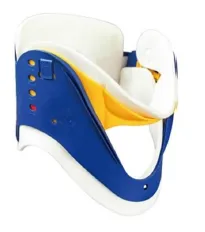
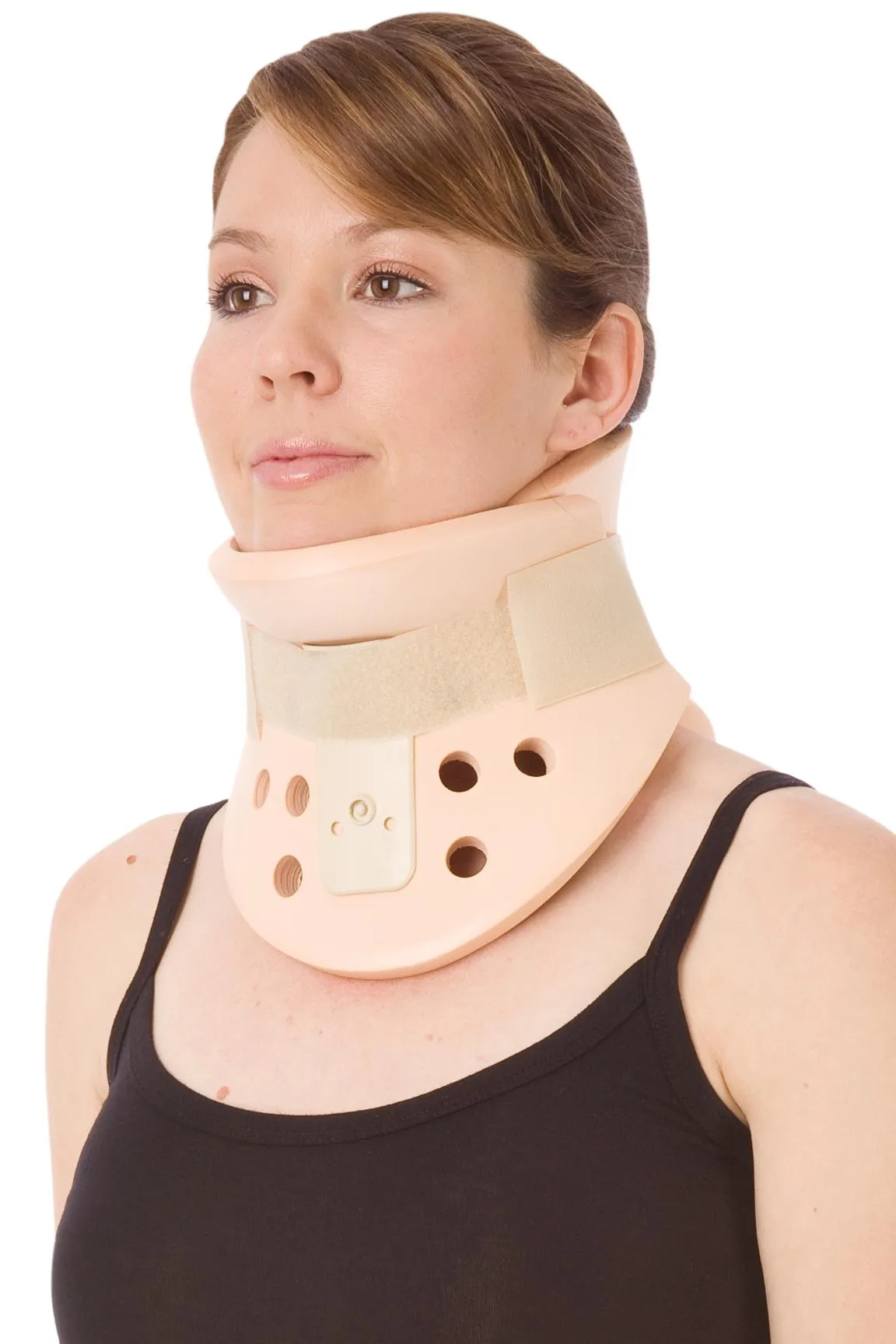
The cervical collar, often referred to as a neck brace, is a critical medical device utilized in orthopedic medicine, emergency trauma care, and post-operative recovery. While colloquially categorized under supportive care, it functions as a therapeutic "orthotic medication" for the musculoskeletal system, designed to stabilize the cervical spine, restrict range of motion, and promote healing of soft tissue and bony structures.
Unlike pharmacological agents, the "mechanism" of a cervical collar is mechanical rather than biochemical. It acts as an external skeletal stabilizer, offloading the weight of the cranium from the cervical vertebrae and providing a rigid or semi-rigid barrier against exacerbating movements.
Technical Specifications and Mechanisms of Action
To understand the cervical collar, one must view it as a biomechanical tool. It works through three primary mechanisms:
1. Kinematic Restriction
The primary goal of a cervical collar is to limit the movement of the cervical spine. By bridging the gap between the mandible/occiput and the sternum/clavicle, the collar forces the head into a neutral position. This limits:
* Flexion/Extension: The primary movements that stress the anterior and posterior ligaments.
* Lateral Bending: Restricts side-to-side motion that can aggravate nerve root impingement.
* Axial Rotation: Limits the rotational stress on the C1-C2 (atlanto-axial) complex.
2. Axial Offloading
A human head weighs approximately 10–12 pounds. When the cervical muscles are fatigued or injured (as in whiplash), the weight of the head places significant compressive force on the intervertebral discs. A properly fitted collar transfers a portion of this weight to the thoracic cage, effectively acting as an external support structure.
3. Proprioceptive Feedback
The collar provides constant sensory input to the patient, serving as a physical reminder to avoid extreme neck movements. This psychological and sensory barrier is vital during the early stages of post-traumatic recovery.
Clinical Indications and Usage Guidelines
Cervical collars are classified based on their rigidity and degree of stabilization.
| Collar Type | Material | Indication |
|---|---|---|
| Soft Collar | Foam/Cotton | Minor muscle strain, mild whiplash, cervical spondylosis. |
| Semi-Rigid | Molded Foam/Plastic | Post-operative stabilization, moderate disc herniation. |
| Rigid (Philadelphia) | Hard Plastic/Foam | Trauma, suspected spine fracture, post-spinal surgery. |
| Cervico-Thoracic | Plastic/Metal Struts | Severe fractures, stabilization of C7-T1 junctions. |
Indications for Use
- Acute Trauma: Pre-hospital stabilization for suspected cervical spine injury (C-spine precautions).
- Post-Operative Support: Following discectomy, fusion, or laminectomy.
- Degenerative Conditions: Managing pain associated with severe osteoarthritis or cervical radiculopathy.
- Soft Tissue Injury: Acute management of whiplash-associated disorders (WAD).
Dosage and Duration (The "Prescription" of Wear)
"Dosage" in the context of a cervical collar refers to the frequency and duration of wear.
* Acute Phase: Often prescribed for 24/7 wear immediately following trauma.
* Rehabilitation Phase: Gradually titrated down. Prolonged, unnecessary use can lead to cervical muscle atrophy. It is generally recommended to remove the collar for physical therapy exercises as directed by a clinician.
Contraindications and Risks
While beneficial, improper use of a cervical collar carries significant clinical risks.
Contraindications
- Unstable Fractures: If a collar is not rigid enough to prevent movement, it may provide a false sense of security, leading to neurological damage.
- Skin Integrity Issues: Patients with severe dermatitis, pressure ulcers, or open wounds on the neck.
- Respiratory Distress: In patients with compromised airways or those requiring frequent tracheal suctioning, a rigid collar may impede access or exacerbate breathing difficulties.
Potential Side Effects
- Muscle Atrophy: Prolonged immobilization causes the deep neck stabilizers to weaken.
- Pressure Necrosis: Especially common in elderly or bedridden patients; skin breakdown under the chin or at the occiput.
- Dependency: Psychological reliance on the collar for pain management, hindering active recovery.
- Range of Motion Loss: Persistent stiffness due to lack of movement.
Pregnancy, Lactation, and Special Populations
- Pregnancy: There are no contraindications for the use of a cervical collar during pregnancy. However, the fit must be monitored as posture and weight distribution change.
- Pediatric Use: Specialized pediatric collars are required. Adult collars do not fit the anatomical proportions of a child’s head and neck, which can lead to airway obstruction.
- Geriatric Considerations: Extreme caution is required for elderly patients with osteoporosis. Skin integrity must be checked daily to prevent pressure ulcers.
Overdose and Mismanagement
"Overdose" of a cervical collar is defined as over-utilization—wearing the device longer than medically necessary.
Management of Overuse:
1. Gradual Weaning: If a patient has been in a collar for several weeks, they should not stop abruptly. Implement a weaning schedule (e.g., removing the collar for 1 hour, 3 times a day, increasing gradually).
2. Physical Therapy: Introduce isometric neck strengthening exercises to compensate for the atrophy caused by the collar.
3. Monitoring: If pain increases significantly during weaning, reassess for underlying instability.
Frequently Asked Questions (FAQ)
1. How tight should my cervical collar be?
The collar should be snug enough to restrict movement but not so tight that it hinders breathing or swallowing. You should be able to slide one finger between the collar and your skin.
2. Can I sleep while wearing a cervical collar?
Yes, if specifically prescribed by your doctor. However, ensure your pillow provides adequate support so your head remains in a neutral, aligned position.
3. How do I clean my collar?
Most soft collars have removable covers that can be machine washed. Rigid collars should be wiped down daily with mild soap and water to prevent skin irritation.
4. Will my neck muscles get weak?
Yes, if used for too long. This is why physical therapy is essential to transition away from the collar.
5. Can I drive while wearing a collar?
Generally, no. A cervical collar significantly restricts your ability to check blind spots and react quickly to traffic. Consult your physician before returning to driving.
6. What is "Whiplash," and does a collar help?
Whiplash is a soft tissue injury caused by sudden neck snapping. A soft collar provides comfort during the acute inflammatory phase (first 48–72 hours).
7. What happens if I get a rash under the collar?
Remove the collar and clean the skin. If the rash persists, contact your doctor. You may need a different lining material or a change in the collar type.
8. Does a cervical collar help with headaches?
If the headaches are cervicogenic (originating from the neck), a collar may reduce pain by stabilizing the cervical vertebrae.
9. Can I shower with my collar on?
Most rigid collars are waterproof, but you should consult your surgeon. Often, you may be instructed to remove it for a sponge bath or quick shower if stability is maintained.
10. How long is the typical recovery period?
Recovery varies based on the injury. Soft tissue injuries may require only a few days of support, while post-surgical patients may require 6–12 weeks of stabilization.
Conclusion
The cervical collar is a foundational tool in orthopedic care. When used correctly—as a temporary mechanical support rather than a permanent crutch—it effectively aids in the healing of traumatic and degenerative cervical conditions. Always ensure that the collar is fitted by a healthcare professional and that its usage is paired with a comprehensive rehabilitation plan to maintain muscular health and spinal mobility. If you experience increased numbness, tingling, or difficulty breathing, remove the device and seek immediate medical evaluation.