
Comprehensive Guide to the Hard Cervical Collar: Clinical Standards
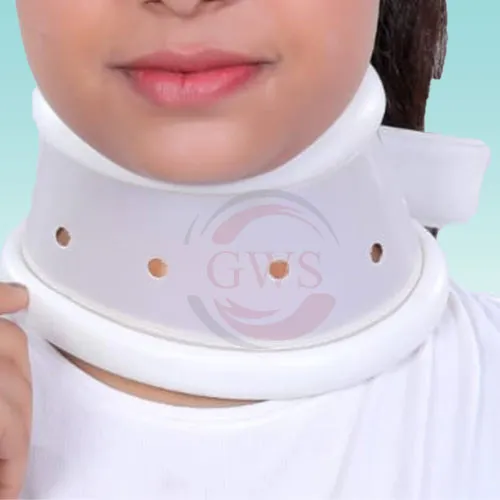
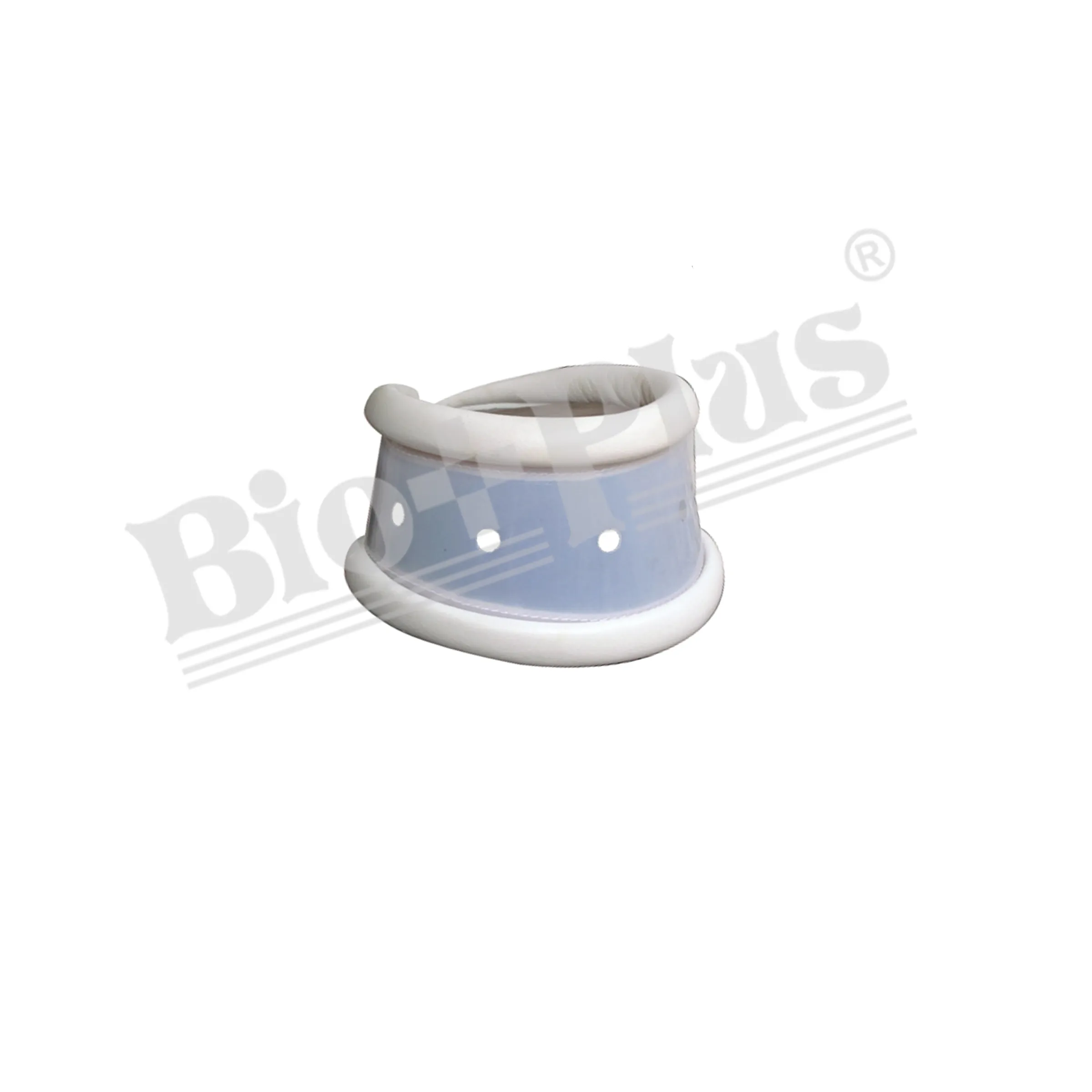
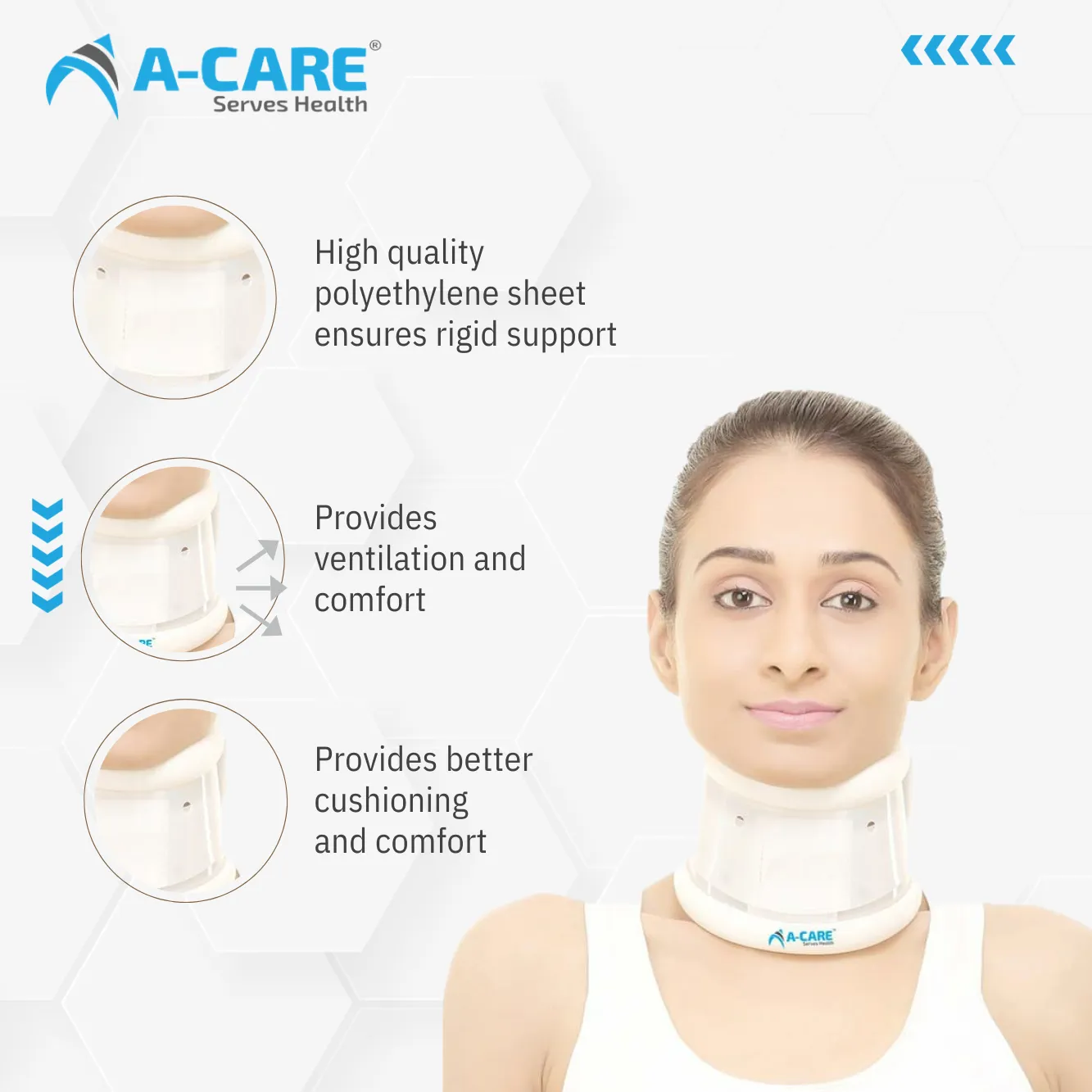
The hard cervical collar, often referred to as a rigid cervical orthosis, is a critical medical device utilized in orthopedic and trauma care to provide stabilization to the cervical spine. Unlike soft collars, which are primarily for comfort or minor muscle strain, the hard cervical collar is engineered to restrict motion, protect injured tissues, and facilitate the healing process following trauma or surgical intervention.
This guide provides an exhaustive review of the mechanism, clinical application, and safety protocols surrounding the use of the hard cervical collar.
Mechanism of Action and Technical Specifications
The hard cervical collar functions primarily through mechanical restriction. By applying pressure to the mandible and occiput while anchoring against the sternum and clavicle, the device significantly reduces the range of motion (ROM) in the cervical spine.
Biomechanical Principles
The primary objective of a hard collar is to minimize the movement of the cervical vertebrae. It achieves this by:
* Restricting Flexion and Extension: The rigid shell acts as a physical barrier to sagittal plane movement.
* Limiting Lateral Bending: The contour of the collar provides lateral support to the cervical muscles and bony structures.
* Stabilizing Rotation: The structural integrity of the device prevents axial rotation, which is vital in preventing secondary injury to the spinal cord.
Material Composition
Hard collars are typically constructed from high-density polyethylene (HDPE) or similar rigid polymers. They are often lined with hypoallergenic, closed-cell foam to prevent skin maceration and pressure sores.
| Feature | Specification |
|---|---|
| Primary Material | Rigid Polyethylene / Thermoplastic |
| Lining | Closed-cell foam (non-absorbent) |
| Closure System | Velcro® straps or locking mechanisms |
| Radiopacity | Often radiolucent (MRI/CT compatible) |
Clinical Indications and Usage
The application of a hard cervical collar is indicated in scenarios where cervical spine stability is compromised or requires immobilization to prevent neurological sequelae.
Primary Indications
- Cervical Spine Trauma: Suspected fractures or dislocations following high-energy impact (e.g., motor vehicle accidents, falls).
- Post-Operative Immobilization: Following spinal fusion surgery (e.g., ACDF) to ensure graft stability.
- Cervical Spondylosis with Myelopathy: Providing temporary relief and stabilization for degenerative conditions.
- Cervical Radiculopathy: Reducing nerve root irritation by minimizing mechanical stress.
- Rheumatoid Arthritis: Managing atlanto-axial instability.
Dosage and Duration Guidelines
Unlike pharmacological medications, the "dosage" of a hard cervical collar refers to the duration and strictness of wear.
- Acute Phase: 24/7 immobilization is often required in emergency trauma settings until imaging (CT/MRI) rules out fracture.
- Post-Operative Phase: Typically prescribed for 6 to 12 weeks, depending on the fusion rate.
- Weaning Process: Should be done under the supervision of an orthopedic surgeon, gradually increasing neck activity while monitoring for pain or neurological decline.
Contraindications and Safety Considerations
While essential in trauma, the hard cervical collar is not without risk. Prolonged use or improper fitting can lead to significant complications.
Contraindications
- Unstable Fractures: If the collar causes increased neurological symptoms, it must be adjusted immediately.
- Severe Skin Conditions: Open wounds or severe dermatitis on the neck may require alternative stabilization methods (e.g., halo vest or surgical stabilization).
- Airway Compromise: In patients with respiratory distress, a tight collar may impede breathing or venous return.
Risks and Side Effects
- Pressure Ulcers: The most common complication. The chin and occipital regions are high-risk areas.
- Muscle Atrophy: Prolonged immobilization can lead to significant weakening of the neck musculature.
- Skin Maceration: Due to moisture buildup under the foam liner.
- Dependency: Psychological reliance on the collar for a sense of security.
Pregnancy, Lactation, and Pediatric Use
- Pregnancy: The use of a hard cervical collar is generally safe for pregnant patients. However, care must be taken to ensure the collar does not increase intra-abdominal pressure or interfere with breathing.
- Lactation: No systemic absorption occurs; therefore, there are no contraindications for breastfeeding mothers.
- Pediatrics: Pediatric-specific collars must be used, as adult sizes do not provide adequate stabilization for smaller, developing cervical anatomy.
Overdose and Misuse Management
"Overdose" in the context of a cervical collar refers to over-reliance or excessive, unnecessary use.
- Signs of Misuse: Development of severe neck muscle stiffness, skin breakdown, or increased reliance on pain medication.
- Management: If a patient has been wearing the collar longer than prescribed, a physical therapy program should be initiated to retrain the cervical muscles and restore range of motion.
Frequently Asked Questions (FAQ)
1. How tight should a hard cervical collar be?
It should be firm enough to restrict motion but not so tight that it compromises breathing or swallow reflex. You should be able to fit one finger between the collar and the skin.
2. Can I sleep with a hard cervical collar on?
Yes, if prescribed by your physician. It is often necessary in the early stages of recovery to prevent accidental movement during sleep.
3. How do I clean the collar?
Use mild soap and water. Wipe the foam lining with a damp cloth and ensure it is completely dry before reapplying to prevent skin irritation.
4. How long does it take for neck muscles to weaken?
Muscle atrophy can begin as early as one week into strict immobilization. This is why physical therapy is essential post-collar removal.
5. Can I shower with the collar?
Generally, no. Most hard collars are not designed for submersion. Consult your surgeon about whether a temporary removal is permitted for hygiene.
6. What should I do if I develop a sore under the collar?
Contact your healthcare provider immediately. You may need a different size, a padding adjustment, or a skin barrier cream.
7. Is the collar MRI compatible?
Most modern hard cervical collars are radiolucent and MRI compatible, but always verify with the manufacturer’s label before entering an MRI suite.
8. Why does my neck feel "stiff" after taking it off?
Stiffness is a result of muscle guarding and lack of use. This should gradually resolve with gentle, doctor-approved neck exercises.
9. Can a hard collar cause headaches?
Yes, if the collar is fitted incorrectly, it can put pressure on the base of the skull or the jaw, leading to tension-type headaches.
10. Does a hard collar replace the need for surgery?
No. A hard collar is a supportive device meant to stabilize the spine; it does not correct structural defects like herniated discs or fractures.
Conclusion
The hard cervical collar remains a cornerstone of orthopedic management. While it provides indispensable protection during the recovery of cervical spine injuries, its use must be strictly monitored by healthcare professionals. By balancing mechanical stabilization with proper skin care and a structured physical therapy plan, patients can ensure a safe and effective recovery process. Always adhere to the specific protocol provided by your orthopedic surgeon.
Disclaimer: This content is for educational purposes only and does not constitute medical advice. Always consult with a qualified healthcare professional regarding orthopedic injuries or the use of medical devices.