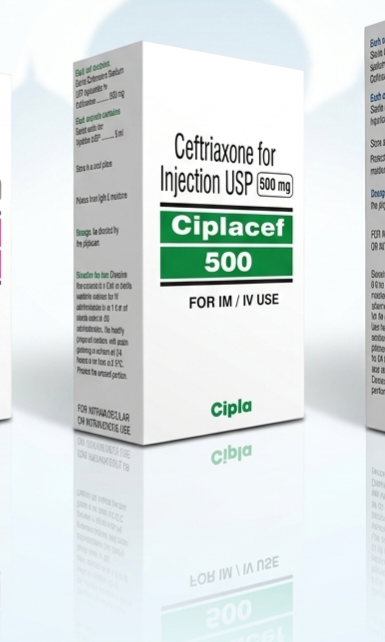

Comprehensive Guide to Ciplacef 500mg Vial (Ceftriaxone)
Ciplacef 500mg vial is a potent, third-generation cephalosporin antibiotic widely utilized in clinical settings for the management of severe bacterial infections. As an injectable medication, it provides rapid systemic delivery, making it a cornerstone therapy in hospital-based medicine, including orthopedics, general surgery, and infectious disease departments. This guide provides an exhaustive clinical overview of its pharmacological profile, indications, and safety considerations.
1. Overview and Clinical Significance
Ciplacef contains Ceftriaxone sodium as its active ingredient. Being a third-generation cephalosporin, it offers an expanded spectrum of activity against Gram-negative bacteria compared to first and second-generation cephalosporins, while retaining efficacy against many Gram-positive organisms. Its long half-life allows for once-daily dosing, which significantly improves patient compliance in both inpatient and outpatient parenteral antibiotic therapy (OPAT) settings.
2. Mechanism of Action and Pharmacokinetics
Mechanism of Action
Ciplacef functions by inhibiting bacterial cell wall synthesis. It binds to specific penicillin-binding proteins (PBPs) located inside the bacterial cell wall. This binding inhibits the final transpeptidation step of peptidoglycan synthesis, which is essential for the structural integrity of the bacterial cell wall. Without a stable cell wall, the bacteria undergo lysis and death.
Pharmacokinetics
- Absorption: Administered via intravenous (IV) or intramuscular (IM) injection. Bioavailability is 100%.
- Distribution: Highly protein-bound (85–95%), primarily to albumin. It achieves therapeutic concentrations in various tissues, including the cerebrospinal fluid (CSF), pleural fluid, and synovial fluid.
- Metabolism: Ceftriaxone is not significantly metabolized in the liver.
- Excretion: Approximately 33% to 67% of the dose is excreted unchanged in the urine, while the remainder is excreted via the bile into the feces.
- Half-life: The elimination half-life is approximately 8 hours in healthy adults, allowing for flexible dosing intervals.
3. Clinical Indications and Usage
Ciplacef 500mg is indicated for the treatment of infections caused by susceptible organisms. Its clinical utility is vast, covering:
| Infection Category | Clinical Application |
|---|---|
| Respiratory Tract | Pneumonia, acute exacerbations of chronic bronchitis |
| Urinary Tract | Complicated and uncomplicated pyelonephritis |
| Skin/Soft Tissue | Cellulitis, infected wounds, diabetic foot ulcers |
| Bone/Joint | Osteomyelitis, septic arthritis |
| Intra-abdominal | Peritonitis, biliary tract infections |
| Central Nervous System | Bacterial meningitis |
| Sexually Transmitted | Gonorrhea (uncomplicated) |
| Surgical Prophylaxis | Pre-operative prevention of wound infection |
Dosage Guidelines
Note: The following are general guidelines. Dosage must be adjusted based on the severity of infection, patient weight, and renal/hepatic function.
- Adults: 1g to 2g once daily, depending on the severity. In life-threatening infections, up to 4g daily may be administered.
- Pediatrics: 50–75 mg/kg administered once daily. The total daily dose should not exceed 2g.
- Surgical Prophylaxis: A single 1g dose administered 30 minutes to 2 hours before the procedure.
4. Risks, Side Effects, and Contraindications
Common Adverse Effects
Most patients tolerate Ciplacef well, but side effects can occur:
* Gastrointestinal: Diarrhea, nausea, vomiting, or pseudomembranous colitis (rare but serious).
* Injection Site Reactions: Pain, induration, and tenderness at the IV or IM site.
* Hematologic: Eosinophilia, thrombocytosis, or leukopenia.
Contraindications
- Hypersensitivity: Known allergy to cephalosporins or penicillins.
- Neonates: Use is contraindicated in neonates (≤28 days) if they require (or are expected to require) treatment with calcium-containing IV solutions, including total parenteral nutrition (TPN), due to the risk of ceftriaxone-calcium salt precipitation.
Drug Interactions
- Calcium-containing products: Must not be mixed or administered simultaneously with IV calcium-containing solutions.
- Aminoglycosides: Potential for synergistic nephrotoxicity.
- Oral Contraceptives: May reduce the efficacy of hormonal contraceptives; backup methods are recommended.
5. Pregnancy and Lactation
- Pregnancy: Category B. Ceftriaxone crosses the placenta. It should only be used if clearly needed and under strict medical supervision.
- Lactation: Low concentrations are excreted in human milk. Caution should be exercised when administering to nursing mothers.
6. Overdose Management
Symptoms of overdose are primarily related to gastrointestinal distress and potential neurotoxicity at extremely high concentrations. Treatment is supportive; there is no specific antidote. Hemodialysis or peritoneal dialysis is not effective in removing Ceftriaxone from the bloodstream.
7. Frequently Asked Questions (FAQ)
1. Is Ciplacef 500mg safe for children?
Yes, it is used in pediatrics, but the dosage must be strictly calculated based on the child's body weight. It is contraindicated in neonates receiving calcium-containing infusions.
2. Can I take Ciplacef if I have a Penicillin allergy?
Patients with a history of severe anaphylactic reactions to penicillin should avoid cephalosporins. Always inform your physician of any drug allergies.
3. How long does it take for Ciplacef to work?
Clinical improvement is often observed within 48 to 72 hours, but the full course must be completed to prevent antibiotic resistance.
4. Why can't I mix Ciplacef with calcium solutions?
Mixing with calcium can lead to the formation of ceftriaxone-calcium precipitates, which can cause fatal emboli in the lungs or kidneys, particularly in neonates.
5. Does Ciplacef affect the liver?
Ceftriaxone is excreted via the bile. While rare, it can cause "biliary sludge" or pseudolithiasis, which usually resolves after the antibiotic is discontinued.
6. Can this be used for a common cold?
No. Ciplacef is an antibiotic and is ineffective against viruses like the common cold or flu.
7. What should I do if I miss a dose?
Administer it as soon as you remember, unless it is nearly time for your next scheduled dose. Do not double the dose.
8. Is this medication effective for bone infections (Osteomyelitis)?
Yes, due to its ability to penetrate bone tissue effectively, it is a standard treatment for osteomyelitis caused by susceptible organisms.
9. Are there dietary restrictions while on Ciplacef?
There are no specific dietary restrictions, but maintaining hydration is recommended to support renal function.
10. How should the vial be stored?
Store in a cool, dry place, protected from light. Once reconstituted, the solution should be used promptly or stored according to the manufacturer's specific stability guidelines.
8. Conclusion
Ciplacef 500mg is a powerful tool in the clinician’s arsenal for combatting severe bacterial infections. Its favorable pharmacokinetics and broad spectrum make it highly effective. However, its use must be governed by strict clinical judgment to prevent the development of resistance and to ensure patient safety. Always consult with a licensed healthcare provider before initiating antibiotic therapy.
Disclaimer: This guide is for educational purposes only and does not constitute professional medical advice, diagnosis, or treatment. Always seek the advice of your physician or qualified health provider with any questions regarding a medical condition or medication.