
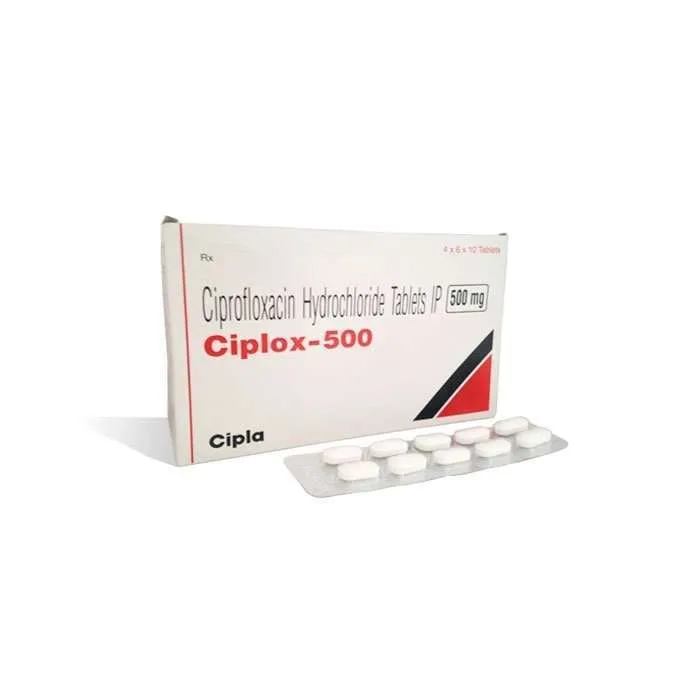



Comprehensive Guide to Ciplox (Ciprofloxacin)
Ciplox, the brand name for the active pharmaceutical ingredient Ciprofloxacin, is one of the most widely prescribed fluoroquinolone antibiotics in modern medicine. As an orthopedic specialist, I frequently encounter its application in treating bone and joint infections, as well as complex systemic bacterial conditions. This guide provides an exhaustive clinical overview of its pharmacological profile, therapeutic utility, and safety protocols.
1. Introduction and Clinical Overview
Ciplox belongs to the second-generation fluoroquinolone class of antibiotics. It is a broad-spectrum bactericidal agent, meaning it kills bacteria rather than merely inhibiting their growth. Its utility spans from minor urinary tract infections to severe, life-threatening systemic infections, including those involving the musculoskeletal system.
Because of its high bioavailability and excellent tissue penetration—particularly into bone and synovial fluid—it remains a cornerstone in treating osteomyelitis and septic arthritis caused by susceptible organisms. However, its use must be governed by strict clinical judgment due to the potential for adverse effects, particularly regarding tendon health.
2. Mechanism of Action and Pharmacokinetics
Mechanism of Action
Ciplox functions by inhibiting two critical bacterial enzymes: DNA gyrase (topoisomerase II) and topoisomerase IV.
- DNA Gyrase: Responsible for introducing negative supercoils into DNA, which is essential for replication and transcription.
- Topoisomerase IV: Responsible for the separation of replicated chromosomal DNA into daughter cells.
By binding to these enzymes, Ciprofloxacin prevents the bacteria from replicating their DNA, leading to rapid cell death. This dual-target mechanism is why the drug is highly effective against a broad range of Gram-negative and some Gram-positive bacteria.
Pharmacokinetics
The pharmacokinetic profile of Ciplox is favorable for oral administration:
| Parameter | Characteristic |
|---|---|
| Bioavailability | 70–80% (Oral) |
| Protein Binding | 20–40% |
| Half-life | 3.5–4.5 hours |
| Metabolism | Hepatic (minor) |
| Excretion | Renal (primarily) and Fecal |
Ciplox exhibits high concentrations in body tissues, including the prostate, lungs, and bone, making it an ideal choice for deep-seated infections.
3. Clinical Indications and Usage
Ciplox is indicated for infections caused by susceptible strains of designated microorganisms. Common clinical indications include:
Musculoskeletal and Systemic Indications
- Osteomyelitis: Effective against Gram-negative bacilli, including Pseudomonas aeruginosa.
- Infectious Arthritis: Used in combination or as monotherapy depending on the susceptibility profile.
- Urinary Tract Infections (UTIs): Complicated and uncomplicated cystitis and pyelonephritis.
- Respiratory Tract Infections: Including exacerbations of chronic bronchitis and hospital-acquired pneumonia.
- Skin and Skin Structure Infections: Particularly those complicated by multidrug-resistant organisms.
- Gastrointestinal Infections: Including infectious diarrhea and typhoid fever.
Dosage Guidelines
Dosage must be tailored to the severity of the infection and the patient's renal function.
| Indication | Typical Dosage (Adults) | Duration |
|---|---|---|
| UTI (Mild) | 250 mg every 12 hours | 3 days |
| UTI (Complicated) | 500 mg every 12 hours | 7–14 days |
| Osteomyelitis | 750 mg every 12 hours | 4–6 weeks |
| Respiratory Infection | 500–750 mg every 12 hours | 7–14 days |
Note: Dosage adjustments are mandatory in patients with a creatinine clearance (CrCl) of less than 50 mL/min.
4. Risks, Side Effects, and Contraindications
The "Black Box" Warnings
The FDA has issued warnings regarding the use of fluoroquinolones like Ciplox due to the risk of serious, potentially permanent side effects, including:
1. Tendonitis and Tendon Rupture: Specifically the Achilles tendon. This risk is elevated in patients over 60, those taking corticosteroids, and those with a history of transplant.
2. Peripheral Neuropathy: Nerve damage that may occur shortly after starting treatment.
3. Central Nervous System (CNS) Effects: Including tremors, anxiety, insomnia, and in rare cases, seizures.
Common Side Effects
- Nausea and diarrhea
- Dizziness
- Photosensitivity
- Elevated liver enzymes
Contraindications
- Hypersensitivity: Known allergy to Ciprofloxacin or any other quinolone.
- Tizanidine Use: Co-administration is contraindicated due to severe hypotension.
- Myasthenia Gravis: May exacerbate muscle weakness.
5. Pregnancy, Lactation, and Drug Interactions
Pregnancy and Lactation
- Pregnancy: Category C. Animal studies have shown potential for arthropathy in immature animals. It should only be used if the potential benefit justifies the risk to the fetus.
- Lactation: Ciprofloxacin is excreted in human milk. Due to the risk of articular damage in the infant, breastfeeding is generally not recommended during treatment.
Critical Drug Interactions
- Antacids/Multivitamins: Magnesium, aluminum, calcium, or iron supplements significantly reduce the absorption of Ciplox. Take Ciplox at least 2 hours before or 6 hours after these supplements.
- Warfarin: Ciprofloxacin may potentiate the anticoagulant effects of warfarin, increasing the risk of bleeding.
- Theophylline: Ciplox can increase serum concentrations of theophylline, leading to toxicity.
6. Frequently Asked Questions (FAQ)
1. What should I do if I miss a dose of Ciplox?
Take the missed dose as soon as you remember. However, if it is almost time for your next dose, skip the missed dose. Do not take two doses at once.
2. Can I take Ciplox with milk or dairy products?
While dairy products contain calcium, which can reduce absorption, taking Ciplox with a meal that includes dairy is generally acceptable. However, avoid taking it with calcium-fortified supplements or large amounts of dairy alone.
3. Why am I experiencing joint pain while taking this medication?
Tendonitis is a known side effect of fluoroquinolones. If you experience pain, swelling, or inflammation in your tendons (especially the heel), stop the medication and consult your doctor immediately.
4. Is Ciplox effective against viral infections like the flu?
No. Ciplox is an antibiotic and is only effective against bacterial infections. It will not treat viruses.
5. How should I store Ciplox?
Store at room temperature (20°C to 25°C) away from moisture and direct light. Keep out of reach of children.
6. Can I drive while on Ciplox?
Some patients experience dizziness or lightheadedness. Until you know how the medication affects you, avoid driving or operating heavy machinery.
7. Does Ciplox cause sun sensitivity?
Yes, it can cause photosensitivity. Use sunscreen and protective clothing when outdoors, as you may burn more easily.
8. How long does it take for Ciplox to start working?
Most patients begin to feel symptomatic relief within 24–48 hours of starting the course, but it is vital to complete the full prescription to prevent antibiotic resistance.
9. Can I drink alcohol while taking Ciplox?
While there is no direct interaction, alcohol may worsen side effects like dizziness and fatigue, and it can interfere with your body's ability to fight the infection.
10. What is the difference between Ciplox and other antibiotics?
Unlike penicillins, which target the bacterial cell wall, Ciplox targets bacterial DNA replication. This makes it effective against bacteria that are resistant to other common antibiotic classes.
7. Overdose Management
In the event of an acute overdose, the patient should be monitored closely. Symptoms of overdose may include confusion, tremors, hallucinations, or seizures.
Management:
1. Gastric Emptying: Induce emesis or perform gastric lavage if the ingestion was recent.
2. Supportive Care: Maintain adequate hydration to prevent crystalluria (formation of crystals in the urine).
3. Monitoring: Monitor renal function and ECG for QT prolongation.
4. Dialysis: Hemodialysis or peritoneal dialysis removes only a small amount of the drug and is generally not effective for significant clearance.
Disclaimer: This guide is for educational purposes only and does not constitute medical advice. Always consult with a licensed healthcare professional or orthopedic specialist before beginning or changing any medical treatment.