
Comprehensive Guide to Clexane (Enoxaparin Sodium)
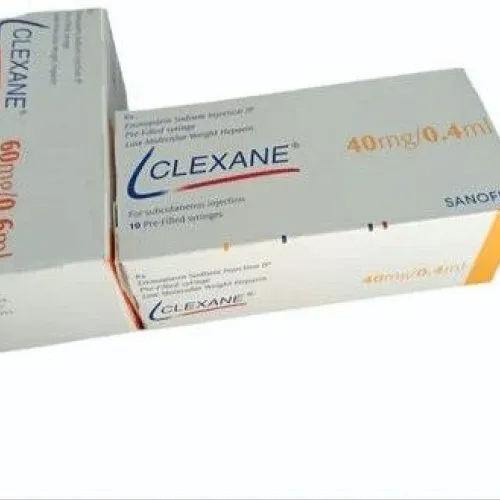
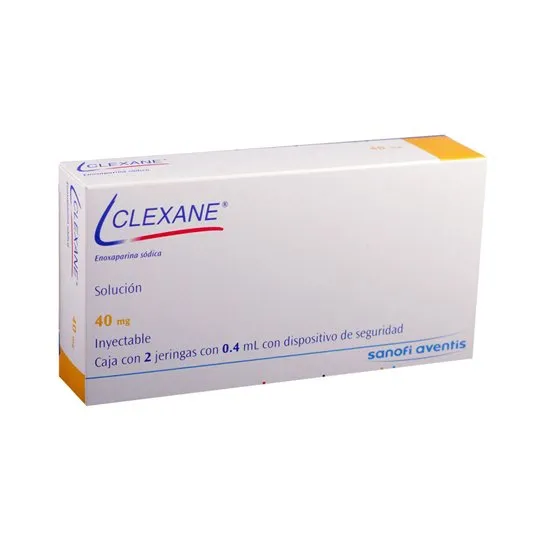
Clexane, known generically as Enoxaparin Sodium, is a cornerstone medication in modern hematology and orthopedic surgery. As a low-molecular-weight heparin (LMWH), it has revolutionized the management of thromboembolic disorders. This guide provides an in-depth clinical analysis of its pharmacological profile, usage guidelines, and safety considerations.
1. Introduction & Overview
Clexane is an anticoagulant medication primarily used to prevent and treat deep vein thrombosis (DVT) and pulmonary embolism (PE). Unlike unfractionated heparin, which requires frequent laboratory monitoring and has a more variable response, enoxaparin offers a predictable anticoagulant effect, making it the gold standard for thromboprophylaxis in surgical settings, particularly within orthopedics.
Pharmacological Classification
- Drug Class: Low-Molecular-Weight Heparin (LMWH).
- Route of Administration: Subcutaneous (SC) injection or Intravenous (IV) for specific indications.
- Key Action: Potentiation of antithrombin III.
2. Deep-Dive: Mechanism of Action and Pharmacokinetics
Understanding the molecular dynamics of Clexane is essential for clinicians to appreciate why it is preferred over traditional anticoagulants.
Mechanism of Action
Clexane acts by binding to antithrombin III (ATIII), a plasma protein that inhibits coagulation factors. The binding process significantly accelerates the rate of neutralization of Factor Xa and, to a lesser extent, Factor IIa (thrombin).
| Feature | Effect |
|---|---|
| Anti-Xa Activity | Highly potent; primary mechanism for preventing clot propagation. |
| Anti-IIa Activity | Lower activity compared to unfractionated heparin, reducing bleeding risk. |
| Duration | Longer half-life allows for once or twice-daily dosing. |
Pharmacokinetics
- Absorption: High bioavailability (approx. 90-100%) following subcutaneous injection.
- Distribution: Volume of distribution is roughly equivalent to blood volume.
- Metabolism: Primarily hepatic metabolism via desulfation and depolymerization.
- Elimination: Renal excretion; half-life is approximately 4.5 hours after a single dose and 7 hours after multiple doses.
3. Clinical Indications and Usage
Clexane is indicated for a wide range of thromboembolic conditions. In the orthopedic field, it is most commonly utilized for the prevention of venous thromboembolism (VTE) following major joint replacement.
Primary Indications
- Prophylaxis of VTE: Specifically in patients undergoing abdominal, orthopedic, or hip replacement surgeries.
- Treatment of DVT/PE: Management of acute deep vein thrombosis and pulmonary embolism.
- Unstable Angina and NSTEMI: Used in conjunction with aspirin to manage acute coronary syndromes.
- Extracorporeal Circulation: Prevention of thrombus formation in the extracorporeal circulation during hemodialysis.
Dosage Guidelines (General)
| Condition | Recommended Dosage |
|---|---|
| Orthopedic Surgery (DVT Prophylaxis) | 40 mg SC once daily (initiated 12h pre-op or post-op). |
| Medical Patients (High Risk) | 40 mg SC once daily. |
| Treatment of DVT/PE | 1 mg/kg SC every 12 hours. |
| Unstable Angina / NSTEMI | 1 mg/kg SC every 12 hours with aspirin. |
Note: Dosage adjustments are mandatory for patients with severe renal impairment (Creatinine Clearance <30 mL/min).
4. Risks, Side Effects, and Contraindications
While Clexane is safer than many anticoagulants, it is not without risks. Clinical vigilance is required to monitor for signs of hemorrhage or heparin-induced thrombocytopenia (HIT).
Common Side Effects
- Hemorrhage: The most frequent side effect, ranging from minor bruising at the injection site to major internal bleeding.
- Thrombocytopenia: A decrease in platelet count.
- Injection Site Reactions: Pain, hematoma, or inflammation at the site of administration.
- Elevated Liver Enzymes: Transient increases in transaminases have been observed.
Contraindications
Clexane should be avoided or used with extreme caution in patients with:
* Active Major Bleeding: Including conditions like peptic ulcer disease or hemorrhagic stroke.
* History of HIT: Immune-mediated heparin-induced thrombocytopenia.
* Severe Renal Impairment: Requires dose reduction or alternative therapy.
* Hypersensitivity: Known allergy to enoxaparin, heparin, or pork products.
Pregnancy and Lactation
- Pregnancy: Clexane does not cross the placenta. It is the anticoagulant of choice during pregnancy for women at risk of VTE.
- Lactation: It is not known if enoxaparin is excreted in breast milk; however, it is poorly absorbed orally by the infant, making it likely safe for breastfeeding mothers.
5. Overdose Management
An overdose of Clexane can lead to significant bleeding complications. In such cases, the anticoagulant effect can be partially neutralized.
- Protamine Sulfate: This is the specific antidote.
- Dosing: 1 mg of protamine sulfate neutralizes 1 mg of enoxaparin.
- Administration: Administer slowly by intravenous injection.
- Monitoring: Monitor activated partial thromboplastin time (aPTT) and clinical signs of bleeding.
6. Frequently Asked Questions (FAQ)
1. How is Clexane different from Warfarin?
Clexane is an injectable LMWH that acts quickly, whereas Warfarin is an oral vitamin K antagonist that takes days to reach a therapeutic effect and requires frequent INR monitoring.
2. Can I self-administer Clexane?
Yes. Patients are often taught to self-inject into the subcutaneous fat of the abdomen. Proper technique is vital to minimize bruising.
3. Does Clexane require blood tests?
Unlike heparin, routine monitoring is not required for most patients. However, it may be necessary in patients with renal failure, obesity, or pregnancy.
4. What should I do if I miss a dose?
Take the missed dose as soon as you remember, unless it is nearly time for your next scheduled dose. Do not double up on doses.
5. Is Clexane safe for long-term use?
Clexane is typically used for short-term prophylaxis (e.g., post-surgery). Long-term use requires strict medical supervision and monitoring.
6. Can I take aspirin with Clexane?
Only under strict medical supervision. Combining anticoagulants increases the risk of bleeding significantly.
7. How should Clexane be stored?
Store at room temperature (below 25°C). Do not freeze. Keep out of the reach of children.
8. What is the difference between DVT and PE?
DVT is a blood clot in the deep veins, usually the legs. PE occurs if that clot breaks off and travels to the lungs. Clexane treats both.
9. Why does my injection site bruise?
Bruising is common. To minimize it, do not rub the site after injection and rotate injection sites regularly.
10. When should I seek emergency medical help?
Seek help immediately if you experience signs of major bleeding, such as black/tarry stools, coughing up blood, or severe, unexplained headaches.
Conclusion
Clexane (Enoxaparin) remains a vital tool in the orthopedic and clinical toolkit. By understanding its mechanism, indications, and the nuances of safe administration, healthcare providers can significantly reduce the risk of thromboembolic complications in their patients. Always adhere to local clinical guidelines and consult with a specialist when managing patients with comorbidities or complex surgical needs.
Disclaimer: This guide is for educational purposes only and does not replace professional medical advice. Always consult a physician for diagnosis and treatment.