
Understanding Co-Codamol: A Clinical Overview
Co-Codamol is a widely prescribed analgesic combination medication used for the management of mild to moderate pain that remains unresponsive to simple analgesics like paracetamol or ibuprofen alone. It is a synergistic formulation consisting of two distinct active ingredients: Paracetamol (Acetaminophen) and Codeine Phosphate.
In the orthopedic and general practice setting, Co-Codamol serves as a cornerstone for managing acute musculoskeletal pain, post-operative recovery, and chronic pain conditions. Because it combines a non-opioid analgesic with an opioid agonist, it provides a dual-action approach to pain relief, targeting pain at both the peripheral and central nervous systems.
Mechanism of Action and Pharmacokinetics
The efficacy of Co-Codamol lies in the complementary mechanisms of its two components.
1. Paracetamol (Acetaminophen)
Paracetamol acts primarily by inhibiting prostaglandin synthesis in the central nervous system. Unlike NSAIDs, it has negligible anti-inflammatory effects in peripheral tissues. Its exact mechanism is thought to involve the inhibition of the cyclooxygenase (COX) enzyme isoforms, specifically targeting the brain and spinal cord to raise the pain threshold.
2. Codeine Phosphate
Codeine is a prodrug belonging to the opioid class. Once ingested, it is metabolized in the liver via the CYP2D6 enzyme system into morphine, which is the active metabolite responsible for its analgesic effects. Codeine acts as an agonist at the mu-opioid receptors in the central nervous system, altering the perception of and emotional response to pain.
Pharmacokinetic Profile
| Feature | Paracetamol | Codeine |
|---|---|---|
| Absorption | Rapid/Complete | Rapid |
| Metabolism | Hepatic (Glucuronidation) | Hepatic (CYP2D6 to Morphine) |
| Half-Life | 1-4 Hours | 3-4 Hours |
| Excretion | Renal | Renal |
Clinical Indications and Usage
Co-Codamol is indicated for the short-term treatment of acute moderate pain which is not considered to be relieved by other analgesics. Common orthopedic and medical indications include:
- Post-Operative Pain: Management following orthopedic surgeries such as joint replacements or arthroscopy.
- Musculoskeletal Injury: Severe sprains, strains, or ligamentous tears where inflammation-focused treatment is insufficient.
- Chronic Pain Syndromes: Managed on a short-term basis to prevent opioid dependency.
- Dental Pain: Post-extraction or severe pulpitis.
Dosage Guidelines
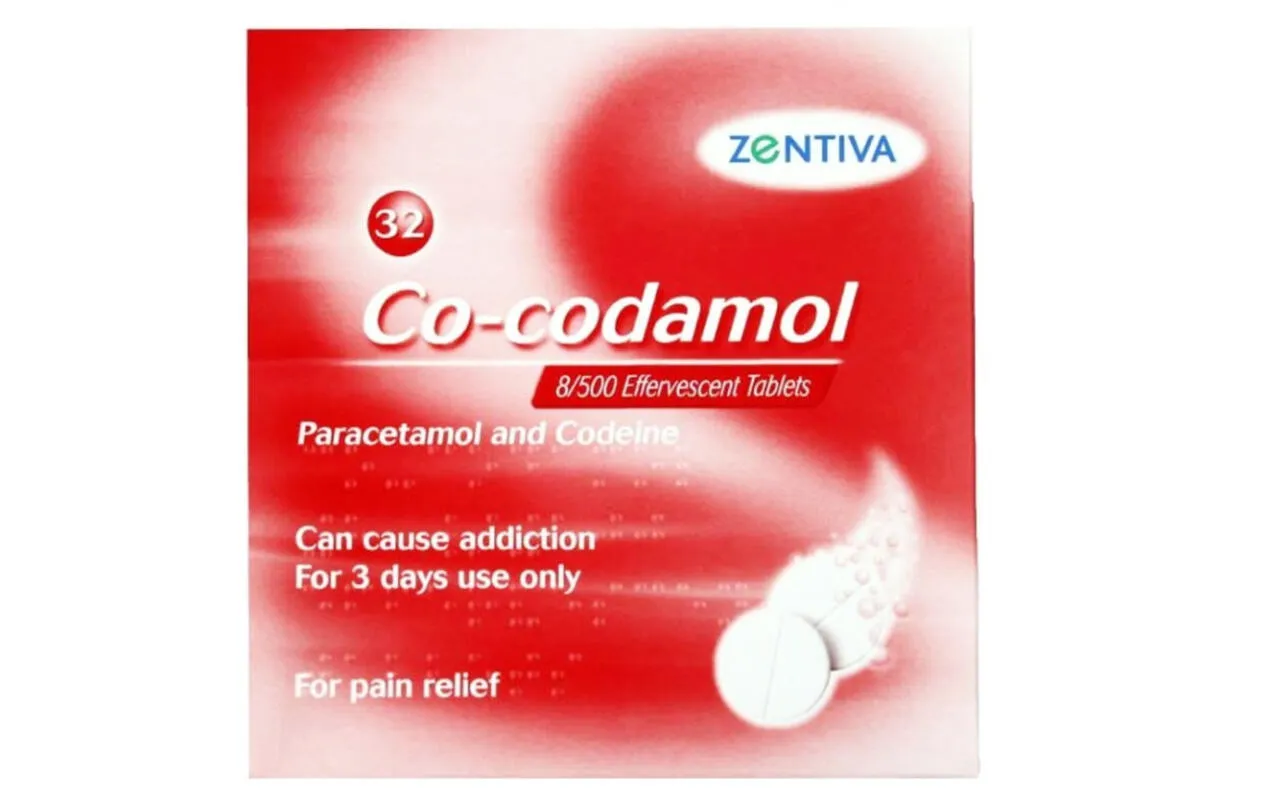
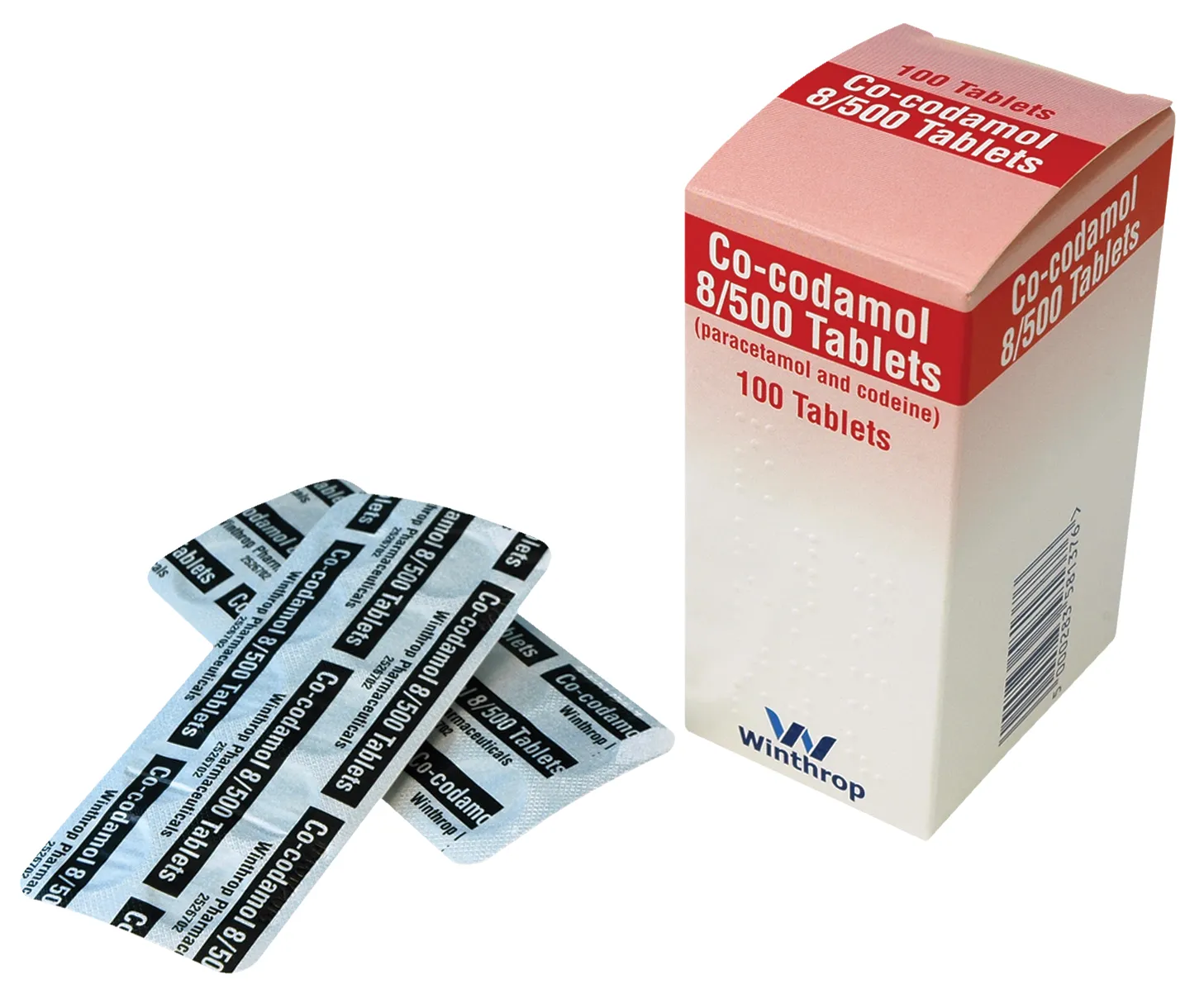
Co-Codamol is available in various strengths, typically denoted by the ratio of Paracetamol to Codeine (e.g., 500mg/8mg, 500mg/15mg, 500mg/30mg).
- Adults: 1 to 2 tablets every 4 to 6 hours as needed.
- Maximum Dose: Do not exceed 8 tablets in a 24-hour period.
- Important: Always ensure the total daily intake of Paracetamol does not exceed 4 grams (4,000mg) from all sources to prevent hepatotoxicity.
Risks, Side Effects, and Contraindications
While effective, Co-Codamol carries significant risks due to its opioid component.
Common Side Effects
- Gastrointestinal: Constipation (very common), nausea, and vomiting.
- Neurological: Dizziness, drowsiness, and lightheadedness.
- Respiratory: Potential for respiratory depression at high doses.
Contraindications
- Hypersensitivity: Known allergy to paracetamol or codeine.
- Respiratory Compromise: Patients with asthma, COPD, or acute respiratory depression.
- Hepatic Impairment: Severe liver disease significantly increases the risk of paracetamol toxicity.
- Head Injury: Increased intracranial pressure may be exacerbated by opioids.
- Dependency: History of substance abuse or opioid addiction.
Pregnancy and Lactation
- Pregnancy: Use should be avoided unless strictly necessary. Chronic use may lead to neonatal opioid withdrawal syndrome.
- Lactation: Codeine is excreted in breast milk. There is a risk of neonatal toxicity if the mother is an "ultra-rapid metabolizer" of CYP2D6. Consult a physician before use.
Drug Interactions
Co-Codamol interacts with several classes of medication, necessitating caution:
- CNS Depressants: Alcohol, benzodiazepines, and sedatives can lead to additive respiratory depression and severe sedation.
- MAO Inhibitors: Can lead to severe hypertensive crisis or excitation.
- Metoclopramide/Domperidone: May increase the absorption rate of paracetamol.
- Colestyramine: Reduces the absorption of paracetamol.
Overdose Management
An overdose of Co-Codamol is a medical emergency due to the dual risk of paracetamol-induced liver failure and codeine-induced respiratory depression.
- Paracetamol Overdose: Treated with N-acetylcysteine (NAC) as an antidote. Early administration (within 8 hours) is critical to prevent permanent liver damage.
- Codeine Overdose: Treated with Naloxone, an opioid antagonist, to reverse respiratory depression.
- Clinical Action: If an overdose is suspected, seek emergency medical services immediately. Do not wait for symptoms to appear.
Frequently Asked Questions (FAQ)
1. Is Co-Codamol stronger than regular Paracetamol?
Yes. By adding Codeine, the medication provides an opioid-based analgesic effect that targets pain receptors in the brain, making it more effective for moderate to severe pain.
2. How long can I take Co-Codamol?
It is intended for short-term use only (usually no more than 3 days). Prolonged use can lead to physical dependence and tolerance.
3. Can I drink alcohol while taking Co-Codamol?
No. Alcohol significantly increases the sedative effects of codeine and increases the risk of liver damage from the paracetamol component.
4. Why does Co-Codamol cause constipation?
Codeine slows down the motility of the gastrointestinal tract, which is a common side effect of most opioid-based medications. Increasing fluid and fiber intake is recommended.
5. Can I take other medicines containing Paracetamol with Co-Codamol?
Absolutely not. Taking additional paracetamol puts you at high risk of a fatal overdose and acute liver failure.
6. What should I do if I miss a dose?
Take the dose as soon as you remember, unless it is nearly time for your next dose. Never double up on a dose to make up for a missed one.
7. Does Co-Codamol affect driving?
It can cause drowsiness and dizziness. Do not drive or operate heavy machinery if you feel impaired by the medication.
8. Is Co-Codamol safe for children?
Co-Codamol is generally not recommended for children under 12 years of age due to the risk of respiratory complications and varying metabolism rates.
9. What is the difference between 8mg, 15mg, and 30mg Codeine?
These numbers refer to the amount of codeine in each tablet. The higher the number, the stronger the opioid effect, and the higher the risk of side effects like constipation and sedation.
10. Can I get addicted to Co-Codamol?
Yes. Because it contains codeine, there is a risk of developing psychological or physical dependence if taken for extended periods or in doses higher than prescribed.
Professional Medical Disclaimer
This guide is for informational purposes only and does not constitute medical advice, diagnosis, or treatment. Always seek the advice of your physician or qualified healthcare provider with any questions you may have regarding a medical condition or medication. Never disregard professional medical advice or delay in seeking it because of something you have read in this guide.