
Comprehensive Guide to Colace (Docusate Sodium)
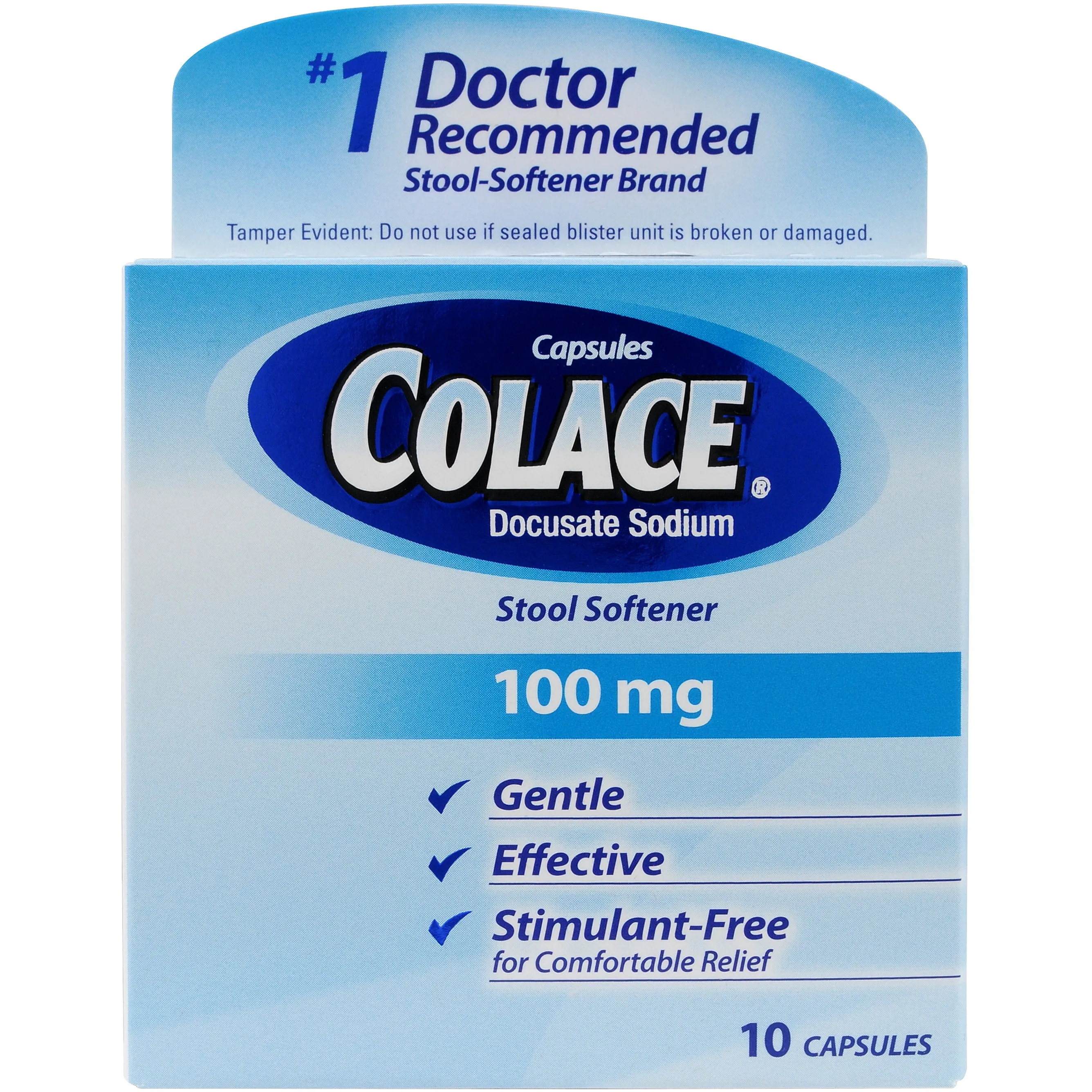
Colace, known generically as docusate sodium, is a staple in clinical settings and home medicine cabinets worldwide. As an orthopedic specialist, I frequently encounter patients requiring stool softeners to manage constipation induced by opioid analgesics or post-operative immobilization. Understanding the pharmacodynamics and clinical safety profile of this medication is essential for both practitioners and patients.
This guide provides an exhaustive look into the mechanisms, clinical applications, and safety protocols surrounding the use of Colace.
1. Introduction and Overview
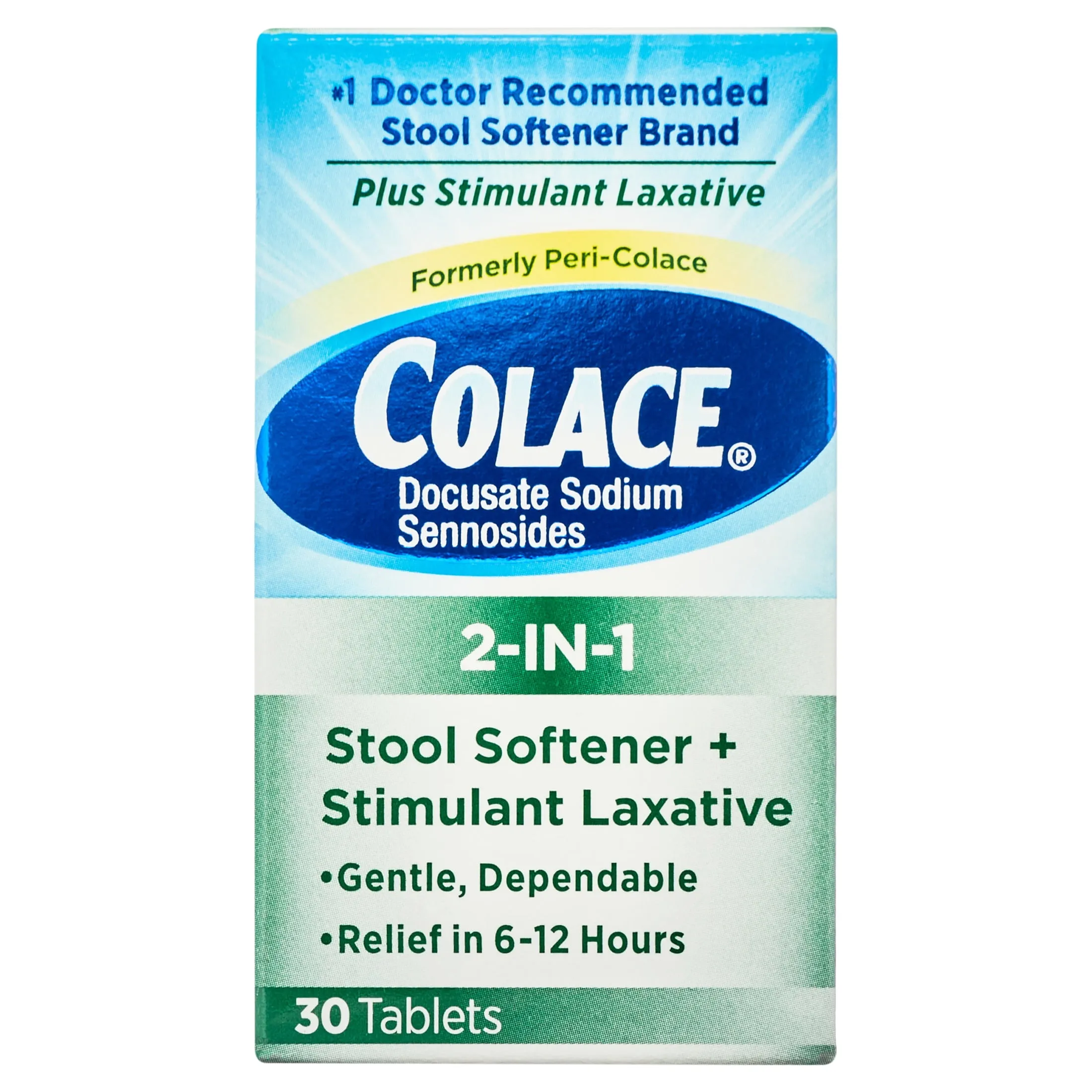
Colace is classified as an anionic surfactant and an emollient laxative. Unlike stimulant laxatives that irritate the bowel wall to induce peristalsis, Colace acts primarily by altering the physical properties of the stool. It is most commonly used for the short-term relief of occasional constipation.
In the orthopedic context, patients often experience "opioid-induced constipation" (OIC) following surgery. Because opioids slow gastrointestinal motility, the prolonged presence of stool in the colon leads to excessive water absorption, resulting in hard, dry, and painful bowel movements. Colace is widely utilized in these scenarios to facilitate easier passage of stool, thereby reducing the strain that can be detrimental to surgical sites, particularly in spinal or abdominal procedures.
2. Mechanism of Action and Pharmacokinetics
Mechanism of Action
The efficacy of docusate sodium lies in its surfactant properties. It functions as a stool softener by:
* Lowering Surface Tension: It decreases the surface tension at the oil-water interface of the stool.
* Water Infiltration: By lowering this tension, it allows water and lipids to penetrate the fecal mass more effectively.
* Hydration: The resulting stool becomes softer and more pliable, facilitating easier defecation without the need for excessive straining.
Pharmacokinetics
- Absorption: Docusate is minimally absorbed in the gastrointestinal tract. A small portion may be absorbed in the duodenum and jejunum and is subsequently excreted in the bile.
- Onset of Action: Unlike stimulant laxatives, which may work within 6–12 hours, Colace typically requires 12 to 72 hours to produce a bowel movement.
- Metabolism/Excretion: It is not metabolized in the liver to any significant extent; it is primarily excreted through the feces.
3. Clinical Indications and Usage
Colace is indicated for conditions where straining at stool should be avoided. This is particularly relevant in patients with:
| Clinical Condition | Relevance |
|---|---|
| Post-Orthopedic Surgery | Prevents straining that could stress incisions or orthopedic hardware. |
| Hemorrhoids/Fissures | Reduces irritation of sensitive perianal tissues. |
| Myocardial Infarction | Prevents the Valsalva maneuver, which can cause dangerous spikes in blood pressure. |
| Postpartum Period | Used in patients recovering from episiotomies or C-sections. |
| Opioid-Induced Constipation | Counteracts the constipating effects of analgesic medications. |
Dosage Guidelines
Dosage should always be individualized based on the patient's needs and physician guidance.
- Adults and Children 12+: 50 mg to 200 mg daily, taken as a single dose or in divided doses.
- Children 6–12: 40 mg to 120 mg daily.
- Administration Note: Always take with a full glass (8 oz) of water or liquid. The medication relies on hydration to be effective.
4. Risks, Side Effects, and Contraindications
While Colace is generally considered safe, it is not without risks. Patients should be aware of potential adverse effects and situations where the drug should be avoided.
Common Side Effects
- Gastrointestinal: Mild abdominal cramping, diarrhea, or nausea.
- Perianal: Irritation or itching (less common).
- Allergic Reactions: Rash or hives (rare).
Contraindications
- Abdominal Pain/Nausea/Vomiting: Do not use if these symptoms are present, as they may indicate an underlying condition like appendicitis or bowel obstruction.
- Bowel Obstruction: Use is strictly contraindicated in cases of known or suspected intestinal blockage.
- Hypersensitivity: Known allergy to docusate or any inactive ingredients in the formulation.
Drug Interactions
- Mineral Oil: Colace can increase the systemic absorption of mineral oil, potentially leading to adverse effects. These two should not be taken together.
- Aspirin: Some studies suggest that docusate may enhance the absorption of other medications, which could theoretically increase toxicity if taken concurrently with certain drugs.
5. Pregnancy and Lactation Warnings
- Pregnancy: Docusate sodium is generally considered safe for use during pregnancy (Category C). It is not significantly absorbed, meaning systemic exposure to the fetus is minimal. However, it should only be used under the guidance of an obstetrician.
- Lactation: There is no evidence that docusate is excreted into breast milk in significant amounts. It is considered compatible with breastfeeding, but consultation with a pediatrician is recommended.
6. Overdose Management
An overdose of Colace is rarely life-threatening but can cause significant gastrointestinal distress.
* Symptoms: Severe diarrhea, abdominal cramping, and fluid/electrolyte imbalance.
* Management: Treatment is supportive. If an overdose is suspected, focus on rehydration and electrolyte replacement. Seek medical attention if symptoms persist or if dehydration becomes apparent.
7. Frequently Asked Questions (FAQ)
1. Does Colace act as a stimulant laxative?
No. Colace is an emollient stool softener. It does not stimulate the muscles of the intestine to contract; it simply softens the stool to make it easier to pass.
2. How long can I safely take Colace?
It is intended for short-term use. If you require it for more than 7 consecutive days, consult your physician to rule out chronic constipation issues.
3. Can children take Colace?
Yes, under medical supervision. The dosage is adjusted based on age and weight. Never administer to children under 6 without consulting a pediatrician.
4. Should I take Colace with food?
It can be taken with or without food. However, it is mandatory to take it with a full glass of water.
5. Why is my doctor prescribing this after my knee surgery?
After orthopedic surgery, you are likely taking pain medications (opioids) that cause constipation. Colace prevents the straining that could cause discomfort or complications at your surgical site.
6. Can Colace cause diarrhea?
Yes, if the dosage is too high, it can lead to loose stools or diarrhea. If this occurs, discontinue use and consult your doctor.
7. Is Colace habit-forming?
Unlike stimulant laxatives, which can lead to "lazy bowel" syndrome, Colace is generally not considered habit-forming. However, reliance on any laxative should be discussed with a healthcare provider.
8. What should I do if I miss a dose?
Take it as soon as you remember. If it is almost time for your next dose, skip the missed dose. Do not take two doses at once.
9. Can I take Colace with other medications?
In general, yes. However, avoid mineral oil. Always inform your doctor of all supplements and medications you are currently taking.
10. Does Colace work immediately?
No. Because it works by hydrating the stool, it takes time—usually 12 to 72 hours—to see an effect. It is not an "emergency" relief medication.
Conclusion
Colace (docusate sodium) serves as a vital tool in the management of constipation, particularly for orthopedic patients navigating the recovery process. By understanding its mechanism of action—hydration rather than stimulation—patients can better utilize the medication to ensure comfort and safety during their healing journey. Always maintain adequate fluid intake and prioritize fiber-rich foods alongside any pharmacological intervention. If symptoms of constipation persist, always seek professional medical evaluation to exclude more serious gastrointestinal pathologies.
Disclaimer: This guide is for informational purposes only and does not constitute medical advice, diagnosis, or treatment. Always seek the advice of your physician or other qualified health provider with any questions regarding a medical condition or medication.